
As a gardener, there’s nothing more frustrating than watching your hard-earned harvest go to waste due to dill bolts. Those pesky little white flowers can ruin an entire crop in no time, leaving you with a disappointing yield and wondering what went wrong. But don’t worry, we’ve got the inside scoop on how to prevent dill bolts from taking over your garden.
Understanding the causes of dill bolts is key to preventing them. Plant stress, temperature fluctuations, and inadequate watering can all contribute to this issue. By managing these stressors, you can take the first step towards a bountiful harvest. In this article, we’ll delve into effective prevention strategies and share expert tips on how to keep your dill plants healthy and thriving, ensuring a delicious crop of fresh herbs for years to come.
What are Dill Bolts?
So, you’re curious about dill bolts and want to know what they are. Essentially, dill bolts are a type of injury that can occur on your cucumber plants.
Definition and Causes
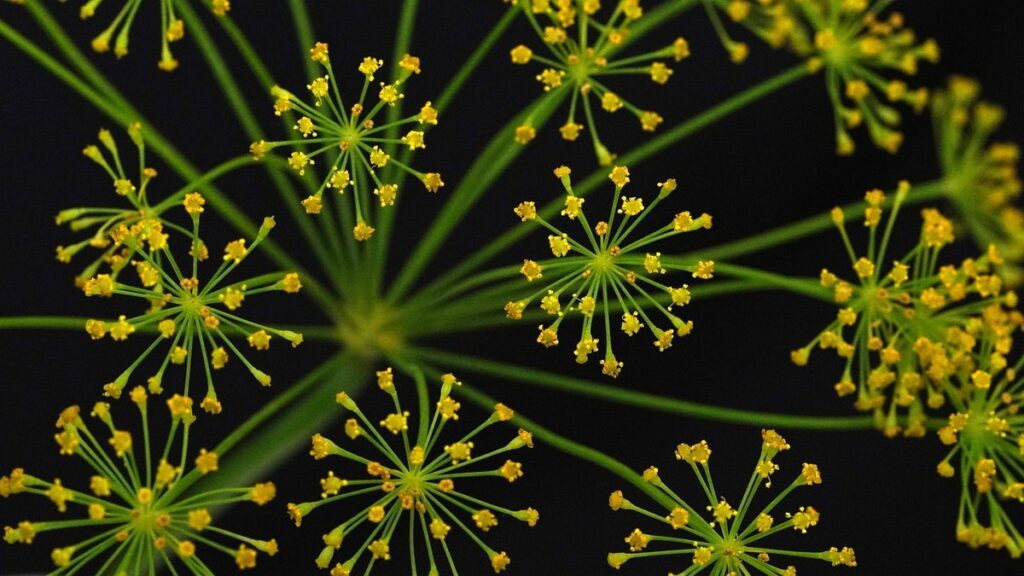
A dill bolt is essentially a misshapen flower head on a dill plant that’s caused by the failure of the tiny flowers to separate and turn into seeds. This can happen due to various reasons, but some of the most common causes are related to growing conditions.
When plants receive too much nitrogen in their diet, it can lead to an overabundance of foliage growth and stunted flower formation, increasing the likelihood of dill bolts. Inadequate pollination is another factor that contributes to this issue; if bees or other pollinators don’t visit the flowers often enough, they may not receive the necessary fertilization, resulting in misshapen blooms.
Dill bolts can be problematic because they take up valuable space on the plant and prevent proper seed development. This means you won’t get the usual crop of seeds for saving or replanting.
Types of Dill Bolts
Dill bolts can manifest in different forms, each with its own unique characteristics and causes. One common type is stem bolting, where a plant produces an above-ground stem that can grow rapidly, often in an attempt to escape stress or competition for resources. This can be seen in plants like broccoli, cauliflower, and cabbage.
Another type is root bolting, which occurs when a plant’s energy shifts from producing edible roots to producing a flowering stalk. This can happen due to factors such as inadequate nutrition, temperature fluctuations, or pest infestations. Root-bolting plants often produce a small to medium-sized flower head that is not desirable for consumption.
Shoot bolting is the third type of dill bolt, characterized by an abnormal growth pattern where shoots emerge from the center of the plant rather than from the crown. This can be caused by factors like temperature extremes, nutrient deficiencies, or waterlogged soil conditions. To prevent dill bolts, it’s essential to understand these different types and address their underlying causes through proper growing practices, monitoring, and adaptation. Regularly inspect your plants for signs of stress and take corrective action promptly to prevent the onset of bolting.
Factors Contributing to Dill Bolts
Dill bolts can be caused by a combination of environmental and genetic factors. When it comes to genetics, some dill varieties are more prone to bolting than others. This is due to the plant’s natural life cycle, which involves producing flowers and seeds as it reaches maturity. However, certain dill cultivars have been bred to produce fewer or no flowers, reducing the likelihood of bolting.
Environmental factors also play a significant role in the development of dill bolts. Weather conditions such as excessive heat, drought, or stress can trigger flowering and subsequent bolting. For example, if your dill plants experience a sudden spike in temperature or are exposed to intense sunlight, they may bolt as a way to reproduce before dying.
To manage these factors, make sure to choose a dill variety that is less prone to bolting. You should also provide optimal growing conditions, including sufficient water and nutrients. This can help reduce stress and prevent the plant from undergoing unnecessary changes.
Why Preventing Dill Bolts is Important
Preventing dill bolts from happening in the first place can save you a significant amount of time and effort, not to mention costly repairs down the line. Let’s take a closer look at why this proactive approach is essential for plant care.
Impact on Crop Yield and Quality
When dill bolts occur, it can have a devastating impact on crop yield and quality. This is because the bolts are essentially flower stalks that grow at the expense of the plant’s energy and resources, diverting them away from producing edible leaves and stems.
As a result, crops may become stunted or weakened, leading to reduced yields and lower-quality produce. In extreme cases, dill bolt can even cause plants to go to seed prematurely, rendering them unusable for harvesting. For instance, if you’re growing dill for its fragrant leaves, which are prized by chefs and gardeners alike, the presence of bolts can significantly reduce their flavor and aroma.
To put this into perspective, a study on dill bolt found that even small infestations can lead to yield losses of up to 30%. This is why preventing dill bolt from taking hold in the first place is crucial. By taking steps to control its spread and encourage healthy plant growth, gardeners can minimize the risk of crop damage and enjoy a bountiful harvest of high-quality produce.
Economic and Environmental Considerations
The economic costs associated with dill bolts can be substantial, making prevention a crucial aspect of managing this common dilemma. According to a study by the National Institute of Building Sciences, the average cost of repairing a dill bolt issue is around $10,000. This figure doesn’t account for the potential losses due to delayed project timelines and lost revenue.
Furthermore, dill bolts can have significant environmental implications. When left unaddressed, they can lead to water damage, structural compromise, and even collapse. The resulting destruction of property can be catastrophic, with far-reaching consequences for both human health and the environment.
Practically speaking, preventing dill bolts requires a multi-faceted approach. This involves implementing effective waterproofing measures, regular inspections, and timely repairs. By taking proactive steps to address this issue, building owners and contractors can mitigate economic costs while also reducing their environmental footprint.
Importance of Sustainable Gardening Practices
Adopting sustainable gardening practices is essential for preventing dill bolts and promoting healthy plant growth. When you use environmentally friendly methods to cultivate your garden, you not only reduce the risk of dill bolts but also create a more balanced ecosystem.
One key aspect of sustainable gardening is using crop rotation techniques. This involves rotating your crops seasonally to avoid depleting soil nutrients and reducing pest pressure. For instance, if you’re growing dill in a particular spot, try moving it to a different location the following season. This simple step can significantly reduce the risk of dill bolts.
Another critical practice is maintaining optimal moisture levels. Dill requires consistent watering, but excessive moisture can lead to fungal diseases that contribute to dill bolts. By using drip irrigation systems or soaker hoses, you can deliver water directly to the roots while minimizing evaporation and runoff.
Regular soil testing is also crucial for preventing dill bolts. Test your soil regularly to ensure it has the right pH balance and nutrient levels. This information will help you make informed decisions about amendments and fertilizers, ultimately promoting healthy plant growth.
Understanding Plant Stress: A Key Factor in Dill Bolts
Let’s dive into the reasons why plant stress is a crucial factor in dill bolts, and how it can be managed to prevent this common issue. When your dill plants become stressed, they’re more likely to bolt prematurely.
Factors Contributing to Plant Stress
When it comes to dill bolt prevention, understanding plant stress is crucial. But what exactly causes this stress? Let’s break down some of the key factors that contribute to plant stress.
Temperature fluctuations can be a significant source of stress for plants. If temperatures are too high or too low, it can disrupt photosynthesis and lead to weakened cell walls. For example, if you’re growing dill in a region with extreme temperature variations, your plants may experience stress during heatwaves or frosty nights. To mitigate this, ensure that your dill is grown in an area with consistent temperatures between 60°F to 80°F (15°C to 27°C).
Water scarcity and nutrient deficiencies are also significant contributors to plant stress. Dill requires a steady supply of water, especially when it’s producing seeds. If the soil is too dry or too wet, it can cause root damage and weaken the plant’s ability to withstand disease. Similarly, a lack of essential nutrients like nitrogen, potassium, and iron can hinder growth and lead to stress.
Nutrient deficiencies can be caused by poor soil quality or inadequate fertilization. To prevent this, test your soil regularly and adjust your fertilization schedule accordingly. It’s also essential to ensure that your dill is receiving adequate moisture, but avoid overwatering which can lead to root rot.
How Plant Stress Relates to Dill Bolts
Plant stress is a significant contributor to dill bolt formation. When plants experience stress due to factors such as extreme temperatures, inadequate watering, nutrient deficiencies, or pests and diseases, they become more susceptible to bolting. This occurs because stressed plants prioritize growth over reproduction, causing them to focus their energy on producing tall stems with flowers rather than leaves.
As a result, if you notice your dill plant is under stress, it’s essential to address the underlying issue as soon as possible. Monitor temperature fluctuations and ensure consistent watering. Provide your dill plant with optimal growing conditions, including full sun, well-drained soil, and sufficient nutrients. Regular pruning can also help control stem elongation and direct growth energy towards leaf production.
By recognizing the connection between plant stress and dill bolt formation, you can take proactive steps to prevent bolting and promote a healthy, productive crop.
Effective Methods for Preventing Dill Bolts
To effectively prevent dill bolts, it’s essential to understand the root causes and implement practical methods that work, such as regular equipment maintenance. This approach will help minimize the risk of dill bolt occurrence.
Genetic Selection and Breeding
When it comes to preventing dill bolting, selecting and breeding resistant varieties is crucial. This approach focuses on genetic selection rather than relying solely on environmental controls. By choosing varieties with inherent resistance to bolting, gardeners can reduce the likelihood of this issue occurring.
There are several key points to consider when evaluating dill varieties for their potential to bolt:
• Bolting tolerance: Some dill varieties are bred specifically for their ability to resist bolting, even in high-temperature conditions. These varieties have undergone rigorous testing and selection processes to ensure they can thrive without producing flower stalks.
• Genetic diversity: Growing a diverse range of dill varieties can help reduce the risk of bolting, as different genetics respond differently to environmental stressors. By incorporating multiple resistant varieties into your garden, you can create a more resilient crop.
• Breeding programs: Some seed companies invest in breeding programs that focus on developing new dill varieties with improved bolting resistance. These new releases often become available through commercial channels and are designed to be more productive and easier to grow than older varieties.
Cultural Practices: Timing, Temperature, and Light
When it comes to preventing dill bolts, timing is crucial. Planting dill at the right time can make all the difference in promoting healthy growth and minimizing the risk of bolting. In general, spring is an ideal time for planting dill, as the soil has warmed up and there’s ample moisture. Sow seeds directly into the ground when the soil temperature reaches around 60°F (15°C). Avoid planting during extreme weather conditions or when the forecast suggests frost.
Optimal temperature and light conditions also play a significant role in preventing dill bolts. Dill prefers full sun to partial shade, but it’s essential to provide some respite from direct sunlight during peak hours. Aim for at least four to six hours of direct sunlight per day, followed by gentle afternoon shade. As for temperature, ensure the area receives temperatures between 60°F (15°C) and 75°F (24°C). Avoid exposing dill plants to heat stress or frost, which can trigger bolting.
By following these guidelines, you’ll be well on your way to promoting healthy dill growth and minimizing the risk of bolting.
Soil Preparation and Fertilization Strategies
When it comes to preventing dill bolts, soil preparation and fertilization are crucial steps that often get overlooked. To create an environment conducive to healthy root development and reduced bolting, you need to focus on providing the right nutrients and conditions for your dill plants.
Start by testing your soil pH levels and adjusting them if necessary. Dill prefers a slightly acidic to neutral soil pH between 6.0 and 7.0. Next, add organic matter such as compost or well-rotted manure to improve soil structure and fertility. A general rule of thumb is to mix in 2-3 inches of compost into the top 6-8 inches of soil.
In terms of fertilization, dill requires a balanced diet of nitrogen, phosphorus, and potassium (NPK). Use a fertilizer with an NPK ratio of 10-10-10 or 20-20-20 for optimal growth. Avoid over-fertilizing, as this can lead to weak stem growth and increased bolting. Instead, apply a light dressing of fertilizer every two weeks, following the manufacturer’s instructions.
Some popular fertilizers that work well for dill include fish emulsion and bone meal. These natural options provide essential micronutrients without burning your plants’ roots.
Managing Dill Bolts: Treatment Options and Considerations
When it comes to managing dill bolts, understanding your treatment options is crucial for preventing further damage to your crops. Let’s explore the considerations that come into play when selecting a course of action.
Chemical Treatments
Chemical treatments can be an effective way to manage dill bolts, but it’s essential to understand their use and limitations. Growth regulators, such as paclobutrazol and ethephon, are commonly used to control dill bolt formation by altering plant growth patterns. These chemicals work by inhibiting cell division or promoting cell death in specific areas of the stem.
For example, paclobutrazol can be applied as a foliar spray or soil drench to reduce internode length and delay flowering, which can help prevent dill bolts from forming. However, it’s crucial to note that these chemicals can also have unintended consequences, such as reducing plant growth or affecting fruit quality.
Before using chemical treatments, consider the potential risks and benefits, as well as local regulations regarding their use. It’s also essential to carefully follow application instructions and timing to avoid over- or under-treatment. Some growers may choose to combine chemical treatments with other management strategies, such as pruning or training, for optimal results. Regular monitoring of plant response is vital to adjust treatment plans accordingly.
Organic and Natural Methods
When it comes to managing dill bolts using organic and natural methods, there are several techniques you can try. One effective approach is pruning, which involves removing the flower buds as they form to direct the plant’s energy towards leaf growth rather than seed production. This method can be time-consuming, but it’s a good option for gardeners who want to avoid chemical treatments.
Mulching around your dill plants can also help prevent bolt formation by regulating soil temperature and moisture levels. Organic mulch materials like straw or wood chips can help keep the roots cool and reduce stress on the plant. Simply spread a 2-3 inch layer of mulch around the base of each plant, keeping it a few inches away from the stem to avoid encouraging rot.
Companion planting is another natural method for managing dill bolts. Certain plants like nasturtiums, calendula, and marigold are known to repel aphids and other pests that can contribute to bolt formation. Plant these companion species alongside your dill to create a balanced and healthy growing environment. By incorporating these organic methods into your gardening routine, you can reduce the likelihood of dill bolts and promote healthier plant growth.
Timing and Frequency of Management
When it comes to managing dill bolts, timing and frequency of management strategies are crucial to prevent further damage. The ideal time to start managing dill bolts depends on the severity of the problem. For minor cases, monitoring and treatment can be done as soon as symptoms appear. However, if the issue is more severe, it’s best to wait until after harvest or early spring when new growth begins.
In general, management strategies should be applied every 2-4 weeks during peak growing seasons. This frequency allows you to catch any potential problems before they escalate. Be sure to inspect your plants regularly for signs of dill bolt, such as yellowing or browning leaves, and take prompt action if necessary. To further optimize management, consider the following schedule:
* Early growth stage: Monitor for initial signs of dill bolt
* Mid-growth stage: Apply preventative measures, such as foliar sprays or soil amendments
* Late growth stage: Reapply treatments as needed to maintain optimal plant health
By following this timing and frequency guidance, you can effectively manage dill bolts and prevent further damage to your crops.
Conclusion: Integrating Prevention and Management Strategies
Now that we’ve explored prevention methods, let’s tie everything together by discussing how to integrate these strategies into your daily routine for long-term success.
Summary of Key Takeaways
As you’ve reached the end of this article, let’s recap the key takeaways to ensure you’re equipped with the knowledge and strategies needed to effectively prevent and manage dill bolt. Prevention is indeed better than cure, and by understanding the causes and signs of dill bolt, you can take proactive measures to safeguard your crops.
Regular monitoring of your plants’ growth patterns and timely pruning can significantly reduce the risk of dill bolt. Additionally, maintaining a balanced nutrient supply, ensuring proper soil moisture levels, and providing sufficient sunlight can also help prevent this issue. It’s essential to note that some plant varieties are more susceptible to dill bolt than others, so choosing resistant varieties is another crucial step.
In cases where prevention measures fail, recognizing the signs of dill bolt early on is vital for effective management. By removing affected stems promptly and adopting good sanitation practices, you can minimize the spread of this condition and prevent further damage to your crops. Remember, a combination of preventive and management strategies will give you the best chance at success in maintaining healthy, thriving plants.
Final Thoughts and Recommendations
As you continue to cultivate healthy dill plants, remember that prevention is key. Don’t be discouraged if you’ve encountered a dill bolt or two – with the right strategies and mindset, you can minimize the risk of this issue affecting your future crops.
To promote healthy plant growth and prevent dill bolts, prioritize regular monitoring and pruning practices. Regularly inspect your plants for signs of bolting, such as elongated stems and flower buds. Remove any affected areas to prevent the issue from spreading. Also, keep an eye on your dill’s soil pH levels, ensuring they remain within the optimal range (pH 6.0-7.0). This will help maintain a balanced nutrient profile and encourage steady growth.
For long-term prevention, focus on establishing robust root systems through proper sowing techniques. Sow seeds thinly and evenly, about ¼ inch deep, in well-draining soil. Keep the area consistently moist during the first few weeks after planting. By taking these proactive steps, you’ll set your dill plants up for success and reduce the likelihood of premature bolting.
Frequently Asked Questions
Can I prevent dill bolts if I’ve already noticed them on my plants?
Yes, while prevention is key, you can still take steps to manage existing dill bolts. Remove any affected flowers to direct the plant’s energy towards healthy growth and encourage it to produce more desirable blooms.
How do I balance nitrogen levels in my soil for optimal dill growth without promoting dill bolts?
To avoid excessive foliage growth that leads to dill bolts, maintain a balanced fertilizer routine with an emphasis on phosphorus (P) and potassium (K) over nitrogen (N). Use a soil test to determine your specific nutrient needs and adjust accordingly.
What if I’m growing dill in containers – are there any unique challenges or considerations for preventing dill bolts?
When growing dill in pots, monitor water levels carefully as drier conditions can stress the plant, increasing the likelihood of dill bolts. Ensure good air circulation around your container-grown dills to prevent fungal diseases that may exacerbate the issue.
Can I use any companion planting strategies to help reduce the occurrence of dill bolts?
Yes, certain plants like nasturtiums and calendula have been shown to repel aphids and other pests that can contribute to plant stress, indirectly reducing the likelihood of dill bolts. Incorporate these beneficial companions into your garden layout for an added layer of protection.
How often should I inspect my dill plants for signs of dill bolts?
Regularly inspect your dill crops every 7-10 days during peak growth periods. Early detection allows you to address potential issues promptly and take corrective measures before the problem escalates into more severe dill bolt formation.