
The sight of aphids on your prized rose garden can be devastating. These tiny, soft-bodied insects may look harmless, but they can cause significant damage to your plants if left unchecked. As a rose enthusiast, you know how much time and effort goes into cultivating these beautiful flowers, and the thought of losing them to an infestation is unbearable. But don’t worry – we’ve got you covered! In this article, we’ll walk you through the steps to identify, prevent, and control aphids on roses using cultural controls, organic methods, and biologically-based pest control. By the end of it, you’ll be equipped with the knowledge to keep your rose garden healthy and thriving, free from these pesky pests.
Understanding Aphid Infestations on Roses
When it comes to understanding aphid infestations on roses, identifying common signs and symptoms is crucial for effective management and control of these pesky insects. Let’s take a closer look at what to watch out for.
What Are Aphids?
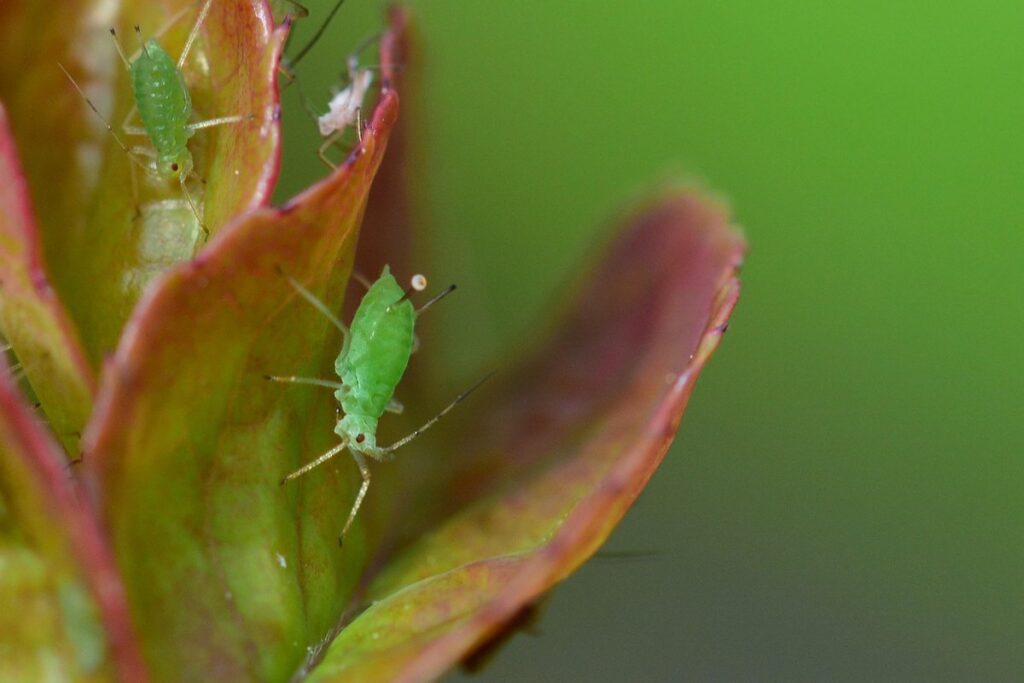
Aphids are small, soft-bodied insects that feed on plant sap, causing damage to rose plants. They are one of the most common pests affecting roses worldwide, and their infestations can be particularly problematic for rose gardeners.
Aphid life cycles consist of three stages: eggs, nymphs, and adults. The females typically lay eggs in protected areas, such as under leaves or on stems, which then hatch into nymphs after a few days. These nymphs go through several molts before reaching adulthood, during which they feed on plant sap and produce honeydew.
Aphids are a problem for rose gardeners because they can cause significant damage to the plants’ growth and development. They weaken the plant by sucking out its nutrients, making it more susceptible to disease and pests. Additionally, aphid infestations can lead to the production of sticky honeydew, which attracts other insects and promotes fungal growth.
If left unchecked, an aphid population can quickly spiral out of control, resulting in severe damage to your rose garden.
Common Types of Aphids Found on Roses
When it comes to aphid infestations on roses, there are several common species that target these beautiful flowers. One of the most prevalent types is the Green Rose Aphid (Aphis nerii), which is characterized by its green or yellowish color and long, slender body. These aphids feed on the plant’s sap, causing curled or distorted leaves.
Another type found on roses is the Apple Aphid (Aphis pomi), which has a similar appearance to the Green Rose Aphid but tends to be smaller in size. This species also feeds on the sap of plants, but it can also transmit diseases like powdery mildew and rust.
The Buckthorn Aphid (Aphis nasturtii) is another type that targets roses, particularly those with soft, tender leaves. These aphids are often found near the base of the plant, where they feed on the sap and secrete a sticky substance called honeydew.
To manage these pests, it’s essential to inspect your roses regularly for signs of infestation, such as curled or distorted leaves or a sticky, sweet-tasting substance on the plant. You can also use neem oil or insecticidal soap to control aphid populations and prevent further damage.
Identifying Aphid Infestations on Roses
To identify aphid infestations on roses, look for clusters of small, soft-bodied insects on the stems and leaves, as well as curled or distorted leaves. Check your rose plants carefully.
Visual Signs of an Aphid Infestation
When inspecting your rose bushes for aphids, there are several visual signs to look out for. One of the most common indicators is curled leaves. Aphid infestations can cause leaves to become distorted and develop a curled or twisted shape, making it difficult for photosynthesis to occur. This can be a clear sign that your roses are under attack.
Another telltale sign of an aphid infestation is the presence of sticky honeydew droplets on the leaves and stems of your rose bushes. Aphids secrete this sweet, sticky substance as they feed on the plant’s sap, which can attract other pests like ants and wasps. Look for a shiny, sticky residue on the surface of your roses – this could be a sign that you have an aphid problem.
In severe cases, aphid infestations can also cause leaves to turn yellow or drop prematurely, as the aphids feed on the plant’s sap and inject toxins into its tissues. Keep an eye out for these visual signs, especially during peak aphid season (usually spring and summer), to catch any potential problems before they become severe.
Checking for Hidden Pests
When inspecting your roses for aphid infestations, it’s essential to thoroughly check every nook and cranny. Aphids are notorious for hiding in plain sight, so don’t rely on visual inspections alone. Use a magnifying glass or hand lens to closely examine the undersides of leaves, stems, and buds.
Another effective method is to use insecticidal soap to flush out hidden aphid colonies. Mix a solution of 1 tablespoon of mild dish soap with 1 quart of water, and spray it directly on the plant’s foliage. This will help dislodge any aphids that are hiding in protected areas. Be sure to spray all surfaces, including the soil around the base of the plant.
When inspecting your roses, also keep an eye out for signs of aphid activity, such as sticky honeydew droplets or curled-up leaves. If you suspect an infestation, carefully remove any heavily infested stems and dispose of them immediately to prevent further spread.
The Impact of Aphids on Roses
Aphid infestations can quickly devastate your rose garden, causing curled leaves and distorted growth that’s not only unsightly but also vulnerable to disease. Understanding their impact is crucial for effective control.
How Aphids Affect Rose Health
When aphids infest rose plants, they can cause significant harm to their health. One of the most insidious effects is the transmission of plant viruses. Aphids can pick up these viruses from infected plants and transmit them to healthy ones as they feed on sap. This means that even if you have a robust rose care routine in place, an aphid infestation can still bring your blooms down.
Not only do aphids spread disease, but they also weaken the plant by siphoning off nutrients. As aphids feed, they excrete honeydew, which promotes fungal growth and further damages the plant. This can lead to reduced growth rates and lower yields of flowers. For instance, research has shown that severe infestations can reduce rose bush growth by up to 50%. To combat this, gardeners should inspect their plants regularly for signs of aphid activity and take swift action if an infestation is detected.
Keep in mind that not all aphids are created equal – some species, such as the rose aphid, are more likely to transmit plant viruses than others.
Common Pests that Target Aphids-Infested Roses
When aphids infest roses, they create an ideal environment for other pests to thrive. This is because aphid colonies secrete a sticky substance called honeydew, which attracts ants and other insects that feed on it. Ladybugs, or lady beetles, are often mistakenly believed to be beneficial when they’re actually a sign of a larger problem. They’re attracted to the aphids’ presence and can even cause more harm than good by releasing their eggs near the infested areas.
Other pests that may target roses infested with aphids include whiteflies, mealybugs, and spider mites. These insects feed on the plant’s sap, weakening it and making it vulnerable to disease. To prevent these secondary pests from taking over, monitor your rose bushes regularly for signs of infestation. Check the undersides of leaves, stems, and blossoms for eggs, larvae, or actual pest activity.
If you notice ants or ladybugs congregating around your roses, it’s likely that aphids are present too. Look for these insects in clusters near the base of the plant, on leaf veins, or at the tips of new growth.
Preventing Aphid Infestations on Roses
To keep your rose garden thriving, it’s essential to take proactive steps to prevent aphids from taking hold. Here are some simple yet effective tips for prevention.
Cultural Controls for Rose Gardens
To prevent aphid infestations in your rose garden, it’s essential to consider the cultural controls that can help deter these pests. Pruning is a crucial aspect of rose care that also helps in preventing aphid infestations. Regular pruning removes weak and damaged branches, which are more susceptible to aphid attacks. By removing these branches, you reduce the number of potential entry points for aphids.
Mulching around your roses can also help prevent aphids from thriving. Organic mulch like wood chips or bark helps retain moisture in the soil, reducing stress on the plant. This makes it less appealing to aphids, which are attracted to stressed plants. Physical barriers such as fine mesh or fine netting can be used to cover plants during peak aphid season.
It’s also essential to avoid overwatering, as this can lead to weak and leggy growth that’s more susceptible to aphid infestations. Instead, water your roses deeply but less frequently to encourage deep root growth.
Organic Methods for Managing Aphids
When it comes to managing aphid infestations on roses using organic methods, there are several effective approaches you can try. One popular option is neem oil, a natural insecticide derived from the seeds of the neem tree. Neem oil works by disrupting the aphids’ hormone systems, preventing them from reproducing and eventually killing them off. Mix 2-3% neem oil with water according to the product’s instructions and spray it on your roses as needed.
Another organic method for controlling aphids is horticultural soap. This gentle yet effective pesticide works by breaking down the aphid’s exoskeleton, ultimately causing them to dehydrate and die. To use horticultural soap, mix 1-2 tablespoons with water and spray it on your roses during the evening hours when the aphids are most active.
Beneficial insects like ladybugs and lacewings can also be introduced into your garden to help control aphid populations. These natural predators feed on aphids, providing a long-term solution for managing infestations. To introduce beneficial insects, purchase them from a reputable supplier and release them near your roses during the evening hours when they are most active.
Controlling Severe Aphid Infestations on Roses
If your rose bushes are under siege by severe aphid infestations, don’t worry – we’ll guide you through effective methods to restore balance and beauty back to your garden. In this section, learn how to tackle these pesky pests.
Chemical Controls for Aphid Management
When dealing with severe aphid infestations on roses, chemical controls can be an effective solution to manage the problem. Systemic pesticides are absorbed by the plant and distributed throughout its tissues, providing long-lasting protection against aphids. Examples of systemic pesticides include neonicotinoids like imidacloprid and dinotefuran, which can be applied as a soil drench or foliar spray.
Contact pesticides, on the other hand, kill aphids directly upon contact with the chemical. These can be in the form of sprays or dusts containing active ingredients such as pyrethroids (e.g., permethrin and deltamethrin) or organophosphates (e.g., malathion). While contact pesticides are effective, they often provide only short-term relief, requiring repeated applications to maintain control.
When choosing a chemical control method, consider the severity of the infestation, potential risks to beneficial insects and the environment, and the specific pesticide label instructions. Always follow Integrated Pest Management (IPM) principles by selecting the least toxic and most targeted approach possible, and taking necessary precautions to minimize exposure.
Biologically-Based Pest Control Methods
When dealing with severe aphid infestations on roses, many gardeners rely on chemical controls to get rid of the problem. However, these methods can be harsh on the environment and may even harm beneficial insects. If you’re looking for alternative approaches to manage aphids biologically, introducing natural predators or using parasites is a great place to start.
One effective way to introduce natural predators is by attracting ladybugs or lacewings to your rose garden. These beneficial insects feed exclusively on aphids, making them a perfect solution to the problem. To attract these predators, plant nectar-rich flowers like marigolds or cosmos near your roses. This will provide a food source for the ladybugs and lacewings, encouraging them to stay in the area.
Another method is using parasitic wasps, which lay their eggs inside the aphid’s body. When the larvae hatch, they feed on the aphid from the inside out, eventually killing it. These wasps are particularly effective against rose-specific aphids like the green peach aphid and the cotton aphid. To use these beneficial insects in your garden, purchase them from a reputable supplier or nursery and release them near affected areas.
By introducing natural predators or parasites into your rose garden, you can manage severe aphid infestations without relying on chemical controls. This approach not only reduces environmental harm but also promotes a balanced ecosystem where beneficial insects thrive alongside your roses.
Managing Aphid Resistance in Roses
If you’re struggling to keep your rose plants healthy, aphid resistance might be a major issue for you. Here’s how to identify and address it effectively.
Understanding Aphid Resistance Mechanisms
When aphids develop resistance to insecticides, it’s often a result of genetic mutation and gene flow. Genetic mutation occurs when an individual aphid’s DNA is altered, allowing them to survive exposure to a particular insecticide. This can happen naturally over time or as a result of repeated exposure to the same chemical.
Gene flow, on the other hand, refers to the exchange of genes between different populations of aphids. As resistant aphids mate and produce offspring with other aphids, their genetic traits are passed down. If these resistant traits are advantageous in an environment where a particular insecticide is commonly used, they will become more prevalent over time.
Understanding how aphid resistance develops can help you manage it effectively. For instance, if you notice that your rose plants are becoming increasingly susceptible to aphid infestations despite repeated treatments with the same insecticide, consider switching to a different product or rotating between multiple chemicals to minimize the risk of developing resistant populations.
Strategies for Rotating Insecticides on Rose Gardens
When it comes to managing aphid populations on rose gardens, rotating between different classes of insecticides is crucial to prevent resistance buildup. Resistance occurs when aphids adapt to a particular insecticide, rendering it ineffective over time. To stay ahead of this problem, consider the following rotation strategies:
* Group 1-4: Pyrethroids and Organophosphates: These two groups are commonly used for rose garden pest management. Rotate between these classes every 2-3 applications to prevent aphids from adapting.
* Organic alternatives: If you prefer organic methods, consider using neem oil or horticultural oil as a complement to other classes of insecticides.
* Monitor and adjust: Regularly monitor your rose garden’s pest population and adjust your rotation strategy accordingly. Be prepared to switch between different classes if aphid populations show resistance.
Remember to always follow the recommended application rates, timing, and safety precautions when using any pesticide. Keep in mind that a well-designed integrated pest management (IPM) plan will also include non-chemical methods like introducing beneficial insects or practicing good garden hygiene.
Frequently Asked Questions
Can I use neem oil to control aphids on roses, even if they’re already infested?
Yes, neem oil is a popular organic method for managing aphid populations. However, it’s essential to apply it when the aphid population is still manageable to avoid killing beneficial insects that prey on them. Mix 2-3% neem oil with water and spray it on affected areas during early morning or evening to minimize damage.
How long does it take for an infestation to become severe?
The severity of an infestation depends on various factors, including the size of your rose garden, climate, and type of aphids. Generally, if left unchecked, aphid populations can double every 7-10 days, leading to significant damage within a few weeks. Monitor your plants regularly for signs of infestation and take action as soon as possible.
Can I use integrated pest management (IPM) techniques for long-term control?
Yes, IPM is an effective strategy for managing aphid populations in the long term. This approach combines cultural controls (e.g., pruning, sanitation), biological controls (e.g., introducing natural predators), and chemical controls to minimize damage and prevent resistance buildup.
What are some common mistakes rose gardeners make when trying to control aphids?
Common mistakes include using broad-spectrum insecticides that harm beneficial insects, not addressing underlying issues like poor plant nutrition or inadequate pruning, and failing to monitor for hidden pests. Regularly inspect your plants for signs of infestation and address the root cause to prevent re-infestation.
How do I rotate insecticides to avoid building up resistance?
Rotate insecticides by alternating between different classes (e.g., neonicotinoids, pyrethroids) or modes of action (e.g., contact, systemic). Also, consider using biologically-based pest control methods like introducing natural predators or parasites that prey on aphids. This approach can help reduce the risk of developing resistant populations and minimize chemical use.