
If you’re growing hollyhock plants, chances are you’ve encountered the unwelcome sight of rust disease. This common issue affects many types of plants, but it can be particularly frustrating when it hits your beautiful hollyhocks. Rust on hollyhocks is more than just a cosmetic problem – it can weaken the plant and even lead to its demise if left untreated.
In this article, we’ll explore the causes of rust disease on hollyhocks, as well as some effective prevention methods to keep it at bay. We’ll also dive into treatment options, including home remedies that use natural ingredients like baking soda and neem oil, as well as chemical controls for more severe cases. Whether you’re a seasoned gardener or just starting out, this guide will provide you with the knowledge and tools needed to tackle rust on hollyhocks effectively and keep your plants healthy and thriving.
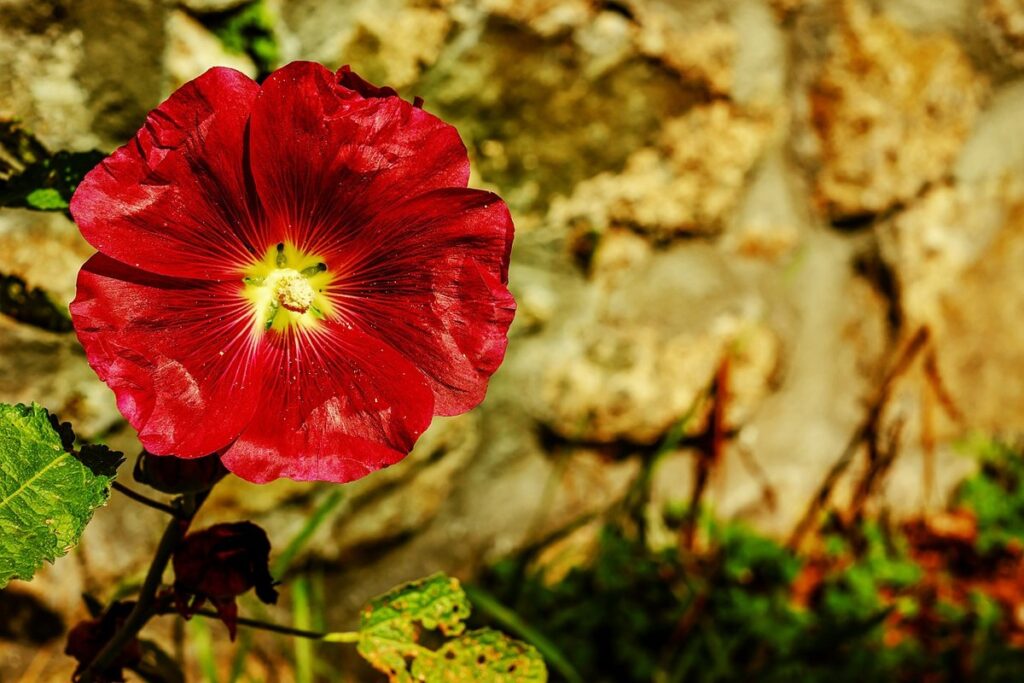
What is Rust on Hollyhocks?
If you’re new to gardening, you might be wondering what rust on hollyhocks looks like and how it affects your plants, so let’s start with the basics.
Definition of Rust on Hollyhocks
Rust on hollyhocks is a type of fungal disease that affects these beautiful flowers. It’s caused by various species of fungi in the genus Puccinia and Uromyces, which thrive in moist conditions. When rust spores land on hollyhock leaves or stems, they germinate and begin to feed on the plant’s sap. This leads to the formation of yellow or orange spots that eventually turn brown.
As rust progresses, it can cause significant damage to hollyhock plants, weakening their structure and making them more susceptible to other diseases. If left untreated, rust can even lead to defoliation and reduced blooming. In severe cases, rust can also spread to other nearby plants through contaminated water or soil.
To identify rust on your hollyhocks, look for small, yellowish spots that appear on the undersides of leaves. These spots often have a powdery or fuzzy texture. As the disease progresses, these spots will turn brown and may eventually drop off.
Symptoms of Rust on Hollyhocks
Rust on hollyhocks can manifest itself in several distinct ways, making it crucial to be aware of these visual symptoms. Initially, you may notice yellowing leaves that are more pronounced around the base of the plant. As the disease progresses, small black spots or patches will begin to form on the leaves and stems. These spots can grow larger and darker over time.
In advanced stages, a powdery appearance will often cover affected areas, giving the plant an unhealthy, dusty look. Rust spores are usually visible as white or pale yellowish specks scattered across the leaves’ surface. When identifying rust in its early stages, it’s essential to inspect the undersides of leaves and stems carefully.
To accurately diagnose the issue, compare your hollyhocks with a healthy plant. Note the presence of any black spots, powdery patches, or discolored areas on your plant. Observe if these symptoms are confined to one specific area or widespread across the entire plant. By doing so, you’ll gain insight into the severity and progression of rust infection.
Causes and Contributing Factors
Rust on hollyhocks can be caused by a combination of factors, including excessive moisture, poor air circulation, and certain soil conditions. Understanding these underlying causes is key to effectively treating the issue.
Overwatering: A Common Culprit
Overwatering is one of the most common mistakes gardeners make, and it can have severe consequences for hollyhocks. When you water your plants excessively, the soil becomes waterlogged, creating an ideal environment for rust to develop. Rust thrives in damp conditions, feeding on the plant’s sap and causing damage to its leaves and stems.
To prevent overwatering, it’s essential to establish a proper watering schedule. Check the soil moisture by inserting your finger into the soil up to the first knuckle. If the soil feels dry, it’s time to water. Avoid getting water on the leaves or crown of the plant, as this can encourage rust growth.
Adequate drainage is also crucial in preventing waterlogged soil. Make sure your pots have proper drainage holes and that the soil has good aeration. Mulching around the base of your hollyhocks can help retain moisture while keeping the soil dry on the surface.
By adopting these simple habits, you can significantly reduce the risk of rust developing on your hollyhocks. Remember, it’s always better to err on the side of caution when watering your plants, as overwatering is a common culprit in rust development.
Poor Air Circulation
Poor air circulation is one of the primary factors that contribute to rust disease on hollyhocks. When the air around your plants doesn’t circulate properly, moisture becomes trapped, creating an ideal environment for fungal spores to develop and spread. In fact, research has shown that rust diseases are most prevalent in areas with high humidity and low air movement.
To improve air circulation around your hollyhock plants, start by pruning any nearby vegetation that may be blocking airflow. Cut back shrubs or trees that are growing too close to your hollyhocks, allowing at least 12-18 inches of clearance between the two. Staking your hollyhocks can also help promote better air circulation, as it lifts the foliage and allows air to pass through more easily. Simply drive stakes into the ground about 6 inches away from the base of each plant, then gently tie the stems to them using soft ties or twine.
By implementing these simple techniques, you can significantly reduce the risk of rust disease on your hollyhocks. Regular pruning and staking will not only improve air circulation but also promote healthy growth and development in your plants.
Prevention Methods
Now that we’ve covered what causes rust on hollyhocks, let’s dive into some effective methods to prevent it from happening in the first place. We’ll explore strategies for maintaining healthy plants.
Regular Monitoring
Regular monitoring is crucial to prevent rust from taking hold on your hollyhocks. Inspect your plants at least once a week during the growing season, looking for signs of rust such as yellowing leaves, black spots, or powdery patches on stems and leaves.
Start by walking around your garden, gently lifting up large leaves to check for any signs of infection underneath. Use a magnifying glass or hand lens to examine affected areas more closely. If you notice any suspicious growths or lesions, take note of their location and the extent of damage.
Keep in mind that rust can spread quickly through rainwater, irrigation systems, or even by nearby infected plants. By catching it early, you may be able to prevent the infection from spreading further. Regular monitoring also allows you to address minor issues before they become major problems, saving you time and effort in the long run.
Crop Rotation and Sanitation
Crop rotation is one of the most effective methods for preventing soil-borne diseases like rust. By changing the location where you grow your hollyhocks each season, you reduce the chances of reinfecting the same spot with fungal spores that can spread rust. For example, if you’ve grown hollyhocks in a particular bed and they contracted rust, it’s best to wait for at least two years before replanting in the same area.
Sanitation practices are also crucial in preventing the spread of rust. Remove any infected leaves or stems from your hollyhock plants as soon as possible to prevent the fungus from spreading to other parts of the plant. Dispose of these infected materials by sealing them in a plastic bag and throwing them away, rather than composting them where they can potentially reinfect other plants.
To keep your garden clean and healthy, establish a routine of regularly inspecting your hollyhocks for signs of rust and taking action before it spreads further. This might involve disinfecting tools with a fungicide after handling infected plants, as well as ensuring good air circulation around the affected areas to help prevent the spread of spores.
Treatment Options
Now that we’ve discussed the causes and prevention methods of rust on hollyhocks, let’s explore the various treatment options available to save your plants from further damage. We’ll break down each method in detail.
Home Remedies: Using Inert Materials
When it comes to treating rust on hollyhocks using home remedies, incorporating inert materials can be an effective approach. Neem oil is one such substance that can help control rust. It’s a natural fungicide and insecticide that can be applied directly to the affected areas. Mix neem oil with water according to the label instructions and spray it on the hollyhock leaves and stems. This will not only prevent further rust but also repel insects that may be contributing to the problem.
Another inert material you can use is sulfur. When mixed with water, sulfur creates a solution that’s effective in controlling fungal diseases like rust. However, be cautious when using sulfur as it can burn plant tissues if applied undiluted. Mix 1 tablespoon of sulfur powder with 1 gallon of water and spray the solution on the affected areas.
Bicarbonate, commonly known as baking soda, is another home remedy that can help control rust. It’s a mild acid that can raise the pH level of the soil, making it less favorable for fungal growth. Mix 1 tablespoon of bicarbonate with 1 gallon of water and spray it on the hollyhock leaves and stems. This will not only help control rust but also provide a gentle cleaning action to remove any dirt or debris.
Chemical Controls
Chemical controls can be an effective way to manage rust on hollyhocks, but it’s essential to use them judiciously. Fungicides containing products like copper, sulfur, or neem oil can help control the spread of rust by killing the fungi that cause it.
When deciding whether to use chemical controls, consider the severity of the infestation and the potential risks involved. For example, some fungicides can be toxic to beneficial insects, such as bees and butterflies, so make sure to choose a product that is safe for these pollinators. Always follow the label instructions carefully and take necessary precautions when applying.
For best results, apply chemical controls in early spring or late summer/early fall when new growth emerges. This timing helps prevent rust from forming on new leaves and stems. Regularly inspect your plants and reapply as needed to maintain control over the infestation.
Organic Control Methods
When dealing with rust on hollyhocks, you may be looking for organic methods that are gentle on your plants and the environment. We’ll explore some effective control methods in this section.
Companion Planting
Companion planting is an effective way to prevent rust on hollyhocks without resorting to chemicals. This natural method involves pairing your hollyhock plants with certain species that deter disease-causing pathogens, making it a great addition to your holistic approach to rust control.
Some plants are naturally more resistant to rust than others and can help protect their neighboring hollyhocks. These include garlic, marigold, and nasturtiums. Planting these companions around the base of your hollyhocks can create a barrier that prevents rust spores from taking hold.
Garlic is particularly effective at repelling rust due to its sulfur content, which inhibits fungal growth. Marigolds release chemicals that interfere with the development of rust pathogens, while nasturtiums secrete a substance called calceolin, which has antifungal properties. Simply plant these companions around your hollyhocks and enjoy a healthier, more resilient crop as a result.
Biological Controls: Using Beneficial Fungi
When it comes to controlling rust disease on hollyhocks, many gardeners are turning to biological controls that work with nature rather than against it. One of the most effective and environmentally friendly methods is using beneficial fungi like Trichoderma.
These microorganisms can be applied directly to the affected areas or incorporated into the soil to create a protective barrier around the roots. As they colonize the plant, they break down fungal pathogens and outcompete rust-causing organisms for resources. This approach not only reduces chemical use but also fosters a healthier microbial balance in your garden ecosystem.
Some popular species of Trichoderma used in biological control include T. harzianum and T. koningii. These strains have been shown to reduce rust severity by up to 80% when applied correctly. To get started, mix the beneficial fungi with water according to the manufacturer’s instructions and spray it directly onto the affected leaves or stems. For a more targeted approach, apply a fungicide-impregnated paper tape to the infected areas – this allows the Trichoderma to colonize the wound site without being washed away by rain or irrigation.
Remember that biological controls are most effective when used preventatively and in combination with good garden hygiene practices, such as removing infected leaves and maintaining optimal watering schedules. By leveraging the power of beneficial fungi like Trichoderma, you can create a balanced ecosystem that supports healthy plant growth while minimizing chemical exposure.
Preventing Rust Recurrence
Now that you know how to treat rust on your hollyhocks, let’s focus on preventing it from coming back. This section will cover some simple steps to keep rust at bay for good.
Pruning and Sanitation Practices
Pruning infected areas is crucial to preventing rust from recurring. When removing affected leaves or stems, make sure to disinfect your tools between cuts using a solution of 1 part bleach to 10 parts water. This helps prevent the spread of the disease. Dispose of the infected material by bagging it and disposing of it in your regular trash.
Regular pruning also promotes air circulation around the plant, which is essential for preventing rust. Remove any weak or damaged growth to maintain the hollyhock’s overall health and vigor. By doing so, you’ll reduce the likelihood of fungal spores developing and causing further infection.
In addition to pruning, maintaining good sanitation practices is vital in preventing rust recurrence. Avoid overcrowding your garden beds, as this can lead to moisture accumulation, creating an ideal environment for fungi to thrive. Regularly inspect your plants for signs of rust, and take prompt action by removing any infected areas to prevent the disease from spreading. By combining pruning with proper sanitation techniques, you’ll significantly reduce the risk of rust recurring on your hollyhocks.
Long-Term Solutions: Improving Soil Health
Improving soil health is key to preventing rust disease on hollyhocks in the long term. This can be achieved by adding organic matter to the soil, which helps to create a balanced ecosystem that promotes healthy plant growth. Consider incorporating compost or well-rotted manure into your garden bed, as these will provide essential nutrients and improve the soil‘s structure.
Maintaining proper pH levels is also crucial for preventing rust disease. Most hollyhocks prefer slightly acidic to neutral soils, with a pH between 6.0 and 7.0. If your soil is too alkaline or acidic, this can lead to an imbalance in nutrient availability, making your plants more susceptible to rust.
To ensure optimal soil conditions, test the pH of your garden bed regularly. Based on the results, take steps to adjust it if necessary. This might involve adding lime to raise the pH or sulfur to lower it. By addressing these underlying issues and creating a healthy environment for your hollyhocks to thrive in, you’ll be well on your way to preventing rust disease from recurring.
Frequently Asked Questions
Can I still use neem oil on my hollyhocks if they have severe rust damage?
Yes, you can still use neem oil as a treatment method for rust on your hollyhocks, even if the damage is severe. However, it’s essential to carefully follow the instructions and dilute the neem oil according to the recommended ratio to avoid burning the plant’s leaves.
How often should I inspect my hollyhock plants for signs of rust?
Regular monitoring is crucial in preventing the spread of rust on your hollyhocks. We recommend inspecting your plants every 7-10 days, especially during periods of high humidity or rainfall. This will allow you to catch any early signs of rust and take prompt action to prevent further damage.
Can companion planting really help prevent rust on my hollyhocks?
Yes, companion planting can be an effective way to reduce the incidence of rust on your hollyhocks. Certain plants like marigold, calendula, and thyme have natural antifungal properties that can help repel spores and prevent infection. However, it’s essential to research which companion plants are best suited for your specific growing conditions.
How long does it take for home remedies to show results on treating rust on hollyhocks?
The effectiveness of home remedies like baking soda or neem oil in treating rust on hollyhocks can vary depending on the severity of the infection and the method used. Generally, you may start seeing improvement within 7-14 days after application, but it’s not uncommon for more severe cases to require multiple treatments over a longer period.
Can I use fungicides as a treatment option if my hollyhocks have rust?
Yes, fungicides can be an effective treatment option for rust on your hollyhocks, especially in more severe cases. However, it’s essential to choose a product that is specifically labeled for control of rust disease and follow the instructions carefully to avoid harming your plants. Additionally, consider integrating organic control methods into your long-term strategy to prevent recurrence.