
Parsley is one of those lovely herbs that adds freshness to our meals, but its rapid growth can sometimes become a problem. You’ve probably experienced it before: your parsley plant starts growing at an alarming rate, and before you know it, it’s bolted – gone from a lush, leafy green to a flower stalk in no time. Bolting isn’t just unsightly; it also affects the flavor of your herbs and can lead to reduced yields.
Preventing parsley bolting requires understanding its causes and factors that contribute to this rapid growth. Light, temperature, watering, and soil conditions all play crucial roles in keeping your parsley plant healthy and productive. In this article, we’ll delve into these critical areas and provide expert tips on how to prevent parsley bolting. By the end of it, you’ll be equipped with the knowledge necessary to grow luscious, flavorful parsley throughout the season, ensuring a constant supply for your kitchen creations.
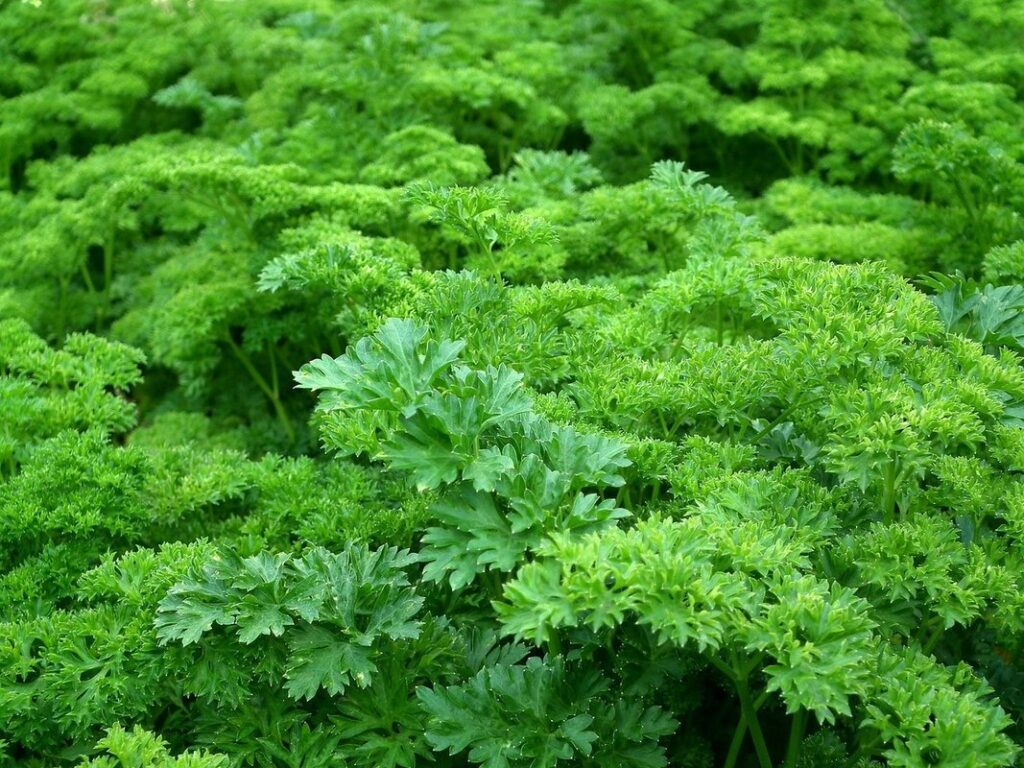
Understanding Parsley Bolts
When your parsley plant suddenly decides to bolt, it can be a bit puzzling. In this part of our guide, we’ll break down what causes bolting and its effects on your crop.
What Are Parsley Bolts?
Parsley bolts are an all-too-familiar issue for many gardeners and cooks. They’re essentially a sign that your parsley plant is going to seed prematurely, which can be triggered by various factors such as stress, heat, or nutrient deficiencies.
Common symptoms of parsley bolts include yellowing or browning leaves, stunted growth, and premature flowering. If you notice any of these signs, it’s likely that your plant is struggling with the transition from vegetative to reproductive growth. This not only affects the appearance of your parsley but also its flavor and nutritional value. As a plant goes into bolt mode, the essential oils responsible for its distinctive taste and aroma begin to break down, resulting in a less palatable crop.
To put this into perspective, consider that parsley bolts can occur as early as 20-30 days after sowing, which is significantly sooner than you’d want your crop to go to seed. This not only reduces the yield but also diminishes the plant’s overall quality. Understanding what causes parsley bolts and how they impact your harvest is crucial for preventing them in the first place, which we’ll cover in more detail later on.
Causes of Parsley Bolts
Parsley bolting is often the result of environmental factors that stress out your plant. One primary cause is insufficient light. When parsley doesn’t receive enough light, it can’t produce chlorophyll efficiently, leading to an overproduction of ethylene gas, which triggers bolting. To prevent this, ensure your parsley plants are placed in a spot with bright, direct sunlight or consider supplementing with grow lights.
Another common cause is temperature fluctuations. Parsley prefers temperatures between 60°F and 70°F (15°C and 21°C). Avoid exposing your plants to extreme temperature variations, which can shock them into bolting. If you live in an area with unpredictable weather, consider providing protection for your parsley during cold snaps or heatwaves.
Waterlogged soil is another issue that can lead to bolting. Parsley doesn’t like wet feet, so make sure the soil drains well and avoid overwatering. This will prevent root rot and allow your plant to focus on healthy growth rather than attempting to bolt.
Nutrient deficiencies, particularly a lack of nitrogen or potassium, can also cause parsley to bolt. Regularly test your soil to identify any nutrient gaps and address them with balanced fertilizers. Finally, be on the lookout for pests like aphids and spider mites that can weaken your plants, making them more susceptible to bolting.
Nutrient deficiencies can be addressed by using a balanced fertilizer containing nitrogen and potassium. Regular testing of your soil will help you identify these issues before they become major problems.
Factors Contributing to Parsley Bolts in Home Gardens
As you tend to your parsley plants, it’s essential to understand what causes them to bolt prematurely, including factors like weather fluctuations and poor soil quality. Let’s dive into these contributing elements.
Weather Conditions and Climate
Parsley bolts can be triggered by weather conditions that are either too extreme or unpredictable. Sudden temperature changes, for instance, can shock the plant and cause it to bolt prematurely. If your parsley is suddenly exposed to an unseasonable heatwave or a frost, it may think it’s nearing the end of its life cycle and produce flowers as a last-ditch effort.
Droughts can also contribute to parsley bolting, as stressed plants are more likely to bolt than those receiving adequate moisture. Conversely, excessive rainfall can cause root rot, which can lead to parsley bolting as well.
When growing parsley, it’s essential to consider the climate and regional factors that may impact your specific area. If you live in a region with extreme temperature fluctuations or limited water supply, choose a heat-tolerant or drought-resistant variety of parsley.
Keep an eye on weather forecasts during periods when parsley is most susceptible to bolting, typically in late spring and early summer.
Soil Quality and Nutrient Availability
Maintaining optimal soil quality is crucial to preventing parsley from bolting. Soil pH levels can significantly impact nutrient availability for your parsley plants. Most leafy greens like parsley thrive in slightly acidic to neutral soil pH, ranging from 6.0 to 7.0. If your soil’s pH is too high or low, it may limit the absorption of essential nutrients.
To address this issue, consider incorporating nutrient-rich fertilizers into your gardening routine. Organic matter content can greatly enhance the fertility and structure of your soil. Add compost or well-rotted manure to increase the organic matter in your soil. Aim for a mix that contains a balanced blend of nitrogen, phosphorus, and potassium (NPK) to provide optimal nutrients for healthy parsley growth.
For example, using a fertilizer with an NPK ratio of 5-3-2 can help promote leafy green growth while maintaining root development. Keep in mind that excessive fertilization can also lead to bolting. Aim for regular but balanced nutrient applications to support your parsley’s long-term health.
Identifying and Controlling Parsley Bolts
To effectively prevent parsley bolts, you need to be able to recognize them early on, which is where identifying the signs comes in. Here are some key indicators of a parsley bolt.
Early Detection and Prevention Strategies
Early detection is key when it comes to preventing parsley bolts. To catch these unwanted events early on, make it a habit to regularly inspect your plants for signs of bolting. Look out for the characteristic upright growth and flower stalks that emerge from the center of the plant. If you notice any of these symptoms, take action immediately.
Another effective way to monitor your parsley’s performance is to keep a garden journal. Record the date you planted each batch, note the weather conditions, and track any signs of bolting. This will help you identify patterns and make informed decisions for future crops. For instance, if you notice that a particular variety tends to bolt more frequently in warmer temperatures, you can take steps to provide some shade or adjust your planting schedule.
In addition to monitoring, implementing preventative measures such as mulching and pruning can go a long way in preventing parsley bolts. Mulch helps retain moisture in the soil, reducing stress on the plants, while pruning encourages bushy growth and discourages bolting. For example, try removing any flower stalks that emerge as soon as you notice them to redirect the plant’s energy towards leaf production.
Management Techniques for Established Plants
When you notice bolts starting to form on established parsley plants, it’s essential to act quickly to prevent them from producing seeds and taking energy away from the rest of the plant. One effective method is pruning or pinching off flower stalks as soon as they appear. This will not only stop the plant from flowering but also encourage it to focus its energy on leaf growth.
To be more precise, remove any bolted stems at their base with a pair of scissors or pinch them off just above a node using your fingers. Make sure to do this regularly, ideally every few days, as new bolts can form quickly. Adjusting the watering schedule may also help in reducing parsley bolting. Avoid overwatering, which can stress the plant and encourage it to bolt.
Applying growth regulators is another option to control parsley bolting. These chemicals mimic the natural plant hormones that regulate growth and development. They work by inhibiting the production of ethylene gas, a hormone that promotes flowering and seed production in plants. However, use them with caution as they can have unintended consequences on plant health if not used properly.
Optimizing Growing Conditions to Prevent Parsley Bolts
To prevent parsley bolts, it’s essential to optimize your growing conditions, which include factors like temperature, light, and watering. Let’s dive into how you can create a perfect environment for your parsley to thrive.
Optimal Light and Temperature Requirements
When it comes to growing parsley, understanding the optimal light and temperature requirements is crucial to prevent bolting. Parsley prefers partial shade to full sun, but direct sunlight can cause stress leading to bolted growth. Aim for 4-6 hours of indirect sunlight per day, or provide filtered sunlight through sheer curtains.
Daytime temperatures between 60°F to 70°F (15°C to 21°C) are ideal for parsley growth. Avoid placing your parsley plants in areas with intense heat, such as near radiators or direct sunlight streams that can reach extreme temperatures. Nighttime temperatures should be around 55°F to 65°F (13°C to 18°C), which is cooler than the daytime temperature but still suitable for healthy growth.
If you’re growing parsley outdoors, choose a location with dappled shade or morning sun to afternoon shade. This will provide your plants with the right amount of light without causing excessive heat stress. By maintaining optimal temperatures and providing suitable light conditions, you’ll be one step closer to preventing parsley bolts and enjoying a bountiful harvest of fresh, healthy parsley.
Watering Strategies and Soil Moisture Management
Maintaining optimal soil moisture levels is crucial to prevent parsley from bolting. Overwatering can be just as detrimental as underwatering, causing stress that leads to bolted growth. The ideal approach lies in striking a balance between the two extremes.
To begin with, it’s essential to understand how frequently to water your parsley plants. A general rule of thumb is to provide about 1-2 inches of water per week, either from rainfall or irrigation. However, this may vary depending on factors like climate, soil type, and plant age. For instance, if you’re growing parsley in a hot, dry environment, you’ll need to increase the frequency of watering.
Mulching is another effective technique for managing soil moisture. Organic mulches such as wood chips or straw help retain water, reduce evaporation, and regulate soil temperature. Aim to apply a 2-3 inch layer around your parsley plants, keeping it at least an inch away from the base of the stems.
Regular soil aeration also plays a vital role in maintaining healthy soil moisture levels. This can be achieved through techniques like hand tilling or using a fork to gently loosen the top 6 inches of soil. By doing so, you’ll improve drainage and prevent waterlogged conditions that promote bolting.
Varieties Resistant to Bolting: An Overview
If you’re tired of dealing with bolting parsley, there are several varieties that naturally resist bolt formation, offering a more reliable harvest. Let’s take a look at these resistant options.
Understanding Genetic Predisposition
When it comes to preventing parsley bolts, understanding genetic predisposition is crucial. Some parsley varieties are more resistant to bolting due to their genetic makeup. This means that certain characteristics, passed down from parent plants, make them less prone to flowering and going to seed.
For example, ‘Flat-Leaf’ or ‘Italian’ parsley varieties tend to be more resistant to bolting than the ‘Curly-Leaf’ type. This is because they have a slower growth rate and are less likely to produce flowers. In contrast, ‘Curly-Leaf’ parsley is bred for its unique appearance and has a shorter growing season, which can lead to premature flowering.
To identify bolt-resistant varieties, look for plants that are bred specifically for their resistance to bolting. These varieties often have a slower growth rate or are grown as perennials rather than annuals. When selecting seeds or seedlings, research the specific variety you’re interested in and its propensity for bolting. This knowledge will help you choose the best parsley variety for your garden and reduce the likelihood of premature flowering.
Identifying and Selecting Bolt-Resistant Varieties
When it comes to preventing parsley bolts, selecting the right variety can make all the difference. Not all parsley varieties are created equal when it comes to bolt resistance. Some cultivars are bred specifically for their ability to resist bolting, while others may be more prone to it.
To identify and select bolt-resistant varieties, start by researching different cultivars. Look for keywords like ‘slow-bolting’ or ‘bolt-tolerant’ in the variety name or description. You can also consult with gardening experts or visit nurseries that specialize in herbs. They often have knowledge of which varieties perform best in your region’s climate and conditions.
Some popular bolt-resistant parsley cultivars include ‘Parisienne’, ‘Crisp Curled’, and ‘Italian Flat-Leaf’. These varieties are bred to produce fewer flowers and therefore, less seed, reducing the likelihood of bolting. Keep in mind that even with these varieties, proper growing conditions and care can still contribute to bolting.
Additional Tips for Success: Combining Techniques for Maximum Results
To maximize your chances of preventing parsley bolts, you’ll want to combine some expert-approved techniques that complement one another beautifully. Let’s explore these essential pairing strategies together!
Case Studies and Real-Life Examples
Let’s take a look at some real-life examples of successful parsley cultivation that have successfully prevented bolting. For instance, in a study conducted by the University of California, it was found that using a combination of high temperatures and long day lengths resulted in significantly reduced bolting in curly-leafed parsley varieties. This can be replicated at home by providing your parsley with 18 hours of daylight or using grow lights to simulate this effect.
Another example comes from a well-known organic farm in the US, which has reported successful prevention of parsley bolting through the use of row covers and timely harvesting. By covering their parsley plants during peak heat periods and regularly pruning them back to encourage new growth, they’ve managed to reduce bolting by up to 70%. This emphasizes the importance of using multiple techniques in conjunction with one another for optimal results.
By combining these techniques, you too can minimize parsley bolting in your own garden or indoor space.
Creating a Balanced Growing Environment
Creating a balanced growing environment is crucial for preventing parsley bolts. This involves considering several factors that can impact the health and stability of your parsley plants. Let’s start with soil quality – a well-draining, fertile soil mix can help prevent waterlogged conditions that lead to bolting.
When it comes to light exposure, ensure your parsley plants receive partial shade, especially in warmer climates. Direct sunlight for extended periods can cause stress, triggering the plant to bolt prematurely. Aim for 4-6 hours of indirect sunlight per day.
Temperature fluctuations can also contribute to bolting. Parsley prefers cooler temperatures between 60°F and 70°F (15°C and 21°C). Avoid placing your parsley plants in areas with drafts or near heating vents. Watering schedules are another crucial aspect – consistent moisture levels can help prevent stress, which often leads to bolting.
To achieve a balanced growing environment, consider implementing a consistent watering schedule, monitoring soil temperature, and adjusting light exposure accordingly. For example, if you notice your parsley plants showing signs of stress due to excessive sunlight, provide them with some shade during the hottest part of the day. By doing so, you can create an optimal environment for healthy growth and prevent bolting.
Frequently Asked Questions
Can I still harvest parsley leaves even after it has bolted?
Yes, you can still use the bolts as a last resort for fresh herbs. However, be aware that bolting significantly reduces the flavor and aroma of the leaves, making them less ideal for culinary purposes.
What are some immediate actions to take when I notice my parsley plant starting to bolt?
Immediately stop watering your parsley plant for 2-3 days, reduce its exposure to direct sunlight by providing shade (if possible), and ensure it’s not suffering from nutrient deficiencies. This can help slow down the bolting process.
How can I identify which variety of parsley is more prone to bolting in my garden?
Look for signs such as rapid growth, yellowing or browning leaves, and an increase in flowering stems. Some popular varieties like ‘Flat-Leaf’ and ‘Curled Leaf’ are generally less susceptible to bolting compared to others.
What’s the ideal growing temperature range for parsley to prevent bolting?
Parsley thrives between 60°F (15°C) and 70°F (21°C), making it an excellent choice for temperate climates. Temperatures above 75°F (24°C) can trigger stress, leading to increased risk of bolting.
How often should I check my parsley plant for signs of nutrient deficiencies that might contribute to bolting?
Regularly inspect your plants every 1-2 weeks, especially during peak growing seasons or when weather conditions become extreme. This proactive approach will allow you to address potential issues before they lead to bolting and reduced yields.