
If you’re a hosta enthusiast like me, you’ve probably encountered this frustrating problem at some point: a once-thriving hosta plant starts to decline and eventually dies due to crown rot. It’s a common issue that can catch even the most experienced gardeners off guard. But don’t worry, I’m here to help you identify the signs of crown rot in hostas and provide guidance on how to treat it effectively. From prevention methods to treatment options, we’ll cover everything you need to know to keep your hosta plants healthy and thriving. In this article, we’ll dive into the world of hosta care, exploring the root cause (literally!) of crown rot and what you can do to prevent it from taking over your garden.
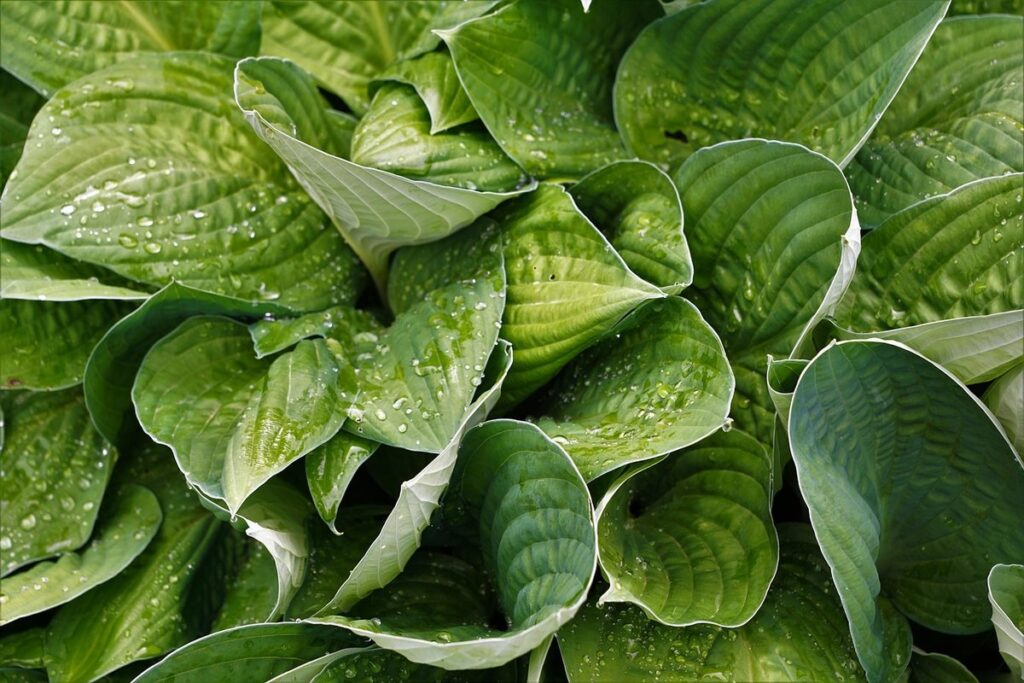
Understanding Crown Rot in Hostas
Crown rot is a common issue affecting hosta plants, caused by a variety of factors that can be controlled and managed. Let’s break down what you need to know about this problem.
What is Crown Rot?
Crown rot is a serious issue for hosta gardeners to contend with. This type of root disease specifically targets the rhizome, causing damage that can lead to plant decline and even death if left untreated. To understand what’s at stake, it’s essential to know how crown rot differs from other types of root diseases.
Unlike collar rot or stem rot, which primarily affect the hosta’s base and stems respectively, crown rot specifically targets the rhizome – the part of the plant where new shoots and leaves emerge. When infected with crown rot, the rhizome becomes damaged, causing the plant to weaken and eventually collapse. This decline can be gradual or sudden, depending on various factors such as climate, soil conditions, and the extent of the infection.
Some common symptoms of crown rot include yellowing or browning leaves, softening of the rhizome, and a sour smell emanating from the affected area. If you suspect your hosta is suffering from crown rot, it’s crucial to take immediate action – we’ll explore treatment options in a subsequent section.
Causes of Crown Rot
Hosta plants are susceptible to crown rot, a condition that can be fatal if not addressed promptly. Understanding the causes of crown rot is essential for preventing and treating this issue. Overwatering is one of the most common causes of crown rot in hostas. When the soil is consistently waterlogged, it creates an ideal environment for fungal pathogens to thrive. This can lead to root rot, which in turn causes the crown to decay.
Poor drainage is another contributing factor to crown rot. If the potting mix doesn’t allow excess water to escape, the roots will begin to rot, causing the plant’s crown to deteriorate. Contaminated soil can also cause crown rot, as pathogens like Phytophthora and Pythium can survive in the soil for extended periods.
Fungal pathogens are responsible for crown rot in hostas, with species such as Fusarium and Thielaviopsis being particularly problematic. These pathogens can enter the plant through wounds or weakened areas, causing the crown to decay rapidly.
Symptoms of Crown Rot in Hostas
If you suspect crown rot is affecting your hostas, it’s essential to recognize the warning signs early on. Look for these telltale symptoms that indicate a potential problem.
Visual Signs of Crown Rot
When examining your hosta for signs of crown rot, it’s essential to look out for visual cues that indicate a problem. One of the first noticeable symptoms is yellowing or browning leaves, which can be a sign that the roots are struggling to absorb water and nutrients from the soil. However, this symptom alone doesn’t necessarily confirm crown rot.
A more telling indication of crown rot is the softening of the crown itself. The crown is the thick, fleshy base of the hosta plant where new growth emerges each spring. When crown rot sets in, you may notice that the crown becomes mushy or squishy to the touch, often developing a distinctive sweet, musty odor.
If you suspect crown rot, carefully inspect your hosta’s crown for these characteristics. Gently press on the crown with your fingers; if it feels soft and spongy rather than firm, it may be affected by crown rot. This is often accompanied by a strong, unpleasant smell that can be an unmistakable sign of root decay.
Impact on Plant Growth
When crown rot sets in, it can wreak havoc on the growth of your beloved hostas. One of the first noticeable signs is a reduction in leaf size. As the disease progresses, leaves may become smaller and more brittle, eventually dropping off the plant altogether. This can be disheartening, especially if you’ve spent years cultivating these beautiful plants.
Another effect of crown rot on plant growth is stunted development. Infected hostas may struggle to reach their full height or spread, resulting in a less-than-expected display of foliage. This is because the roots are being compromised, making it difficult for the plant to absorb essential nutrients and water.
In severe cases, crown rot can even lead to a decrease in flower production. Hostas are known for their vibrant blooms, but if left untreated, the disease can prevent them from flowering altogether. Regular inspection and prompt treatment can help mitigate these effects and promote healthy growth. By recognizing the signs of crown rot early on, you can take steps to protect your hostas and encourage optimal growth.
Diagnosing Crown Rot in Hostas
Identifying crown rot early is crucial for effective treatment, so let’s dive into the key signs and symptoms to look out for when diagnosing this issue.
Identifying Signs of Disease
Regular monitoring is essential to catch crown rot early on, as it can spread quickly and be fatal to your hosta. To inspect for symptoms, start by gently digging up the plant and examining its roots and crown. Check for soft, mushy, or blackened areas, which can indicate fungal growth. Look for a sour or unpleasant odor, as this is often a sign of decay.
If you’re not comfortable digging up the entire plant, try carefully removing some soil from around the base to inspect the crown without damaging it. Be cautious not to compact the soil further, which can exacerbate the problem. Check for any signs of root rot, such as yellowing or browning leaves, and look for any visible fungal growth on the roots.
Some key things to keep an eye out for include:
• Softening or discoloration of the crown
• Fungal growths or moldy patches
• Sour or unpleasant odors from the plant
• Wilting or droopy leaves
By regularly inspecting your hostas, you can catch any potential issues before they become severe and take action to prevent further damage.
Laboratory Testing
Laboratory testing plays a crucial role in accurately diagnosing crown rot in hostas. This is especially true when it comes to identifying the underlying fungal pathogens responsible for the disease. The most common methods used to identify these pathogens involve culturing and microscopic examination of tissue samples.
In a lab setting, plant pathologists will typically collect a sample from the affected hosta’s crown, which includes the area where the leaves meet the roots. This sample is then cultured in a controlled environment to encourage the growth of any fungal pathogens present. Through this process, scientists can identify the specific type of fungus causing the crown rot.
Microscopic examination involves staining and examining slides of tissue samples under a microscope. This allows pathologists to visualize the characteristics of the fungal mycelium and determine the type of fungus responsible for the infection.
It’s essential to note that accurate diagnosis is critical in determining the most effective treatment plan, as different pathogens may require unique approaches.
Preventing Crown Rot in Hostas
Preventing crown rot in hostas starts with understanding what causes it, so let’s take a closer look at how to protect your plants. We’ll cover prevention tips and best practices for keeping your hostas healthy and thriving.
Good Gardening Practices
To prevent crown rot in your hostas, it’s essential to adopt good gardening practices that promote healthy root growth and minimize moisture accumulation around the plant’s crown. First and foremost, proper watering habits are crucial. Avoid overwatering, which can lead to waterlogged soil and encourage fungal growth. Instead, water your hostas deeply but infrequently to encourage deep root development.
Adequate drainage is also vital in preventing crown rot. Make sure your potting mix has good water-holding capacity and that there are adequate drainage holes in containers or raised beds. Regularly check the moisture levels of the soil by inserting a finger into it, and only water when the top inch feels dry to the touch.
Regular soil testing is another essential practice that helps prevent crown rot. Test your soil pH level and adjust it if necessary, as an alkaline environment can exacerbate fungal growth. Additionally, consider adding organic matter such as compost or well-rotted manure to improve soil structure and fertility.
Fungicide Use
When it comes to controlling fungal pathogens associated with crown rot, fungicides can be an effective treatment option. However, it’s essential to choose a fungicide that targets the specific pathogen causing the problem.
There are several types of fungicides available, including systemic and contact fungicides. Systemic fungicides work from within the plant, providing long-lasting protection against fungal pathogens. Contact fungicides, on the other hand, provide immediate protection by killing or inhibiting the growth of fungi that come into direct contact with the product.
The application rate will depend on the type of fungicide being used. Always follow the label instructions and take necessary safety precautions to avoid exposure. A common application method is to drench the affected area with a liquid fungicide, but granular formulations can also be effective for treating larger areas.
It’s worth noting that fungicides should be used in conjunction with good gardening practices, such as providing proper air circulation and watering habits. Regularly inspecting your hostas for signs of crown rot and taking prompt action will help prevent the disease from spreading.
Treating Crown Rot in Hostas
If you’re dealing with crown rot in your hosta plants, learning how to treat it properly is crucial to saving your beloved plants from further damage and potential death. This section will cover effective treatment methods for recovering your affected hostas.
Treatment Options
When treating hosta plants affected by crown rot, it’s essential to take prompt action to prevent the spread of the disease and promote recovery. Fungicidal applications can be an effective way to control the infection, but you must choose a product specifically designed for fungal diseases. Follow the instructions carefully, as over-application can cause more harm than good.
Pruning is another crucial step in treating crown rot. Remove any dead or dying foliage, making clean cuts just above the node to prevent the spread of the disease. This will help reduce moisture loss and prevent further infection. However, be cautious not to damage the remaining healthy tissue, as this can lead to more severe problems.
Repotting your hosta plant may also be necessary if the crown rot is severe or has caused significant damage. Choose a well-draining potting mix and provide adequate air circulation around the roots. This will help prevent waterlogged soil, which can exacerbate the condition.
Recovery and Aftercare
When caring for your hosta during recovery from crown rot, it’s essential to strike the right balance between hydration and air circulation. Overwatering can exacerbate the issue, so it’s crucial to establish a regular watering schedule that allows the soil to dry slightly between waterings. A good rule of thumb is to water your hostas every 7-10 days during the growing season, but this may need to be adjusted depending on weather conditions.
In terms of fertilization, it’s best to wait until your hosta has fully recovered before applying any fertilizer. This will prevent any potential stress caused by nutrient overload. Instead, focus on providing a balanced fertilizer in early spring when new growth begins. Additionally, make sure to monitor your plant regularly for signs of disease recurrence, such as yellowing leaves or soft spots on the crown.
Keep an eye out for pests like aphids and slugs that can take advantage of weakened hostas. By following these guidelines and keeping a close eye on your plant’s progress, you’ll be well on your way to helping your hosta recover from crown rot and thriving once again.
Recovering from Crown Rot: Tips for Success
If you’ve been dealing with crown rot in your hostas, it’s time to focus on recovery and get your plants back on track. In this section, we’ll share expert tips for successful healing.
Avoiding Re-Infection
Avoiding re-infection is crucial to preventing crown rot from recurring in your hostas. One effective strategy is to maintain a healthy root system by repotting your plant into fresh, well-draining potting mix. This will help prevent the spread of fungal spores and reduce the risk of reinfection.
To further minimize the likelihood of re-infection, make sure to disinfect any tools or equipment used when handling your hostas. A mixture of 1 part bleach to 10 parts water can be effective in eliminating fungal spores on surfaces.
Another key factor is proper watering practices. Avoid overwatering, which can create an environment conducive to fungal growth. Instead, water your hostas at the base, allowing the soil to dry slightly between waterings. This will encourage healthy root growth and reduce the risk of reinfection.
Additionally, keep an eye out for signs of stress or disease in your plant, such as yellowing leaves or a decline in vigor. Address these issues promptly by adjusting your care routine and providing any necessary treatment.
By following these strategies, you can create an environment that discourages re-infection and supports the overall health of your hostas.
Revitalizing Affected Plants
When crown rot sets in, it can be devastating for hosta enthusiasts. However, don’t count on giving up hope just yet! Revitalizing affected plants is possible with the right approach. To begin, inspect the plant carefully and identify the extent of the damage. Remove any dead or dying foliage to prevent further spread of the disease.
Next, repot the hosta in fresh, well-draining soil that’s rich in organic matter. This will provide a clean slate for the plant to recover. Prune any remaining healthy roots and stems, taking care not to damage the crown. A general rule of thumb is to prune back to about one-third of the original foliage.
Nutrient supplementation can also play a crucial role in revitalizing your hosta. Apply a balanced fertilizer specifically designed for houseplants or garden perennials at half the recommended strength. This will provide essential nutrients without causing further stress to the plant. As new growth emerges, continue to monitor and adjust your care routine accordingly.
Conclusion: Protecting Your Hostas from Crown Rot
Now that you know the causes and symptoms of crown rot, let’s discuss some practical steps to prevent it from happening again in the future. Here are key strategies for protecting your hostas from this damaging disease.
Key Takeaways
In reviewing the key points discussed throughout this article on crown rot in hostas, several crucial takeaways emerge for hosta enthusiasts and gardeners. First and foremost, understanding the causes of crown rot is essential to implementing effective prevention strategies. Proper watering habits, including avoiding overwatering and ensuring good soil drainage, are critical. Additionally, maintaining a healthy root system through regular division and repotting can also help mitigate the risk of crown rot.
Furthermore, being aware of common symptoms such as yellowing or browning leaves, soft or mushy stems, and a sour or unpleasant odor can prompt early intervention. Treatment options for existing crown rot should prioritize removing affected areas and adjusting watering practices to prevent further damage.
Ultimately, integrating these preventative measures into your hosta care routine will significantly minimize the risk of crown rot and ensure the health and longevity of these beautiful plants in your garden. By combining knowledge with practical action, you can safeguard against this common issue and enjoy thriving hostas for years to come.
Future Research and Prevention
As we conclude our exploration of crown rot in hostas, it’s essential to look towards the future and consider ways to prevent this destructive disease. While significant progress has been made in understanding crown rot, there is still much to be learned.
Future research should focus on developing more effective diagnostic tools to identify crown rot in its early stages, enabling gardeners to take prompt action against the disease. Additionally, scientists should investigate the role of soil-borne pathogens and explore ways to improve soil health as a means of prevention.
As you continue to care for your hostas, remember that prevention is key. Regularly inspect your plants for signs of crown rot, and take steps to ensure good air circulation and moisture management in your garden. Stay tuned for future research developments, which may bring new treatments and preventative measures to the forefront. By staying informed and proactive, you’ll be better equipped to protect your hostas from this devastating disease.
Frequently Asked Questions
How soon can I expect to see improvements after treating crown rot?
You can start seeing improvements within a few weeks of treatment, but it’s essential to be patient as recovery from crown rot can take several months. Continue to monitor your hosta plants for signs of disease and adjust your treatment plan accordingly.
Can I use fungicides on my entire hosta garden to prevent crown rot?
While fungicides can help control the spread of crown rot, using them on an entire garden may not be necessary. Focus on targeted application around affected areas or on high-risk plants, and consider rotating between different fungicides to minimize resistance development.
What’s the difference between treating crown rot in newly planted hostas versus mature ones?
Mature hostas tend to have a more established root system, making them less susceptible to crown rot. However, they may still be at risk if not properly cared for. For newly planted hostas, focus on establishing a strong root system through good gardening practices and monitoring for early signs of disease.
Can I divide my hosta plants while they’re recovering from crown rot?
Yes, dividing your hosta plants can help promote healthy growth and prevent the spread of crown rot. However, make sure to disinfect your tools and take precautions to avoid re-infection during the division process. This may be best done after the plant has shown significant improvement or recovery.
How do I know if my hostas have fully recovered from crown rot?
Look for signs like new leaf growth, increased vigor, and a return to healthy appearance. Monitor your plants over several months to ensure they’re not showing any further symptoms of disease. With proper care, your hosta plants should be back on track in no time.