
If you’re a plum tree owner, there’s one enemy you might be familiar with: the black knot fungus. This pesky disease can wreak havoc on your tree’s branches and overall health if left untreated. But don’t worry – we’ve got the lowdown on how to identify, treat, and prevent black knot fungus infections in your plum trees.
In this comprehensive guide, we’ll walk you through the most effective treatment methods for removing black knot fungus from your plum trees. We’ll also cover prevention strategies to help you avoid future infections, as well as integrated pest management techniques that can save you time and money in the long run. Whether you’re a seasoned gardener or just starting out with your first tree, this article will provide you with the knowledge you need to keep your plum trees healthy and thriving.
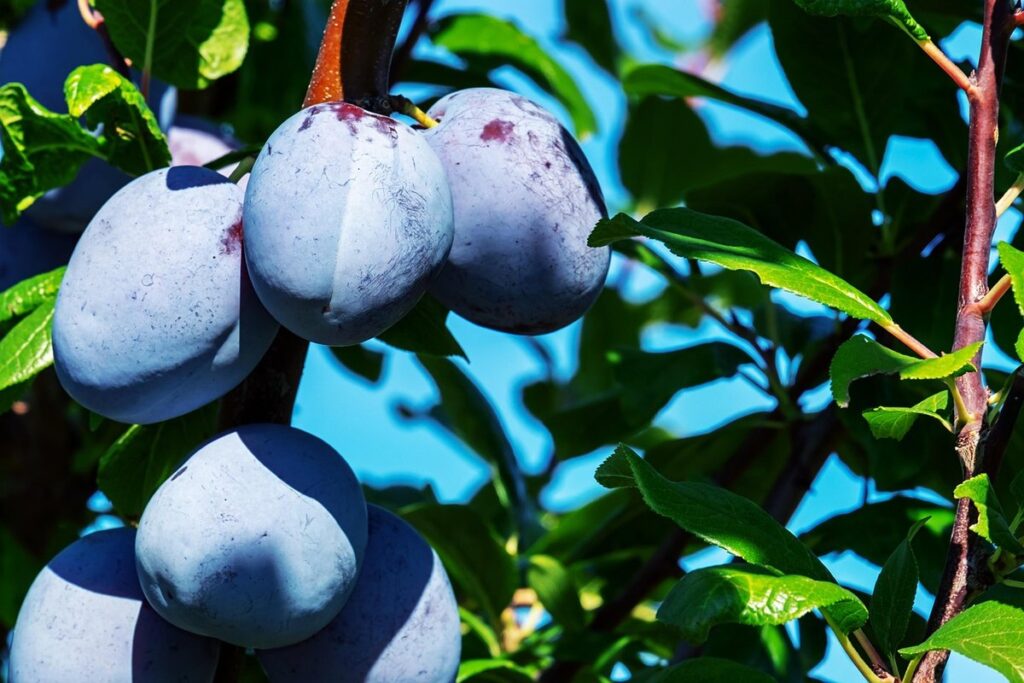
Understanding Black Knot Fungus
Understanding black knot fungus is crucial for effective treatment and prevention. Let’s take a closer look at what causes this common issue in plum trees and its symptoms.
What is Black Knot Fungus?
Black knot fungus is a serious disease that affects plum trees, causing them to become severely weakened and disfigured. It’s caused by the fungal pathogen Dibotryon morbosum, which was previously known as Apiognomonia erytroxyla. This fungus is native to North America and has been found in many parts of the world.
The black knot fungus infects plum trees through small wounds or openings on the bark, typically caused by insects, pruning tools, or other mechanical damage. Once inside, the fungus creates a hard, knotted gall that grows outward from the trunk and branches. This not only ruins the appearance of the tree but also drains its energy, making it more susceptible to disease and pests.
As the galls grow, they can become quite large, causing significant structural damage to the tree’s limbs and potentially leading to branch breakage. The fungus can infect any part of the plum tree, including the trunk, branches, and roots, although it tends to favor areas with high humidity and moisture.
Causes and Risk Factors
Black knot fungus is a common issue that affects plum trees worldwide. Understanding its causes and risk factors is crucial to implementing effective prevention strategies. Weather conditions play a significant role in the infection process. Moisture, typically associated with heavy rainfall or irrigation, creates an ideal environment for the spores to germinate and infect the tree.
Tree age also contributes to the likelihood of black knot fungus infection. Young trees are more susceptible to fungal infections due to their weaker immune system. As trees mature, they develop a stronger defense mechanism against pathogens, but it’s essential to maintain good tree care practices throughout its life cycle.
Poor pruning practices can also lead to black knot fungus infection. Cutting or damaging infected branches without proper disinfection can spread the disease to other areas of the tree. Regular monitoring and pruning techniques are vital in preventing the spread of black knot fungus. It’s recommended to prune infected branches during the dry season, when the risk of spreading spores is lower. Always use sharp, clean tools and disinfect them after each cut to prevent further infection.
Symptoms and Diagnosis
Identifying the signs of black knot fungus is crucial for effective treatment, so let’s dive into the common symptoms and diagnosis methods to ensure you catch it early.
Visual Identification
Visually identifying black knot fungus on plum trees requires attention to several key symptoms. The first sign of infection is often a small, swollen knot on the branch or trunk of the tree. This knot may be hard and woody at first, but as the disease progresses, it will become softer and more brittle.
As the fungus continues to spread, canker growth will occur. Caners are open wounds on the bark that allow the fungus to penetrate deeper into the wood. They appear as rough, irregular patches of discolored bark that may be covered in a thin layer of sap or fungal material.
In advanced stages of infection, branch dieback is common. Affected branches will turn yellow or brown and eventually drop off the tree. This is often accompanied by a decline in overall tree health, including reduced fruit production and increased susceptibility to other diseases.
To accurately diagnose black knot fungus, inspect your plum trees regularly during the growing season, paying particular attention to new growth. If you notice any of these symptoms, consult with a certified arborist or horticultural expert for proper identification and treatment guidance.
Testing for Black Knot Fungus
Testing for black knot fungus infection is crucial to determine the severity of the infestation and develop an effective treatment plan. Laboratory tests are not always necessary as visual inspections can be a reliable method of detection. Experienced gardeners and arborists can identify infected branches by looking for dark, swollen knots or galls on the stem.
To visually inspect your plum tree for black knot fungus, start by examining the trunk, branches, and leaves for any signs of infection. Look for discolored or distorted areas that may indicate fungal growth. Cut through an affected branch with a sharp knife or pruning saw to expose the underlying tissue. If the tissue is soft and discolored, it’s likely infected.
If you’re still unsure about the diagnosis, consider sending a sample of the infected tissue to a laboratory for analysis. This can help confirm the presence of black knot fungus and provide valuable information on the most effective treatment options.
Treatment Options
Now that you know what black knot fungus looks like and how it infects your plum tree, let’s explore the treatment options available to save your tree.
Various methods can help control this disease, from pruning techniques to fungicides.
Chemical Control Methods
Chemical control methods are often used as a treatment option for black knot fungus in plum trees. This approach involves applying fungicides to infected areas or the entire tree to prevent further fungal growth.
When choosing a fungicide, select products containing active ingredients like chlorothalonil, copper oxychloride, or thiophanate-methyl. These chemicals can be effective against black knot fungus, but it’s essential to follow application guidelines carefully.
For optimal results, apply fungicides during the growing season, typically in spring or summer when fungal growth is most active. Spray the infected areas thoroughly, making sure to cover all visible knots and surrounding tissue.
Some common mistakes to avoid include using too little chemical, which can lead to incomplete control of the fungus, and applying fungicides too frequently, which can cause damage to the tree. It’s also crucial to read and follow the product label instructions carefully to ensure safe and effective use.
Biological Control Methods
Biological control methods offer a safe and effective way to manage black knot fungus on plum trees. One approach is to introduce beneficial fungi that can outcompete the pathogen for resources and space. For example, Trichoderma harzianum has been shown to colonize the tree’s tissues and suppress the growth of black knot fungus.
In addition to introducing beneficial microorganisms, insecticidal soap can be used to control black knot fungus. This non-toxic, environmentally friendly solution works by breaking down the fungal cell walls and preventing new infections. Mix 1-2 tablespoons of insecticidal soap with 1 quart of water and spray it on the affected areas.
It’s essential to note that biological control methods may not provide immediate results, as they can take several weeks or months to show significant improvement. However, these methods are a valuable addition to integrated pest management strategies, especially for trees that are sensitive to chemicals or when repeated infections occur. Regular monitoring and maintenance can help prevent the spread of black knot fungus and promote healthy tree growth.
Cultural Control Methods
To prevent the spread of black knot fungus and keep your plum tree healthy, it’s essential to implement cultural control methods. Pruning is a crucial practice that can significantly reduce the risk of infection. Remove any infected branches or knots, cutting them at least 4-6 inches below the visible signs of disease to ensure you’ve removed all affected tissue.
Sanitation practices are also vital in controlling black knot fungus. Regularly clean your pruning tools with disinfectants or bleach solutions to prevent the spread of spores. Dispose of any infected materials, including fallen leaves and branches, to break the fungal life cycle.
In addition to pruning and sanitation, maintaining good air circulation around your plum tree can help prevent infection. This involves removing nearby plants that may be competing for water and nutrients, as well as keeping a clean area around the base of the tree.
By incorporating these cultural control methods into your regular care routine, you’ll significantly reduce the risk of black knot fungus infecting your plum tree.
Prevention Strategies
To effectively manage black knot fungus, it’s essential to understand prevention strategies that can help prevent infestations from occurring in the first place. We’ll cover these crucial steps next.
Proper Pruning Techniques
When it comes to preventing black knot fungus infection in plum trees, proper pruning techniques are crucial. By understanding how to prune effectively, you can minimize the risk of infection and promote healthy growth.
Start by identifying and removing any diseased or infected branches. Cut them off at a 45-degree angle, making sure the cut is above an outward-facing bud. This will help prevent water from collecting on the wound and reduce the risk of further infection. Next, remove any weak or crossing branches that may be rubbing against each other, as this can create wounds that are susceptible to disease.
To promote healthy growth, prune your plum tree in late winter or early spring, just before new growth begins. Remove about one-third of the previous year’s growth to encourage a strong, central leader and an open canopy. This will also help improve air circulation, which is essential for preventing black knot fungus from taking hold. Regular pruning can make all the difference in keeping your plum tree healthy and disease-free.
Sanitation and Disinfection
Sanitizing tools and equipment is crucial to prevent the spread of black knot fungus. Before working with infected trees, ensure that all tools, gloves, and other equipment are properly cleaned and disinfected. A mixture of 1 part bleach to 9 parts water is an effective solution for disinfecting tools.
To sanitize a pruning saw, mix the bleach solution in a bucket and soak the saw for about 10 minutes before rinsing thoroughly with clean water. Repeat this process if you’ve previously worked on infected trees. Wear protective gloves when handling bleach solutions, as skin irritation can occur.
When working on multiple plum trees, consider dedicating a separate set of pruning tools to each tree or group of trees to prevent cross-contamination. Regularly washing and disinfecting these dedicated tools will help prevent the spread of black knot fungus. By taking these precautions, you’ll significantly reduce the risk of spreading the disease through contaminated equipment.
Cultural Habits for Healthy Trees
Maintaining healthy tree growth is essential for preventing black knot fungus infections. One of the most critical factors is proper irrigation management. Overwatering can lead to a weakened tree defense system, making it more susceptible to fungal attacks. Under-watered trees, on the other hand, may become stressed and more vulnerable to infection.
To achieve optimal water balance, consider installing a rain gauge or smart irrigation controller that adjusts watering schedules based on weather conditions and soil moisture levels. Aiming for about 1 inch of water per week is a good starting point, but this can vary depending on factors like climate, tree size, and soil type.
Nutrient supply also plays a vital role in promoting healthy growth. Plum trees require adequate nitrogen, phosphorus, and potassium to develop robust foliage and fruiting structures. Conduct regular soil tests to determine nutrient deficiencies and address them through targeted fertilization.
Integrated Pest Management (IPM)
To effectively control black knot fungus, plum tree owners should understand how integrated pest management (IPM) strategies can help prevent infestations and minimize damage. We’ll explore IPM’s role in preventing this fungal disease.
Combining Treatment Methods
When it comes to effectively managing black knot fungus on plum trees, a single treatment method is often not enough. Combining different methods into an integrated pest management (IPM) plan can provide more comprehensive results and help prevent the spread of the disease.
This approach typically involves using two or more complementary methods that target different aspects of the problem. For example, combining pruning with fungicides or biological controls like introducing beneficial insects to prey on fungal pathogens.
Pruning is an essential part of any IPM plan for black knot fungus. By removing infected branches and canes, you reduce the source of the infection and prevent further spread. Fungicides are then applied to treated areas to target remaining fungal cells.
Another approach is to use a combination of chemical and biological methods. For instance, using a fungicide that’s systemic in nature (absorbed by the plant and distributed throughout its tissues) can help control the disease at the root level.
Monitoring and Adaptation
Monitoring black knot fungus infection levels is crucial to prevent its spread and severe damage to plum trees. Regular monitoring involves inspecting your tree at least twice a year, once during the dormant season (winter) and again during the growing season (spring). Look for visible signs of infection such as blackened twigs or branches, lesions on the bark, or a cottony growth on the underside of leaves.
Adapting treatment plans based on monitoring results is essential to ensure effectiveness. For example, if you notice a significant increase in infection levels after a spring inspection, it may be necessary to adjust your fungicide application schedule to target the peak growth period of the fungus. Conversely, if you find that the disease has subsided, you can consider reducing treatment frequency.
Consider implementing a “zone management” approach by grouping areas of high infection risk and treating them separately from lower-risk zones. This targeted strategy will help optimize resource allocation while minimizing unnecessary chemical applications.
Conclusion
In conclusion, treating black knot fungus in plum trees requires a combination of careful observation, timely pruning, and effective fungicides. By implementing these strategies consistently, you can significantly reduce the risk of infection and promote healthy tree growth. Remember that prevention is key – regular monitoring for signs of disease and taking prompt action can help prevent outbreaks from getting out of hand. For example, removing infected branches before they spread their spores to other areas of the tree can be a crucial step in controlling the fungus’s spread.
To ensure long-term success, it’s essential to maintain good garden hygiene practices, including sanitizing pruning tools and disposing of infected wood properly. With patience, persistence, and attention to detail, you can keep your plum trees healthy and thriving for years to come.
Frequently Asked Questions
How long does it take to see results after treating black knot fungus?
You can start seeing improvements within a few weeks to a month after treatment, but complete recovery may take several growing seasons. Factors like tree health, disease severity, and environmental conditions influence the treatment’s effectiveness.
Can I use chemical control methods as a standalone solution for prevention?
While chemical control methods can be effective against black knot fungus, they should not be used solely for prevention. A comprehensive integrated pest management (IPM) approach that includes cultural controls, biological controls, and sanitation is more reliable in preventing future infections.
How do I handle pruning cuts to prevent further infection during treatment?
When pruning infected branches, make clean cuts about 2-3 inches below the knot, and disinfect your tools between each cut. This will help prevent the spread of the fungus and promote healthy healing.
What’s the best way to monitor my plum tree’s progress after treating black knot fungus?
Regularly inspect your tree for signs of disease, including new infections or the return of symptoms. Take note of any changes in leaf color, growth patterns, or branch dieback. Monitor temperature fluctuations and weather conditions that may influence the treatment’s effectiveness.
Can I use a combination of chemical and biological control methods simultaneously?
Yes, combining chemical and biological control methods can enhance their effectiveness and reduce reliance on chemicals. For example, using fungicides to quickly address severe infections while introducing beneficial organisms like Trichoderma to promote long-term health and resistance.