
If you’re like many gardeners, you’ve probably encountered those stealthy, spiky creatures lurking among your plants. Praying mantises are known for their impressive hunting skills and ability to control pest populations in gardens. But did you know that these beneficial insects can also be attracted and raised within your own garden? By learning how to attract praying mantises and incorporating them into your integrated pest management strategy, you can maintain a healthier balance between beneficial insects and pests.
This article will delve into the world of praying mantis gardening, covering the essential techniques for attracting and raising these fascinating creatures. You’ll learn how to create a welcoming environment for praying mantises and other beneficial insects, while also understanding their role in controlling pest populations and maintaining ecological balance within your garden ecosystem.
Introduction to Praying Mantises
Let’s start by getting familiar with these fascinating insects, shall we? In this introduction, I’ll cover the basics of praying mantis biology and behavior.
What are Praying Mantises?
The praying mantis is a fascinating and formidable insect that has captivated gardeners and nature enthusiasts for centuries. Found on every continent except Antarctica, these remarkable creatures are known for their impressive hunting skills and unique appearance.
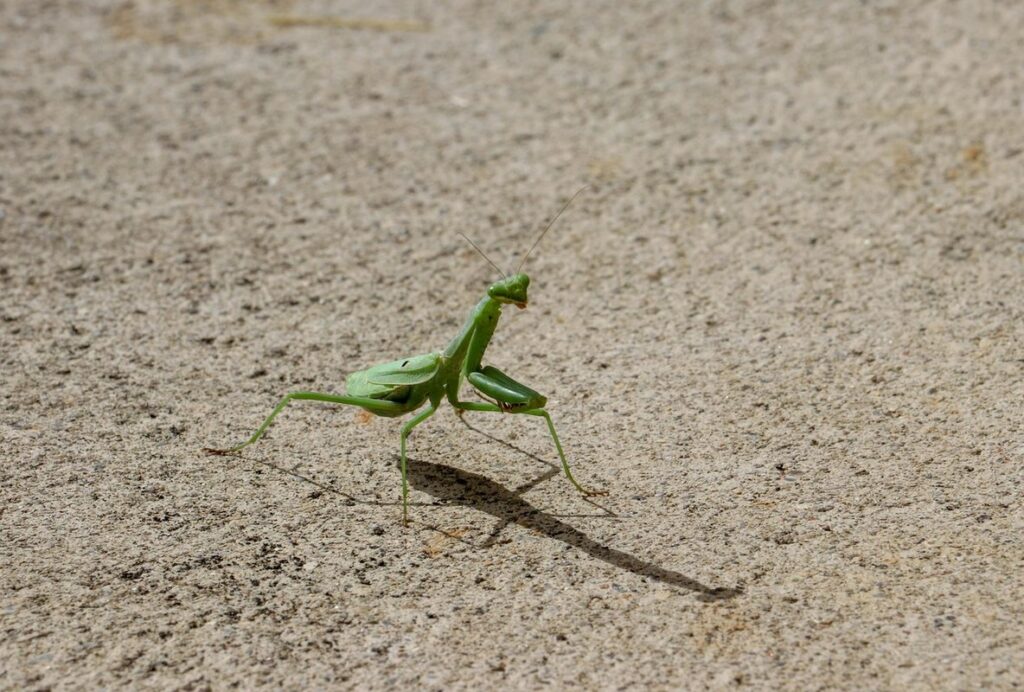
One of the most distinctive features of praying mantises is their elongated body shape, which allows them to move stealthily and strike with lightning-fast speed. Their spiked forelegs are perfectly designed for capturing prey, and their large, triangular heads feature compound eyes that provide exceptional vision.
In terms of biology, praying mantises undergo a unique metamorphosis process, starting as egg-laying females who lay up to 400 eggs at once. These eggs hatch into wingless nymphs that go through several molts before reaching adulthood. The importance of praying mantises in ecosystems cannot be overstated – they serve as both predators and prey, helping to maintain a balance between insect populations.
As gardeners, it’s essential to understand the role praying mantises play in maintaining a healthy ecosystem. By attracting these beneficial insects to your garden, you can reduce the need for pesticides and create a more balanced environment that promotes biodiversity.
Benefits of Having Praying Mantis in Your Garden
Having praying mantises in your garden can be incredibly beneficial for maintaining a healthy and balanced ecosystem. These natural predators are expert hunters that feed on pests, helping to control their populations without the need for chemical pesticides. By introducing praying mantises into your garden, you can expect a significant reduction in common garden pests like aphids, whiteflies, and flies.
Beyond pest control, praying mantises also contribute to environmental balance by serving as both predators and prey within the food chain. They help regulate the populations of other insects, preventing any single species from dominating the ecosystem. This balance is crucial for maintaining a diverse range of plant life in your garden.
By incorporating biological control methods like introducing praying mantises into your garden, you can significantly reduce the need for chemical pesticides. This approach not only protects beneficial insects but also promotes soil health and biodiversity. Consider introducing 5-10 adult praying mantises to your garden at the beginning of each growing season to establish a sustainable population.
Attracting Praying Mantises to Your Garden
If you’re eager to attract these beneficial insects, we’ll explore how to create a praying mantis-friendly garden environment that lures them in naturally. This includes tips on planting and placement.
Creating a Praying Mantis-Friendly Environment
When creating a praying mantis-friendly environment, it’s essential to consider their unique needs and preferences. These fascinating insects thrive in gardens with suitable habitats, an abundance of food sources, and adequate shelter.
To start, provide shelter for your praying mantises by incorporating plants that offer protection from the elements and predators. Tall grasses, shrubs, and trees can serve as perfect hiding spots for these stealthy hunters. Consider planting native vegetation or introducing artificial shelters like wooden or plastic hideaways to create a safe haven for your new garden residents.
A diverse range of food sources is also crucial for attracting praying mantises. Insect-eating plants, such as orchids and geraniums, will help supplement the natural food supply in your garden. However, it’s essential to remember that praying mantises are carnivorous and rely heavily on live insects for sustenance. Consider introducing other beneficial insects like aphid colonies or small insect species that won’t compete with your praying mantis population.
When selecting a location for your garden, ensure it receives partial shade to full sun exposure. Praying mantises prefer temperatures between 65°F and 85°F (18°C and 30°C), making them ideal for gardens in temperate climates.
Plant Selection for Praying Mantis Support
When it comes to attracting praying mantises to your garden, selecting the right plants is crucial. Praying mantises feed on a variety of insects, so you’ll want to choose plants that attract these prey species. Some excellent options include marigolds, dill, and fennel, which are known to lure aphids, whiteflies, and spider mites.
In addition to attracting prey, some plants provide structural features beneficial for praying mantis life cycles. For example, tall plants like sunflowers or corn stalks offer perches for adult mantises to survey their surroundings from a safe distance. Similarly, dense shrubs like lavender or rosemary provide sheltered areas where mantises can hide and ambush prey.
When selecting plants, consider their growth habits and mature sizes to ensure they won’t overcrowd your garden. Also, plant a diverse range of species to create a dynamic ecosystem that will attract and support praying mantis populations. By carefully choosing the right plants, you’ll be creating an inviting environment for these fascinating insects to thrive in.
Identifying Praying Mantis Species in Your Garden
With so many praying mantis species out there, it’s easy to get them confused. Let’s take a closer look at how to identify these fascinating insects in your garden.
Common Praying Mantis Species Found in Gardens
When it comes to praying mantis species found in gardens, there are several common types that you might encounter. One of the most recognizable species is the Carolina Mantis (Stagmomantis carolina), which is native to the southeastern United States and has a distinctive green or brown coloration with long forelegs.
The Chinese Mantis (Tenodera aridifolia) is another widespread species found in gardens, particularly in areas with a warm climate. This large mantis has a robust body and distinctive spiked forelegs, which it uses to capture prey.
It’s worth noting that some praying mantis species can be voracious hunters, posing a threat to beneficial insects such as bees and butterflies. The European Mantis (Mantis religiosa), for example, is known to feed on these pollinators, making it an unwanted visitor in gardens focused on attracting wildlife.
To identify potential praying mantis species in your garden, look for their distinctive long forelegs and spiked or grasping appendages. Be cautious not to confuse them with harmless insects, as some mantis species can be quite aggressive when threatened.
Differentiating Between Praying Mantis and Other Insects
When it comes to identifying praying mantises in your garden, it’s not uncommon for beginners to get confused with other insects that share similar characteristics. However, with a closer look at their distinguishing features and behaviors, you can accurately identify these fascinating creatures.
One of the most distinctive features of praying mantises is their elongated body shape and long, slender forelegs, which are designed for catching prey. These legs are often folded against their body when they’re not in use, giving them a compact appearance that’s quite different from other insects like crickets or grasshoppers.
Another key identifier is the mantis’s posture: they typically sit with their front legs folded and their back legs splayed out to the sides, ready to pounce on unsuspecting prey. This unique stance is often absent in other garden insects, making it a reliable distinguishing feature.
In addition to physical characteristics, praying mantises also exhibit distinct behaviors that set them apart from other insects. They’re known for their stealthy hunting style, using camouflage and patience to catch their prey off guard. This behavior is quite different from the more active, flying patterns of many other garden insects.
Raising Praying Mantis for Biological Control
If you’re interested in using praying mantis as a natural form of pest control, learn how to raise these beneficial insects successfully and effectively. This involves creating a suitable environment for their development and reproduction.
Breeding Praying Mantis in Captivity
Breeding praying mantises in captivity can be a fascinating and rewarding experience for gardeners interested in using these natural predators for biological control. To successfully breed praying mantises, you’ll need to create an environment that mimics their natural habitat as closely as possible.
First, provide a secure enclosure with adequate ventilation and temperature control. A 20-gallon aquarium or terrarium is ideal, as it allows for easy observation of the mantis’s life cycle. Line the enclosure with a substrate such as peat moss or coconut fiber, and add rocks or branches to create hiding places and climbing structures.
Feed your mantises live insects, such as crickets or mealworms, 2-3 times a week. Offer water in shallow dishes to prevent drowning. A temperature range of 75-85°F (24-29°C) and humidity levels around 50-60% will promote healthy growth.
When selecting breeding stock, choose individuals that are at least 6 weeks old and have a robust build. Introduce them to their enclosure after acclimating them to room temperature. Monitor the female’s egg case for signs of hatching, usually within 2-3 weeks.
Release and Establishment of Raised Praying Mantis
When it’s time to release your raised praying mantises into your garden, careful planning and execution are crucial for their establishment and success as biological control agents. Begin by selecting a suitable location with plenty of food sources, such as aphids, whiteflies, or flies. Ensure the area is sheltered from strong winds, direct sunlight, and potential predators.
To release the mantises safely, gently remove them from their enclosure and place them in a breathable container, like a mesh bag or a ventilated box, with some twigs and leaves for hiding places. This will help reduce stress during transport.
Before releasing, inspect the area for any potential threats to the mantises’ survival. Once you’ve identified a safe spot, open the container and release the praying mantises at dusk or dawn when they’re most active. Encourage their establishment by providing sheltered spots with plenty of vegetation and food sources nearby. With proper care and release, your raised praying mantises will thrive in their new environment, becoming effective biological control agents for your garden.
Managing the Balance Between Praying Mantis and Other Beneficial Insects
When it comes to creating a harmonious garden ecosystem, balancing the populations of praying mantis and other beneficial insects is crucial. This delicate balance can make all the difference in maintaining a healthy garden environment.
Potential Conflicts with Other Beneficial Insects
When introducing praying mantises to your garden, it’s essential to consider their potential interactions with other beneficial insects. While these insects share similar goals – controlling pests and maintaining a balanced ecosystem – they can sometimes compete for resources or even become predators themselves.
For instance, praying mantises are known to prey on bees, which is unfortunate since bees play a crucial role in pollination. However, this conflict can be mitigated by introducing multiple species of beneficial insects that cater to different aspects of pest control. For example, adding ladybugs and lacewings to your garden can help manage aphid populations, reducing the likelihood of praying mantises targeting these areas.
Another potential conflict arises with butterflies, specifically monarchs. Female monarchs often lay eggs on plants with aphids or other soft-bodied insects that praying mantises feed on. To avoid harming these valuable pollinators, try to introduce praying mantises during periods when adult butterflies are less active in the garden, such as late fall or early spring.
When managing beneficial insect populations, consider introducing species that occupy different ecological niches and feeding habits to minimize conflicts between them. By doing so, you can create a balanced ecosystem where multiple beneficial insects thrive together.
Strategies for Balancing Multiple Beneficial Species
When managing beneficial insects in your garden, it’s essential to strike a balance between coexisting species. Praying mantises are natural predators that can share their space with other beneficial insects like ladybugs, lacewings, and hoverflies. However, if not managed correctly, these species may compete for resources or even prey on each other.
To ensure harmonious coexistence, consider the specific needs of each species. For example, praying mantises require a warm and humid environment, while ladybugs prefer drier conditions. By providing separate habitats with tailored microclimates, you can reduce competition between species.
Incorporating diverse plants that cater to different beneficial insects’ needs is also crucial. Some plants like marigold and dill attract lacewings, while others like cosmos draw in hoverflies. By planting a variety of beneficial insect-friendly flowers, you can create a haven for multiple species.
Monitor your garden regularly to identify potential conflicts between species. Be prepared to make adjustments as needed to maintain the balance.
Conclusion: The Role of Praying Mantis in Sustainable Gardening
As you’ve learned how to attract and care for these beneficial bugs, let’s discuss the significant role praying mantis play in sustainable gardening practices.
Recap of Key Takeaways
To conclude our comprehensive guide to praying mantis in the garden, let’s recap the key takeaways. By now, you should have a solid understanding of these fascinating insects and their role in sustainable gardening. Attracting and raising praying mantises for biological control is a straightforward process that can be incorporated into your existing gardening routine.
To recall, we discussed how to create a welcoming environment for praying mantises by providing food sources such as mosquitoes and flies. This can be achieved through the use of attractant plants like lavender and mint, which also benefit from their natural pest-repellent properties. Additionally, we explored various methods for raising praying mantis nymphs, including the use of insect hotels and artificial habitats.
When it comes to releasing these beneficial insects into your garden, timing is everything. Typically, this occurs during periods of high pest activity, such as spring or early summer. By doing so, you’ll be giving your plants a natural defense against common pests like aphids and whiteflies.
Future Directions for Praying Mantis Conservation
As we conclude our comprehensive guide to praying mantis in gardening, it’s essential to explore future directions for their conservation and research. To further support the role of praying mantis in sustainable gardening, several areas require more study.
One crucial area is understanding the impact of climate change on praying mantis populations. Rising temperatures and changing precipitation patterns may alter their distribution, behavior, and survival rates. Researchers should investigate how these changes affect the efficacy of praying mantis as garden predators and develop strategies for mitigating potential negative effects.
Another significant direction is exploring the use of praying mantis in integrated pest management (IPM) systems. While they are an effective natural control method, their role within larger IPM frameworks needs more investigation. By examining the interactions between praying mantis and other beneficial insects, researchers can refine these systems to maximize their effectiveness.
Developing targeted conservation efforts is also vital for maintaining healthy praying mantis populations. This might involve creating breeding programs, monitoring habitat quality, or identifying areas where praying mantis are in high demand as biological control agents.
Frequently Asked Questions
How Do I Know if My Garden is Suitable for Praying Mantises?
Praying mantises require a diverse range of plants to provide shelter, food, and habitat. Check your garden’s plant selection and consider introducing more flowers, shrubs, or trees that attract beneficial insects. Ensure you have a mix of flowering plants in various stages of bloom to provide a constant source of nectar for praying mantises.
Can I Raise Praying Mantises Indoors If I Don’t Have an Outdoor Garden?
Yes, you can raise praying mantises indoors using a controlled environment with proper ventilation and lighting. Provide a large enclosure or terrarium with plants that mimic their natural habitat, and ensure a stable temperature between 65°F to 85°F (18°C to 30°C). This will help the praying mantis thrive until they are ready for release.
How Do I Prevent Praying Mantis from Eating Each Other in My Garden?
Praying mantises are generally solitary insects, but when raised together, they may fight. To minimize cannibalism, ensure each individual has its own separate enclosure or a large enough area to reduce competition. You can also introduce a few plants that release chemicals to calm the praying mantis and reduce aggression.
What Are Some Common Mistakes Gardeners Make When Attracting Praying Mantises?
Some common mistakes gardeners make when attracting praying mantises include using pesticides, which harm or kill these beneficial insects. Avoid overwatering, as this can lead to a decline in beneficial insect populations. Also, be patient and give the praying mantises time to establish themselves; they may take several weeks or even months to arrive.
Can I Use Commercial Products to Attract Praying Mantises?
While there are some commercial products that claim to attract beneficial insects like praying mantises, it’s essential to choose natural methods instead. For example, plant flowers that attract pollinators and beneficial insects, such as marigolds or sunflowers, which will also attract the praying mantis. Avoid using chemical-based attractants that can harm your garden ecosystem.