
When starting your garden from scratch, one of the most crucial steps is getting those seeds to sprout. But did you know that not all seed germination techniques are created equal? The right method can make all the difference in achieving optimal growth and healthy plant development.
As a gardener, you’re likely eager to learn about the top germination methods out there. In this article, we’ll be exploring water-based and soil-based techniques, from soaking seeds to using specialized seed starters. Whether you’re a seasoned green thumb or just starting out, understanding these popular germination techniques can help you give your plants the best possible start in life. We’ll dive into the pros and cons of each method, so you can choose the one that works best for you and your garden.
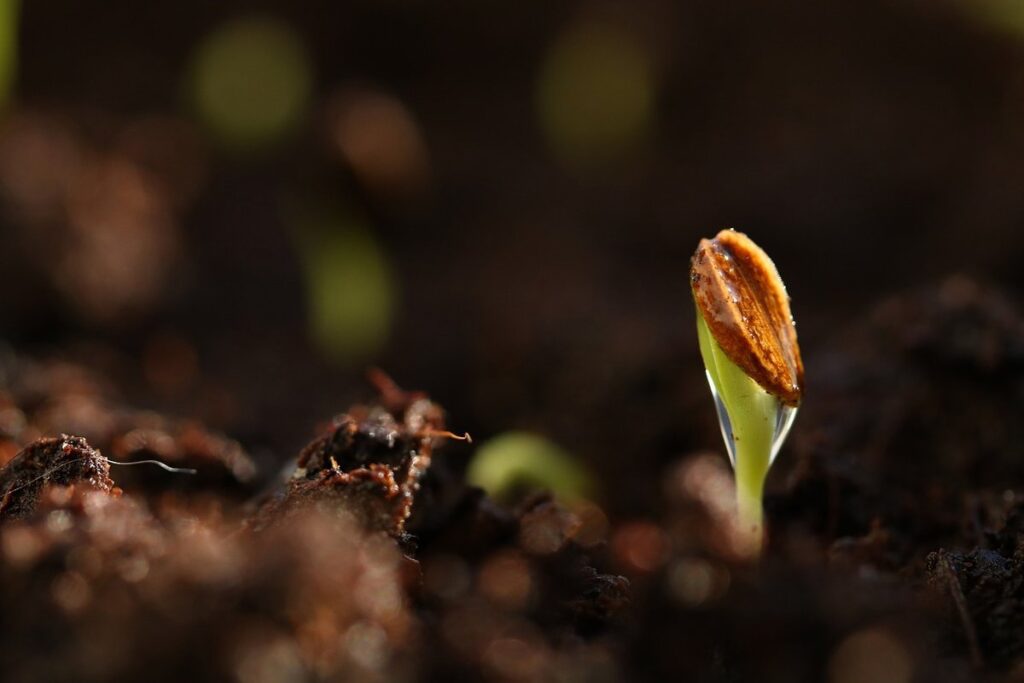
Understanding Seed Germination
Seed germination is a fascinating process, and understanding it will help you optimize your growing conditions to give your seeds the best chance of sprouting successfully. In this section, we’ll break down the basics of seed germination step by step.
What is Seed Germination?
Seed germination is the fundamental process by which seeds transition from a dormant state to an actively growing plant. It’s a crucial step in the life cycle of plants, and its importance cannot be overstated. During germination, the seed absorbs water, breaks dormancy, and begins to sprout. This initial growth phase lays the foundation for future development.
The process of germination is initiated when seeds receive adequate moisture, warmth, and light. It’s a delicate balance that can affect the outcome of plant growth. A seed must have an optimal environment to germinate successfully. For example, tomato seeds typically require temperatures between 70°F and 85°F (21°C and 30°C) to germinate.
Understanding seed germination is essential for gardening success. Knowing how to create the right conditions for seeds to germinate can significantly impact yields. By providing seeds with the necessary environment, you’re setting your plants up for healthy growth and development. If you’re new to gardening or experimenting with different techniques, mastering seed germination will be a valuable skill to have.
Factors Affecting Seed Germination
Seed germination is a complex process influenced by several key factors. Temperature plays a crucial role, with most seeds requiring temperatures between 65°F and 75°F (18°C to 24°C) for optimal growth. However, some plants like lettuce and spinach can tolerate cooler temperatures. Light also has an impact, as seeds germinate faster in well-lit conditions but excessive light can be detrimental. For instance, seeds exposed to direct sunlight may experience photoinhibition, leading to reduced germination rates.
Water is another essential factor; it must be provided consistently without causing waterlogged soil. Adequate oxygen levels are necessary for seed respiration and growth, which is why aerated soil or hydroponic systems can enhance germination. Moreover, some seeds benefit from scarification, a process that breaks down the seed coat to allow moisture penetration. By understanding these factors, you can create an ideal environment for successful seed germination.
Seed viability also affects germination rates; old seeds often have reduced chances of sprouting due to decreased embryo vitality and starch reserves. Similarly, improper storage conditions can lower seed quality.
The Role of Temperature in Germination
Temperature plays a crucial role in seed germination rates. Different temperatures can either speed up or slow down the germination process. This is because seeds have an optimal temperature range for germination, and deviating from it can lead to poor germination or even failure.
For example, most vegetable seeds prefer temperatures between 70°F to 85°F (21°C to 30°C) for germination. Tomatoes, peppers, and eggplants are examples of warm-season crops that thrive in these temperatures. On the other hand, cool-season crops like broccoli, kale, and spinach germinate best at around 40°F to 60°F (4°C to 15°C).
If the temperature is too high or too low, it can inhibit seed germination. For instance, some seeds may not germinate above 90°F (32°C) due to heat stress, while others may require a period of cold stratification before they can germinate.
To achieve optimal germination rates, gardeners should check the specific temperature requirements for each plant species and provide the ideal conditions. This can be as simple as moving seeds from a cold room to a warm one or using a heating mat specifically designed for seed starting.
Water-Based Germination Methods
When it comes to germinating seeds, water is a surprisingly effective medium for initiating growth. In this section, we’ll explore two popular water-based methods to get your seeds sprouting quickly and efficiently.
Soaking Seeds: A Simple Technique
Soaking seeds is a simple yet effective technique that can significantly speed up germination. By immersing seeds in water, you’re helping to soften the outer coat and activate the embryo inside, ultimately breaking down any dormancy that may be preventing them from sprouting.
The process of soaking seeds involves placing them in a container filled with lukewarm water, typically at around 70-80°F (21-27°C). The duration for soaking can vary depending on the type of seed; some may require as little as an hour, while others might need to be left overnight or even for several days. It’s essential to monitor the seeds closely during this time to avoid over-soaking, which can cause damage.
Soaking seeds has numerous benefits, including improved germination rates and reduced seedling mortality. For instance, a study on tomato seeds found that soaking them for 24 hours increased germination by 15% compared to non-soaked controls. By incorporating soaking into your germination routine, you’ll be giving your seeds the best possible chance of thriving.
When soaking seeds, it’s crucial to change the water after several hours to prevent bacterial growth and maintain a clean environment. After soaking, gently pat the seeds dry with a paper towel before planting them in their growing medium. By following these simple steps, you can harness the power of seed soaking to accelerate your germination results.
Hydroponic Seed Germination
A hydroponic system can be an efficient and effective way to germinate seeds. This method involves growing plants in a nutrient-rich solution rather than soil. To set up a hydroponic system for seed germination, you’ll need a grow tray or container with a lid, a water pump, and a nutrient-rich solution.
The advantages of using a hydroponic system over traditional methods include increased control over the germination environment, reduced risk of fungal diseases, and improved seedling growth rates. The consistent temperature and humidity levels provided by a hydroponic system can also promote even germination.
To use a hydroponic system for germination, follow these steps:
- Prepare the grow tray with a suitable growing medium such as rockwool or coco coir.
- Add the nutrient-rich solution to the water pump and adjust the pH levels according to the plant species’ requirements.
- Plant the seeds in the prepared grow tray and keep it under the correct temperature (usually around 20-25°C).
- Ensure proper aeration by adjusting the air flow rate or using an oxygenating device.
By following these steps, you can successfully germinate seeds using a hydroponic system.
The Importance of Water Quality in Germination
Maintaining optimal water quality is crucial for successful seed germination. Poor water conditions can lead to reduced germination rates, inhibited root growth, and even seedling death. For instance, using tap water that contains high levels of chlorine or fluoride can damage seeds and slow down the germination process.
To ensure optimal water conditions, start by selecting a source of filtered or distilled water. This will help remove impurities and minerals that can affect seed germination. If you don’t have access to filtered or distilled water, consider using rainwater or collected dew as an alternative.
When preparing water for germination, make sure it’s at room temperature (around 20-25°C). Avoid using hot water, as this can cause the seeds to cook and reduce their chances of germinating. Keep in mind that some seeds are more sensitive than others, so adjust your water quality accordingly. For example, delicate herbs like basil and mint require very clean and soft water, while robust plants like succulents can tolerate slightly harder water conditions.
By paying attention to water quality and taking the necessary steps to maintain optimal conditions, you’ll be well on your way to successful seed germination.
Soil-Based Germination Methods
When it comes to soil-based germination, you’ll want to learn about traditional methods that bring plants from seed to sprout using a natural, earthy approach. This section explores the ins and outs of successful soil-based germination.
Direct Sowing: A Traditional Approach
Direct sowing is one of the oldest and most traditional approaches to germinating seeds. This method involves planting seeds directly into a prepared soil bed, bypassing the need for seed starting mix and containers. To begin, select a location with well-draining soil that receives adequate sunlight. Loosen the top 8-10 inches of soil using a fork or spade, removing any debris and weeds.
Next, sow seeds at the correct depth, usually 2-3 times their diameter. Cover the seeds with a thin layer of soil, about 1/4 inch deep. Water gently but thoroughly to settle the soil and provide adequate moisture for germination. Keep the soil consistently moist during this period.
It’s essential to choose the right time for direct sowing, taking into account the specific requirements of each plant species. Some seeds, like those from warm-season crops, can be directly sown as soon as the danger of frost has passed. Others may require a longer preparation period or specialized care before being planted outside. Research the specific needs of your chosen seed variety to ensure successful germination and growth.
Seed Starting Mixes for Optimal Germination
When it comes to seed starting mixes, not all blends are created equal. A well-crafted mix is specifically designed to promote healthy germination and support the growth of young seedlings. These mixes typically consist of a blend of peat moss or coconut coir, vermiculite, perlite, and sometimes worm castings.
The primary function of these additives is to improve water retention, drainage, and aeration in the mix. Peat moss or coconut coir help retain moisture while allowing for airflow, preventing waterlogged soil conditions that can lead to root rot. Vermiculite adds insulation and helps regulate soil temperature, while perlite improves drainage and prevents settling of the soil.
When selecting a seed starting mix, look for one that is formulated specifically for germination and contains no artificial fertilizers or additives. Some popular brands offer mixes with added beneficial microbes that promote healthy root growth and development. By using a high-quality seed starting mix, you’ll set your seeds up for success and improve the chances of successful germination.
The Role of Soil Microorganisms in Seed Germination
Soil microorganisms play a vital role in seed germination and plant growth. Beneficial bacteria, fungi, and other microbes in the soil help create an ideal environment for seeds to sprout. These microorganisms break down organic matter, making essential nutrients available to the seedlings. For instance, mycorrhizal fungi form symbiotic relationships with plant roots, enhancing nutrient uptake.
When a seed is planted in soil teeming with beneficial microorganisms, it’s more likely to germinate successfully. The microbes’ presence stimulates enzymes that break down complex compounds, releasing energy-rich substances that fuel seed growth. This synergy between the seed and microorganisms promotes root development, allowing the plant to anchor itself effectively.
To harness the power of soil microorganisms in your germination process, focus on creating a healthy soil ecosystem. Add compost or well-rotted manure to your soil to introduce beneficial microbes. You can also use inoculants specifically designed for seed germination. By fostering a conducive environment for these beneficial microorganisms, you’ll significantly improve the chances of successful seed germination and robust plant growth.
Other Innovative Germination Techniques
If you’re looking for even more creative ways to get your seeds sprouting, there are several innovative germination techniques worth exploring. Let’s dive into some of these cutting-edge methods.
LED Grow Light-Assisted Germination
LED grow lights have revolutionized the way we germinate seeds by providing a controlled and efficient environment for seedlings to thrive. By mimicking natural sunlight, these energy-efficient lights accelerate seed germination and promote healthier seedlings. In fact, studies have shown that LED grow lights can increase seed germination rates by up to 30% compared to traditional lighting methods.
When using LED grow lights for germination, it’s essential to choose the right spectrum. Most plants require a balance of blue, red, and green light to undergo photosynthesis. A full-spectrum LED grow light with a balanced output can provide the necessary wavelengths for optimal seed germination.
To get started, place the seeds about 1-2 inches under the LED light source. Keep the lights on for 12-14 hours a day, and adjust the distance as needed to avoid burning the leaves. Some popular options include LED grow panels or strips specifically designed for seed starting.
Experiment with different intensities and spectra to find what works best for your seeds. By harnessing the power of LED grow lights, you can give your seeds the boost they need to sprout strong and healthy.
Osmotic Seed Treatment: A New Approach
Osmotic seed treatment is an innovative approach that has gained attention in recent years for its potential to stimulate seed germination. This technique involves immersing seeds in a sugar-based solution, typically containing 1-2% sucrose, to create an osmotic gradient. The high concentration of sugars outside the seed cell membrane increases water influx into the seed, promoting faster and more efficient germination.
The process works by allowing seeds to absorb excess water through osmosis, softening the seed coat and encouraging radicle emergence. This method is particularly useful for recalcitrant or difficult-to-germinate species that are often encountered in breeding programs. To apply osmotic treatment, simply submerge seeds in a sugar solution at the correct concentration, then rinse with distilled water before planting.
Research has shown that osmotic treatment can significantly improve germination rates and seedling vigor, especially for crops like lettuce, spinach, and cucumber. For example, studies have demonstrated up to 20% increase in germination rate after treating lettuce seeds with a 1.5% sucrose solution.
Chitosan-Based Seed Coatings for Enhanced Germination
Chitosan-based seed coatings have gained attention for their potential to enhance germination rates and promote healthy root development. Chitosan, a naturally occurring polysaccharide derived from crustacean shells, has been shown to improve water absorption in seeds when applied as a coating.
When chitosan is applied to seeds, it forms a thin layer that helps regulate water uptake during germination. This can be particularly beneficial for seeds with low inherent moisture content or those grown under drought conditions. Studies have demonstrated improved seedling emergence and root growth in crops treated with chitosan-based coatings compared to untreated controls.
In practice, applying a chitosan coating involves dipping the seed into a solution containing chitosan dissolved in water. The optimal concentration of chitosan is typically around 0.1-0.5% w/v. It’s essential to note that the effectiveness of chitosan-based coatings can vary depending on factors such as seed type, soil moisture levels, and climate conditions.
While research is ongoing, incorporating chitosan-based coatings into your germination technique may be a viable option for boosting germination rates and promoting healthy root growth in various crops.
Tips and Best Practices for Successful Germination
To achieve successful germination, it’s essential to understand key best practices and tips that can make all the difference in getting your seeds off to a strong start. Let’s explore some valuable insights to guide you along the way.
Avoiding Common Mistakes in Seed Germination
When attempting seed germination, it’s easy to fall into common traps that can hinder success. To avoid these pitfalls, let’s examine a few critical areas: temperature control and watering.
Proper temperature control is crucial for seed germination. Most seeds require temperatures between 65°F to 75°F (18°C to 24°C) to germinate, but some species have specific requirements. For instance, basil thrives in warmer temperatures around 85°F (29°C), while lettuce prefers cooler temps around 60°F (15°C). Failing to maintain the correct temperature can lead to slow or even failed germination.
Inadequate watering is another common mistake. Seeds need consistent moisture to break dormancy and initiate growth, but overwatering can be detrimental. Waterlogged soil can cause seeds to rot before they have a chance to germinate. Make sure to water your seeds gently but thoroughly, allowing the soil to dry slightly between waterings.
To avoid these mistakes, invest in a reliable seed starting mix that retains moisture while preventing waterlogging. Also, consider using a heating mat or a propagation tray with built-in temperature control for more precise temperature management.
Choosing the Right Seeds for Your Climate
When it comes to successful germination, choosing the right seeds for your climate is crucial. Different plants have varying requirements when it comes to temperature, humidity, and light exposure. To ensure that your seeds thrive, you need to select varieties that are specifically bred for your local conditions.
Start by checking the seed packet or consult with a nursery expert to determine which plant species are best suited for your area. Consider factors such as frost tolerance, heat sensitivity, and drought resistance. For example, if you live in an area with mild winters but hot summers, look for seeds that can handle high temperatures and require minimal watering.
It’s also essential to choose varieties that mature within a reasonable timeframe. This will help prevent seedlings from being exposed to extreme weather conditions during the germination process. Consider planting multiple varieties that have different maturation dates to ensure a continuous harvest throughout the growing season.
Monitoring and Maintaining Optimal Conditions During Germination
Monitoring temperature fluctuations is crucial during germination. Seeds are sensitive to extreme temperatures, and deviations from optimal ranges can significantly affect growth. Most seeds prefer temperatures between 65°F and 75°F (18°C to 24°C). However, some species have specific requirements; for example, orchids thrive in warmer temperatures around 80°F (27°C), while lettuce and other greens prefer cooler temperatures near 55°F (13°C).
Maintaining consistent light levels is also essential. Too little light can slow down germination, while excessive light can cause overheating and drying out of the seed. Aim for a balance between indirect and direct lighting. For example, placing seeds under grow lights with a photoperiod of 16 hours on and 8 hours off can promote healthy growth.
Watering is another critical factor during germination. Seeds require adequate moisture to break dormancy, but overwatering can lead to fungal infections or rot. Monitor soil moisture by checking the consistency; it should be damp but not soggy. Oxygen levels also play a vital role in seed respiration and growth. Ensure good air circulation around seedlings to prevent root rot and promote healthy development.
Keep in mind that different species have varying requirements for each of these factors, so research specific needs before beginning your germination project. By paying close attention to temperature, light, water, and oxygen levels, you can create an optimal environment for successful germination.
Frequently Asked Questions
How can I ensure consistent results with water-based germination methods?
To achieve consistent results with water-based germination methods, it’s essential to maintain a stable temperature between 65-75°F (18-24°C) and use a precise watering schedule. This will help prevent overwatering or underwatering, which can lead to inconsistent growth.
Can I use ordinary tap water for seed germination?
No, using ordinary tap water may not be the best option for seed germination. Tap water often contains high levels of chlorine, fluoride, and other chemicals that can inhibit seed germination. Instead, use filtered or distilled water to give your seeds the purest start.
How do I prevent fungal growth in soil-based germination methods?
To prevent fungal growth in soil-based germination methods, maintain good air circulation around the soil surface and avoid overwatering. You can also add a small amount of fungicide to the soil or use a seed starting mix specifically designed to suppress fungal growth.
What’s the ideal temperature for LED grow light-assisted germination?
The ideal temperature for LED grow light-assisted germination is between 65-75°F (18-24°C). This will help promote optimal growth and prevent overheating, which can damage sensitive seedlings.
Can I use seeds that are past their expiration date for germination?
Yes, you can still use seeds that are past their expiration date, but the success rate may be lower. Old seeds may have a reduced viability or may not respond as well to germination techniques. It’s essential to handle old seeds with care and follow proper storage procedures to maintain their quality.