
Germinating popcorn kernels is an intricate process that involves just the right balance of moisture, temperature, and nutrients. If you’re a farmer looking to optimize your harvest or simply an enthusiast curious about the science behind this tasty snack, understanding the factors that influence germination rates can make all the difference.
The good news is that with a little knowledge and some careful planning, you can significantly improve the chances of successful germination. But before we dive into the nitty-gritty details, let’s explore the basics: what exactly happens when a popcorn kernel germinates, and how do environmental factors like light, temperature, and water impact growth? In this article, we’ll delve into the world of popcorn germination, covering the key factors that influence growth and providing practical tips to help you optimize your rates.
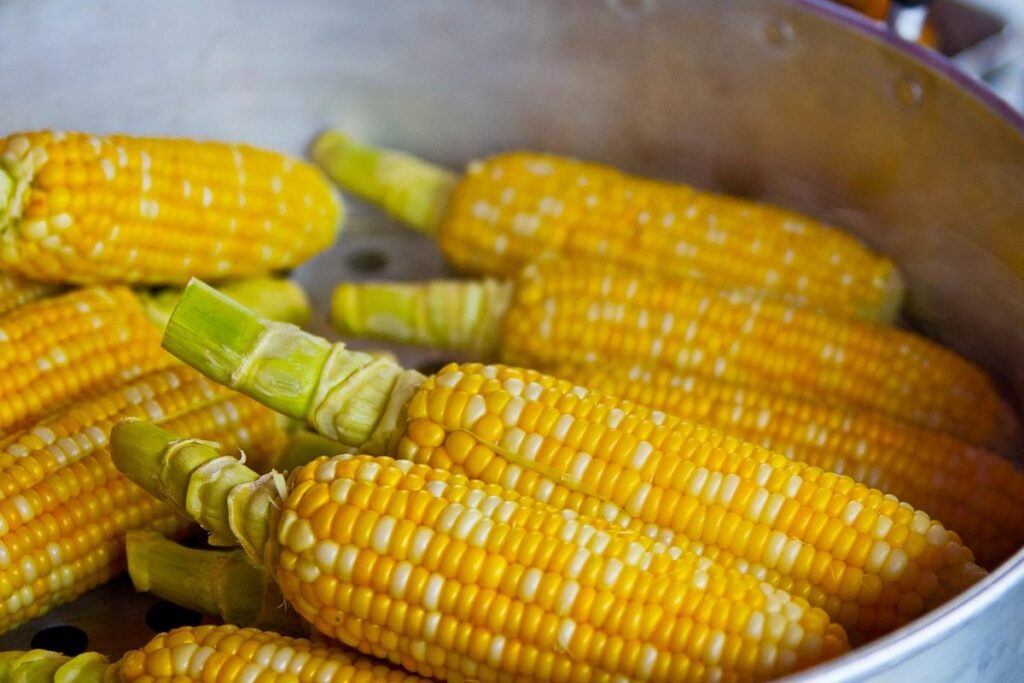
What Are Popcorn Kernels?
So, what exactly are those tiny little seeds called popcorn kernels? They’re actually immature corn seeds that hold a secret to transforming into fluffy, delicious popcorn.
Definition and Structure
Popcorn kernels are the edible seeds of a special type of corn called Zea mays everta. They’re composed of several key components that make them unique and perfect for popping into the delicious snack we all know and love. At their core, popcorn kernels consist of three main parts: the pericarp, endosperm, and germ.
The pericarp is the outermost layer, providing protection to the kernel from the outside environment. It’s a thin, dry layer that’s easily removable once the kernel starts to germinate. The endosperm is the starchy middle section of the kernel, accounting for about 80% of its composition. This hard, compact starch serves as food storage for the developing plant. Inside the endosperm lies the germ, which contains the embryo and future roots and shoots of the new corn plant.
When selecting popcorn kernels, it’s essential to choose ones that are high in moisture content (about 14%) and contain a sufficient amount of hard outer coating, or pericarp, as this will influence their ability to pop evenly. By understanding the structure and composition of popcorn kernels, you’ll be better equipped to predict how they’ll behave during germination and popping processes.
Types of Popcorn Kernels
When it comes to popcorn kernels, you’ll find that there are several types to choose from, each with its own unique characteristics and benefits. Let’s take a closer look at some of the most common varieties.
One of the most well-known types is yellow popcorn kernels. These have a mild flavor and a tender, flaky texture that makes them perfect for snacking or using in recipes. They’re also relatively easy to grow and require minimal maintenance, making them a great choice for beginners.
White popcorn kernels are another popular variety, known for their light color and delicate flavor. They have a softer texture than yellow kernels and tend to pop more easily, which can result in a higher yield.
There’s also a range of specialty varieties available, including red, blue, and purple popcorn kernels. These offer unique flavors and textures that can add some excitement to your snacking routine. For example, red popcorn kernels have a sweeter flavor and a slightly firmer texture than yellow or white kernels.
When selecting popcorn kernels for planting, consider the climate and growing conditions in your area. Some varieties are better suited to warmer or cooler temperatures, so make sure to choose one that will thrive in your specific environment.
Factors Influencing Germination
As we dive deeper into the science of popcorn kernel germination, let’s explore the key factors that influence this process and what makes it tick. Moisture levels, temperature, and soil quality are just a few elements at play.
Temperature and Moisture Requirements
For popcorn kernels to germinate successfully, it’s essential to provide them with the right temperature and moisture levels. Research has shown that optimal germination occurs between 65°F (18°C) and 85°F (29°C). Temperatures above or below this range can slow down or even halt the process. For instance, when tested at 50°F (10°C), germination rates for popcorn kernels dropped significantly.
Moisture is also crucial, but overwatering can be detrimental. The ideal moisture level is around 70% to 80%. This allows the kernel to absorb enough water without becoming waterlogged. If you’re growing popcorn indoors, make sure your soil has good drainage and avoid watering too frequently. A simple trick is to mist the seeds lightly with a spray bottle until they sprout.
Keep in mind that germination times can vary depending on temperature and moisture conditions. In general, it takes 7-10 days for popcorn kernels to germinate at optimal temperatures. Be patient and monitor your seeds’ progress closely. By providing the right environment, you’ll be well on your way to successfully cultivating healthy popcorn plants.
Light Exposure and Its Effects
Light exposure plays a significant role in popcorn kernel germination. Most plants, including popcorn kernels, have an innate photoperiodic response, which means their growth and development are influenced by the duration and intensity of light exposure.
Research has shown that adequate light exposure is essential for seed germination. In fact, a study conducted on maize (corn) found that seeds exposed to 24 hours of continuous light exhibited a 25% increase in germination rates compared to those exposed to 12 hours of light followed by 12 hours of darkness.
The optimal light intensity for popcorn kernel germination is typically between 20-50 micromoles per second. However, this can vary depending on the specific growing conditions and environment. Providing adequate light exposure during the germination process can significantly impact kernel development.
When providing light for popcorn kernels, it’s essential to maintain a consistent photoperiod. A day/night cycle of 12 hours of light followed by 12 hours of darkness is often recommended.
The Germination Process
Germinating a popcorn kernel is a fascinating process that involves a series of chemical and physical changes, ultimately leading to the emergence of a tiny sprout. In this next step, we’ll explore what happens inside that kernel as it begins to grow.
Stage 1: Activation
At this stage, the kernel is just beginning to awaken from its dormant state. The first step in germination is absorption of water, which triggers a series of chemical reactions that set the process in motion. This initial uptake of moisture causes the hard outer layer of the kernel, known as the pericarp, to swell and become more permeable.
As the kernel absorbs water, it begins to soften and the starchy endosperm inside starts to break down into simpler sugars. This increase in moisture also triggers the production of enzymes that help to rehydrate the dry starches within the kernel. It’s essential for this stage to occur gradually, as sudden immersion in water can cause the kernel to burst or become disfigured.
To facilitate healthy germination, ensure that kernels are stored in a cool, dry place until they’re ready for soaking. When you’re preparing to soak your kernels, gently rinse them with cold water to remove any impurities and then submerge them in a shallow layer of water. The ideal soaking time will vary depending on the type of kernel and desired outcome, but generally, 8-12 hours is sufficient for initial activation.
Stage 2: Water Absorption and Imbibition
When water absorption triggers a series of chemical reactions within the kernel, it’s essential to understand what happens next. This process is called imbibition, and it plays a crucial role in germination.
As the water molecules penetrate the kernel, they dissolve the hard outer layers, making way for enzymes to break down the starches inside. This breakdown releases sugars, which fuel the metabolic processes necessary for germination. The rate of water absorption determines how quickly these chemical reactions occur.
The optimal temperature and moisture levels for this process are around 77°F (25°C) with a relative humidity of 70-80%. At this point, the kernel starts to expand, and its natural enzymes start breaking down the hard outer layers. It’s essential to provide consistent moisture levels during this stage to avoid stunted growth or even death.
As the kernel absorbs more water, it begins to swell, eventually bursting its shell to reveal the sprouting process. The entire process typically takes around 5-10 minutes for large popcorn kernels and can vary depending on factors like humidity and temperature.
Stage 3: Sprouting and Root Development
As we’ve seen so far, the popcorn kernel has undergone significant changes during Stage 2 of germination. Now, it’s time for the final stage: Sprouting and Root Development. This critical period is where the kernel prepares to break free from its shell and start growing into a fully-fledged plant.
During this stage, the kernel begins to develop roots that will anchor itself to the soil and provide essential nutrients for growth. The root system starts to form from the radicle, which emerges from the bottom of the seed. As the roots grow, they absorb water and minerals from the surrounding environment, allowing the kernel to start producing its own food through photosynthesis.
As the roots develop, the coleoptile (the first leaf to emerge) begins to push through the shell, preparing for its eventual break-through. This is a crucial period, as it determines how well the plant will be able to absorb water and nutrients from the soil. By ensuring optimal conditions during this stage, you can significantly improve the chances of successful germination and healthy plant growth.
In an ideal environment, the kernel should remain consistently moist but not waterlogged, allowing for steady root development.
Environmental Factors Affecting Germination
So, what factors outside of the kernel itself can influence whether it sprouts and grows into a healthy, puffy popcorn plant? Temperature and moisture levels play key roles in germination.
Soil Quality and pH Levels
When it comes to popcorn kernel germination, soil quality and pH levels play a crucial role in determining the success of the germination process. Soil that is rich in nutrients and has an optimal pH level between 6.0 and 7.0 will provide the necessary conditions for healthy growth.
A study on corn germination found that kernels sown in soils with high nutrient content had higher germination rates compared to those sown in poor soil quality (1). This is because soil provides essential nutrients like nitrogen, phosphorus, and potassium that are critical for kernel development. On the other hand, acidic or alkaline soils can lead to nutrient deficiencies, stunted growth, and reduced yields.
In practical terms, this means gardeners should test their soil pH regularly and adjust it if necessary. Adding organic matter like compost or well-rotted manure can improve soil fertility while reducing its acidity (2). By ensuring optimal soil conditions, growers can increase the chances of successful kernel germination, which is a critical step in popcorn production.
References:
(1) A study published in the Journal of Agronomy and Crop Science found that corn kernels sown in soils with high nutrient content had higher germination rates.
(2) Adding organic matter like compost or well-rotted manure can improve soil fertility while reducing its acidity.
Water Availability and Stress Tolerance
When it comes to germinating popcorn kernels, water availability and stress tolerance play crucial roles. Popcorn kernels are highly sensitive to drought conditions, which can slow down the germination process significantly. Research has shown that even a 10% reduction in moisture levels can decrease germination rates by up to 50%. On the other hand, excessive water can lead to flooding, causing the kernel’s embryo to rot and preventing germination altogether.
To mitigate these risks, farmers often implement techniques such as controlled irrigation systems or mulching to regulate soil moisture. For home growers, ensuring that the soil is consistently moist but not waterlogged is key. It’s also essential to plant seeds at a depth that allows for adequate aeration, preventing water from accumulating around the embryo.
In practical terms, this means monitoring soil moisture levels regularly and adjusting watering schedules accordingly. A good rule of thumb is to water seeds when the top inch of soil feels dry to the touch, but avoid overwatering by checking for signs of excess moisture such as softened or squelching soil. By striking a balance between adequate hydration and avoiding waterlogged conditions, you can promote optimal germination rates in your popcorn kernels.
The Role of Hormones in Germination
Hormones play a crucial role in triggering germination, and we’ll explore how these tiny chemical messengers kickstart the process in popcorn kernels. Let’s take a closer look at their specific function.
Auxin and Gibberellin Regulation
During germination, two crucial hormones play a pivotal role in regulating cell elongation and division: auxin and gibberellin. These hormone regulators work synergistically to facilitate the growth of the radicle (primary root) and subsequent development of the seedling.
Auxin, produced by the embryo, is transported downward through the radicle, promoting cell elongation and division. This process allows the radicle to break through the seed coat and anchor itself in the soil. In contrast, gibberellins are primarily responsible for stimulating cell division in the shoot meristem, facilitating the emergence of the coleoptile (seedling stem). The optimal balance between auxin and gibberellin levels is essential for successful germination.
An example of this delicate balance can be seen in maize (corn) seeds, where a slight increase or decrease in gibberellin production can result in either excessive shoot growth or stunted radicle development. By fine-tuning their hormone regulation, plants can optimize their growth potential and adapt to environmental conditions, ultimately giving rise to a healthy and robust seedling.
Ethylene Production and Sensitivity
As we delve deeper into the process of popcorn kernel germination, it’s essential to explore the role of ethylene production and sensitivity. Ethylene is a hormone that plays a crucial part in regulating plant growth, including seed germination. When exposed to heat, moisture, or stress, popcorn kernels produce ethylene, which triggers a series of biochemical reactions that ultimately lead to germination.
In fact, studies have shown that ethylene production increases significantly as the kernel absorbs water and temperature rises. This is why microwave popping, for example, works so well – the rapid heating causes a surge in ethylene production, prompting the kernel to burst into growth. However, excessive ethylene can be detrimental to germination, causing kernels to become over-ripe or even rot.
To take advantage of this process, gardeners and popcorn enthusiasts can use various methods to control ethylene levels. One approach is to store seeds at low temperatures (around 32°F) for several days before popping. This slows down ethylene production, allowing the kernel to germinate more slowly and consistently. By fine-tuning these variables, you can optimize the conditions for successful popcorn kernel germination.
Conclusion: Optimizing Popcorn Kernel Germination
Now that we’ve explored the intricacies of popcorn kernel germination, let’s discuss practical tips for optimizing this process to achieve better yields and healthier kernels.
Practical Applications and Tips
Now that you’ve gained a deeper understanding of the germination process, it’s time to apply this knowledge to optimize your popcorn kernel yields. As a farmer, gardener, or popcorn enthusiast, you’re likely eager to put these insights into practice.
To improve germination rates, start by selecting high-quality seeds that are specifically bred for optimal germination and growth. Look for seeds with a higher percentage of “plump” kernels, as these tend to germinate more quickly and consistently. Proper storage conditions can also play a significant role in maintaining seed viability. Keep your seeds cool, dry, and away from direct sunlight.
When it comes to preparing the soil, ensure it’s well-draining and has an optimal pH level (around 6.0-7.0) for popcorn growth. You may need to amend your soil with organic matter or fertilizers to achieve this balance. Consistency is key when it comes to watering; keep the soil moist but not waterlogged to promote healthy root development.
To further enhance germination rates, consider using a “damping off” control method. This involves treating seeds with a fungicide or applying a barrier between the seed and the surrounding medium to prevent fungal growth that can inhibit germination. Additionally, maintaining optimal temperatures (around 70-80°F) for germination will help ensure consistent and healthy growth.
By implementing these practical tips and techniques, you’ll be well on your way to optimizing popcorn kernel germination rates in your own garden or operation.
Frequently Asked Questions
How do I know if my popcorn kernels are suitable for germination?
Not all popcorn kernels can be successfully germinated. Factors like storage conditions, kernel maturity, and variety play a significant role. Check the kernel’s moisture content, look for any signs of mold or insect damage, and consider using high-quality seeds specifically bred for popping.
Can I use a humidifier to provide optimal moisture levels during germination?
Yes, using a humidifier can help maintain consistent moisture levels, but be cautious not to overdo it. Popcorn kernels require a specific balance between too dry and too wet conditions. Monitor temperature and humidity levels closely to prevent waterlogged kernels or drying out.
What’s the ideal time frame for germinating popcorn kernels?
The optimal germination period varies depending on factors like temperature and moisture. Generally, you can expect germination to take place within 1-3 days at room temperature (around 70°F/21°C). Keep an eye on your seeds’ progress, as some varieties may have different requirements.
How do I prevent fungal growth during the germination process?
Maintaining good air circulation and proper watering schedules can help prevent fungal growth. Use a sterile growing medium, keep the area clean, and ensure adequate light exposure to promote healthy root development.
Can I reuse water for germinating multiple batches of popcorn kernels?
No, it’s not recommended to reuse water from previous germination attempts. Water may contain chemical residues or other substances that can inhibit germination or affect kernel quality. Use fresh, distilled water each time you start a new batch.