
Creating a thriving ecosystem around your pond can be just as rewarding as the tranquil atmosphere it provides. But did you know that the right plants can make all the difference in attracting and supporting local wildlife? By selecting the perfect combination of plants for your pond edge, you can create a haven for birds, bees, and butterflies to enjoy. In this article, we’ll explore the essential elements to consider when choosing plants for your pond’s edge, from considering location and soil conditions to providing vital food sources and shelter for local wildlife. We’ll delve into the world of pond edge plants for wildlife, sharing expert tips on how to create a balanced ecosystem that benefits both humans and nature alike.
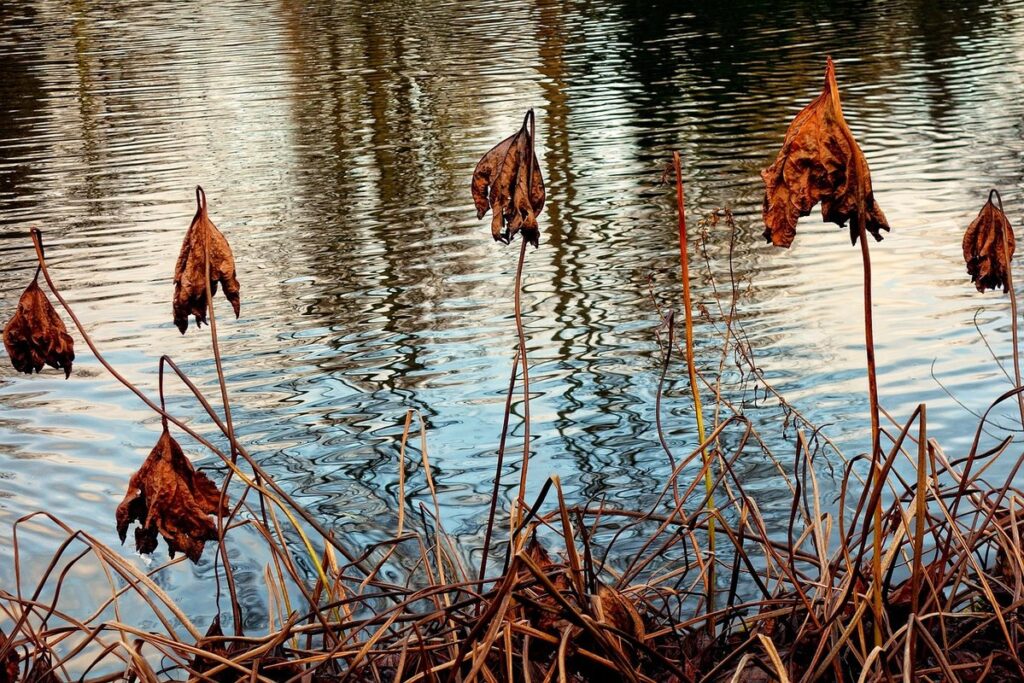
Choosing the Right Location for Pond Edge Plantings
When it comes to creating a welcoming habitat for wildlife, selecting the right location for your pond edge plantings is crucial. Let’s explore some key considerations to make this decision easier.
Understanding Pond Size and Depth Requirements
When choosing plants for the edge of your pond, it’s essential to consider not just their beauty and hardiness but also their suitability for the water feature itself. Specifically, you need to think about the pond size and depth requirements to ensure that the plants thrive and provide a welcoming habitat for beneficial wildlife.
For small ponds (less than 1/4 acre), a minimum depth of 18-24 inches is recommended. This allows for sufficient oxygen levels and prevents stagnation, which can harm plants and animals alike. In these smaller water features, choose plants that have shallow root systems or those that prefer standing water, such as irises or cattails.
For larger ponds (1/4 acre or more), a minimum depth of 3-4 feet is typically necessary to maintain healthy ecosystems and support aquatic life. Plants with deeper roots or those that tolerate periodic flooding are ideal choices for these bigger ponds. Consider incorporating native species like water lilies or pickerelweed, which are naturally adapted to the local environment.
Remember, it’s not just about the plants themselves but also the balance between plant growth and water circulation. By selecting suitable pond edge plants based on size and depth requirements, you’ll create a thriving habitat for beneficial wildlife to enjoy your water feature.
Assessing Sunlight and Soil Conditions
When selecting pond edge plants, it’s essential to assess the sunlight and soil conditions in the area. These factors will significantly impact the health and survival of your chosen plant species.
To determine the amount of sunlight a pond receives, observe the surrounding landscape during different times of day. Note the number of hours the sun shines on the pond, taking into account any nearby structures or trees that may cast shade. A general rule of thumb is to choose plants that thrive in full sun (six or more hours of direct sunlight) if your pond receives full sun for most of the day.
Next, inspect the soil composition by digging a small test hole near the pond’s edge. Check the pH level and texture – whether it’s sandy, clay-based, or loamy. This information will help you select plants adapted to these specific conditions. For example, if your soil is alkaline, opt for plants that tolerate high pH levels, such as sedges or rushes.
Selecting Pond Edge Plants: A Guide to Wildlife-Friendly Species
When it comes to choosing plants for your pond’s edge, selecting species that attract wildlife is crucial. Let’s explore some top picks that will bring beneficial birds and insects to your water feature.
Native Plant Options for Attracting Local Wildlife
When it comes to attracting local wildlife to your pond edge, incorporating native plant species is essential. These plants have co-evolved with the local ecosystem and provide exactly what the area’s beneficial species need to thrive.
Consider adding pollinator-friendly flowers like Bee Balm (Monarda didyma) or Blazing Star (Liatris spp.) to your pond edge. These plants are rich in nectar and pollen, making them a magnet for bees, butterflies, and hummingbirds. For bird enthusiasts, incorporating plants with berries or seeds is crucial. Native shrubs like Elderberry (Sambucus canadensis) or Dogwood (Cornus florida) offer sustenance during the winter months when food sources are scarce.
Incorporating native grasses, such as Little Bluestem (Schizachyrium scoparium) or Indian Grass (Sorghastrum nutans), can also attract local wildlife. These grasses provide shelter and habitat for small mammals and insects while supporting beneficial pollinators like bees and butterflies. When selecting plants, choose species that are native to your region and specific climate zone to ensure their success and the well-being of the local ecosystem.
Non-Native but Beneficial Plant Choices
While it’s essential to opt for native plants whenever possible, there are some non-native options that can still provide significant benefits to wildlife. For instance, Japanese Knotweed (Fallopia japonica) and Giant Hogweed (Heracleum mantegazzianum) may not be native to your region, but they offer valuable food sources for beneficial insects like bees and butterflies.
Other non-native plants that are beneficial to wildlife include Canna Lily (Canna x generalis), which attracts hummingbirds and other pollinators, and Lantana (Lantana camara), a butterfly magnet. When incorporating these species into your pond edge plant selection, be sure to exercise responsible planting practices. This means containing them to prevent potential invasions of native ecosystems.
Before introducing any non-native plants, make sure they won’t outcompete local flora or become invasive. Consider factors like hardiness zones, climate, and specific growing conditions to ensure a smooth transition for both the plant and surrounding ecosystem. Researching and choosing carefully will allow you to create a welcoming habitat for beneficial wildlife species, even with non-native additions.
Benefits of Pond Edge Plants for Wildlife
Pond edge plants are a crucial element in creating a thriving ecosystem, providing vital food and shelter for beneficial wildlife species. Let’s explore their many benefits.
Providing Food Sources for Birds and Small Mammals
When it comes to creating a thriving ecosystem around your pond, providing essential food sources for various species is crucial. Pond edge plants play a vital role in this aspect, offering a diverse array of nutrients and sustenance for birds, small mammals, and insects.
Insects such as bees, butterflies, and dragonflies are drawn to the nectar-rich flowers of plants like water lilies, irises, and cattails. These beneficial insects pollinate plants and serve as a food source for birds and small mammals. For example, bees collect pollen from lavender plants, which not only benefits the ecosystem but also improves the plant’s resistance to diseases.
Birds, such as robins, blue jays, and wrens, are attracted to seeds, fruits, and berries produced by pond edge plants like sedges, rushes, and watercress. Small mammals, including mice, voles, and hedgehogs, feed on insects, seeds, and leaves from plants like mint, horsetail, and cattails.
By incorporating a variety of pond edge plants into your landscape design, you can create a haven for local wildlife to thrive, providing essential food sources that support the ecosystem’s balance.
Offering Shelter and Habitat for Beneficial Organisms
When it comes to creating a thriving ecosystem around your pond, offering shelter and habitat for beneficial organisms is just as important as attracting them in the first place. Pond edge plants play a crucial role in providing this essential service, and their benefits are numerous.
For instance, plants like cattails, water lilies, and pickerelweed create dense vegetation that serves as an ideal breeding ground for frogs and toads. These amphibians can lay eggs in the sheltered waters beneath the plant’s leaves, ensuring their young have a safe haven from predators until they’re ready to venture out.
Similarly, dragonflies and damselflies find pond edge plants to be an attractive spot for resting and hiding. Their long, slender bodies make them well-suited to navigate through dense vegetation, where they can hunt for insects and evade larger predators.
To create a welcoming habitat for these beneficial organisms, choose a mix of native plant species that thrive in your local climate. Be sure to also leave some areas around the pond unmanicured, allowing plants to grow freely and form a natural shelter for wildlife. By doing so, you’ll be creating a haven not just for birds and butterflies, but also for the smaller creatures that call your pond home.
Designing a Wildlife-Friendly Pond Edge: Plant Layout and Maintenance Tips
Now that you’ve chosen your pond edge plants, let’s focus on designing a thriving habitat by laying out your plants for maximum wildlife benefit. Effective plant layout is key to attracting beneficial species.
Creating a Diverse Plant Community
Creating a diverse plant community is essential for attracting a range of wildlife species to your pond edge. A well-designed plant layout can provide shelter, food, and breeding grounds for beneficial insects, amphibians, and birds. When planning your plant community, consider the mature size of each plant and leave enough space between them for easy maintenance.
Aim to create layers within your plant community by incorporating plants with different growth habits, such as tall reeds, mid-level shrubs, and low-growing groundcovers. This layering will provide a diverse range of habitats for wildlife. For example, tall vegetation can provide shelter from predators, while open areas between plants allow for easy movement.
To maintain a healthy plant community, it’s essential to strike a balance between planting density and air circulation. Overcrowding can lead to disease and pests, while sparse planting may not provide sufficient shelter or food sources. Monitor your plant growth regularly and adjust the spacing as needed. This will ensure a thriving plant community that supports the local wildlife.
Ongoing Maintenance and Upkeep
Maintaining a healthy pond edge ecosystem is crucial for attracting and supporting beneficial wildlife. Regular watering is essential, especially during hot summer months when evaporation rates are high. Aim to provide about 1-2 inches of water per week, either through rainfall or supplemental irrigation. Be mindful not to overwater, as this can lead to algae blooms that harm aquatic life.
Pruning is another critical aspect of pond edge maintenance. Remove dead or dying plant material to prevent decay and reduce the risk of invasive species taking hold. For example, if you have water lilies with yellowing leaves, trim them back to about 2-3 inches from the surface to promote new growth. Additionally, monitor your plants regularly for signs of disease, pests, or invasive species like Japanese knotweed.
Monitor your pond edge regularly for invasive species, and remove any unwanted plants promptly. Regular inspections will also help you identify areas where maintenance is needed, such as pruning overgrown vegetation or replenishing mulch to suppress weeds. By prioritizing regular watering, pruning, and monitoring, you’ll create a thriving environment that supports the very wildlife you want to attract.
Planting Pond Edge Plants: Tips for Success
When planting pond edge plants, it’s essential to choose varieties that thrive in wet conditions and require minimal maintenance. With these tips, you’ll be well on your way to a thriving wildlife-friendly edge.
Preparing the Soil for Planting
When preparing the soil for planting pond edge plants, it’s essential to create an environment that is conducive to healthy growth and attractive to beneficial wildlife. Begin by removing weeds and debris from the area. This not only gives you a clean slate but also prevents competition for resources like light, water, and nutrients.
Use tools such as hand weeding or a hoe to remove unwanted vegetation, taking care to avoid damaging any underlying plants. Next, inspect the soil’s texture and pH level. If it’s too dense or compacted, use a fork to loosen it up, allowing air and water to penetrate more easily. Check your local nursery for recommendations on soil amendments if necessary.
Consider adding organic matter like compost or well-rotted manure to enrich the soil. This not only improves drainage but also provides essential nutrients for plant growth. A general rule of thumb is to mix in about 2-3 inches of compost, working it gently into the top 6-8 inches of soil.
Aftercare and Monitoring for Wildlife Activity
Aftercare and Monitoring for Wildlife Activity
When you’ve finished planting your pond edge plants, it’s essential to give them proper care to ensure they thrive. Newly planted vegetation requires consistent moisture, especially during its first year of growth. To maintain optimal conditions, water your plants regularly, but avoid overwatering, which can lead to root rot and other issues.
Monitoring wildlife activity around your pond is equally important. Observe the types of species visiting your water feature, including birds, insects, and mammals. Keep a journal or use a mobile app to record your observations, noting dates, times, and the specific species spotted. This will help you identify which plants are most attractive to beneficial species.
Keep in mind that some plants may require more maintenance than others. For example, irises need division every few years to maintain their health. Regular pruning can also promote healthy growth and encourage the production of flowers or berries that attract wildlife.
By providing proper care for your pond edge plants and monitoring their impact on local wildlife populations, you’ll be well on your way to creating a thriving ecosystem that supports biodiversity and attracts beneficial species to your water feature.
Conclusion: Creating a Thriving Pond Edge Ecosystem
As you’ve learned about the diverse array of pond edge plants for wildlife, it’s essential to remember that creating a thriving ecosystem is not just about selecting the right plants. It also requires understanding how these plants interact with the water feature and the various species that visit it. By incorporating native plants, providing suitable habitat structures, and avoiding invasive species, you can create a balanced environment that supports an abundance of beneficial wildlife. For example, adding rocks or logs to your pond’s edge creates hiding spots for aquatic creatures, while also providing perches for birds and insects. With patience and attention to detail, you’ll be well on your way to establishing a thriving pond edge ecosystem that attracts a wide range of wildlife species.
Frequently Asked Questions
Can I mix native and non-native plants in the same pond edge ecosystem?
Native plants are essential for attracting local wildlife, but incorporating a few non-native beneficial species can enhance biodiversity. However, be cautious not to introduce invasive species that might harm your local ecosystem. Research each plant’s specific needs and potential impact before introducing them.
How often should I maintain my pond edge plantings to ensure their health and effectiveness?
Regular maintenance is crucial for the success of your pond edge ecosystem. Aim to inspect and prune plants every 2-3 weeks during peak growing seasons, removing any dead or dying material. Also, consider seasonal tasks like dividing and replanting species as needed.
How do I protect my pond edge plants from extreme weather conditions, such as heavy rainfall or intense heatwaves?
Extreme weather events can be challenging for pond edge plants. To mitigate damage, ensure your plants have a stable root system by providing adequate soil moisture and avoiding over-watering during wet spells. For heatwaves, consider using mulch to retain soil moisture and provide some shade for sensitive species.
Can I plant pond edge species near water features other than ponds, such as lakes or streams?
While many pond edge plants can thrive in a variety of aquatic settings, it’s essential to choose species that are adapted to the specific conditions of your lake or stream. Research local conditions like water flow, depth, and surrounding vegetation before selecting plants for non-pond applications.
How do I encourage beneficial insects like bees and butterflies to visit my pond edge ecosystem?
Beneficial insects like bees and butterflies are attracted to nectar-rich flowers and areas with minimal pesticide use. Plant a variety of insect-friendly species, such as coneflowers or black-eyed Susans, near your pond’s edge. Avoid using pesticides in your garden and maintain a pesticide-free zone around the water feature to create a welcoming habitat for these pollinators.