
Are you considering expanding your garden or taking your growing game to the next level? You’re probably weighing up the pros and cons of two popular options: polytunnels and greenhouses. Both offer excellent protection from the elements, but which one is right for you? In this article, we’ll delve into the key differences between these two gardening staples, highlighting their advantages and disadvantages so you can make an informed decision.
We’ll explore the benefits of each option, including temperature control, pest management, and space maximization. We’ll also discuss the potential drawbacks, such as initial investment costs and maintenance requirements. By comparing polytunnels and greenhouses side-by-side, we hope to give you a clear understanding of which one will best meet your gardening needs. Whether you’re a seasoned gardener or just starting out, this comparison is essential reading for anyone looking to create a thriving garden oasis.
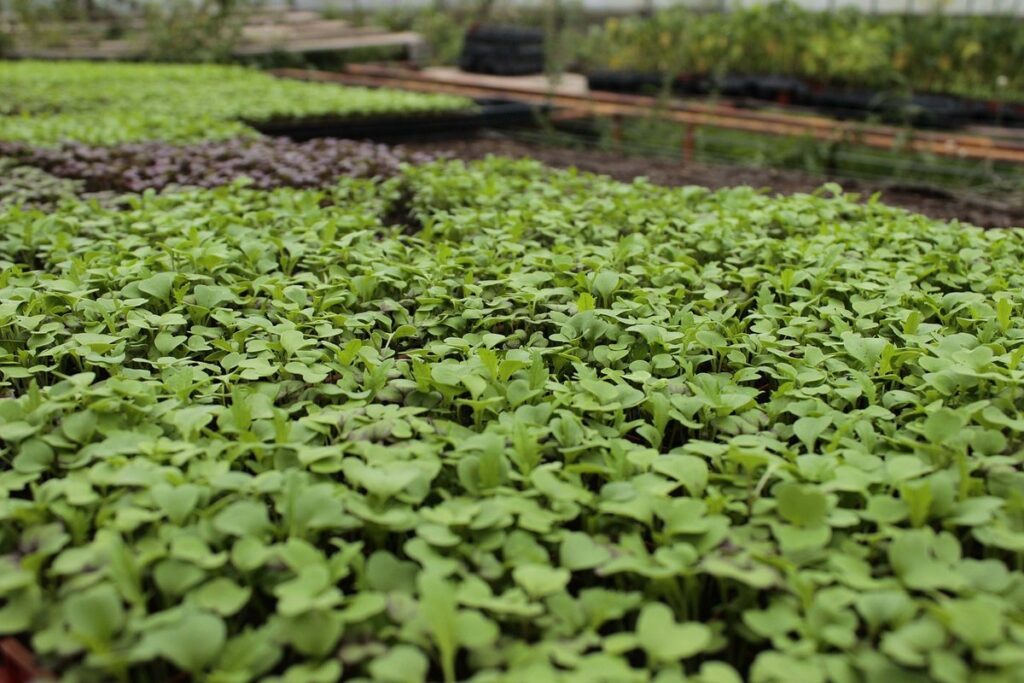
Introduction to Polytunnels and Greenhouses
Let’s start by exploring what polytunnels and greenhouses are, and why you might be considering using one for your gardening needs. We’ll cover the basics of each option.
What are Polytunnels?
A polytunnel is a type of tunnel-shaped structure made from durable materials such as metal, plastic, or glass, designed to provide protection for plants from harsh weather conditions. These structures are often used in gardening and agriculture to extend the growing season, increase crop yields, and reduce pests and diseases.
One of the significant benefits of polytunnels is their cost-effectiveness compared to traditional greenhouses. Polytunnels can be erected at a lower cost, making them an attractive option for small-scale gardeners or those on a budget. Additionally, they are relatively easy to assemble and disassemble, allowing for flexibility in terms of space usage.
Common uses for polytunnels include growing vegetables, fruits, and flowers year-round, as well as providing protection for plants during extreme weather conditions such as heavy rainfall, strong winds, or intense sunlight. They can also be used for propagation, seed starting, and hardening off young plants before transplanting them outside. By using a polytunnel, gardeners can enjoy fresh produce for longer periods and reduce their reliance on external resources.
What are Greenhouses?
A greenhouse is essentially an enclosure made of transparent materials such as glass or polycarbonate that allows plants to be grown in a controlled environment. These structures provide protection from external elements like wind, rain, and extreme temperatures, creating a warm and stable microclimate for optimal plant growth. One key characteristic of greenhouses is their ability to harness solar energy, which is then retained within the structure through glazing materials.
Greenhouses differ significantly from polytunnels in terms of design and functionality. Unlike polytunnels that can be erected over existing beds or areas with minimal modifications, greenhouses are typically built as freestanding structures that enclose a specific area. Greenhouses also have higher internal temperatures than polytunnels due to their ability to trap heat more efficiently.
In practical terms, greenhouses allow for precise control over temperature, humidity, and light levels, making them ideal for cultivating sensitive or exotic plants. However, they often require significant investment in materials and labor compared to polytunnels.
Advantages and Disadvantages of Polytunnels
When deciding between a polytunnel and greenhouse, it’s essential to weigh up their respective pros and cons. Let’s examine the advantages and disadvantages of using a polytunnel for your gardening needs.
Benefits of Using a Polytunnel
Using a polytunnel can provide numerous benefits for gardeners and farmers alike. One of the most significant advantages is its cost-effectiveness. Polytunnels are generally cheaper to purchase and install compared to greenhouses, making them an attractive option for those on a budget. Additionally, they require less maintenance, as they don’t need elaborate heating systems or expensive glazing materials.
Another benefit of polytunnels is their ease of installation. Unlike greenhouses that often require complex structural designs and expert assembly, polytunnels can be easily erected using simple frames and covers. This makes them ideal for DIY enthusiasts and those with limited technical expertise. Moreover, polytunnels provide excellent weather protection, shielding crops from harsh sunlight, strong winds, and heavy rainfall.
To maximize the benefits of a polytunnel, consider investing in high-quality materials that can withstand various weather conditions. Also, ensure proper ventilation to prevent overheating and maintain optimal growing conditions for your plants. By following these tips, you can enjoy the advantages of polytunnels while minimizing their limitations.
Limitations and Drawbacks of Polytunnels
While polytunnels offer numerous benefits for growers, they also have some limitations and drawbacks to consider. One of the main limitations is their limited insulation capabilities compared to greenhouses. Polytunnels are essentially larger versions of garden cloches, relying on a transparent plastic or polythene cover to let in sunlight and trap warmth. However, this cover does not provide the same level of insulation as glass or glazing materials used in traditional greenhouses.
As a result, polytunnels can be vulnerable to strong winds, which can damage the structure or even rip off the covering material. This is particularly true for larger polytunnels exposed to open fields or coastal areas prone to gusty weather. Another issue that growers may encounter with polytunnels is condensation buildup, especially in regions with high humidity levels. This can lead to water droplets forming on the inside of the cover and dripping onto plants below, potentially causing damage.
To mitigate these risks, growers should consider using additional supports or windbreaks for their polytunnel structures, as well as implementing effective ventilation systems to prevent condensation buildup.
Advantages and Disadvantages of Greenhouses
Now that you’ve weighed the pros and cons of polytunnels, let’s examine the advantages and disadvantages of using a greenhouse for your gardening needs. This section provides an overview of what to expect from greenhouses.
Benefits of Using a Greenhouse
Using a greenhouse offers numerous benefits that can significantly enhance your gardening experience. One of the primary advantages is superior climate control. With precise temperature and humidity regulation, you can create an optimal environment for plants to thrive, regardless of external weather conditions. This allows you to extend growing seasons and enjoy a bountiful harvest year-round.
A greenhouse also enables increased crop yields due to its ability to regulate light levels, air circulation, and pest management. By creating a stable microclimate, you can promote healthy plant growth, resulting in higher yields and better quality produce. For instance, tomatoes grown in a greenhouse can be up to 30% more productive than those cultivated outdoors.
In addition to these benefits, greenhouses also provide protection from extreme weather conditions such as frost, hail, and strong winds. This ensures that your plants remain safe and healthy throughout the year. By utilizing a greenhouse, you can create a controlled environment that enables you to grow a wide range of crops, regardless of the external climate or season.
Limitations and Drawbacks of Greenhouses
While greenhouses offer numerous benefits, they also come with some significant limitations and drawbacks. One of the main concerns is the higher upfront cost of purchasing a greenhouse, which can range from a few thousand to tens of thousands of dollars, depending on its size and features. This investment may be out of reach for many gardeners or small-scale farmers.
In addition to the initial expense, greenhouses require regular maintenance to ensure optimal growing conditions. This includes tasks such as cleaning the glazing, inspecting and repairing the frame, and monitoring temperature and humidity levels. Neglecting these duties can lead to a range of problems, from pests and diseases to reduced crop yields.
Furthermore, greenhouses are susceptible to overheating or underheating due to factors like climate fluctuations, inadequate ventilation, or poorly designed insulation. This can result in stressed plants, reduced growth rates, or even complete crop failures. To mitigate these risks, it’s essential to invest in proper ventilation systems and temperature control measures. By understanding the potential drawbacks of greenhouses, gardeners and farmers can make informed decisions about their growing setup and take steps to minimize these challenges.
Comparing Polytunnels and Greenhouses: Key Differences
Now that we’ve explored the benefits of polytunnels and greenhouses, let’s dive into the key differences between these two popular options. What sets them apart?
Climate Control and Insulation
When it comes to climate control and insulation, polytunnels and greenhouses have some key differences. Poly tunnels are often more affordable and easier to install than greenhouses, but they can be more challenging to regulate the internal temperature.
Greenhouses, on the other hand, typically come with built-in heating and cooling systems that allow for precise temperature control. These systems often include features such as thermostats, vents, and shading materials that help manage heat loss and gain.
In terms of insulation, poly tunnels usually rely on simple row covers or bubble wrap to keep in warmth, whereas greenhouses can be lined with specialized glazing materials like glass or polycarbonate panels that provide better thermal retention. However, some high-end poly tunnel designs now offer advanced insulation options like double-walled structures and insulating materials.
Ultimately, the choice between a poly tunnel and greenhouse will depend on your specific climate control needs and budget. If you’re looking for an affordable solution with good temperature regulation, a well-designed poly tunnel might be the way to go.
Structural Integrity and Durability
When it comes to structural integrity and durability, polytunnels and greenhouses have distinct differences. Polytunnels are typically made from a polyethylene film that is wrapped over a metal frame, providing a flexible yet robust structure. This material allows for some degree of movement during strong winds or extreme weather conditions, which can help reduce the risk of damage. In contrast, greenhouses are usually constructed with more rigid frames and glass or glazing materials that provide excellent insulation but can be more prone to damage from high winds or hail.
The potential for damage from weather conditions is a crucial consideration when choosing between polytunnels and greenhouses. Polytunnel users often have more flexibility in terms of installation location, as the flexible material can adapt to changing wind patterns. However, this also means that polytunnels may not be suitable for areas with extremely high winds or extreme weather events. Greenhouse structures, on the other hand, require more careful consideration of site selection and may need additional reinforcement measures to withstand harsh weather conditions.
When evaluating structural integrity and durability, consider the following factors:
* Wind resistance: Assess the area’s wind patterns and choose a structure that can adapt to these conditions.
* Material quality: Select high-quality materials that can withstand various weather conditions.
* Maintenance: Regularly inspect and maintain your polytunnel or greenhouse to ensure it remains in good condition.
Choosing Between a Polytunnel or Greenhouse: Factors to Consider
When deciding between a polytunnel and greenhouse, it’s essential to consider several key factors that will determine which option best suits your needs. This includes things like budget, space constraints, and climate control requirements.
Space and Budget Constraints
When it comes to choosing between a polytunnel and a greenhouse, two critical factors that often come into play are space and budget constraints. If you have limited space on your property, a polytunnel might be the better choice due to its compact design and flexibility. These structures can be easily set up in small backyards or even urban gardens, making them ideal for space-challenged gardeners.
On the other hand, if budget is a major concern, a polytunnel is often more cost-effective than a greenhouse. The materials required to build a polytunnel are generally less expensive, and you can even opt for DIY kits that further reduce costs. However, if you’re looking to create a large-scale growing space or want to produce high-value crops like exotic fruits, a greenhouse might be the better investment in the long run.
It’s essential to weigh these factors carefully, considering both your available space and budget before making a decision.
Gardening Goals and Objectives
When considering a polytunnel or greenhouse for your garden, it’s essential to define your gardening goals and objectives. Different objectives will impact your decision between these two structures.
Crop selection is one critical factor to consider. If you’re planning to grow large quantities of fruits and vegetables with high yield expectations, a greenhouse might be the better choice. The controlled environment and heating/cooling system within a greenhouse provide optimal conditions for plant growth, allowing for higher yields. On the other hand, if your focus lies on growing a diverse range of crops, including those that are sensitive to temperature fluctuations, a polytunnel may be more suitable.
Another consideration is space efficiency. If you have limited garden space, a polytunnel can provide an efficient way to grow multiple crops at once due to its tunnel shape and frame design. In contrast, greenhouses often require more floor space to accommodate the additional heating/cooling equipment.
Ultimately, your gardening goals will dictate which structure suits your needs best.
Conclusion: Which One is Right for You?
Now that you’ve weighed the pros and cons of poly tunnels and greenhouses, it’s time to think about which one will work best in your garden. Let’s summarize our findings to help you make a decision.
Recap of Key Points
When considering which structure to choose for your garden, it’s essential to remember the key takeaways from our comparison of polytunnels and greenhouses. On one hand, polytunnels are ideal for growers who prioritize ease of installation, cost-effectiveness, and flexibility in design. They offer a lower upfront investment, with prices starting from around £5-10 per square meter.
On the other hand, greenhouses provide superior climate control and insulation, making them perfect for growers who require year-round production or live in areas with harsh weather conditions. However, they are more expensive to set up, with costs ranging from £20-50 per square meter, not including the cost of materials like glass or polycarbonate panels.
To recap, polytunnels excel at providing basic protection and ventilation for plants, while greenhouses offer advanced climate control and insulation capabilities. Consider your specific needs and growing conditions when making a decision to ensure you choose the best structure for your garden’s success.
Final Thoughts and Recommendations
When choosing between a polytunnel and greenhouse for your gardening needs, there are several factors to consider. On one hand, a polytunnel is an affordable and adaptable option that can be easily installed and dismantled as needed. It’s also relatively lightweight, making it easier to transport and move around. On the other hand, a greenhouse provides optimal climate control and protection from harsh weather conditions.
To make an informed decision, start by considering your specific needs and constraints. Think about the space you have available, your budget, and the types of plants you want to grow. If you’re looking for a cost-effective solution that can be easily set up and taken down, a polytunnel might be the better choice.
However, if you’re willing to invest in a more permanent structure with optimal climate control, a greenhouse could be the way to go. Consider your long-term plans and how they may impact your gardening needs. Remember to also factor in ongoing maintenance costs for both options, as well as any necessary permits or regulations.
Ultimately, it’s essential to weigh the pros and cons of each option carefully and consider what works best for you and your unique situation.
Frequently Asked Questions
Can I use a polytunnel or greenhouse in extreme weather conditions, such as hurricanes or heavy snowfall?
Yes, many modern polytunnels and greenhouses are designed to withstand extreme weather conditions, including high winds, heavy rain, and even earthquakes. However, it’s essential to choose a structure that is specifically rated for your local climate and to ensure proper installation and maintenance to minimize damage.
How do I choose the right size and type of polytunnel or greenhouse for my garden?
The ideal size and type of polytunnel or greenhouse will depend on your specific gardening needs, available space, and budget. Consider factors such as the number of plants you want to grow, climate control requirements, and structural integrity when selecting a structure.
Can I use both polytunnels and greenhouses together in my garden?
Yes, many gardeners choose to combine polytunnels and greenhouses to create a hybrid growing system that takes advantage of the strengths of each. For example, using a polytunnel for cold-weather crops and a greenhouse for warm-season plants.
What are some common maintenance tasks I should perform on my polytunnel or greenhouse?
Regular maintenance is crucial to extend the lifespan of your polytunnel or greenhouse. Tasks may include cleaning debris from the structure, checking for signs of wear and tear, inspecting irrigation systems, and applying protective coatings to prevent damage from weather and pests.
Can I use a polytunnel or greenhouse as a storage space during the off-season?
Yes, many gardeners use their polytunnels and greenhouses as storage spaces during the winter months. This can be an excellent way to protect sensitive equipment, tools, and supplies from the elements while keeping them within easy reach for future gardening projects.