
As you step into your garden, have you ever wondered how to create a haven for these tiny but mighty creatures? Pollinators like bees and butterflies are essential for our ecosystem, but their numbers are dwindling at an alarming rate. One way to make a significant impact is by creating a pollinator pathway – a lush, vibrant route that’s designed specifically with these vital visitors in mind. But where do you start? In this article, we’ll show you how to choose the right plants for each season, share expert tips on garden design and maintenance, and provide guidance on selecting plants that will attract these precious pollinators all year round. With our help, you can create a thriving pollinator pathway that not only supports local ecosystems but also brings a burst of color and life into your outdoor space.
Understanding the Importance of Pollinators
As we explore the world of pollinator pathway plants, it’s essential to understand why these tiny creatures play a vital role in our ecosystem and the impact their decline could have on the environment.
The Role of Pollinators in Food Production
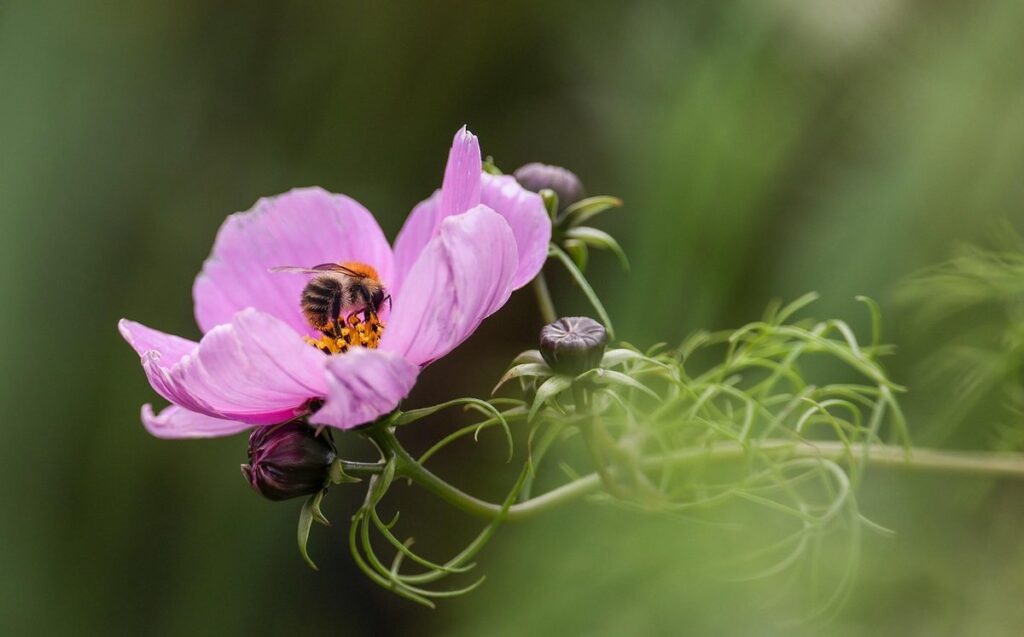
When it comes to maintaining food production, pollinators like bees, butterflies, and hummingbirds play a vital role. Without them, many plants would be unable to reproduce, which means no seeds, no fruits, and no vegetables for us to enjoy.
Here’s how it works: as pollinators visit flowers in search of nectar or pollen, they inadvertently transfer pollen from one plant to another. This process allows the male reproductive cells (pollen) to fertilize the female reproductive cells (stigma), resulting in seed production. In fact, about 1/3 of the food we eat is directly or indirectly dependent on animal pollination.
Take tomatoes, for example – a single tomato plant requires around 200 bees to transfer pollen from its anthers to stigma to produce just one fruit. Without these busy pollinators, our gardens would be significantly less productive and diverse. By creating pollinator-friendly habitats in our own backyards, we can support local ecosystems and contribute to the health of our food supply.
Threats to Pollinator Populations
Pollinators like bees, butterflies, and hummingbirds are facing numerous threats to their populations. One of the primary concerns is habitat loss due to urbanization and intensive farming practices. As natural habitats disappear, pollinators struggle to find food and shelter, leading to a decline in population numbers.
The use of pesticides also poses a significant threat to pollinators. Many commonly used pesticides can harm or kill these vital creatures, disrupting the delicate balance of ecosystems. In fact, research suggests that widespread pesticide use has contributed to a 30% decline in bee populations over the past few decades.
Climate change is another pressing issue affecting pollinators. Rising temperatures and changing weather patterns disrupt their ability to adapt and survive. For example, warmer winters can confuse bees into thinking it’s spring too early, leading to inadequate food storage and reduced colony survival rates.
Invasive species also pose a threat to local ecosystems by outcompeting native plants for resources and altering the delicate balance of pollinator populations. By choosing pollinator-friendly plants that are well-suited to your region, you can help mitigate these threats and support the health of your local ecosystem.
Choosing the Right Plants for Your Pollinator Pathway
When selecting plants for your pollinator pathway, it’s essential to choose a diverse mix of species that will attract and support a variety of pollinators throughout the growing season. This ensures a constant food source and habitat.
Selecting Native Plant Species
When selecting plants for your pollinator pathway, it’s essential to choose native species that provide the necessary food and shelter for local pollinators. Native plants have co-evolved with native pollinators over thousands of years, resulting in a mutually beneficial relationship.
Native plants offer a rich source of nectar, pollen, and host plants, which are crucial for the survival of pollinators. For example, monarch butterflies rely on milkweed as their primary food source, while bees and wasps need flowers that produce high-quality nectar. Native plants also provide shelter from harsh weather conditions, predators, and human activities.
Incorporating native plant species into your pollinator pathway will not only benefit local pollinators but also enhance the overall biodiversity of your ecosystem. To choose the right native plants, consider consulting with a local nursery or botanical garden to identify species that are well-suited to your region’s climate and soil type. Be sure to select a variety of plant types, including grasses, wildflowers, shrubs, and trees, to create a diverse and resilient pollinator pathway.
Considerations for Sun Requirements and Soil Type
When selecting plants for your pollinator pathway, it’s essential to consider their sun requirements and soil type. This will not only ensure that your chosen plants thrive but also provide the right conditions for pollinators to visit.
For full sun plants (6+ hours of direct sunlight), choose species like coneflowers, black-eyed susans, and bee balm, which are perfect for warm locations in your pathway. On the other hand, partial shade plants (4-6 hours of indirect sunlight) such as coral bells, hostas, and bleeding hearts can thrive in areas with dappled or filtered light.
In terms of soil type, consider the pH levels: acidic soils have a lower pH (5.5 or below), while alkaline soils are higher (above 7.3). Plants like azalea, rhododendron, and blueberries prefer acidic conditions, whereas plants like succulents, cacti, and lavender tolerate dry to alkaline soils.
When planning your pollinator pathway, take note of the specific sun requirements and soil types in your area to ensure that you’re providing the right environment for your chosen plants. This will not only support local ecosystems but also create a vibrant and diverse garden space that attracts pollinators throughout the seasons.
Plant Selection by Season
When choosing plants for your pollinator pathway, consider what’s in bloom during different seasons to ensure a constant source of nectar and pollen for our busy bee friends. This section breaks it down by season.
Spring-Blooming Plants for Early Pollinator Support
As the last wisps of winter fade away, early-season pollinators begin their search for nectar-rich blooms to fuel their busy schedules. To support these vital visitors, incorporate spring-blooming plants into your garden or landscape. Here are some top picks that will provide a welcome respite for bees, butterflies, and other pollinators:
* Crocus (Crocus spp.): These tiny bulbs burst forth in early spring, often through snow, to provide a reliable source of nectar and pollen.
* Daffodil (Narcissus spp.): With their bright trumpets and robust growth habits, daffodils are a pollinator favorite that can thrive in a range of conditions.
* Bluebell (Hyacinthoides spp.): These delicate, bell-shaped flowers carpet lawns and woodlands with a vibrant blue hue, attracting early-season bees and butterflies.
When selecting spring-blooming plants for your pollinator pathway, consider the following:
* Choose plants that bloom at least 2-4 weeks before their peak blooming period to ensure continuous nectar flow.
* Incorporate a mix of plant species that cater to different pollinators’ preferences, such as bees, butterflies, and moths.
* Plant in clusters or groups to maximize visibility and accessibility for early-season visitors.
Summer-Blooming Plants for Peak Pollinator Activity
As we approach peak pollinator activity in the summer months, it’s essential to choose plants that provide an abundance of nectar and pollen for our busy bees. During this time, the demand for food is high, and plants with vibrant blooms are crucial in supporting local ecosystems. When selecting summer-blooming plants, look for species that offer rich sources of nectar and pollen.
Some top recommendations include Butterfly Bush (Buddleja davidii), Blazing Star (Liatris spp.), and Lantana (Lantana camara). These plants produce an array of colorful blooms that not only attract pollinators but also provide a reliable source of food. Consider planting a mix of annuals and perennials to ensure a consistent supply of nectar and pollen throughout the growing season.
To maximize peak pollinator activity, plant multiple varieties of these species together in a single area, allowing for maximum access to resources. This will create a thriving pollinator hotspot that supports the health and well-being of local bees and other pollinators.
Creating a Thriving Pollinator Pathway
When creating a thriving pollinator pathway, one of the most crucial steps is selecting plants that are native to your area and will provide a constant source of nectar and pollen throughout the seasons. This ensures a steady food supply for pollinators like bees and butterflies.
Designing Your Garden for Maximum Impact
When designing your pollinator pathway, it’s essential to consider the placement, spacing, and grouping of plants to maximize their impact. Think of your garden as a hotel for pollinators, providing them with the necessary amenities to rest, refuel, and continue on their journey.
To create a welcoming environment, group plants by bloom time to provide a constant nectar source throughout the growing season. For example, plant early-blooming flowers like crocuses or grape hyacinths in the front section of your pathway, followed by mid-season bloomers like coneflowers or black-eyed Susans. Finish with late-bloomers like asters or chrysanthemums to provide a final burst of nectar before winter.
Consider the mature size of each plant and leave enough space for them to grow without overcrowding. A general rule of thumb is to plant taller species towards the back, shorter ones in front, and mid-sized plants in between. This layered approach will not only add visual interest but also provide a diverse range of habitats for pollinators to explore.
Maintenance Strategies for Long-Term Success
To ensure the long-term health and vitality of your pollinator pathway, regular maintenance is crucial. Pruning is an essential aspect of this process. Not only does it promote healthy growth and prevent overcrowding, but it also encourages blooming and attracts a diverse range of pollinators.
When pruning, consider removing about one-third to one-half of the plant’s stems in late winter or early spring. This will allow for new growth and ensure that your plants continue to thrive throughout the season. Make clean cuts just above a node – this helps prevent disease from entering the plant through damaged tissue.
Proper watering is also vital, as overwatering can lead to root rot and other issues. Water your pollinator pathway plants when the top inch of soil feels dry to the touch. Mulching around the base of plants can help retain moisture and suppress weeds.
Regular monitoring for pests and diseases is essential to prevent infestations from taking hold. Watch for signs of aphids, whiteflies, or spider mites, and address any issues promptly with targeted treatments.
Monitoring and Maintaining Your Pollinator Pathway
Once you’ve established your pollinator pathway, it’s essential to monitor its health and make adjustments as needed to ensure it continues to thrive. Regular maintenance will keep your plants happy and your pollinators coming back for more.
Tracking the Health of Local Pollinators
Monitoring the health and diversity of local pollinators is crucial to ensuring the success of your pollinator pathway. By tracking their populations and habitats, you can identify areas for improvement and make data-driven decisions to support these vital species.
Start by conducting bee counts using a technique like the “Bee Hotel Monitoring System” developed by the Xerces Society. This involves counting the number of bees visiting flowers or nesting in your pollinator pathway’s bee hotels over a set period, typically during peak pollen collection times (usually between 9-11 am). You can also engage local schools or community groups to help with this process.
In addition to bee counts, consider conducting bird surveys using apps like eBird or iNaturalist. These tools allow you to record and track the types of birds visiting your pollinator pathway’s flowers and plants, providing valuable insights into their diversity and abundance. Another key aspect is monitoring plant species’ health and diversity through regular observations and assessments.
When it comes to assessing plant species, look for signs like healthy growth rates, proper blooming cycles, and pest management. Also, take note of the types of pollinators visiting your plants, which can help identify areas where more support is needed.
Adjusting Your Pathway for Seasonal Changes
As the seasons change, it’s essential to adapt your pollinator pathway to ensure it remains a thriving haven for local wildlife. One of the primary ways to do this is by adjusting your planting schedule. In spring and early summer, focus on plants that bloom during these periods, such as coneflowers, black-eyed Susans, and butterfly milkweed. These flowers provide nectar-rich blooms that pollinators like bees and butterflies crave.
As summer transitions into fall, gradually shift to plants with later-blooming flowers, like asters, goldenrod, and sedum. These species offer a second source of nectar for pollinators as they prepare for winter. In areas with mild winters, consider planting evergreen or drought-tolerant species that can provide year-round sustenance.
Regular maintenance is also crucial during seasonal changes. Remove dead plant material to prevent disease and encourage new growth. Divide and replant perennials as needed to maintain a diverse mix of flowers. By adapting your pollinator pathway in response to changing environmental conditions, you’ll create a resilient ecosystem that supports local wildlife throughout the year.
Frequently Asked Questions
What are some common mistakes to avoid when designing my pollinator pathway?
When creating your pollinator pathway, it’s essential to avoid planting a single species of plant that blooms at the same time. This can lead to an overabundance of pollen and nectar for a short period, causing some plants to become reliant on a single source of food. Instead, choose a variety of plants that bloom at different times throughout the season to provide a consistent food source for pollinators.
How do I maintain my pollinator pathway during harsh weather conditions?
Extreme weather conditions like droughts or heavy rainfall can be challenging for your pollinator pathway. To mitigate this, ensure your plants are chosen with varying levels of tolerance for these conditions. For example, some plants may require more watering than others, while others may thrive in wet environments. By selecting a diverse range of species, you’ll create a resilient ecosystem that can withstand changing weather patterns.
Can I use invasive plant species in my pollinator pathway?
No, it’s not recommended to use invasive plant species in your pollinator pathway. These plants can outcompete native species and disrupt the local ecosystem. Instead, choose plants that are native to your region or have been specifically selected for their non-invasive properties.
How often should I monitor and maintain my pollinator pathway?
Regular monitoring is crucial to maintaining a thriving pollinator pathway. Set aside time each season to inspect your plants for signs of disease or pests, and adjust your maintenance strategies accordingly. Consider tracking the health of local pollinators by observing changes in population size or behavior.
Can I incorporate edible plants into my pollinator pathway?
Yes, incorporating edible plants into your pollinator pathway can provide an added benefit – fresh produce! Choose varieties that are native to your region and have been selected for their ability to attract pollinators. Some excellent options include herbs like lavender and rosemary, which are rich in nectar and pollen. By combining edible plants with pollinator-friendly species, you’ll create a truly multifunctional garden space.