
As you tend to your garden, have you ever wondered how to create a haven for the vital pollinators that make it all bloom? Bees, butterflies, and other beneficial insects are in dire need of our help, and planting pollinator-friendly shrubs is an excellent place to start. Not only will these beautiful plants attract a flurry of activity to your garden, but they’ll also support local ecosystems and contribute to the health of our planet.
This article is your ultimate guide to discovering the top pollinator-friendly shrub species that will transform your outdoor space into a thriving paradise. From nectar-rich favorites like lavender and butterfly bush to lesser-known gems like rosemary and holly, we’ll delve into the best choices for attracting bees and butterflies to your garden. With our expert advice, you’ll learn how to create a pollinator-friendly haven that’s teeming with life – and making a real difference in the process.
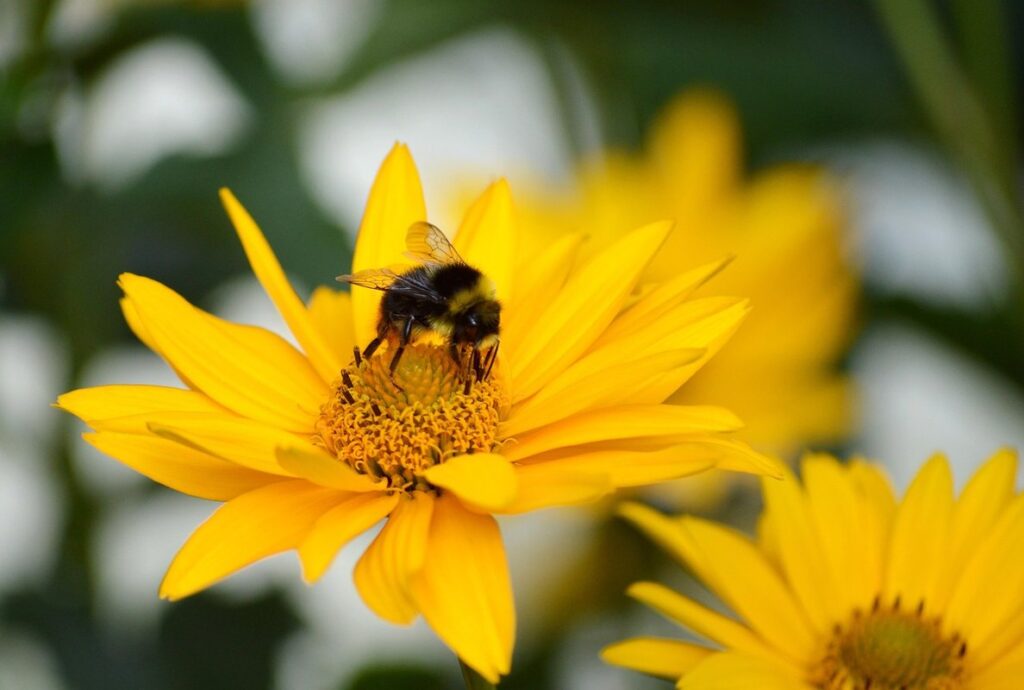
Understanding the Importance of Pollinator-Friendly Plants
When it comes to attracting pollinators like bees and butterflies, choosing the right plants is crucial. In this next section, we’ll explore why some shrubs are better at drawing in these vital visitors than others.
Benefits of Planting for Pollinators
Pollinators play a vital role in maintaining ecosystem health and biodiversity. Bees, butterflies, and other pollinators are responsible for transferring pollen between flowers, allowing plants to reproduce and set seed. Without these vital species, many plants would be unable to produce fruit or seeds, resulting in significant losses to food production and ecosystem balance.
By planting pollinator-friendly shrubs in your garden, you can support these vital species and contribute to the overall health of local ecosystems. Choose shrubs that are rich in nectar and pollen, such as lavender, rosemary, or butterfly bush, which will provide a constant source of food for bees and butterflies throughout the growing season. Consider creating a pollinator-friendly zone in your garden by grouping these plants together, as this will make it easier for pollinators to access their preferred flowers.
In addition to supporting local pollinators, planting pollinator-friendly shrubs can also increase biodiversity in your garden, attract beneficial insects, and enhance the overall aesthetic appeal of your outdoor space.
The Impact of Habitat Loss on Pollinators
The alarming rate of pollinator decline is a pressing concern for our ecosystem. Habitat loss and destruction have contributed significantly to this crisis, leaving many species on the brink of extinction. According to recent studies, bee colonies are collapsing at an unprecedented rate, with losses ranging from 20% to 40% per year in some regions. This has severe consequences for food production, as one-third of our crops rely on pollinators like bees and butterflies.
Butterfly populations have also suffered significantly due to habitat loss and fragmentation. The numbers are staggering: between 1970 and 2013, the UK alone saw a decline of over 50% in its butterfly species population. Similar trends are observed worldwide, with some countries reporting losses as high as 70%. This not only affects the ecosystem but also our food supply, highlighting the urgent need for habitat restoration and conservation efforts.
By incorporating pollinator-friendly shrubs into your garden, you can make a tangible difference. Plant species like lavender, rosemary, and coneflower provide essential nectar sources for bees and butterflies.
Choosing the Right Shrubs for Your Garden
When selecting shrubs, it’s essential to choose varieties that provide a long-lasting source of nectar and pollen for your pollinator friends. This includes considering factors like bloom time, flower color, and growth habit.
Native vs. Non-Native Plants
When it comes to choosing pollinator-friendly shrubs for your garden, one crucial consideration is whether to opt for native or non-native species. Native plants have a significant advantage when it comes to attracting local pollinators like bees and butterflies. These plants have co-evolved with the local ecosystem over thousands of years, providing a perfect match for the needs of the pollinators.
For example, the butterfly bush (Buddleja) is native to parts of North America, Asia, and Europe. It’s a magnet for monarch butterflies, which are crucial for the health of ecosystems. Native plants like this one are far more effective at attracting pollinators than non-native alternatives.
However, non-native shrubs can sometimes harm ecosystems by competing with native species for resources like water and nutrients. This competition can lead to a decline in the local plant population and a reduction in biodiversity. The invasive tree of heaven (Ailanthus altissima), for instance, crowds out native plants and can even alter soil chemistry.
To create a pollinator-friendly garden, it’s essential to choose native shrubs that will thrive in your specific region. This will not only attract more bees and butterflies but also support the local ecosystem as a whole.
Considerations for Different Climate Zones and Soil Types
When choosing pollinator-friendly shrubs for your garden, it’s essential to consider the unique characteristics of your climate zone and soil type. Different regions have distinct temperature ranges, precipitation levels, and soil compositions that can affect a plant’s ability to thrive.
In hot and dry climates, like those found in the Southwest, choose shrubs with drought tolerance and deep root systems, such as Texas Sage (Leucophyllum frutescens) or Desert Lavender (Hyptis emoryi). These plants will require minimal watering and can handle intense sunlight. In contrast, cooler and wetter climates, like those found in the Pacific Northwest, may benefit from shrubs with a slower growth rate and larger leaves to absorb more moisture, such as Camellia sasanqua or Mahonia aquifolium.
When selecting shrubs for poor soil conditions, look for plants that can tolerate low pH levels, like Blueberry (Vaccinium spp.) or Azalea (Rhododendron spp.). Similarly, if your garden has heavy clay or sandy soils, choose shrubs with adaptable root systems and minimal watering needs, such as Russian Sage (Perovskia atriplicifolia) or Butterfly Bush (Buddleja davidii).
Top Pollinator-Friendly Shrubs to Plant
When it comes to attracting pollinators to your garden, shrubs are a great addition because they provide a constant source of nectar and pollen throughout the growing season. Here are some top picks for pollinator-friendly shrubs you can plant now.
Low-Maintenance Options for Busy Gardeners
If you’re a busy gardener looking for low-maintenance options that still attract pollinators to your garden, consider these shrub species. The Eastern Redbud (Cercis canadensis) is an excellent choice, requiring minimal pruning and watering once established. It produces vibrant pink flowers in early spring that are a favorite of bees and butterflies.
Another option is the Dwarf Korean Lilac (Syringa ‘Palibin’), which needs only occasional watering and pruning to maintain its compact shape. Its fragrant purple flowers attract pollinators from late spring to early summer. For a shrub that’s virtually maintenance-free, consider the Blue Mink Coyote Willow (Bastard Willow) – it tolerates dry spells and requires no pruning.
To keep your low-maintenance shrubs thriving, prune them lightly in spring to encourage new growth. Water them only when necessary, allowing soil to dry slightly between waterings. Fertilize sparingly, as over-fertilization can harm pollinators. With these easy-to-care-for options and a few simple care tips, you’ll be enjoying the beauty of your pollinator-friendly shrubs without sacrificing time in your busy gardening schedule.
Vibrant Blooms for Attracting Butterflies
When it comes to attracting butterflies to your garden, vibrant blooms are a must. And what better way to provide them than with shrubs that produce an abundance of colorful flowers? Let’s take a look at some stunning options that will draw in these beautiful creatures.
Shrubs like the butterfly bush (Buddleja) and coral honeysuckle (Lonicera sempervirens) are perfect examples. These varieties burst forth with vibrant blooms, providing a constant source of nectar for butterflies to feast on. The coral honeysuckle, in particular, is a standout with its bright red, orange, and yellow flowers that cascade down its stems.
To create an irresistible haven for butterflies, plant these shrubs in clusters or along borders. Make sure to choose varieties that are hardy in your region and require minimal maintenance. For example, the butterfly bush can thrive in zones 5-9 with regular watering and pruning. By incorporating these vibrant blooms into your garden design, you’ll be well on your way to attracting a fluttering crowd of butterflies to your outdoor space.
Incorporating native plants is also essential for attracting pollinators. Consider planting locally-sourced shrubs that have co-evolved alongside the butterfly species in your area. This will ensure a natural symbiotic relationship between the plant and its intended visitor, ultimately leading to a thriving ecosystem.
Creating a Pollinator-Friendly Garden
To create a haven for these precious pollinators, let’s focus on designing and planting a garden that attracts bees and butterflies with a variety of shrubs. This section will explore the essential steps to achieve this goal.
Design Principles for Effective Plant Selection
When designing a pollinator-friendly garden featuring shrubs, it’s essential to consider several key principles. Firstly, think about plant placement: group different species together to create a diverse and dynamic landscape that mimics nature. This not only provides an abundance of food sources for pollinators but also encourages them to move freely between plants.
Aim to include at least 10-15 different shrub species in your garden, ensuring a mix of early-blooming, mid-season, and late-blooming plants. This staggered bloom cycle ensures that there’s always something in flower for pollinators to feed on throughout the growing season.
Don’t forget to incorporate a variety of plant heights and shapes to create layers and provide shelter from harsh weather conditions. Also, be sure to include a mix of shrubs with single-petaled flowers, which are more accessible to bees, as well as those with tubular or funnel-shaped blooms that are better suited for butterflies.
By following these design principles, you can create a vibrant pollinator-friendly garden that provides a haven for local bee and butterfly populations.
Incorporating Native Flowers, Trees, and Grasses
When it comes to creating a pollinator-friendly garden, incorporating native flowers, trees, and grasses is crucial. These plants have evolved alongside local pollinators and provide the perfect food source and habitat for them.
Native flowers, in particular, are a vital component of any pollinator-friendly garden. They offer nectar-rich blooms that bees and butterflies rely on for energy and nutrients. For example, coneflowers (Echinacea spp.) attract a variety of pollinators with their large, drooping flowers, while black-eyed Susans (Rudbeckia hirta) provide a rich source of pollen. By choosing native flowers like these, you’ll be supporting the local pollinator population and creating a thriving ecosystem.
Native trees also play a crucial role in supporting pollinators. Trees like oak (Quercus spp.) and pine (Pinus spp.) provide shelter from wind and predators, while their blooms offer a valuable source of nectar and pollen. Native grasses, too, can be beneficial, offering seeds for pollinators to feed on.
By incorporating native flowers, trees, and grasses into your garden, you’ll be creating a haven for local pollinators. Consider the specific plants that are native to your area and incorporate them into your design to create a thriving ecosystem that supports these vital insects.
Maintenance and Care for Pollinator-Friendly Shrubs
To ensure your pollinator-friendly shrubs continue to thrive, it’s essential to provide regular maintenance and care to keep them healthy and attractive to bees and butterflies. Regular pruning and watering will go a long way in achieving this goal.
Watering and Fertilization Strategies
When it comes to maintaining healthy pollinator-friendly shrubs, proper watering and fertilization techniques are crucial. Overwatering can lead to weak roots, while underwatering can cause stress, making the plants more vulnerable to pests and diseases.
To determine the optimal watering schedule for your shrubs, observe the local climate and soil conditions. In regions with high rainfall, it’s essential to ensure good drainage to prevent waterlogged soil. Use a moisture meter to check the soil’s moisture levels regularly. As a general rule, aim to provide about 1-2 inches of water per week through either rain or irrigation.
Regarding fertilization, it’s best to opt for organic and slow-release options that promote healthy growth without harming pollinators. For example, compost tea can be applied every 4-6 weeks to provide essential nutrients while maintaining soil biodiversity. Avoid overfertilizing, as this can lead to an imbalance in the ecosystem.
Consider implementing a fertilization schedule tailored to your shrub species’ specific needs, and always follow the recommended application rates to avoid harming pollinators or the environment. By adopting these watering and fertilization strategies, you’ll be supporting healthy growth while promoting a thriving pollinator-friendly garden.
Monitoring for Pests and Diseases
When it comes to maintaining pollinator-friendly shrubs, monitoring for pests and diseases is crucial to ensure their health and attractiveness to beneficial insects. Unfortunately, even the most vibrant and thriving shrubs can fall prey to common pests and diseases that can harm both plants and pollinators.
Some of the most common pests affecting pollinator-friendly shrubs include aphids, whiteflies, spider mites, and scale insects. These tiny critters can cause significant damage by sucking sap from leaves or stems, weakening the plant’s defenses against disease. To manage these pests, adopt an integrated pest management (IPM) approach that combines physical barriers, cultural controls, and targeted treatments.
For example, introducing natural predators like ladybugs or lacewings can help regulate aphid populations. Regularly inspect your shrubs for signs of infestation, such as sticky honeydew droplets or distorted leaves. Prune affected areas to prevent further spread and maintain good air circulation around plants. When using pesticides, choose targeted products that minimize harm to beneficial insects and apply them only when necessary.
In terms of diseases, fungal infections like powdery mildew and root rot can be particularly problematic. To prevent these issues, maintain good soil health through regular mulching and composting, which helps to suppress disease-causing pathogens. Water plants carefully, avoiding overhead irrigation that can spread spores and encourage root rot. By monitoring for pests and diseases proactively and using targeted management strategies, you can create a healthy environment for both pollinator-friendly shrubs and beneficial insects to thrive in your garden.
Conclusion: Creating a Pollinator Paradise
Now that you’ve learned how to choose and plant pollinator-friendly shrubs, let’s put it all together with some final tips for creating a beautiful and buzzing garden oasis.
Recap of Key Takeaways
As we conclude our journey through the world of pollinator-friendly shrubs, let’s recap the essential points that will help you create a paradise for bees and butterflies in your garden.
First and foremost, choosing the right shrub species is crucial. We discussed how to select plants that are native to your region, rich in nectar and pollen, and suitable for the local climate. For instance, Lavender and Rosemary are excellent choices for warm climates, while Boxwood and Holly are ideal for cooler regions.
In addition to selecting the right shrubs, we emphasized the importance of providing a diverse range of plants that bloom at different times to ensure a constant food source for pollinators throughout the growing season. By incorporating a mix of early-spring, mid-summer, and late-fall blooming shrubs, you’ll create a haven for bees and butterflies.
Remember, pollinator-friendly shrubs are not just aesthetically pleasing but also play a vital role in supporting local ecosystems. So, make sure to plant them in a way that allows them to thrive and provide the necessary resources for our beloved pollinators.
Inspiring Action for a Healthier Environment
As you’ve learned about the benefits of pollinator-friendly shrubs and how to incorporate them into your garden, it’s time to take the next step. Creating a pollinator paradise is not just about planting beautiful flowers; it’s about contributing to a larger movement towards a more environmentally conscious gardening practice.
You can start by assessing your own yard and making small changes, like replacing non-native plants with native species that are rich in nectar and pollen. Consider incorporating shrubs like the Butterfly Bush, Lavender, or Rosemary into your garden design. Not only will these plants attract pollinators, but they’re also low-maintenance and drought-tolerant.
As you create your own pollinator paradise, remember to share your progress with friends, family, and neighbors. Encourage them to join you in this effort by hosting a plant exchange or sharing tips on how to attract pollinators to their own gardens. Together, we can make a significant impact on the health of our environment and support the vital work that pollinators do.
Frequently Asked Questions
Can I still plant pollinator-friendly shrubs if my garden receives low sunlight?
Yes, many pollinator-friendly shrubs can thrive in partial shade or even full sun with careful selection. Consider plants like rosemary and lavender, which are drought-tolerant and can handle some shade.
How do I care for newly planted shrubs to ensure they attract pollinators quickly?
To encourage pollinators to visit your new shrubs, make sure to water them regularly during their first year of growth. This will help establish a strong root system and promote healthy flowering. Additionally, avoid using pesticides or herbicides, which can harm beneficial insects.
What’s the difference between native and non-native plants in terms of pollinator support?
Native plants have co-evolved with local pollinators over thousands of years, making them more attractive and effective for supporting these vital visitors. Non-native plants may not provide the same benefits, as pollinators may not recognize their flowers or be able to access nectar efficiently.
How can I maintain a diverse selection of pollinator-friendly shrubs in my garden?
To encourage diversity, plant a mix of native and non-native shrubs with different bloom times. This will create a continuous source of nectar and pollen throughout the growing season, supporting a wide range of pollinators.
Can I use container gardens or pots to support pollinators, even if I have limited yard space?
Yes, container gardens can be an excellent way to provide pollinator-friendly plants in small spaces. Choose shrubs with compact growth habits, such as dwarf butterfly bushes or lavender, and ensure the containers are at least 6-8 inches deep to accommodate mature root systems.