
Pokeweed has long been a source of fascination for botanists, herbalists, and outdoor enthusiasts alike. This intriguing plant is often misunderstood, but its unique properties make it an interesting topic to explore. If you’re curious about pokeweed’s traditional medicinal uses, such as treating arthritis and skin conditions, or want to know more about its modern applications in skincare and dye production, this article is for you. However, it’s essential to understand the potential risks associated with pokeweed, including toxicity and allergic reactions. Our comprehensive guide will walk you through the identification process, highlighting key characteristics and warning signs of poisoning. From its historical uses as a natural remedy to its modern-day applications and safety precautions, we’ll delve into the fascinating world of pokeweed, covering all aspects of this enigmatic plant.
What is Pokeweed?
Let’s get started by understanding the basics of pokeweed, a plant that’s often misunderstood but holds many secrets and surprises for those who take the time to learn about it. We’ll delve into its definition and characteristics next.
Botanical Classification and Description
Pokeweed is classified as part of the kingdom Plantae, which is further divided into several subcategories. Specifically, it belongs to the family Phytolaccaceae and the genus Phytolacca. The species name for pokeweed is P. americana, which refers to its widespread distribution in North America. This botanical classification helps us understand the unique characteristics and properties of the plant.
To break down this classification further, let’s look at each level: kingdom Plantae represents all plants, including algae, mosses, ferns, conifers, and flowering plants like pokeweed. The family Phytolaccaceae is a small group of plants that are primarily found in tropical and subtropical regions. Within this family, the genus Phytolacca comprises several species, each with distinct characteristics. Lastly, the species name P. americana identifies pokeweed as a specific type within the Phytolacca genus. This detailed classification is essential for accurate identification and understanding of the plant’s behavior, growth patterns, and potential uses or hazards associated with it.
Habitat and Distribution
Pokeweed is commonly found growing wild in various regions of North America, including the eastern and central parts of the United States. It thrives in moist environments with partial shade to full sun, often inhabiting woodland edges, stream banks, and along roadsides. In its native habitats, pokeweed grows as a perennial herbaceous plant, typically reaching heights between 5-10 feet.
In terms of distribution, pokeweed is widely dispersed throughout the southeastern states, particularly in the Appalachian Mountains where it’s known to grow abundantly. The plant also grows in other parts of North America, including Canada and Mexico. It has been naturalized in some areas, often spreading beyond its original range through human activity.
When foraging for wild pokeweed, be aware that its presence can vary greatly depending on the region and local conditions. Familiarize yourself with the plant’s typical growth patterns and habitat preferences to ensure accurate identification in your area.
Identification and Lookalike Plants
While pokeweed is relatively easy to identify, there are some plants that resemble it closely, making proper identification crucial. Learn how to distinguish pokeweed from its lookalikes here.
Key Characteristics for Identification
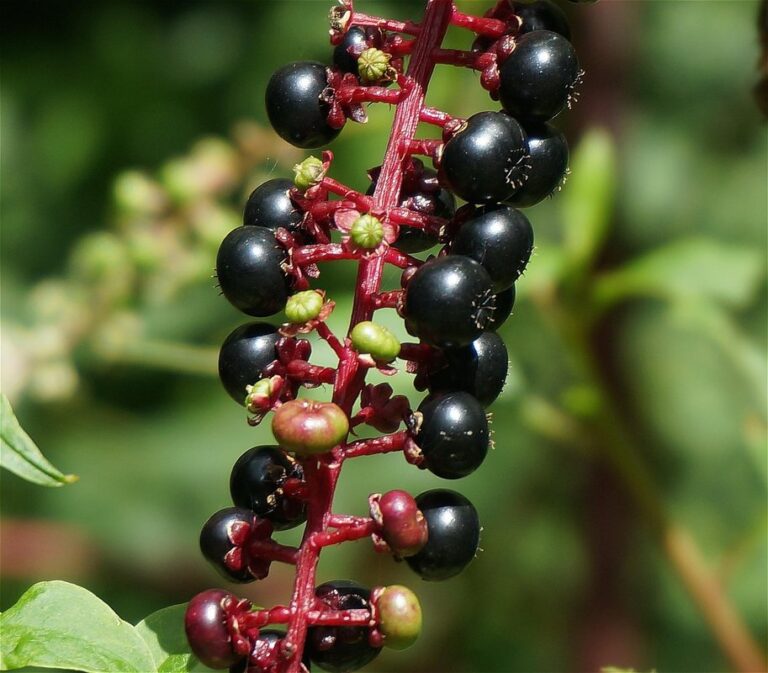
To accurately identify pokeweed, it’s essential to note its distinctive features. The plant grows to be quite tall, typically between 2 to 8 feet high, with a broad, hollow stem that can reach up to 1 inch in diameter. Its leaves are another distinguishing characteristic: they’re long and pointed, often irregularly shaped, with a leathery texture and a wavy or toothed edge.
The upper surface of the leaf is dark green, while the lower surface has a pale greenish-white color. As you touch the stem or leaves, you might notice a sticky substance that’s a result of the plant’s sap. Observe the arrangement of its leaves: they are alternate on the stem and often grow in pairs at the base.
When examining the inflorescence (the flower cluster), note that pokeweed produces small greenish-purple berries, which are edible but highly toxic if ingested in large quantities. The plant’s overall appearance might remind you of other species, but pay close attention to these specific characteristics to ensure accurate identification.
Distinguishing Pokeweed from Similar Plants
Pokeweed can be easily mistaken for other plants due to its unique appearance. However, some species share similar characteristics that may lead to confusion. One of the most common lookalikes is the Virginia creeper (Parthenocissus quinquefolia). The Virginia creeper has five-lobed leaves, but they are more rounded and less pointed than pokeweed’s lobes. Additionally, its stems have a distinctive hairy texture.
Another plant often mistaken for pokeweed is the Rhododendron species. While rhododendrons have similar large, ovate-shaped leaves, their stems are typically thicker and have showy flowers in shades of pink or purple. In contrast, pokeweed does not produce any flowers until late summer, and they are smaller and more inconspicuous.
To avoid confusion when identifying pokeweed, pay attention to the shape and size of its lobes, as well as the overall texture of its stems. Also, be aware that some species may have similar growth habits or habitats, increasing the likelihood of mistaken identity.
Uses and Benefits
Now that we’ve covered how to identify pokeweed, let’s explore some of its most practical uses and benefits in everyday life. You’ll be surprised at just how versatile this plant is!
Traditional Medicinal Uses
For centuries, Native American communities have harnessed the medicinal properties of pokeweed to create remedies for various ailments. As an antiseptic, pokeweed was used topically to treat wounds, cuts, and burns, accelerating the healing process and reducing the risk of infection. A poultice made from the plant’s leaves or roots was applied directly to the affected area, drawing out impurities and promoting a sterile environment for wound closure.
Pokeweed also exhibited anti-inflammatory properties, making it an effective treatment for conditions such as arthritis, eczema, and skin irritations. The roots were typically harvested in the fall, dried, and then infused into teas or tinctures that could be applied externally to soothe inflamed areas or ingested to address internal inflammation.
To make a pokeweed poultice, simply boil the leaves or roots in water until they’re soft, mash them into a pulp, and apply it directly to the affected area. This ancient remedy not only demonstrates the plant’s versatility but also its potential as a natural alternative for managing pain and promoting overall well-being.
Modern Applications and Research
Current research on pokeweed is uncovering its potential as a valuable resource for health and wellness. Studies have shown that pokeweed contains high levels of antioxidants, which can help protect against cell damage and inflammation. In fact, one study found that the extract from the plant’s roots had a higher antioxidant capacity than some commercial antioxidant supplements.
The anticancer activities of pokeweed are also being explored. Researchers have identified various compounds within the plant that have shown promise in inhibiting the growth of cancer cells. For example, phytolaccatoxin, a compound found in pokeweed, has been shown to selectively kill cancer cells while leaving healthy cells intact.
While these findings are promising, it’s essential to note that more research is needed to fully understand the potential health benefits and optimal uses of pokeweed. As with any new or experimental treatment, consult with a healthcare professional before using pokeweed for medicinal purposes.
Safety Precautions and Toxicity
When working with pokeweed, it’s essential to be aware of its potential toxicity and take necessary precautions to avoid harm. We’ll walk you through the safety guidelines you need to know.
Toxic Compounds and Risks
Pokeweed contains several toxic compounds that can cause harm if ingested or handled improperly. The most notable of these is phytotoxin, a class of chemical compounds produced by the plant as a defense mechanism against herbivores and pathogens. Phytotoxins can cause gastrointestinal upset, diarrhea, and vomiting in humans.
Alkaloids, another group of toxic compounds found in pokeweed, include glycosides and saponins that have been shown to be cardiotoxic and hepatotoxic in animal studies. These alkaloids are particularly concentrated in the plant’s seeds, roots, and young shoots.
When handling pokeweed, it is essential to take precautions to avoid exposure to these toxic compounds. Wear protective clothing, including gloves and long sleeves, when harvesting or pruning the plant. Wash your hands thoroughly after handling pokeweed, and avoid ingesting any parts of the plant, even in small quantities. Pregnant women, children, and pets should especially avoid contact with pokeweed due to their sensitive physiology.
If you suspect exposure to phytotoxins or alkaloids from pokeweed, seek medical attention immediately.
Ingestion, Skin Contact, and Eye Exposure Risks
When handling pokeweed, it’s essential to be aware of the potential risks associated with ingestion, skin contact, and eye exposure. Ingesting even small amounts of pokeweed can cause severe symptoms, including nausea, vomiting, diarrhea, abdominal pain, and even seizures. The plant contains a toxic compound called phytotoxin, which can also cause cardiac problems and respiratory failure in extreme cases.
To minimize the risk of ingestion, always wash your hands thoroughly after handling the plant, and avoid eating or smoking it under any circumstances. If you accidentally ingest pokeweed, drink plenty of water to help flush out the toxins, and seek medical attention immediately if symptoms persist.
Skin contact with pokeweed can cause irritation, itching, and rashes, while eye exposure may lead to redness, tearing, and blurred vision. To mitigate these risks, wear protective gloves when handling the plant, and avoid rubbing your eyes after coming into contact with it. If you experience any adverse reactions, wash the affected area with soap and water and consult a doctor if necessary.
When working with pokeweed, always prioritize caution and take necessary precautions to prevent exposure.
Cultivation and Propagation
Now that you know how to identify pokeweed, let’s dive into its cultivation and propagation, including tips for growing it successfully from seeds.
Growing Conditions and Requirements
To successfully grow pokeweed in a controlled environment, you’ll need to replicate its natural habitat. Pokeweed thrives in partial shade to full sun, making it adaptable to various lighting conditions. However, if you’re growing it indoors, ensure it receives at least 4-6 hours of direct sunlight daily.
Watering is another crucial aspect of pokeweed cultivation. This plant prefers moist soil but can tolerate some drought. Water your pokeweed when the top inch of soil feels dry to the touch. Overwatering can lead to root rot and other issues, so maintain a balance.
Temperature-wise, pokeweed is relatively hardy and can grow in temperatures between 65°F (18°C) and 90°F (32°C). Avoid exposing it to extreme temperature fluctuations, as this may cause stress or damage. By replicating these conditions, you should be able to successfully cultivate pokeweed in a controlled environment.
It’s also worth noting that pokeweed is often grown for its ornamental value rather than being cultivated specifically for consumption. If you’re interested in using the plant for food or medicinal purposes, ensure you follow proper safety precautions and guidelines outlined elsewhere in this guide.
Seed Germination, Harvesting, and Processing
Propagating pokeweed from seeds can be a bit tricky due to its unique characteristics. However, with the right techniques and conditions, you can successfully grow new plants. To begin, ensure that the seeds are fresh and have been properly dried after harvesting. Sow them in well-draining soil, about 1/4 inch deep, and maintain a consistent moisture level until germination occurs. This process typically takes 2-3 weeks.
For those who prefer vegetative propagation, pokeweed can be easily rooted from cuttings. Cut sections of stem, typically around 6 inches long, just below a node using sharp pruning tools. Remove lower leaves to prevent waterlogged areas and promote root growth. Submerge the cut end in water or a rooting hormone solution for 2-3 days before planting it directly into moistened soil.
Once your pokeweed plants have matured, you can harvest the plant parts for various uses. The most common method is to dig up the entire root system, usually in late autumn or early spring when the leaves are still green but starting to fade. Be cautious not to damage the roots while harvesting, as this may affect future growth. After digging, wash and clean the roots thoroughly before using them.
When processing pokeweed for consumption, it’s essential to note that the plant contains phytotoxins which can be toxic in large quantities. To minimize exposure, carefully trim off any discolored or damaged areas from the harvested material. Only use fresh or frozen portions of the plant and avoid eating seeds, as they contain higher levels of toxicity.
If you plan on using the leaves for cooking, blanching them in boiling water can help neutralize some of the toxic compounds. Always use proper food preparation techniques to minimize exposure risks while still enjoying the nutritional benefits that pokeweed has to offer.
In terms of processing, drying is a simple yet effective method to preserve pokeweed for later use. Hang fresh material upside down in a dry, well-ventilated area or use a dehydrator set at 100°F (38°C). Once completely dry, store the dried pokeweed leaves in an airtight container away from direct sunlight and heat sources.
Pokeweed is often used as an ingredient in various dishes, such as soups and stews. However, before using it for cooking, ensure that you have accurately identified the plant species to avoid any potential health risks associated with mistaken identities.
Note: When processing or consuming pokeweed, follow proper food safety guidelines and take necessary precautions to minimize exposure to toxic compounds.
Historical and Cultural Significance
As we delve into the world of pokeweed, it’s essential to explore its rich historical and cultural significance, from traditional medicine to folklore and symbolism. Let’s examine these fascinating aspects together.
Native American Traditions and Uses
In traditional Native American medicine and spiritual practices, pokeweed was highly valued for its diverse uses. The plant’s deep roots made it a sought-after remedy for treating various ailments, including fever, rheumatism, and skin conditions. Many tribes used the plant’s leaves and berries to create teas, poultices, and infusions that were believed to possess healing properties.
The Ojibwe tribe, for instance, utilized pokeweed as a treatment for eczema and dermatitis, applying crushed leaves directly to affected areas. Similarly, the Cherokee people employed the plant’s roots in ritual ceremonies to purify the body and spirit. The root was often mixed with other plants and herbs to create sacred medicines that were believed to have spiritual significance.
When using pokeweed in traditional medicine or spiritual practices, it’s essential to follow proper preparation methods and dosage guidelines. Simply boiling the leaves or roots is not enough – the plant must be thoroughly cleaned, dried, and processed before consumption.
Folklore and Mythology Surrounding Pokeweed
Pokeweed has been shrouded in mystery and intrigue for centuries, with various cultures weaving tales of its magical properties and symbolic meanings. In some Appalachian traditions, pokeweed is believed to have healing powers, able to cure everything from snake bites to fever. It’s said that if you cook the berries in a certain way, they’ll reveal their medicinal secrets. However, this notion might be more rooted in superstition than fact.
In other cultures, pokeweed has been associated with death and the supernatural. In some African American folklore, it’s believed that the plant can bring good luck and protection from evil spirits. Others claim that its dark purple berries are a harbinger of impending doom or misfortune. These contradictory interpretations underscore the complexity of pokeweed’s symbolism.
Interestingly, the plant’s toxicity has led to some fascinating metaphors. For instance, pokeweed is sometimes used as a symbol for the dangers of unchecked power or the unbridled force of nature. Its sharp spines and toxic sap serve as reminders that even in abundance, there can be poison lurking beneath the surface.
While these stories are intriguing, it’s essential to separate fact from fiction when dealing with this versatile plant. In reality, pokeweed is indeed a potent remedy for certain ailments, but its use requires caution and proper preparation.
Frequently Asked Questions
Can I grow pokeweed in my backyard, or is it limited to certain climates?
Pokeweed can be grown in various climates, but its optimal growth conditions are in USDA hardiness zones 4-8. It thrives in moist soils and partial shade, making it suitable for gardens with similar characteristics. However, ensure proper identification before cultivation, as some lookalike plants may require different care.
What should I do if I accidentally ingest pokeweed, and what are the immediate symptoms of poisoning?
If you suspect ingestion or exposure to pokeweed’s toxic compounds, seek medical attention immediately. Common symptoms include nausea, vomiting, diarrhea, abdominal pain, and dizziness. In severe cases, it can lead to seizures, respiratory distress, and even coma.
How do I safely harvest and process pokeweed for its medicinal uses?
To ensure safe harvesting and processing, only collect mature leaves and roots from well-established plants in the wild. Wear protective gear, such as gloves and eye protection, when handling the plant. Clean and dry the harvested material thoroughly before using it for medicinal purposes.
Can I use pokeweed for dye production without worrying about toxicity?
While pokeweed can be used for natural dyeing, proper precautions are still necessary to avoid exposure to toxic compounds. Wear protective gear, and ensure good ventilation when processing the plant. It’s also essential to follow specific preparation methods outlined in reputable sources or consult with an expert.
Are there any specific considerations I should keep in mind when cultivating pokeweed for modern applications?
When cultivating pokeweed for its modern uses, consider the importance of genetic diversity and controlled environments. This can help minimize toxicity risks associated with wild-harvested materials. Ensure proper documentation and record-keeping to maintain quality control and adherence to regulations.
How do I ensure that my harvested or cultivated pokeweed does not pose a risk to wildlife or other garden plants?
To avoid contaminating local ecosystems, properly dispose of waste generated during harvesting or cultivation. Also, consider using organic gardening practices and maintaining good soil health to minimize the plant’s impact on the environment.