
Are you eager to grow your own plums but not sure where to start? With proper care, a plum tree can be a rewarding and productive addition to any garden or orchard. But with so many factors to consider, it’s easy to feel overwhelmed by the thought of caring for one. From selecting the right variety to pruning and harvesting, plum tree care requires attention to detail and a clear understanding of what works best.
In this comprehensive guide, we’ll walk you through everything you need to know about growing, pruning, and harvesting plums. We’ll cover topics like selection and planting, watering and fertilization, pest management, and the all-important art of pruning. Whether you’re a seasoned gardener or just starting out, our expert tips will help you grow healthy, thriving plum trees that produce delicious fruit year after year.
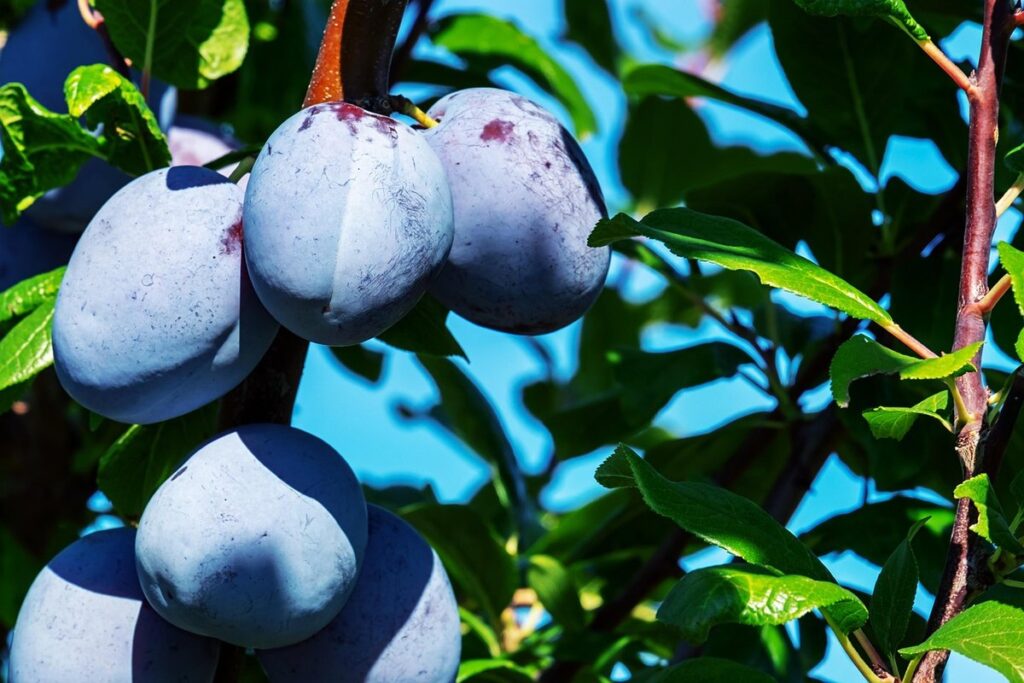
Choosing the Right Plum Tree Variety
When it comes to choosing a plum tree, there are numerous varieties to select from, each with its own unique characteristics and growing requirements. This decision will significantly impact your tree’s success.
Factors to Consider When Selecting a Plum Tree
When selecting a plum tree variety for your garden or orchard, it’s essential to consider several factors. First and foremost, think about your local climate. Plum trees generally prefer well-drained soil and full sun, but some varieties are more tolerant of cooler temperatures than others. For example, Japanese plums (Prunus salicina) thrive in warmer climates, while European plums (Prunus domestica) do better in cooler zones.
Soil type is another crucial consideration. Plum trees prefer a slightly acidic to neutral soil pH, ranging from 6.0 to 7.0. If your soil is heavy clay or sandy, you may need to amend it with organic matter to ensure proper drainage and nutrient retention.
Disease resistance is also an important factor, especially if you’re new to plum tree care. Some popular varieties like ‘Stanley’ and ‘Methley’ are known for their high resistance to powdery mildew and black knot disease. Finally, consider the growth habits of your chosen variety. Do you need a compact tree that won’t spread too much, or do you have space for a larger tree with a more vigorous habit? By thinking about these factors, you can select a plum tree variety that will thrive in your garden or orchard and provide years of delicious fruit.
Popular Plum Tree Varieties for Homeowners
When it comes to choosing the right plum tree variety for your home garden, there are many options available. Some popular varieties that are well-suited for home gardens include ‘Stanley’, ‘Methley’, and ‘Santa Rosa’. These trees are known for their high yields, disease resistance, and adaptability to different climates.
* ‘Stanley’ is a good choice for those who want a plum tree with excellent flavor and texture. It’s a self-fertile variety that produces large, purple plums in late summer.
* ‘Methley’ is another popular variety that’s known for its high yields and ease of growth. It produces small to medium-sized plums in early summer and is relatively low-maintenance.
* ‘Santa Rosa’ is a favorite among plum tree enthusiasts due to its exceptional flavor, texture, and disease resistance. However, it requires cross-pollination to produce fruit, so you’ll need another Santa Rosa or similar variety nearby.
When selecting a plum tree for your garden, consider factors such as climate, space constraints, and desired use (e.g., eating fresh, cooking, or making jam). Be sure to choose a variety that suits your needs and growing conditions.
Planting a Plum Tree: Preparing the Soil and Site
Before planting your plum tree, it’s essential to prepare the soil and site correctly to ensure healthy growth and fruit production. Let’s explore how to do this effectively.
Preparing the Soil for Plum Tree Growth
Preparing the soil for plum tree growth is a crucial step that will determine its overall health and productivity. To ensure optimal conditions, start by testing the pH levels of your soil. Plum trees prefer a slightly acidic to neutral soil pH, ranging from 6.0 to 7.0. You can purchase a DIY soil testing kit or send a sample to a laboratory for analysis.
Once you know your soil’s pH level, it’s time to add organic matter to improve its fertility and structure. Mix in 2-3 inches of compost or well-rotted manure into the top 6-8 inches of soil. This will help retain moisture, suppress weeds, and provide essential nutrients for your plum tree.
Remove any debris, rocks, and weeds from the planting site to give your plum tree a clear growing space. Till the soil lightly to loosen it up and create a smooth surface for planting. By taking these simple steps, you’ll be creating an ideal environment for your plum tree to thrive in. This will set it up for strong growth, healthy fruiting, and years of enjoyment.
Selecting the Perfect Location for Your Plum Tree
When selecting the perfect location for your plum tree, it’s essential to consider several key factors that will impact its growth and overall health. One of the most crucial aspects is sunlight – plums require at least six hours of direct sunlight per day to produce an abundance of fruit.
When evaluating your yard, ensure there are no nearby structures or plants that might compete with your plum tree for water and nutrients. Tall trees, shrubs, or buildings can create shaded areas, making it difficult for your plum tree to receive adequate sunlight.
Additionally, good air circulation is vital for healthy growth. A location with a clear path around the tree will allow for excellent airflow and help prevent diseases that thrive in stagnant environments. Consider placing your plum tree at least 15-20 feet away from any nearby structures or large plants to ensure it has ample space to grow.
By choosing a spot that balances sunlight, air circulation, and distance from competing structures, you’ll be setting your plum tree up for success and creating an ideal environment for optimal growth.
Caring for Young Plum Trees: Watering, Fertilization, and Pruning
To ensure your young plum trees thrive, you’ll need to focus on watering, fertilizing, and pruning, which can seem overwhelming but are actually straightforward tasks. Let’s dive into the specifics of each.
Proper Watering Techniques for Young Plum Trees
Proper watering is crucial for young plum trees as it helps establish a strong root system and promotes healthy growth. When it comes to frequency, it’s best to water your young plum tree when the top 2-3 inches of soil feel dry to the touch. This can be once or twice a week during hot summer months, depending on the climate and soil type.
As for depth, make sure the water is reaching the roots by watering slowly but thoroughly. Aim for about 1 inch of water per week, either from rainfall or irrigation. Avoid getting too much water around the trunk as this can lead to root rot.
Signs of overwatering include yellowing leaves, droopy branches, and a soft, mushy texture on the trunk. Conversely, underwatering will cause the leaves to become brittle and turn brown at the edges. To prevent these issues, check your tree regularly for signs of stress and adjust your watering schedule accordingly.
It’s also essential to water your plum tree in the morning or early afternoon to allow excess moisture to evaporate before nightfall, reducing the risk of fungal diseases. By following these guidelines, you’ll be able to provide your young plum tree with the right amount of water to thrive.
Fertilizing Plum Trees for Optimal Growth
Fertilizing plum trees is an essential aspect of their care, providing them with the necessary nutrients for optimal growth. When choosing a fertilizer, look for one that is specifically formulated for fruit trees, such as a balanced 10-10-10 NPK (nitrogen-phosphorus-potassium) formula or a citrus and fruit tree-specific blend.
Application methods can vary depending on your soil type. For sandy soils, use a slow-release fertilizer to prevent leaching of nutrients. In clay soils, choose an organic option like compost tea or fish emulsion for better nutrient uptake.
Timing is also crucial. Fertilize plum trees in early spring when new growth begins, and again during the fruiting stage in mid-summer. This ensures that your tree receives a boost of energy to promote healthy leaf growth and fruit development.
Some popular organic options include bone meal, alfalfa meal, and kelp meal. These can be used as an alternative or supplement to synthetic fertilizers. Always follow the manufacturer’s instructions for application rates and timing. Regular soil testing can also help you identify nutrient deficiencies and adjust your fertilizer plan accordingly.
Pruning and Training Plum Trees for Maximum Productivity
To get the most out of your plum tree, proper pruning and training are essential to promote healthy growth and maximize fruit production. Regular pruning also helps maintain a balanced structure.
The Importance of Regular Pruning for Plum Trees
Pruning plum trees is an essential part of their care, and regular pruning can have a significant impact on their overall health and productivity. By pruning your plum tree regularly, you can maintain its shape, promote healthy growth, and encourage fruiting.
Thinning out the center branches allows more sunlight to reach the fruiting wood, which promotes even ripening and reduces the risk of disease. This is especially important for varieties like ‘Stanley’ and ‘Victoria’, which are prone to black knot disease if not properly pruned. Remove any crossing or rubbing branches that can cause damage and create an entry point for pests.
Dead or diseased branches should also be removed immediately, as they can spread disease and attract unwanted insects. To prevent this, prune your plum tree at least once a year, ideally in late winter or early spring before new growth begins. Use clean, sharp tools to make precise cuts, and disinfect your pruning shears between each cut to prevent the spread of disease.
By incorporating regular pruning into your plum tree care routine, you can enjoy a healthier, more productive tree that provides delicious fruit for years to come.
Training Plum Trees Using Different Methods
Training plum trees requires careful consideration of their growth habits and space constraints. One effective method is espalier training, which involves attaching the tree to a wall or trellis using wires or stakes. This technique not only maximizes space but also promotes even fruiting and easier harvesting.
Another popular method is staking, where the young tree is supported with a sturdy stake to maintain its upright growth. This helps develop a strong stem structure and prevents wind damage. For example, if you have a small backyard or balcony, staking can be an ideal solution for training your plum tree.
Cordon systems are also widely used, particularly in commercial orchards. This method involves training the tree to grow along a horizontal wire, producing multiple fruiting branches along its length. Cordon systems can increase yields and make maintenance easier, but they do require regular pruning to maintain their shape and promote healthy growth.
When choosing a training method, consider factors like available space, climate, and desired yield. With careful planning and execution, these methods can help you grow a productive and thriving plum tree in even the smallest of spaces.
Managing Common Pests and Diseases Affecting Plum Trees
Plum trees can be susceptible to certain pests and diseases that, if left unchecked, can cause significant damage. We’ll cover the most common issues and provide tips on how to prevent them in your plum tree care routine.
Identifying Signs of Pest Infestation in Plum Trees
When it comes to plum tree care, pest infestations can be a significant concern. Regularly inspecting your trees for signs of pests is crucial to prevent damage and maintain their overall health. Common pests that affect plum trees include aphids, scales, codling moths, and spider mites.
Aphids are small, soft-bodied insects that feed on sap, causing curled or distorted leaves. Scales, on the other hand, secrete a sticky substance called honeydew, which can attract ants and promote fungal growth. Codling moths lay eggs in fruit buds, resulting in damaged or deformed fruit. Spider mites are tiny arachnids that feed on sap, causing yellowing or bronzing of leaves.
To identify these pests early on, look for visible signs such as sticky substances, curled or distorted leaves, or actual insects crawling on the tree’s bark or leaves. Regularly inspect your plum trees during peak pest seasons (spring and summer) to catch any issues before they spread. If you notice any of these symptoms, take action promptly by using insecticidal soap or neem oil to control infestations.
Disease Prevention and Control Measures for Plum Trees
To maintain the health and resilience of your plum trees, it’s crucial to implement effective disease prevention and control measures. Regular sanitation practices are a vital aspect of this process. Start by removing any debris or dead wood from around the tree, as these can harbor fungal spores and insects that spread diseases.
Use fungicides specifically designed for fruit trees, but always follow the recommended application rates and timing. Cultural controls also play a significant role in disease prevention. Ensure your plum trees receive adequate air circulation, which can be achieved by pruning nearby plants or thinning out branches.
Proper watering techniques are essential as well – avoid overhead irrigation that can encourage fungal growth on leaves and fruit. Consider installing a drip irrigation system instead. Regularly inspect your trees for signs of pests and diseases, and address any issues promptly to prevent further damage.
Incorporating these practices into your plum tree care routine will significantly reduce the risk of disease transmission and promote healthy growth.
Harvesting and Storing Fresh Plums: Tips and Tricks
Now that your plum tree is thriving, it’s time to enjoy the fruits of your labor – literally! In this next part of our comprehensive guide, we’ll dive into harvesting and storing fresh plums for maximum flavor and longevity.
When to Expect Plum Harvests and How to Determine Ripeness
When to Expect Plum Harvests and How to Determine Ripeness
The plum ripening time varies significantly depending on several factors. The main influences are the plum variety, climate, and weather conditions. Some plums like ‘Santa Rosa’ and ‘Methley’ tend to mature earlier, typically in late spring or early summer, while others like ‘Stanley’ and ‘Mariposa’ take longer, ripening around mid-to-late summer.
Climate plays a significant role in determining the plum harvest time. Warm and dry weather conditions can cause plums to ripen faster, whereas cool and wet weather delays the process. In regions with mild winters and long growing seasons, plums often mature later than those in areas with harsher winters or shorter growing seasons.
To determine if your plums are ripe for picking, gently tug on a fruit. A ripe plum will come off the tree easily, leaving the stem behind. Avoid over-ripened fruits, as they can spoil quickly and reduce overall quality. Regularly inspect your plum trees during peak ripening periods to catch the perfect moment for harvesting.
Proper Handling and Storage Techniques for Fresh Plums
When handling fresh plums, it’s essential to be gentle to avoid bruising or damaging the fruit. This is particularly crucial for varieties like Santa Rosa and Italian Prune, which are prone to cracking. To cool plums quickly, store them in a single layer on a tray or plate, allowing air to circulate around each fruit.
For longer storage, pack fresh plums loosely in containers or bags with breathable materials like paper towels or cloth. Avoid overcrowding, as this can lead to spoilage and pest infestations. Check on the plums regularly for any signs of decay, mold, or pests like aphids or mites.
Proper storage conditions include maintaining a consistent temperature between 32°F and 40°F (0°C and 4°C), with high humidity levels. You can also use ethylene gas-absorbing products to extend shelf life. For example, the California Plum Association recommends using such products for storing fresh plums in commercial settings. By following these guidelines, you can enjoy your freshly harvested plums for a longer period while maintaining their quality and flavor.
Frequently Asked Questions
How can I troubleshoot common problems with my plum tree?
If you’re experiencing issues like yellowing leaves, stunted growth, or pests, inspect your tree regularly for signs of infestation or disease. Check the soil moisture and adjust your watering schedule as needed. Consult local gardening experts or online resources for specific advice on addressing these common challenges.
What are some tips for pruning a mature plum tree?
Pruning a mature plum tree requires more care than younger trees, as it can impact fruit production. Consider hiring a professional arborist if you’re unsure about how to prune your tree safely and effectively. When pruning, focus on maintaining the tree’s shape, promoting air circulation, and removing any dead or diseased branches.
How do I know when my plum tree is ready for harvest?
The ripeness of plums can be tricky to determine, especially if you’re new to growing fruit trees. Look for a slight softening around the stem, as well as a change in color from green to its final color (usually yellow or red). Gently check the fruit’s texture by gently tugging on it – ripe plums should come off the tree easily.
Can I grow multiple plum varieties together?
While it’s technically possible to grow different plum varieties together, this can increase disease and pest risks due to the close proximity of trees. Consider planting a diverse range of fruit trees in separate areas or blocks within your orchard to minimize these challenges.
How long does it take for a plum tree to start producing fruit after planting?
The time between planting a plum tree and its first harvest can vary significantly, depending on factors like climate, soil quality, and the specific variety you’re growing. Generally, expect 2-5 years of growth before your tree will produce any significant fruit. Keep in mind that some dwarf or semi-dwarf varieties may produce fruit within as little as 1-2 years after planting.