
Are you ready to add some visual interest to your indoor space? Variegated plants are just what you need. These stunning plants boast unique leaf patterns that bring a touch of elegance and sophistication to any room. But beyond their striking appearance, variegated plants also offer expert advice on propagation and care tips, making them the perfect choice for novice and experienced gardeners alike.
In this comprehensive guide, we’ll delve into the world of variegated plants, exploring how to choose the right one for your space, as well as essential care and propagation tips. Whether you’re a seasoned plant enthusiast or just starting out, our expert advice will have you on your way to growing these beautiful plants like a pro.
What are Variegated Plants?
If you’re new to the world of variegated plants, let’s start at the beginning: what exactly makes a plant’s leaves ‘variegated’? We’ll break it down for you.
Definition and Explanation
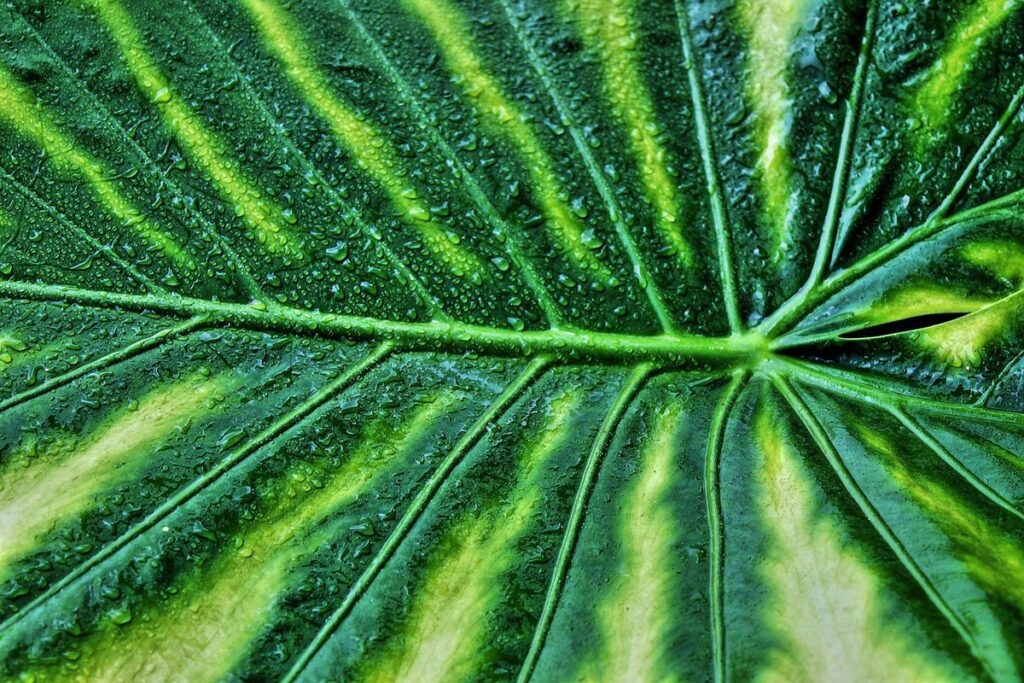
Variegated plants are a fascinating group of plants that boast stunningly unique leaf patterns. These plants have leaves with varying degrees of coloration, such as stripes, spots, or swirling patterns, which distinguish them from their solid-colored counterparts. But what drives this incredible diversity? The answer lies in the genetic code.
The variegation pattern on a plant’s leaves is determined by the interaction between two types of cells: those that produce chlorophyll and those that don’t. Chlorophyll-producing cells create the green color, while non-chlorophyll-producing cells produce other pigments like anthocyanins or carotenoids, which contribute to the variegation effect. This phenomenon is known as heterosis, where two different cell types interact to produce something new and interesting.
In nature, variegation occurs through various mechanisms such as genetic mutations, environmental factors, or even symbiotic relationships with other organisms. For example, some plants develop variegated leaves in response to stress from extreme temperatures or drought conditions. By understanding the genetics behind variegation, plant breeders can intentionally introduce new patterns and colors into their cultivars, resulting in a stunning array of possibilities for gardeners and collectors.
Importance of Variegation in Plant Evolution
In many environments, variegation can be a crucial adaptation that helps plants survive and thrive. When a leaf is partially or wholly variegated, it’s not just about aesthetics; the different shades of green can serve as camouflage from herbivores, reduce water loss through transpiration, or even enhance photosynthesis. In tropical rainforests, for example, some plants have adapted to have paler leaves on their upper surfaces and darker ones below. This allows them to blend in with dappled sunlight filtering through the canopy above while still absorbing enough light.
Similarly, in arid regions where drought is common, variegation can help by reducing water loss through transpiration – a process that occurs mainly through green leaf tissue. Plants like the Prayer Plant have adapted to develop dark-green leaves on the underside and lighter green or white upper surfaces, which reduces water loss during hot, dry periods.
This adaptation is essential in environments where competition for resources is high, such as tropical rainforests or arid deserts. By incorporating variegation into their leaf structure, plants can increase their chances of survival and reproduction.
Types of Variegated Plants
You’re probably curious to know which types of plants boast beautiful variegated leaves, and we’ve got you covered – from tropical trees to delicate houseplants. Let’s dive into the diverse world of variegated foliage!
Leaf Color Patterns: Striped, Spotted, and Marbled
Variegation in plants can manifest in a variety of striking patterns, captivating plant enthusiasts with their unique visual appeal. One such pattern is striped variegation, characterized by alternating bands of color that give the leaves a zebra-like appearance. The popular Coleus plant and the Calathea ‘Ornata’ are excellent examples of this type. For instance, Coleus boasts bright pink, yellow, or orange stripes on its green foliage, while Calathea ‘Ornata’ sports delicate white stripes against a dark green background.
Another distinct pattern is spotted variegation, which features small, rounded patches of color scattered over the leaf’s surface. The Prayer Plant and the Peacock Plant are popular choices for their striking spot patterns. These plants showcase vibrant colors on the tips or edges of their leaves, adding an extra layer of visual interest to any room.
Marbled variegation often takes the form of blended, swirling patterns that give the leaves a unique texture and appearance. The Pothos plant is a great example of this type, with its twisted, mottled patterns creating a mesmerizing effect.
Plant Families with Variegation
When it comes to plant families known for their stunning variegated leaves, Calathea, Monstera, and Philodendron are some of the most popular and sought-after options. These families have unique characteristics that make them prone to producing leaves with beautiful patterns.
Calathea, often referred to as the “prayer plant,” is a family known for its stunning variegation patterns. Their leaves come in a range of colors, including white, pink, and red, with distinctive markings and veins. One of the most popular varieties, Calathea ‘Ornata,’ has leaves with striking white and pink stripes.
Monstera, on the other hand, is known for its large, glossy leaves with holes and tears that give them a unique, exotic look. Some Monstera species, like Monstera deliciosa, display beautiful variegation patterns on their leaves. These plants are relatively low-maintenance and can thrive in a variety of lighting conditions.
Philodendron is another family with a range of variegated varieties, from the heart-leafed Philodendron ‘Brasil’ to the large-leaved Philodendron ‘Micans.’ Many Philodendron species display attractive white or yellow markings on their leaves, adding visual interest to any room.
If you’re looking to bring some unique beauty into your home, consider one of these plant families. With proper care and attention, they can thrive and add a touch of elegance to any space. By choosing a variegated variety from Calathea, Monstera, or Philodendron, you’ll be adding a one-of-a-kind element to your collection.
Popular Plants with Variegated Leaves
Let’s dive into some of our favorite plants that showcase stunning variegation, adding unique beauty to any room with their intricately patterned leaves. From bold stripes to delicate splashes of color!
Low-Maintenance Options for Indoor Spaces
When it comes to adding some greenery to your indoor spaces, you’ll want plants that thrive with minimal upkeep. For low-maintenance options, consider the following popular plants with variegated leaves.
The Polka Dot Plant (Hypoestes phyllostachya) is a great choice for indoor spaces. Its beautiful, spotted leaves require only occasional watering and indirect sunlight. Another low-maintenance option is the Coleus plant (Solenostemon scutellarioides), which boasts stunning variegation in shades of pink, red, and white.
When choosing plants for low-maintenance care, consider factors such as lighting requirements, watering needs, and temperature tolerance. For example, if your indoor space receives direct sunlight, choose a plant that can handle it. Similarly, if you tend to forget to water your plants from time to time, select a species that’s forgiving.
Some other plants with variegated leaves suitable for low-maintenance care include the Calathea (Calathea spp.) and the Pilea (Pilea spp.). These plants are perfect for busy homeowners or those new to plant parenthood.
Statement Pieces for Outdoor Gardens
When it comes to adding drama and visual interest to your outdoor garden or landscaping project, statement pieces are a great way to go. And what better way to make a statement than with larger, more dramatic variegated plants? These showstoppers come in a range of shapes, sizes, and varieties, but all share one thing in common: their striking foliage.
When selecting a statement piece for your outdoor garden, keep in mind the soil requirements, sun exposure, and climate conditions of the plant. For example, the beautiful variegated Calathea lancifolia (Rattlesnake Plant) thrives in bright, indirect light and well-draining soil with high organic matter content. Meanwhile, the majestic Philodendron ‘Micans’ prefers warmer temperatures and high humidity.
To incorporate these dramatic plants into your landscape design, consider pairing them with complementary foliage or flowers that share similar growing conditions. This will not only create a visually striking effect but also simplify maintenance and care. With proper selection and placement, statement pieces can become the crowning glory of your outdoor garden.
Caring for Variegated Plants
To ensure your variegated friends thrive, it’s essential to provide them with proper care and attention, which involves a few specific considerations. Proper watering and pruning techniques are crucial for their success.
Lighting Requirements: Direct Sun to Low Light
When it comes to variegated plants, lighting plays a crucial role in maintaining their vibrant colors and overall health. Different light levels can affect the intensity of their coloration, with some requiring direct sunlight to display their full range of hues while others prefer low light conditions.
Plants like Calathea and Polka Dot Plant thrive in bright, indirect light but will scorch if exposed to direct sunlight for too long. On the other hand, plants like Chinese Evergreen and Pilea can tolerate low light conditions but may lose some of their variegation. To determine the right lighting for your plant, observe its natural habitat or research its specific needs.
For most variegated plants, east- or west-facing windows are ideal as they provide gentle, indirect light. If you don’t have a suitable window, consider using grow lights to supplement natural light. Be cautious not to overexpose your plant, especially during peak sun hours when the light is strongest. Monitor your plant’s response and adjust its lighting accordingly to maintain its color intensity and overall health.
Watering and Humidity Needs
When it comes to watering and humidity needs, variegated plants can be quite finicky. To ensure you’re providing optimal care, let’s dive into the specifics. Soil moisture is crucial for these plants, but overwatering is a common mistake that can lead to root rot and other problems. Check the soil moisture by sticking your finger into the soil up to the first knuckle; if it feels dry, it’s time to water.
Root depth also plays a significant role in watering needs. Plants with deeper roots require less frequent watering, while those with shallow roots need more attention. Consider the plant’s natural habitat and growth habits to inform your watering schedule. For example, a prayer plant grown outdoors may require more moisture than one indoors.
Maintaining adequate air circulation is equally important for variegated plants. Ensure good airflow by keeping them at least 6-8 inches away from any walls or other plants. This will help prevent fungal diseases and promote healthy growth.
Propagation and Reproduction
When it comes to propagating plants with variegated leaves, you’ll want to understand their unique requirements for successful reproduction. This process involves both seed and vegetative propagation techniques.
Methods for Propagating Variegated Plants
Propagating variegated plants requires careful consideration to preserve the unique leaf patterns. One popular method is stem cutting propagation. Take 3-4 inch stem cuttings from mature stems of the parent plant, making sure each section has at least one node (where a leaf meets the stem). Remove lower leaves, leaving only two or three at the top. Dip the cut end in rooting hormone powder and pot up in a well-draining mix. Keep the soil consistently moist but not waterlogged.
Leaf propagation is another effective method for variegated plants. Choose healthy, firm leaves with prominent veins. Cut off the leaf from the plant about 1 inch above the petiole (leaf stalk). Allow the cut end to dry for a few days to form a callus before placing it in soil or a propagation tray filled with water. Roots should develop within two weeks.
Division is also an option, particularly when plants become pot-bound. Gently separate the roots of the parent plant, making sure each section has at least one growing point. Replant the separated sections in fresh potting mix and maintain consistent moisture levels. This method works well for plants with thick stems like Begonias and Coleus.
Identifying True-to-Type Varieties
When propagating plants with variegated leaves, it’s essential to prioritize maintaining true-to-type variegation. This ensures that new plants retain their unique characteristics and patterns. Losing variegation can be a disappointment for plant enthusiasts who’ve grown attached to specific varieties.
To minimize the risk of losing variegation, begin by selecting high-quality parent plants with stable, distinct markings. This is particularly crucial when working with rare or sought-after varieties. Once you’ve chosen your parent plant, take cuttings from areas displaying consistent variegation patterns.
Monitor new growth closely for signs of loss or instability in the variegation. If you notice any changes or inconsistencies, intervene early to prevent further degradation. Regular pruning and grooming can also help maintain desired shapes and promote healthy growth, which is essential for maintaining vibrant, stable variegation.
Some popular plants known for their reliable variegation include Calathea ‘Triostar’ and Peperomia ‘Marble Queen.’ These varieties have been bred to retain their distinctive markings over generations. By selecting from reputable sources or propagating your own proven performers, you can increase the chances of successfully maintaining true-to-type variegation in your new plants.
Troubleshooting Common Issues
We know that even with the best care, problems can arise, so let’s tackle some of the most common issues you might encounter with your variegated plants. We’ll walk you through solutions to get them thriving again.
Leaf Burn, Scorching, or Wilting
Leaf burn, scorching, or wilting is one of the most common issues you may encounter with variegated plants. These problems can be caused by a variety of factors, including over-exposure to direct sunlight, underwatering, or using tap water that’s high in minerals.
When it comes to preventing these issues, proper watering habits are key. Make sure to check the moisture levels in the soil before giving your plant more water, and avoid getting water on the leaves themselves. Instead, water at the base of the plant, allowing it to absorb the liquid through its roots.
If you notice any scorching or burning, remove the affected leaves as soon as possible to prevent the spread of damage. To promote healthy growth and prevent future issues, repot your variegated plant in a well-draining potting mix specifically designed for indoor plants. This will help reduce the risk of waterlogged soil and associated problems.
In severe cases of wilting, consider adjusting the temperature around your plant to ensure it’s within its optimal range (usually between 65-75°F). Keep an eye on your plant’s condition and adjust your care routine as needed to prevent further issues.
Fungal Diseases and Pests
As you care for your variegated plants, be aware of potential fungal diseases and pests that can cause damage. One common issue is root rot, which occurs when the roots are consistently waterlogged. This can lead to a decline in plant health, and if left untreated, it may eventually kill the plant. To prevent root rot, ensure good drainage by using pots with adequate drainage holes and avoid overwatering.
Another issue that affects variegated plants is leaf spot, which appears as circular or oval patches on the leaves. This can be caused by various factors, including fungal diseases like Cercospora or Alternaria. Regularly inspect your plants for signs of leaf spot, and treat affected areas with a fungicide specifically designed to target these pathogens.
Spider mites are another pest that can infest variegated plants, particularly in warm, dry environments. These tiny insects feed on the plant’s sap, causing yellowing leaves and fine webbing on the undersides of the leaves. To control spider mite infestations, use a miticide or insecticidal soap, and maintain good humidity levels to prevent stress on your plants.
When treating fungal diseases or pests, it’s essential to identify the issue correctly and choose the right treatment strategy. Always follow the instructions provided with any product, and take necessary precautions to avoid exposure to chemicals. Regularly inspecting your plants will help you catch potential issues early on, allowing for more effective prevention and treatment.
Frequently Asked Questions
Can I propagate variegated plants easily, even if they’re rare or expensive?
Yes, with the right techniques, you can successfully propagate variegated plants, including rare ones. Start by identifying a stem section with at least two nodes and remove lower leaves to prevent waterlogged soil. Dip the cutting in rooting hormone powder and plant it in a well-draining mix. Provide bright, indirect light and maintain high humidity until roots develop.
How do I ensure my variegated plants receive the right amount of light?
When growing variegated plants indoors, aim for 1-2 hours of direct sunlight per day or provide east-west exposure. Avoid placing them in low-light conditions, as this can lead to color loss and poor growth. If you’re unsure about your space’s lighting, consider using grow lights specifically designed for indoor plants.
What are some common pests that target variegated plants?
Variegated plants can be susceptible to spider mites, mealybugs, and scale insects, especially in dry environments. Regularly inspect your plants for signs of infestation, such as white cottony patches or dark spots on leaves. Treat affected areas with neem oil or insecticidal soap according to the product’s instructions.
Can I grow variegated plants outdoors in hot climates?
Yes, but choose heat-tolerant varieties and provide protection from extreme temperatures. Also, be mindful of intense sunlight, which can cause leaf scorch. Consider using shade cloth or trellises to filter the sun’s rays and maintain a comfortable microclimate for your variegated plants.
How do I identify true-to-type variegation in my plant?
To ensure you’re growing a true variety, look for consistent patterns on leaves and stems, which should match the parent plant. Check the plant’s growth habits, leaf shape, and color intensity. If possible, consult with experts or experienced growers to confirm the plant’s identity.