
As you step outside on a warm summer evening, you might catch a whiff of something sweet and intoxicating. It’s not just the blooming flowers or fresh-cut grass that’s causing this alluring aroma – it’s actually plants releasing their signature scents at night. This phenomenon is known as “night fragrance” or “evening scent,” and it’s more than just a pleasant surprise for our noses. Plants use scent to communicate, attract pollinators, and even defend against predators. In this article, we’ll delve into the fascinating world of evening fragrances and explore the reasons behind these nocturnal scents. We’ll discuss how plants like jasmine, night-blooming flowers, and even some species of trees use their scent to survive and thrive in the dark hours of night. Get ready to discover a new dimension of plant communication!
The Science Behind Evening Fragrance Emission
You might wonder, what triggers these nocturnal fragrances and how do plants adapt to release scents after dark? Let’s delve into the fascinating science behind evening fragrance emission.
Why Do Plants Release Their Scents at Night?
Plants have evolved to release their scents at night for a very good reason: it’s an adaptive strategy that helps them attract pollinators and deter pests. Let’s take a closer look at the evolutionary advantages behind nocturnal fragrance release.
For many plants, nighttime is the perfect time to entice pollinators like moths, bats, and beetles, which are active during this period. By releasing their fragrances in the evening, plants can attract these pollinators, increasing their chances of successful pollination. Take jasmine, for example: its intoxicating scent is released at night, drawing in pollinating moths that help it produce seeds.
But fragrance release isn’t just about attracting beneficial insects; it’s also a defense mechanism against pests. Some plants release strong-smelling chemicals to deter herbivores and other animals from feeding on them. For instance, the evening primrose releases its scent at night to repel aphids and other pests that might damage its leaves.
By understanding why plants release their scents at night, we can appreciate the intricate relationships between these organisms and their environments. And who knows – perhaps you’ll discover some new ways to attract pollinators or deter pests in your own garden!
Plant Communication and Sensory Systems
Plant communication and sensory systems are truly remarkable, and they play a crucial role in the emission of evening fragrances. You see, plants have developed intricate mechanisms to detect their surroundings, and this is where it gets really interesting. They can sense changes in temperature, humidity, light, and even vibrations in the soil.
But how do they communicate with each other? Well, plants use a complex network of roots and fungi to share information about their environment, kind of like an underground internet. This network allows them to coordinate their activities, including scent emission, to optimize their chances of survival and reproduction. For example, some plants release more fragrance when they’re under stress or competing with other plants for resources.
But how can you encourage your plants to communicate effectively? One way is to provide a balanced mix of nutrients and water, which will help them develop strong roots and a robust fungal network. You can also experiment with different light schedules and temperature conditions to see how your plants respond. By mimicking the natural environment, you’ll be giving your plants the best chance to thrive – and maybe even release some extra fragrance at night!
The Role of Environmental Factors
The scent-emitting properties of plants are indeed influenced by their environment. Temperature and humidity play a significant role in determining when and how much fragrance is released. Some plants thrive in warmer temperatures, releasing more fragrance as the mercury rises. Conversely, others prefer cooler conditions, emitting their signature scents only after sundown. Humidity levels also impact fragrance release – plants tend to exude stronger fragrances in environments with high moisture content.
Light exposure is another crucial factor affecting evening fragrance emission. Some plants have evolved to release fragrance under low-light conditions, such as the sweet-scented jasmine which blooms at night. In contrast, others emit their fragrance only when exposed to specific wavelengths of light – a phenomenon observed in flowers like the moonflower and evening primrose.
Understanding these environmental influences can help gardeners and horticulturists manipulate conditions to coax the best possible scent from their plants. For example, providing partial shade or carefully controlling humidity levels may optimize evening fragrance emission.
Night-Blooming Flowers: Aromatic Wonders of the Evening Garden
As evening falls, our gardens come alive with a heady array of night-blooming flowers that tantalize the senses. Let’s explore some of these aromatic wonders that bloom under the cover of darkness.
Scented Species That Thrive Under Moonlight
As night falls, the evening garden transforms into a realm of enchantment, where scented species come alive under the gentle glow of moonlight. Among these nocturnal bloomers are jasmine, freesia, and night-blooming cereus – three fragrant flowers that steal the show after dark.
Jasmine, with its intoxicating aroma, is perhaps one of the most recognizable night-blooming flowers. These delicate white blooms release their fragrance between dusk and dawn, filling the air with an alluring scent that’s sure to captivate anyone who catches a whiff. To encourage jasmine growth in your own garden, ensure it receives plenty of sunlight during the day and maintain well-draining soil.
Freesia, on the other hand, boasts a more delicate fragrance, but one that’s no less potent in its subtlety. These small, bell-shaped flowers typically bloom between 5 pm and 10 pm, releasing their sweet scent into the evening air. To get your freesias to thrive, plant them in well-draining soil with good air circulation.
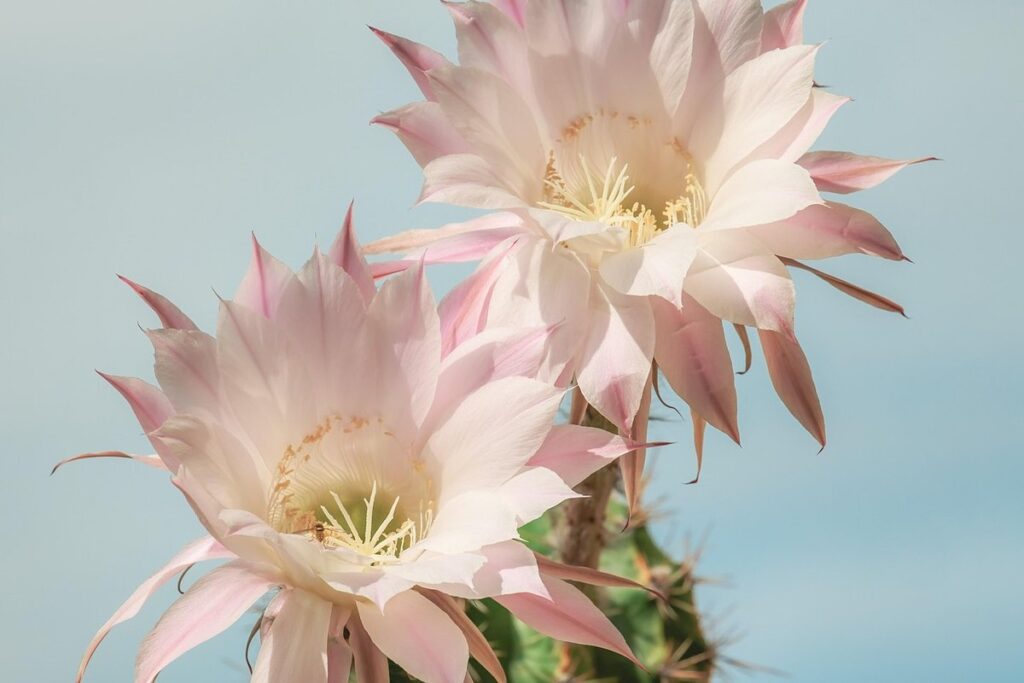
Night-blooming cereus is a true showstopper, with blooms that can reach up to 6 inches in diameter. These nocturnal flowers release their fragrance from around 9 pm to midnight, filling the evening garden with an intoxicating scent. To grow night-blooming cereus, provide it with full sun during the day and rich, well-draining soil.
By incorporating these scented species into your evening garden, you’ll create a haven of beauty and fragrance that will leave you enchanted long after the sun sets.
Unique Characteristics of Nocturnal Bloomers
Nocturnal bloomers have evolved remarkable characteristics to thrive in the evening hours. One striking feature is their larger petals, which are often more fragrant and attractive to pollinators than those of their day-blooming counterparts. This adaptation allows them to increase their scent production, making their fragrance even more potent and noticeable at night.
Some nocturnal bloomers have developed specific mechanisms to boost their fragrance, such as producing oils with intense aromas or releasing fragrance compounds more rapidly in the evening hours. For example, the Ylang-Ylang flower produces a sweet, heady fragrance that’s highly attractive to moths and other pollinators. By targeting these specific pollinators, nocturnal bloomers ensure they receive the necessary pollination for reproduction.
These unique characteristics are essential for nocturnal bloomers to succeed in their evening gardens. By incorporating plants with larger petals and intensified fragrance into your garden, you can create a fragrant evening oasis that attracts pollinators and delights the senses.
Plants That Smell Like Food: A Guide to Aromatic Allurements
Some plants have mastered the art of mimicking our favorite foods, enticing us with their irresistible aromas. From sweet treats to savory delights, discover which plants smell like food at night.
The Siren’s Call of Evening Fragrances
As we delve into the enchanting world of evening fragrances, it’s fascinating to discover how certain plants have evolved to mimic the scents of food sources. This clever strategy is known as ‘mimicry’ or ‘deceptive pollination,’ where plants attract pollinators by releasing fragrances that resemble the scent of ripe fruit, nectar-rich flowers, or even decaying organic matter.
Take the ylang-ylang flower, for instance. Its intoxicating perfume is a dead ringer for fermented banana-like aromas, luring in pollinators like moths and beetles. By releasing these enticing fragrances at dusk, plants ensure they’re visited by the right critters when their reproductive cycles are most active.
To incorporate this tactic into your own garden or indoor space, consider planting species that engage in deceptive pollination. The evening primrose (Oenothera biennis), with its heady scent reminiscent of fresh bread and ripening fruit, is an excellent choice for attracting moths and other nocturnal pollinators. By replicating the scent profiles of food sources, you’ll create a welcoming environment that encourages beneficial organisms to visit your garden under the cover of darkness.
Plant Strategies for Repelling Herbivores
Many plants have evolved unique strategies to protect themselves from nocturnal herbivores. One fascinating approach is through the release of scent deterrents. Take, for instance, the evening primrose (Oenothera speciosa), a fragrant bloomer that emits a strong, pungent aroma in the evening hours. This potent scent acts as a warning signal to potential herbivores, signaling that the plant is toxic or distasteful.
Some plants release chemical compounds specifically designed to repel insects and other small nocturnal creatures. The pipevine (Aristolochia sempervirens), for example, emits volatile organic compounds (VOCs) that are known to deter caterpillars and other moth species. By incorporating these plant strategies into your garden or landscape design, you can create a more balanced ecosystem where plants thrive without being devoured by herbivores.
To incorporate these scent-releasing plants into your own outdoor space, choose varieties that fit your local climate and growing conditions. Consider companion planting with multiple species to maximize their protective effects and create a more resilient garden ecosystem.
Nocturnal Blooms in Your Garden: Tips and Tricks for Attracting Evening Scents
If you’re eager to lure your senses out into the evening garden, this section is dedicated to sharing expert tips on cultivating those magical nighttime scents. From selecting fragrant flora to optimizing growing conditions.
Creating an Aromatic Afternoon Haven
Creating an aromatic afternoon haven is easier than you think. To begin, choose evening-blooming flowers that thrive in your local climate and soil conditions. Some popular options for a low-maintenance haven include ylang-ylang, jasmine, and gardenias. These plants require well-draining soil to prevent waterlogged roots.
When selecting suitable soil conditions for your evening blooms, consider the pH levels of each plant. For example, ylang-ylang prefers slightly acidic soil with a pH between 6.0 and 7.0. To achieve this, mix in organic matter like compost or peat moss into your existing soil. This will also help retain moisture without causing waterlogged conditions.
Another essential aspect is providing the right amount of sunlight for your evening blooms. Most evening-blooming flowers require partial shade to full sun exposure. Make sure to place them near a west-facing wall to capture gentle afternoon light. By following these simple steps, you can create an aromatic haven that’s perfect for unwinding after dinner.
Best Practices for Encouraging Nocturnal Bloomers
To encourage nocturnal bloomers to fragrance your garden at night, it’s essential to provide them with optimal growing conditions. Most evening-scented plants prefer well-draining soil and partial shade to full sun. Ensure that the planting area receives adequate moisture, but avoid overwatering, which can lead to root rot and reduced fragrance production.
Pruning techniques are also crucial for promoting healthy growth and maximizing fragrance output. For example, trim back tall spikes of evening-scented flowers like jasmine or night-blooming cereus after they finish blooming. This will encourage the plant to focus energy on producing new flowers rather than seed production.
Effective pest management is another critical factor in maintaining a thriving garden that showcases nocturnal blooms. Regularly inspect your plants for signs of aphids, whiteflies, and other pests, which can harm the plant and reduce its ability to fragrance the air at night. Use organic or integrated pest management (IPM) strategies whenever possible to minimize chemical exposure and promote a balanced ecosystem in your garden.
Health Benefits and Uses of Evening Fragrances
Evening fragrances have been used for centuries in traditional medicine, aromatherapy, and perfumery to promote relaxation, reduce stress, and improve sleep quality. Let’s explore their health benefits and various uses.
Therapeutic Applications of Night-Blooming Flowers
The therapeutic applications of night-blooming flowers are multifaceted and hold great potential for aromatherapy. When used as essential oils, these plants can have a profound impact on our mental and emotional well-being. One such example is the Jasmine flower, which has been shown to reduce anxiety and promote relaxation.
Studies have demonstrated that inhaling jasmine essential oil can decrease cortisol levels, heart rate, and blood pressure, indicating its potential for stress relief. This makes it an excellent choice for aromatherapy routines before bed or during moments of high emotional distress.
Another example is the Night-Blooming Cereus flower, which has been found to have a sedative effect when used as an essential oil. It promotes deep relaxation and can even aid in reducing symptoms of insomnia. By incorporating these evening-blooming flowers into our aromatherapy practices, we may be able to harness their therapeutic benefits and cultivate a more restful night’s sleep.
To incorporate these oils into your daily routine, start by using a few drops in an essential oil diffuser before bed or during moments of stress. Experiment with different blends and ratios to find what works best for you.
Culinary and Cosmetics Uses
When it comes to evening fragrances, many people are familiar with their calming and relaxing properties. However, few know about their culinary and cosmetic uses. One of the most popular plants that smell at night is jasmine, which is often used as a flavoring agent in teas and desserts. The fragrance of jasmine can be extracted and used to make perfumes, but it’s also prized for its use in aromatherapy.
In addition to its culinary applications, evening fragrances like ylang-ylang and gardenia are used extensively in the cosmetics industry. These plants have anti-inflammatory properties that can soothe irritated skin, making them a popular ingredient in skincare products. Ylang-ylang essential oil is also known for its ability to reduce stress and anxiety, which makes it an ideal addition to face creams and body lotions.
To harness the benefits of evening fragrances in cooking or cosmetics, start by using high-quality essential oils that are extracted from plants that smell at night. These oils can be used sparingly in recipes or as a base for homemade skincare products.
Common Myths and Misconceptions About Nocturnal Blooms
One of the most intriguing aspects of nocturnal blooms is the proliferation of myths surrounding these mysterious plants, many of which have been debunked by science. Let’s separate fact from fiction in this fascinating realm.
Debunking Popular Fallacies About Evening Fragrance Emission
One common myth surrounding evening fragrance emission is that plants release their scent solely for pollinators. While it’s true that many nocturnal blooms attract moths and other nighttime visitors, this isn’t the only reason why they emit a fragrance at night. Some plants, like jasmine and gardenias, have adapted to release their scent during cooler nighttime temperatures when the air is less turbulent.
Another misconception is that environmental factors like temperature and humidity dictate a plant’s nocturnal blooming habits. While these factors can influence when certain plants bloom, many species have an innate ability to synchronize their fragrance emission with specific times of day or night regardless of external conditions.
A more nuanced approach to understanding evening fragrance emission involves considering the role of plant hormones and genetic predisposition. Research has shown that some plants have a natural inclination to release scents at night due to internal chemical signals, rather than solely in response to environmental cues.
In practical terms, this means gardeners can create an environment conducive to nocturnal blooming by providing plants with optimal growing conditions but also respecting the unique fragrance-emitting habits of each species.
The Science Behind the Mystery of Night-Blooming Flowers
When we think about plants that release fragrances, our minds often wander to those that bloom during the day. However, night-blooming flowers are just as enchanting, with their intoxicating scents wafting through the air under the cover of darkness. But have you ever wondered why these flowers bloom at night? To understand this phenomenon, let’s dive into the science behind it.
Research suggests that night-blooming flowers have evolved to release their fragrance during the night as a means of attracting pollinators. Since most pollinators, like moths and bats, are active at night, it makes sense for these flowers to bloom when they’re more likely to get noticed. For example, the fragrant blooms of evening primrose (Oenothera speciosa) release a sweet, honey-like scent that attracts hawkmoths and other nocturnal pollinators.
This unique adaptation is often linked to the plant’s natural defense mechanisms against predators. By releasing their fragrance at night, these plants can lure in beneficial insects while deterring potential threats. Take, for instance, the jasmine flower (Jasminum spp.), which emits a strong, seductive scent to attract pollinators and ward off pests.
To encourage your own night-blooming flowers to thrive, make sure they receive sufficient light during the day but are protected from intense sunlight. Provide them with well-draining soil and adequate water supply to promote healthy growth. By doing so, you’ll be able to enjoy these enchanting blooms and their intoxicating fragrances every evening.
Some of the key factors influencing night-blooming flowers include:
* Temperature: A drop in temperature can trigger the release of fragrance in some plants.
* Humidity: High humidity often accompanies the onset of nighttime, which may stimulate the release of fragrance.
* Light cycles: As mentioned earlier, exposure to daylight followed by darkness can induce blooming.
By understanding these factors and adapting our gardening practices accordingly, we can create a more welcoming environment for night-blooming flowers.
Frequently Asked Questions
Can I encourage my plants to release their scents at night by adjusting environmental factors like temperature or humidity?
Yes, while plants have an innate ability to release evening fragrances, providing optimal growing conditions can enhance this natural phenomenon. By maintaining a suitable temperature range and ensuring adequate moisture levels, you may stimulate your plants’ scent glands to produce more potent aromas.
How do I identify which plants in my garden are emitting nocturnal scents?
Pay attention to the fragrance’s source by using your senses: notice where the aroma is strongest and observe nearby flowers or foliage. You can also research specific plant species known for their evening fragrances, such as jasmine or night-blooming flowers.
Can I use essential oils derived from plants that smell at night in my home or garden?
Yes, essential oils extracted from nocturnal bloomers like jasmine or ylang-ylang can be used in aromatherapy, perfumery, or even as natural pest repellents. However, ensure you source high-quality, pure oils to avoid contamination or adulteration.
Are there any plants that emit scents at night but are not typically associated with fragrance?
Yes, some species of trees and shrubs, like the evening primrose (Oenothera speciosa) or the fragrant sumac (Rhus aromatica), release distinct scents in the evening hours. These plants often use their nocturnal fragrances for defense or communication purposes.
Can I propagate plants that emit strong evening fragrances to create more aromatic specimens?
Yes, many plants that smell at night can be propagated using traditional horticultural techniques like cuttings, layering, or seed dispersal. However, consider the specific needs and requirements of each plant species when attempting propagation to ensure success.