
If you’re a gardener who’s struggled to keep those pesky deer out of your garden, you’re not alone. Deer can be a nuisance, causing significant damage to plants and landscaping. Not only do they eat away at our beautiful flowers and veggies, but they also create an eyesore that’s hard to ignore. But there is hope! Certain plants have natural properties that repel deer, making them the perfect solution for keeping these unwanted visitors out of your yard.
In this article, we’ll explore the best plants that repel deer, as well as some effective repellent and design strategies you can use to protect your garden. From lavender to daffodils, we’ll cover the most efficient ways to deter deer from your landscaping investment, so you can enjoy a beautiful and deer-free yard all year round.
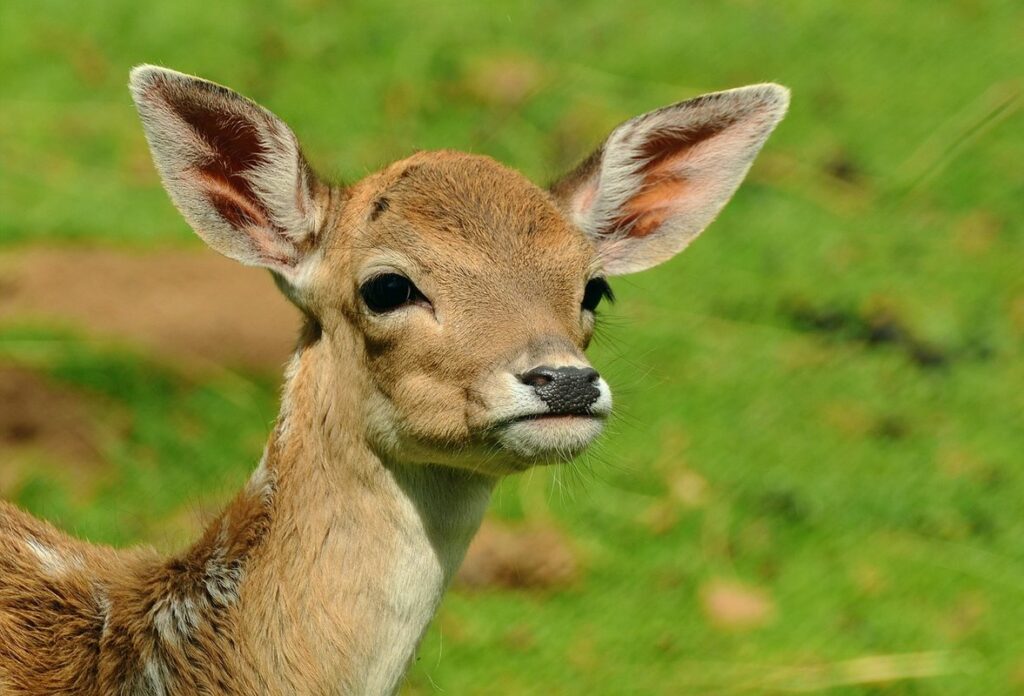
Understanding Deer Behavior and Preferences
To effectively choose plants that repel deer, it’s essential to understand their behavior and preferences, including what they like to eat and how they react to different environments. Let’s dive into some key insights on deer behavior.
What Attracts Deer to Your Yard
When it comes to understanding deer behavior and preferences, it’s essential to recognize what attracts them to your yard. Deer are drawn to areas that provide a safe haven for feeding, drinking, sheltering, and marking their territory.
Deer associate these features with safety and habituation, making them more likely to return to the same area repeatedly. Food sources, such as plants and fruits, are among the primary attractants. Plants like clover, alfalfa, and soybeans are particularly appealing to deer, as they’re rich in nutrients. Fruit-bearing trees and shrubs, like apple and cherry, also serve as a food source.
Water sources are another crucial factor. Deer need access to clean drinking water, especially during dry spells or when their natural habitats are scarce. They often visit areas with ponds, lakes, or even pet water dishes if they’re easily accessible.
Deer also require shelter from harsh weather conditions and predators. Dense vegetation, like thick shrubs or forests, provides them with a sense of security. Additionally, deer use scent markings to communicate with other members of their herd. If you have deer visiting your yard regularly, it’s likely because they’ve associated the area with safety and comfort.
By understanding these attractants, you can take steps to discourage deer from frequenting your property. This will be covered in a later section of this comprehensive guide, focusing on plants that repel deer and other effective deterrents.
How Deer Navigation Works
Deer are skilled navigators, relying on their keen senses to move through their territories with ease. Their ability to navigate is made possible by a combination of their sense of smell, vision, and spatial memory.
Their sense of smell plays a crucial role in navigation as deer use scent markings to identify familiar areas. They detect these scents through vomeronasal organs located on their nasal tissue, which are highly sensitive to pheromones and other chemical cues. By tracking these scents, deer can reconstruct their mental map of their territory.
Vision also contributes significantly to deer navigation. They have excellent eyesight that allows them to detect movement from great distances. Deer use this vision to recognize patterns in their environment, including familiar landmarks such as water sources or food sources.
In addition to scent and vision, spatial memory is essential for deer navigation. As they move through their territory, they create a mental map of their surroundings by recognizing and remembering key features. This ability allows them to return to these areas with ease, even after extended periods away.
Understanding the importance of familiarity in deer behavior can help you tailor your plant-based repellent strategy. By choosing plants that are unfamiliar or unappealing to deer, you can create a barrier that deters them from entering your yard.
Plant Selection: Choosing Deer-Repelling Plants
When selecting plants for your garden, it’s essential to choose species that deer tend to avoid. Let’s explore some of these deer-repelling plants together.
Perennial Options for Deer Deterrence
When it comes to perennial options for deer deterrence, there are several plants that have been shown to be effective in keeping these unwanted visitors away from your garden. One such option is lavender (Lavandula spp.), a low-maintenance and fragrant choice that deer tend to avoid. To grow lavender successfully, provide it with full sun, well-draining soil, and infrequent watering.
Another perennial plant known for its deer-repelling properties is rosemary (Rosmarinus officinalis). This Mediterranean native prefers dry to moderately moist soil and full sun, making it a great option for gardens in areas with low rainfall. When pruning rosemary, be sure to trim only the top growth to encourage bushy habits and prevent woody stems from forming.
Coneflower (Echinacea spp.) is another perennial plant that deer often steer clear of. This drought-tolerant flower prefers well-draining soil and full sun, but can also thrive in partial shade. To keep coneflower blooming its best, deadhead spent flowers regularly and divide and replant every 3-4 years to maintain its health and vigor.
Shrubs and Small Trees That Repel Deer
When it comes to choosing plants that repel deer, shrubs and small trees are an excellent option. One of the most effective types of shrubs for deterring deer is boxwood (Buxus sempervirens). With its dense, evergreen foliage, boxwood creates a physical barrier that deer find unappealing. In fact, studies have shown that deer tend to avoid areas with high concentrations of boxwood.
Other shrubs like yew (Taxus baccata) and holly (Ilex aquifolium) are also effective at repelling deer. Yew’s toxic leaves make it an unattractive food source for deer, while holly’s prickly branches provide a physical deterrent. For small trees, cedar (Cedrus spp.) and cypress (Taxodium spp.) are great options. Cedar’s strong scent is particularly effective at deterring deer, who find the aroma overwhelming.
If you’re looking to incorporate these plants into your garden, consider grouping them together in a dense thicket. This will create a formidable barrier that deer are unlikely to breach. Planting multiple species of shrubs and small trees will also provide a longer-lasting effect, as deer are less likely to become accustomed to a single type of plant.
Designing a Deer-Repelling Landscape
To successfully design a deer-repelling landscape, you’ll want to focus on selecting plants that deer tend to dislike and avoiding those they love. This can be achieved by choosing the right flowers and foliage for your yard.
Creating Barriers and Boundaries
When it comes to designing a deer-repelling landscape, creating physical barriers is an essential step in protecting your plants from these pesky critters. Fencing is one of the most effective and straightforward ways to keep deer out of your garden or yard. Consider installing a sturdy fence at least 8 feet tall, as deer can jump high but not very far horizontally. You can also use electric fencing, which can be more cost-effective and just as effective.
In addition to fencing, you can use burlap or other forms of deterrents to create barriers around specific plants or areas. For example, wrapping large rocks with burlap and placing them strategically around your prized flowerbeds can help deter deer from approaching. You can also try using row covers or individual plant wraps to protect sensitive plants from nibbling.
Remember to repair any gaps or weaknesses in your fencing as soon as you notice them – a small opening can be all it takes for a curious deer to find its way into your garden. With the right combination of physical barriers and deer-repelling plants, you’ll be well on your way to creating a deer-free zone in your yard.
Using Repellents and Deterrents
When it comes to designing a deer-repelling landscape, commercial repellents and homemade deterrents can be effective tools. Commercial sprays and granules are available on the market, often containing ingredients like capsaicin (found in chili peppers) or predator urine. These products can be applied directly to plants or around the perimeter of your garden. When choosing a commercial repellent, look for ones that contain 1-2% active ingredients, as these tend to be more effective.
If you prefer a more DIY approach, consider making homemade repellents using hot peppers, garlic, and predator urine. For example, mix chopped hot peppers with water and spray the solution on plants or around the garden perimeter. You can also bury cloves of garlic near the affected areas to deter deer. Another option is to use predator urine, such as coyote or fox scent, to mimic the presence of a natural predator.
Keep in mind that repellents are not a one-time fix – they need to be reapplied regularly, especially after rain or snow. It’s also essential to combine repellents with physical barriers and plant selection strategies for optimal deer-repelling results.
Additional Strategies for Deer Control
While repellent plants are effective, sometimes a more proactive approach is needed. This section shares additional strategies to help you effectively control deer on your property and surrounding areas.
Integrated Pest Management (IPM) Techniques
While plants that repel deer are an effective way to deter these pesky creatures from your garden, they should be used as part of a comprehensive approach to deer management. One such approach is Integrated Pest Management (IPM), which combines physical barriers with repellents and other control methods to achieve more effective results.
The IPM technique involves identifying the root causes of deer damage, such as food sources or shelter, and addressing them through a combination of methods. For example, removing attractants like fallen fruit or berries can reduce the likelihood of deer visiting your garden in the first place. Physical barriers, such as fencing, can also be used to prevent deer from entering your property.
Using IPM techniques not only leads to more effective deer management but also reduces reliance on chemical pesticides, which can harm both humans and wildlife. By incorporating plants that repel deer into your IPM strategy, you can create a holistic approach to deer control that’s both environmentally friendly and long-lasting.
Community Efforts and Local Regulations
When it comes to managing deer populations, community-led initiatives and local regulations play a significant role. In some regions, residents have come together to implement creative solutions to deter deer from their properties.
For instance, the city of Ann Arbor, Michigan, has implemented a community-based deer management program that allows residents to apply for permits to cull deer on private property. This approach not only helps control the local deer population but also promotes coexistence with these animals.
Local regulations regarding hunting and culling can also have a significant impact on deer populations. In areas where hunting is allowed, hunters must adhere to specific rules and guidelines set by state or local authorities. These regulations often include requirements for permits, bag limits, and hunting seasons.
When it comes to implementing community-led initiatives, communication and collaboration are key. Residents should work together with local authorities to establish effective strategies that balance human needs with wildlife conservation. By doing so, communities can develop sustainable solutions to deer management, reducing conflicts between humans and deer.
Common Challenges and Misconceptions
One of the biggest obstacles when using plants to repel deer is identifying what doesn’t work as promised, and we’re here to debunk some common misconceptions for you.
Myths About Deer Repellents and Deterrents
Deer repellents and deterrents have been touted as foolproof solutions to keeping these pesky creatures away from our gardens. However, there are several myths surrounding their effectiveness that need to be debunked.
One common myth is that certain plants or methods can completely eliminate the problem of deer visiting your garden. Unfortunately, this is far from true. Deer repellents and deterrents can provide temporary relief, but they may not work in all situations. For example, a single coat of hot pepper spray on a plant might deter a deer for a day or two, but it’s unlikely to keep them away permanently.
Another myth is that commercial repellent products are more effective than homemade solutions. While some commercial products may contain active ingredients that repel deer, they can also be expensive and have environmental drawbacks. Homemade deterrents like garlic spray and soap-based repellents can be just as effective and cost a fraction of the price.
Ultimately, no single solution will completely eliminate the problem of deer visiting your garden. A combination of physical barriers, repellent plants, and regular maintenance is often the most effective approach to keeping these pests at bay.
Addressing Maintenance and Long-Term Commitment
Maintaining a deer-repelling landscape requires ongoing effort and commitment. While plants like daffodils and hyacinths are effective at repelling deer, they do have some limitations. For instance, their bulbs need to be replaced every year after blooming, which can be time-consuming and costly. Additionally, these plants may not provide long-term protection as deer can become accustomed to them over time.
To address this challenge, consider incorporating a mix of perennials and annuals in your landscape design. Perennials like lavender and rosemary require less maintenance than bulbs and can thrive for years with minimal care. You can also consider using native plants that are unappealing to deer as an added layer of protection.
Remember, a deer-repelling landscape is not a one-time solution but rather an ongoing process. Set aside time each year to inspect your garden, replace any dead or dying plants, and replenish repellents like hot pepper spray. By doing so, you can enjoy the benefits of a beautiful, deer-free garden for years to come.
Conclusion: A Holistic Approach to Deer Management
In conclusion, managing deer populations effectively involves more than just planting repellent plants. A holistic approach considers multiple factors and strategies to minimize damage and promote coexistence. By incorporating deer-resistant plants into your landscaping, you’re taking a crucial step in this process. However, it’s also essential to consider other aspects, such as reducing attractants like food sources and eliminating shelter areas.
Take, for instance, the example of using fencing to protect sensitive plants or gardens. This physical barrier not only prevents deer from accessing these areas but also reduces the likelihood of attracting them to your property in the first place.
Frequently Asked Questions
Can I use deer-repelling plants alone to completely eliminate deer from my yard?
Yes, using a combination of deer-repelling plants can significantly deter deer from your yard. However, it’s essential to remember that these plants should be used as part of an integrated approach to deer management, which may also involve repellents, barriers, and other strategies.
How do I know which plants will work best for my specific climate and region?
The effectiveness of deer-repelling plants can vary depending on your location. Consider consulting with local nurseries or gardening experts who are familiar with the specific plant species that thrive in your area and are most effective at repelling deer in your region.
Can I mix deer-repelling plants with other types of plants, or will this affect their efficacy?
Yes, you can combine deer-repelling plants with other types of plants. In fact, a diverse and layered landscape can be more effective at deterring deer than relying on single plant species. However, be sure to choose plants that complement each other in terms of growth habits and maintenance requirements.
How often do I need to maintain and replace deer-repelling plants?
The frequency of maintenance and replacement will depend on the specific plant species and your local climate. Generally, it’s recommended to prune or divide perennials every 2-3 years, while shrubs and small trees may require less frequent maintenance.
Can I use deer-repelling plants in containers as an alternative to planting them directly in the ground?
Yes, you can use deer-repelling plants in containers. This is a great option if you have limited space or want to move the plants around your yard seasonally. Just be sure to choose containers that are at least 6-8 inches deep and provide sufficient drainage holes for healthy plant growth.