
If you’re looking to add some charm to your garden, you might be interested in learning about plants that resemble the iconic clover. From Legumes like beans and peas that share clover’s delicate white flowers, to grass-like species like buffalo grass that mimic its soft texture, there are plenty of options to explore. Identifying these lookalikes can be a fun challenge for gardening enthusiasts and beginners alike. But what makes them so special? For one, they bring a touch of whimsy and interest to even the most common landscapes. In this comprehensive guide, we’ll delve into the world of plants that resemble clover, covering identification tips, cultivation advice, and more, so you can incorporate these charming specimens into your garden with ease. Whether you’re a seasoned gardener or just starting out, get ready to discover new favorites and add some personality to your outdoor space!
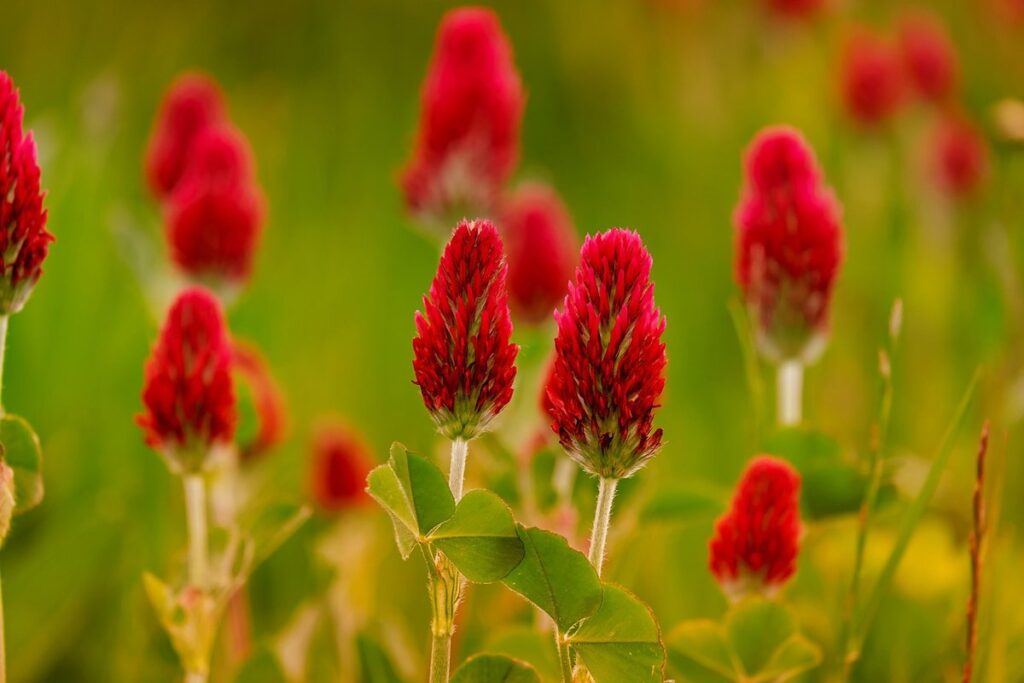
Types of Plants Similar to Clover
If you’re looking for plants that resemble clover, you’ve come to the right place! This section highlights some of the most common alternatives to clover that are often mistaken for it.
Legume Family Members
The legume family is a diverse group of plants that share some striking similarities with clover. As members of the Fabaceae family, beans and peas are two of the most recognizable legumes that resemble clover in appearance. These plants have trifoliate leaves, just like clover, but their growth habits and flower structures set them apart.
Beans and peas grow as vines or shrubs, depending on the species, and often require support to climb up trellises or other structures. They also produce small, delicate flowers that are usually pink, purple, or white in color. One of the key differences between these legumes and clover is their growth rate – beans and peas tend to grow much faster than clover, with some varieties maturing in as little as 50 days.
Some popular examples of legume family members include kidney beans, black-eyed peas, and chickpeas. These plants are not only visually appealing but also packed with nutrients, making them a great addition to any garden or pot. To grow these plants successfully, make sure to provide them with well-draining soil, full sun, and adequate support for their climbing habit.
Grass-Like Plants
If you’re looking for plants that resemble white clover but have a more grass-like appearance, you might be interested in brome and ryegrass. These plants share a similar look with white clover due to their delicate foliage and small flowers. However, they are actually members of the grass family (Poaceae) rather than legumes like clover.
Bromes, such as Kentucky 31 fescue, have long, narrow leaves that grow from the base of the plant, giving them a more grass-like appearance compared to clover’s rounded leaflets. Ryegrass, on the other hand, has shorter, broader leaves and produces small white or pink flowers in panicles.
These plants often thrive in similar environments as white clover, such as lawns, meadows, and pastures. They can be used as lawn alternatives or mixed with other grasses to create a low-maintenance groundcover.
Sedges and Rushes
Sedges and rushes are often mistaken for clover due to their similar growth habits and foliage. However, they belong to different plant families and exhibit distinct characteristics.
There are over 120 species of sedges (Carex spp.), which can be identified by their triangular or V-shaped stems, long narrow leaves that grow from the base, and a distinctive sheath at the base of each leaf. Sedges tend to grow in wet environments and often have small, inconspicuous flowers that are usually white, yellow, or brown.
Rushes (Juncus spp.), on the other hand, have hollow, cylindrical stems with no leaves, giving them a more grass-like appearance. They also produce small, greenish-yellow flowers that grow in clusters at the tip of each stem. Some species of rushes can grow up to 3 feet tall and are often found in wet meadows or along streams.
When trying to distinguish sedges from clover, look for the distinctive sheath on each leaf and the triangular stem shape. For rushes, focus on their hollow stems and lack of leaves. While both plants share similarities with clover, they have unique characteristics that set them apart.
Common Misidentifications: Similar Looking Weeds
One of the biggest challenges when trying to identify a plant is recognizing what it’s not – and that’s especially true for those that resemble common weeds. Let’s look at some examples.
Dandelion Identification
Dandelions are one of the most common plants that people mistake for clover. At first glance, it’s easy to see why: both dandelions and clover have a similar rounded shape and grow close to the ground. However, upon closer inspection, there are several key differences between these two plants.
One of the main ways to tell them apart is by looking at their leaves. Dandelion leaves are typically jagged or toothed, with pointed tips, whereas clover leaves are more rounded and have smooth edges. You can also check for the presence of a milky sap on the stem when you break it – dandelions are notorious for oozing out a white, sticky liquid when injured.
Another way to distinguish between these two plants is by observing their flowers. Dandelion flowers are typically yellow, with hundreds of tiny florets clustered together in a central head, whereas clover flowers are more delicate and typically bloom in clusters of small, pinkish or white blooms.
Chickweed Characteristics
Chickweed is another plant that often gets mistaken for white clover due to its similarly delicate appearance. This common weed typically has a sprawling habit and can be found growing close to the ground. Its leaves are small, pointed, and arranged in an opposite pattern on the stem. Chickweed’s flowers are usually smaller than those of white clover, with five petals that are often a pale pinkish-purple color.
One key reason why chickweed is often mistaken for white clover is its habit of growing in dense mats or patches. This can make it difficult to distinguish from other creeping plants like white clover. To tell the two apart, take a closer look at the leaves and flowers. Chickweed’s leaves are typically more narrow than those of white clover, and its flowers are less showy.
If you’re trying to identify chickweed in the wild, pay attention to its growth habits as well. Chickweed tends to be more aggressive and can outcompete other plants for resources. This can make it a problem weed in some areas.
Plantain Similarities
Plantain’s similarity to clover is often the reason for mistaken identities. At first glance, it may seem like a regular clover plant, but upon closer inspection, you’ll notice its distinct characteristics. One of the main differences is the leaf shape and size: plantains have wider leaves with pointed tips, whereas clovers typically have smaller, oval-shaped leaves. Additionally, plantain flowers are usually purple or white in clusters, while clovers tend to bloom in pink, red, or white colors.
To confirm whether you’re dealing with a plantain or clover, pay attention to the growth habit and stem texture. Plantains often grow upright and have a more robust stem than clovers, which tend to spread outwards and have thinner stems. When in doubt, inspect the leaves’ veins – they are usually parallel on plantains but radiate from the center on clovers.
Identifying plants correctly is essential for their management and coexistence. By recognizing the distinctive features of each species, you can take targeted actions to control invasive weeds or promote beneficial growth.
Identifying Plants That Resemble Clover in Your Garden or Yard
If you’re stumped by plants that look suspiciously like clover in your garden, don’t worry – we’ll help you identify what’s hiding among your blooms. This guide will walk you through the process of identifying these impostors.
Visual Identification Techniques
When examining plants that resemble clover in your garden or yard, attention to detail is crucial for accurate identification. Start by observing the overall shape and growth habit of the plant. Does it have a sprawling or upright habit? Are the stems long and leggy or short and compact? Clover itself typically has a prostrate or semi-erect growth habit.
Next, examine the leaf structure. Clover leaves are usually trifoliate (arranged in threes) with oval-shaped leaflets that are attached to a central stem. Other plants may have similar leaf arrangements, but note any distinctive differences, such as leaf shape, size, or coloration. For example, some species of plantain have similar trifoliate leaves but are often larger and more ovate.
Pay close attention to the flower clusters (inflorescences) as well. Clover flowers are usually small, pinkish-white, and arranged in dense, rounded heads. If you’re unsure whether a plant is clover or not, take note of the number of petals and their arrangement within each floret. By combining these visual cues, you’ll be better equipped to distinguish between plants that resemble clover and those that are actually part of the Trifolium genus.
Botanical Characteristics
When identifying plants that resemble clover, it’s essential to examine their botanical characteristics. One key feature is the leaf arrangement, which can be opposite, alternate, or whorled. Clovers typically have trifoliate leaves with three leaflets arranged like a thumb and two smaller leaflets on either side. However, some plants mimic this pattern by having deeply lobed or divided leaves.
The flower structure of clover-like plants is also crucial for identification. Trifolium species (true clovers) produce small, rounded flowers in clusters, usually pinkish-purple or white. But other plants may bloom with similar colors and arrangements, making it challenging to distinguish them from true clovers. For instance, some members of the legume family, such as vetches and medics, produce flowers in a similar pattern.
To accurately identify these plants, take note of the stem’s hairiness, leaf texture, and flower color. A magnifying glass or hand lens can help you observe these details more closely. Keep in mind that some clover lookalikes may have distinctive features like longer petioles (stems attaching leaves to the plant) or differently shaped flowers. By paying attention to these characteristics, you’ll be better equipped to distinguish between true clovers and their botanical imitators.
Tools and Resources for Identification
When it comes to identifying plants that resemble clover in your garden or yard, having the right tools and resources can make all the difference. Field guides are a great starting point, providing detailed descriptions and illustrations of various plant species, including those that mimic the appearance of clover. One popular option is the “Newcomb’s Wildflower Guide,” which features over 1,500 color photographs and descriptions of North American wildflowers.
Online databases like PlantNet and iNaturalist are also excellent resources for identification. These platforms allow you to upload photos or search by location, plant characteristics, and other criteria to narrow down potential matches. Additionally, smartphone apps such as Leafsnap and FlowerChecker can help you quickly identify plants using your mobile device’s camera and AI-powered algorithms.
To get the most out of these tools, it’s essential to familiarize yourself with their capabilities and limitations. Practice using them in a controlled environment before applying them to real-world situations. By combining field guides, online databases, and smartphone apps, you’ll be well-equipped to confidently identify plants that resemble clover in your garden or yard.
Cultivating Plants That Look Like Clover in Your Garden
If you’re eager to grow plants that resemble clover in your garden, cultivating species like Trifolium stellatum and Melilotus albus can be a great place to start. This section will guide you through their care and growth requirements.
Soil Requirements
When cultivating plants that resemble clover, it’s essential to understand their specific soil requirements. These plants typically thrive in well-draining soils with a slightly acidic pH level between 6.0 and 7.0. For instance, Red Clover (Trifolium pratense) prefers soils with a pH between 6.1 and 7.0.
In terms of nutrient needs, clover-like plants tend to require moderate levels of nitrogen, phosphorus, and potassium. However, some species like White Clover (Trifolium repens) can tolerate poor soil conditions and still produce a decent yield. To replicate these conditions in your garden, focus on adding organic matter such as compost or well-rotted manure to improve the soil‘s structure.
Here are some specific guidelines for adjusting the pH level of your soil:
* Test your soil using a DIY kit or send it to a laboratory for analysis.
* Based on the results, add lime to raise the pH if necessary or sulfur to lower it.
* Mix in 2-3 inches of compost or well-rotted manure to adjust the nutrient levels.
Remember that over-fertilization can harm your plants, so monitor their growth and adjust accordingly. By understanding and replicating the soil requirements of clover-like plants, you’ll be able to create an optimal growing environment for them in your garden.
Sunlight and Water Needs
When it comes to cultivating plants that resemble clover in your garden, understanding their sunlight and water requirements is crucial for their growth and success. Most plants with a clover-like appearance prefer partial shade to full sun, depending on the specific species.
Plants like White Clover (Trifolium repens) thrive in areas receiving 4-6 hours of direct sunlight per day, while others like Red Clover (Trifolium pratense) can tolerate more intense sunlight. It’s essential to consider the mature size and spread of your chosen plant when selecting a location.
In terms of watering needs, plants that look like clover generally prefer moist soil but can adapt to average water conditions. They typically require about 1-2 inches of rainfall or irrigation per week during the growing season. Be mindful of overwatering, which can lead to root rot and other issues. Check the soil moisture by inserting a finger into the soil up to the knuckle; if it feels dry, it’s time to water.
Keep in mind that some plants may have specific watering requirements based on their native habitat or growth habits. Research your chosen plant species to ensure you’re meeting its unique needs.
Tips for Successful Cultivation
To successfully cultivate plants that resemble clover in your garden, it’s essential to understand their specific needs. When propagating these plants, use a mix of well-draining potting soil and perlite for optimal results. Cuttings from mature stems or divisions of established roots can be used for propagation.
Provide your plants with full sun to partial shade and maintain consistent moisture levels. Fertilize regularly during the growing season using a balanced, water-soluble fertilizer. Keep in mind that over-fertilization can lead to weak growth and increased susceptibility to pests.
In terms of care, these plants typically require more frequent watering than other varieties due to their small root systems. Avoid compacting the soil around their roots as this can restrict growth. Mulch around the base of your plants to retain moisture and suppress weeds. Regular pruning will also help promote healthy growth and prevent seed dispersal.
Monitor your plants regularly for signs of pests or diseases, and take corrective action promptly to prevent infestations from spreading. With proper care and attention, these plants should thrive in your garden, providing a lush and vibrant display that closely resembles the iconic three-leafed clover.
Conclusion: Enjoying Plants That Resemble Clover
Now that you’ve learned how to identify and grow plants that resemble clover, let’s explore ways to enjoy these unique additions to your garden and indoor spaces.
Conclusion Summary
In conclusion, exploring plants that resemble clover has been an exciting journey through the world of botany. As we’ve delved into the details of these fascinating species, it’s essential to remember that proper identification is crucial to avoid confusion and potential harm from lookalike plants.
We’ve highlighted several key takeaways: first, understanding the unique characteristics of each plant is vital for accurate identification; second, proper cultivation methods can make a significant difference in the plant’s appearance and growth; and third, being aware of any potential allergens or toxins associated with certain species. For instance, it’s interesting to note that while clover itself is not typically allergenic, some lookalikes like wild garlic or onion grass may cause skin irritation or allergic reactions.
As you continue to explore the world of plants, remember to approach each new discovery with a critical eye and thorough research. By doing so, you’ll be able to appreciate the unique qualities of each species and cultivate a deeper understanding of the natural world. With this comprehensive guide as your starting point, we’re confident that you’ll be well-equipped to navigate the wonderful realm of plants that resemble clover.
Final Thoughts
As you’ve reached the end of this comprehensive guide to plants that resemble clover, we hope you’re inspired to continue exploring and learning about these fascinating plants. By now, you should have a good understanding of the different types of plants that share similarities with clover, their unique characteristics, and how to grow and care for them in your own garden.
We encourage you to take what you’ve learned here and apply it to your own plant-hunting adventures. Don’t be afraid to get creative and try out new species – after all, that’s where the most exciting discoveries often lie! Who knows, you might stumble upon a new favorite plant or even develop a passion for botanical collecting.
Remember, the world of plants is full of surprises, and exploring it can bring so much joy and fulfillment. So, keep your eyes peeled for those trifoliate leaves, delicate white flowers, and adaptable growth habits – and happy planting! Whether you’re a seasoned gardener or just starting out, we hope this guide has sparked a new appreciation for the beauty and diversity of plants that resemble clover.
Frequently Asked Questions
Can I grow plants that resemble clover in containers or indoors?
You can definitely grow these charming plants in containers or indoors, provided you meet their specific needs. Most legume family members and grass-like plants require well-draining soil and full sun to partial shade. Choose a container with good drainage holes and use a potting mix suitable for the type of plant you’re growing. Keep the soil consistently moist but not waterlogged, and fertilize regularly.
How do I prevent common weeds that resemble clover from taking over my garden?
To avoid common misidentifications like dandelion or chickweed, focus on early detection. Regularly inspect your garden for unusual growth patterns or flower colors. If you suspect a weed has taken hold, carefully dig it up before it spreads its seeds. Use physical barriers or mulch to prevent weeds from growing in the first place.
Are there any plants that resemble clover but are toxic to pets or humans?
Yes, some plants that look like clover can be toxic if ingested. For example, white clover itself is not typically toxic, but other plants with similar flowers may cause digestive issues if eaten by pets or children. Always research the specific plant you’re considering and consult with a gardening expert or veterinarian to ensure its safety for your family and pets.
How do I determine which plants resemble clover are best suited for my garden’s climate?
When selecting plants that look like clover, consider your local climate and soil conditions. Some grass-like plants can thrive in hot, dry climates while others prefer cooler temperatures. Consult with a gardening expert or check online resources to determine the ideal plants for your specific region.
Can I use plants that resemble clover as groundcover or lawn alternatives?
Yes, many plants that look like clover make excellent groundcovers or lawn alternatives due to their spreading habits and ability to suppress weeds. Choose species suitable for your climate and soil type, and plant them densely to achieve the desired effect. Regular maintenance will help these plants thrive and provide a beautiful, low-maintenance option for your outdoor space.