
If you’re considering planting a spruce tree, but your yard is shaded, you’re probably wondering if these trees can thrive in less-than-ideal conditions. The good news is that many varieties of spruce can grow well in shade, making them an excellent choice for areas with limited sunlight.
However, not all spruces are created equal when it comes to shade tolerance, so choosing the right variety is crucial for success. In this article, we’ll explore whether spruce trees can grow well in shade and provide expert tips on selecting the perfect tree, preparing your site, pruning, and maintenance techniques to ensure optimal growth in shaded conditions.
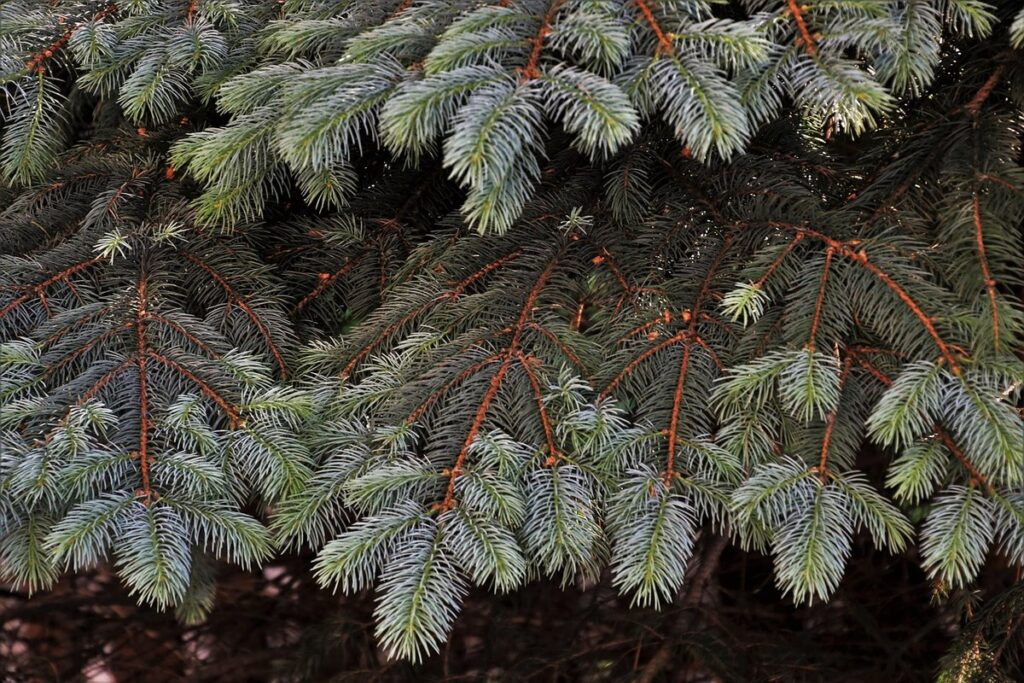
Understanding Spruce Trees and Their Needs
To grow healthy spruce trees, it’s essential to understand their needs, including light requirements, soil preferences, and watering habits that promote optimal growth. Let’s explore these factors together.
1.1 Types of Spruce Trees: Variations and Characteristics
Spruce trees come in various species, each with unique growth habits and sunlight requirements. Some of the most common types of spruce trees are Colorado Blue Spruce (Picea pungens), White Spruce (Picea glauca), Black Spruce (Picea mariana), and Red Spruce (Picea rubens).
Colorado Blue Spruce, for instance, is known to thrive in full sun conditions but can tolerate partial shade. On the other hand, White Spruce prefers well-drained acidic soils and moderate sunlight, typically requiring at least four hours of direct sunlight per day. Black Spruce grows best in cooler climates with high humidity and moderate sunlight, while Red Spruce thrives in wetlands and requires full sun to partial shade.
When choosing a spruce species for shade, consider the plant’s natural growth habits and adaptability. Some spruce varieties are more tolerant of low light conditions than others. Be aware that even if your chosen spruce can tolerate shade, it will still require some indirect sunlight to photosynthesize and grow properly.
1.2 What Spruce Trees Need for Optimal Growth
Spruce trees typically require a balanced combination of essential elements for optimal growth. When it comes to light, most spruce species prefer full sun to partial shade conditions, but some varieties can tolerate dense shade. However, even if you’re planting spruce in the shade, they still need sufficient indirect light to photosynthesize and grow.
For water needs, young spruce trees require consistent moisture, especially during their first year after planting. Aim to provide about 1 inch of water per week through rainfall or irrigation. As the tree matures, it becomes more drought-tolerant but still requires adequate watering, especially during dry spells.
In terms of soil, spruce trees prefer slightly acidic to neutral soil pH (5.5-7.0) and well-draining conditions. Avoid planting in areas with standing water or poorly drained soils. Nutrient-wise, a balanced fertilizer application during the growing season can promote healthy growth. Be cautious not to over-fertilize, as this can damage the tree’s roots.
When considering shade conditions for your spruce planting, ensure that it receives at least 4-6 hours of indirect sunlight per day. This will provide enough light for photosynthesis while minimizing stress on the tree.
Effects of Shade on Spruce Tree Growth
Shade can actually be beneficial for spruce trees, but excessive shade can stunt their growth and affect their overall health, as we’ll explore next. Let’s take a closer look at how different levels of shade impact these beautiful conifers.
2.1 How Shade Affects Photosynthesis and Growth
When spruce trees are planted in shaded conditions, one of the primary concerns is the impact on photosynthesis. Photosynthesis is the process by which plants convert light energy into chemical energy, fueling growth and development. Shade reduces the amount of light available for photosynthesis, resulting in lower rates of this critical process.
The reduced light intensity in shaded areas can limit the production of chlorophyll, a pigment essential for photosynthesis. This decrease in chlorophyll production impairs the tree’s ability to absorb carbon dioxide and release oxygen, leading to stunted growth and development. Spruce trees grown in deep shade may experience delayed bud break, smaller leaves, and reduced seed production.
If you’re planting spruce in shaded conditions, it’s essential to consider the specific light requirements of your tree species. Black spruce and white spruce are more adaptable to shade than other varieties, but even these can benefit from some direct sunlight during the growing season. To promote healthy growth, ensure your shaded spruce receives at least 20-30% indirect light through skylights or north-facing windows. Regular pruning and fertilization can also help compensate for reduced light conditions, but be cautious not to over-prune, as this can stress the tree further.
2.2 Potential Problems with Planting in Shade
When planting spruce trees in shaded conditions, several potential problems can arise that may impact their growth and health. One common issue is reduced vigor, which can result from inadequate sunlight exposure. Spruce trees grown in shade tend to be shorter and more compact than those planted in full sun, as they allocate energy towards developing a robust root system rather than reaching for the sky.
Another concern is increased susceptibility to diseases such as needle rust, powdery mildew, and spider mites. These pests and pathogens thrive in shaded environments where moisture accumulates on leaves, creating an ideal breeding ground. Spruce trees grown in shade may also be more prone to root rot due to poor drainage and waterlogging.
To mitigate these risks, it’s essential to carefully select a spruce variety that is tolerant of shade or has some degree of adaptability. Regular pruning and thinning can also help to promote air circulation and prevent disease outbreaks.
Can Spruce Trees Adapt to Shade?
When planting spruce trees in shaded areas, understanding their ability to adapt to low light conditions is crucial. Let’s explore how well spruce trees can tolerate shade and what that means for your garden’s success.
3.1 Natural Tolerance of Different Spruce Species
Some spruce species are naturally more tolerant of shade than others. For instance, Colorado Blue Spruce (Picea pungens) and White Spruce (Picea glauca) can perform well in partial shade conditions. However, these species will still require some direct sunlight to maintain their health.
Black Spruce (Picea mariana), on the other hand, is one of the most shade-tolerant spruce species. It thrives in boreal forests and often grows under a dense canopy. This species’ ability to adapt to low light conditions makes it an excellent choice for planting in shaded areas.
When selecting a spruce species for shady locations, consider factors such as the tree’s mature size and growth rate. Choose a smaller-growing variety that can thrive in partial shade without becoming too leggy or weak. Regular watering and fertilization will also help your spruce tree adapt to its environment. By understanding the natural tolerance of different spruce species, you can make informed decisions when planting in shaded areas.
3.2 Factors Influencing Adaptability to Shade Conditions
When it comes to planting spruce trees in shaded conditions, several factors can influence their adaptability. One key factor is the age of the tree. Younger spruce trees tend to be more resilient and adaptable to shade, whereas mature trees may struggle to adjust.
Soil quality also plays a significant role in determining a spruce tree’s ability to thrive in shade. Trees growing in well-draining soils with adequate nutrients are better equipped to handle shaded conditions than those planted in waterlogged or nutrient-poor soils. This is because the roots of the tree need oxygen and essential nutrients to function optimally, even when light levels are low.
Additionally, a spruce tree’s overall health can impact its ability to adapt to shade. Trees with existing health issues may be more susceptible to stress caused by shaded conditions, making it challenging for them to recover or grow. By choosing a healthy tree and providing optimal growing conditions, you can increase the chances of your spruce tree adapting successfully to shaded environments.
In terms of specific care, it’s essential to maintain good soil quality through regular fertilization and mulching. This will ensure that the roots receive the necessary nutrients for optimal growth, even in low-light conditions.
Planting Spruce in the Shade: Tips for Success
When planting spruce trees in shaded areas, it’s essential to choose a variety that thrives in low-light conditions and follow specific care guidelines to ensure their survival. Let’s dive into the tips for successfully growing spruce in shade.
4.1 Choosing the Right Variety for Shade
When selecting spruce species for planting in shade, it’s essential to consider their tolerance levels and growth habits. Some spruce varieties are more adaptable to low-light conditions than others.
Look for species like Colorado Blue Spruce (Picea pungens), which can tolerate partial shade and grow well in areas with dappled sunlight. Black Spruce (Picea mariana) is another option, as it’s highly tolerant of shade and can thrive in moist, wooded areas.
Keep in mind that even if a spruce variety is tolerant of shade, it still needs some direct sunlight to photosynthesize properly. Ensure your planting location receives at least 2-4 hours of indirect sunlight per day for optimal growth.
Remember to also consider the mature size of the tree and its root system when selecting a variety for shade planting. Some spruces can grow quite large, so choose a variety that will fit comfortably in your landscape without outgrowing its space. With careful selection, you can enjoy the beauty of spruce trees even in areas with limited sunlight.
4.2 Site Preparation and Soil Management
When planting spruce trees in shaded areas, it’s essential to prepare the site carefully to ensure optimal growth and health. Start by assessing the soil type and pH level. Spruce trees prefer well-draining acidic soils with a pH between 6.0 and 7.0. If your soil is too alkaline or heavy clay, consider amending it with organic matter like peat moss or compost.
Mulching around the base of the tree is also crucial to regulate moisture levels, suppress weeds, and retain nutrients. Use a thick layer (3-4 inches) of wood chips, bark, or pine straw, keeping it 6-8 inches away from the trunk to prevent rot. Avoid using weed barriers that can suffocate roots.
Additionally, consider aerating the soil to improve oxygenation and drainage. This is particularly important in shaded areas where water tends to collect. Use a garden fork to gently loosen the top layer of soil or rent an aerator for more efficient results. By investing time in site preparation and soil management, you’ll set your spruce tree up for success in even the shadiest conditions.
Considerations for Maintenance and Care
When planting spruce in shade, proper maintenance is crucial for your tree’s health. To ensure you’re giving it the best chance to thrive, consider these essential care tips next.
5.1 Regular Pruning and Training
Regular pruning and training are essential for maintaining the health and structure of spruce trees planted in shade. When grown in low-light conditions, spruce trees can become leggy and prone to disease, making regular pruning a must.
To maintain a balanced shape and promote healthy growth, prune your spruce tree annually, removing any dead or damaged branches. Prune in late winter or early spring before new growth begins. Remove about one-third of the oldest branches each year to encourage new growth from the center of the tree.
Regular training is also crucial for spruce trees planted in shade. Use staking or guying techniques to provide support, especially during strong winds. Train the leader (main stem) by removing lower branches and directing the leader upwards, promoting a strong, upright habit. This will help your spruce tree establish a stable structure and withstand the challenges of shaded environments.
By incorporating regular pruning and training into your care routine, you’ll be able to enjoy healthy, well-shaped spruce trees even in shaded conditions.
5.2 Monitoring and Addressing Shade-Related Issues
Monitoring a spruce tree’s response to shade is crucial for its health and growth. Look out for signs such as slow growth, yellowing needles, or a decrease in new foliage production. These can indicate that the tree is struggling to adapt to the shaded environment.
If you notice any of these issues, assess the surrounding conditions. Check if nearby plants are competing with your spruce for water and nutrients, or if there’s insufficient sunlight penetration due to overgrown vegetation.
To address shade-related problems promptly, start by pruning nearby trees or shrubs to allow more sunlight to reach your spruce. This can be a gradual process, as sudden changes may stress the tree further.
Keep in mind that some spruce species are more tolerant of shade than others. For example, Colorado blue spruce (Picea pungens) is known for its adaptability to shaded conditions. Research the specific needs and characteristics of your tree’s variety to provide the best care.
Monitor your tree regularly, making adjustments as needed, to ensure it receives optimal growing conditions despite being in a shaded area. Regular inspections will help you catch any potential issues before they become severe problems.
Conclusion: Optimizing Spruce Growth in Shaded Conditions
Now that you’ve learned how to care for spruces in shade, let’s talk about what it takes to get them thriving – our final tips for optimal growth.
Final Thoughts and Recommendations
As you’ve reached the end of this comprehensive guide, it’s essential to revisit and reinforce the key takeaways for successfully planting and maintaining spruce trees in shaded areas. By implementing these strategies, you’ll be well on your way to cultivating a thriving spruce tree that will bring beauty and tranquility to any landscape.
Firstly, remember that not all spruce species are created equal when it comes to shade tolerance. Some varieties, such as the Colorado blue spruce and black spruce, exhibit better adaptability to low light conditions than others. When selecting a spruce for planting in shade, choose species that have proven themselves to be more resilient in partial shade.
In addition to choosing the right species, pay attention to the tree’s root system and ensure it receives adequate water. Spruce trees prefer moist soil, but they’re susceptible to root rot if the soil is too wet. Mulch around the base of the tree to retain moisture while preventing excessive soil saturation.
It’s also crucial to consider pruning techniques when growing spruce in shade. Pruning not only helps control shape and size but can also promote healthy growth by allowing more sunlight to reach inner branches.
Lastly, be patient with your shaded spruce as it may take longer for it to mature compared to its sun-kissed counterparts. With regular maintenance, proper care, and the right conditions, your spruce will thrive in even the most shaded of environments.
Frequently Asked Questions
Can I plant a spruce tree in complete shade, or does it need to be partial shade?
While many spruce varieties can tolerate partial shade, some species like Black Spruce (Picea mariana) and Red Spruce (Picea rubens) can grow well in full shade. However, even these species will still require at least a few hours of indirect sunlight per day for optimal growth. It’s essential to research the specific needs of your chosen spruce variety.
How often should I water my spruce tree if it’s planted in the shade?
Spruce trees need consistent moisture, especially when planted in shade conditions. Water your spruce tree regularly, aiming to provide about 1 inch of water per week. However, be cautious not to overwater, as this can lead to root rot and other problems.
What are some common pests or diseases that affect spruce trees in shaded areas?
Spruce trees in shaded areas can be susceptible to pests like spider mites, scale insects, and bagworms. Regularly inspect your tree for signs of infestation and take action promptly if you notice any issues. As for diseases, fungal infections are more common in shaded areas due to increased humidity.
Can I prune my spruce tree to encourage better growth in the shade?
Pruning is an essential part of maintaining a healthy spruce tree, regardless of its location. Prune your spruce tree regularly to promote proper branch development and air circulation, which can help prevent disease issues associated with shaded areas. Focus on removing any dead or diseased branches.
How long does it take for a spruce tree to adjust to shade conditions?
The amount of time it takes for a spruce tree to adjust to shade conditions depends on the species and its individual adaptability. Generally, you can expect some spruce trees to begin adjusting within 6-12 months after planting. However, full growth and recovery may take longer – up to 2 years or more in extreme cases.