
When it comes to growing your own herbs at home, knowing when to plant rosemary is crucial for optimal growth and health. This fragrant and versatile herb can be finicky about its environment, making timing a key factor in getting it right. If you’re new to gardening or just starting out with rosemary, understanding the best time to plant this Mediterranean native will save you from disappointment and ensure your plants thrive.
In this article, we’ll explore when to plant rosemary indoors and outdoors, taking into account factors like climate, hardiness zone, and specific variety requirements. Whether you’re a seasoned gardener or just starting out, we’ll cover everything you need to know to give your rosemary the best possible start in life. From understanding the optimal planting times for different regions to tips on how to care for your rosemary once it’s planted, we’ve got you covered.
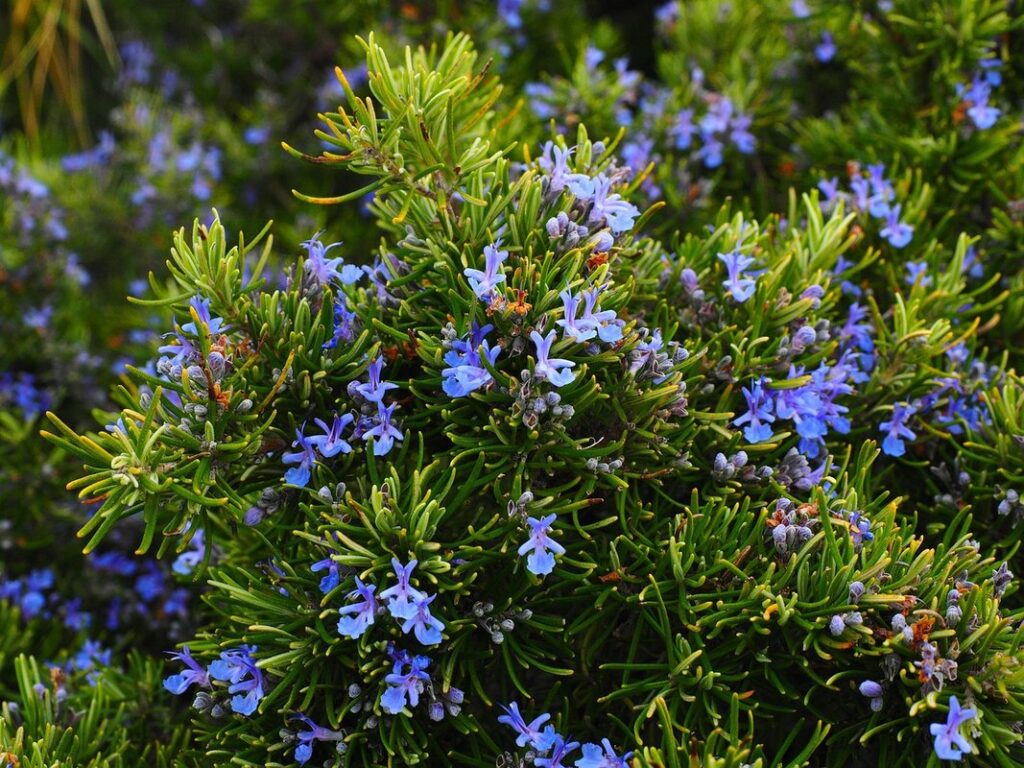
Understanding Rosemary’s Growing Season
Knowing when to plant rosemary is crucial, and understanding its growing season will help you provide optimal conditions for your herb to thrive throughout the year. Let’s dive into the specifics of rosemary’s growth cycle.
Determining Hardiness Zones and Climate Factors
Before you can determine when to plant rosemary, it’s essential to understand your hardiness zone and climate factors that affect its growth. Your hardiness zone is a crucial factor in deciding the ideal planting time for rosemary. In the United States, the USDA Hardiness Zone Map categorizes regions based on their average annual extreme minimum temperature. Knowing your hardiness zone will help you choose between growing rosemary as an annual or perennial.
In warmer climates (Zone 8-10), rosemary is typically grown year-round and can be planted at any time. However, in cooler zones (4-7), it’s best to plant rosemary in the spring or fall, when temperatures are milder. If you live in a region with mild winters (like California or the Mediterranean coast), rosemary can tolerate some frost but will still benefit from protection during harsh winter months.
To determine your hardiness zone and climate factors, visit the USDA website for a comprehensive map and guide. Consider the average temperature, sunlight hours, and rainfall patterns in your area to make informed decisions about when to plant rosemary.
Recognizing Spring and Fall Planting Opportunities
If you’re looking for optimal growing conditions for your rosemary plant, consider taking advantage of spring and fall planting opportunities. These seasons offer a window of favorable temperatures that allow the herb to thrive without exposure to extreme weather.
In the spring, after the last frost has passed, the soil temperature begins to rise, and the air is filled with moisture. This environment encourages healthy growth and promotes robust root development. Planting at this time allows rosemary to establish itself before the heat of summer sets in, reducing stress on the plant.
Similarly, fall planting, before the first frost, offers a reprieve from intense sunlight and heat. Cooler temperatures slow down growth, making it easier for the plant to adjust to its new surroundings. This season’s gentle conditions also reduce the risk of pests and diseases that often thrive in warmer weather. By taking advantage of these seasons, you can give your rosemary plant the best chance at a thriving and productive growing season.
Choosing the Right Time to Plant Rosemary Indoors vs. Outdoors
When deciding when to plant rosemary, one crucial factor is determining whether it’s better to start it indoors or directly outdoors – a decision that depends on several key considerations. Let’s dive into the details of choosing the right time for each approach.
Factors Influencing Indoor Planting Success
Growing rosemary indoors requires careful consideration of several key factors to ensure success. One of the most critical elements is temperature. Rosemary prefers a cooler temperature, typically between 60°F and 70°F (15°C to 21°C), which can be challenging to maintain indoors. Ideally, you should keep your indoor rosemary plant in a spot with temperatures within this range, avoiding areas near heating vents or radiators.
Light exposure is another crucial factor to consider when growing rosemary indoors. Rosemary needs bright light to thrive, but direct sunlight can be too intense and may cause the leaves to become scorched. East- or west-facing windows are ideal for indoor rosemary plants, providing gentle, indirect light.
Humidity is also essential for healthy growth. Indoor spaces tend to be dry, especially during winter months when the air is heated. To compensate, you can place the pot on a tray filled with water and pebbles or use a humidifier nearby.
Common mistakes people make when trying to grow rosemary indoors include overwatering, which can lead to root rot, and under-watering, causing the plant to become stressed. Monitor your plant’s moisture levels carefully and adjust your watering schedule accordingly.
Preparing Soil and Containers for Outdoor Planting
Before planting rosemary outdoors, it’s essential to prepare the soil and containers for optimal growth. When selecting a potting mix, choose one that is well-draining and specifically designed for Mediterranean herbs like rosemary. A mix high in organic matter will help retain moisture while preventing waterlogged soil.
For container size, opt for at least 6-8 inches deep to accommodate the herb’s extensive root system. This will also provide enough room for air circulation and prevent the risk of overwatering. Make sure the container has drainage holes in the bottom to ensure excess water can escape and prevent root rot.
When using containers, consider adding a layer of perlite or grit to improve drainage further. You can also repurpose old containers by ensuring they have adequate drainage holes drilled into them. Always place the rosemary plant in the container with the soil level at the same depth as it was previously grown. This will prevent transplant shock and encourage healthy growth once planted outdoors.
How to Plant Rosemary at Different Stages of its Life Cycle
When planting rosemary, it’s essential to consider the herb’s life cycle and adjust your approach accordingly. This section will walk you through the best practices for planting at different stages.
Propagating Rosemary from Cuttings or Seeds
Propagating rosemary through cuttings and seeds is an exciting way to multiply this fragrant herb. To successfully propagate rosemary, you’ll need to follow a few simple steps for each method.
To propagate rosemary from cuttings, start by selecting healthy stems with plenty of leaves. Cut 3-4 inch long sections from the tip of the stem, making sure each cutting has at least two sets of leaves. Remove lower leaves and trim the bottom of the cutting to encourage root growth. Dip the trimmed end in rooting hormone powder or liquid to enhance root development. Plant the cuttings in well-draining soil, water thoroughly, and keep the soil consistently moist until roots develop.
Alternatively, you can propagate rosemary from seeds. Sow seeds indoors 6-8 weeks before the last frost date in your area. Keep the soil warm (around 70°F) and moist until germination occurs. Transplant seedlings outdoors when they have two sets of leaves, spacing them about 12 inches apart.
When propagating rosemary through cuttings or seeds, be patient as it may take several weeks for roots to develop. However, with proper care and attention, you’ll soon have a new batch of thriving rosemary plants to enjoy.
Transplanting and Repotting Established Plants
Transplanting and repotting established rosemary plants can be a delicate process. When moving an older plant to a new container, you’ll want to handle the root ball with care. Gently tease out the roots using your fingers or a blunt instrument, working from one side of the root mass to the other. This helps loosen any tightly packed roots and encourages new growth.
When selecting a new container for your rosemary, choose one that’s only slightly larger than the original pot. Rosemary doesn’t like to be too wet and can suffer from root rot if its roots are submerged in water. A shallow pot with good drainage will keep the soil dry enough to prevent this issue.
Adjusting your watering schedule is also crucial when repotting rosemary. Established plants may require less moisture, as they’ve developed a more extensive root system. Check the soil daily, and only water when it feels dry to the touch. This allows you to strike a balance between providing adequate hydration and preventing overwatering.
Considerations for Specific Rosemary Varieties
When choosing a rosemary variety, consider its unique characteristics and growing requirements to ensure you’re planting at the right time. This is especially true for varieties like ‘Arp’ and ‘Miss Jessopp’s Upright’.
Dwarf vs. Full-Grown Rosemary: Planting Differences
When choosing between dwarf and full-grown rosemary varieties, one of the primary considerations is planting requirements. Dwarf rosemary plants are naturally compact and require less space to grow, making them ideal for containers or small gardens. They typically thrive in well-draining soil with a slightly acidic pH, and can tolerate some frost but prefer temperatures above 40°F (4°C).
Full-grown rosemary varieties, on the other hand, can grow quite tall – up to 6 feet – and require more space to spread out their stems. They prefer full sun and well-draining soil with a slightly alkaline pH, and are generally more sensitive to frost than dwarf varieties.
When planting either type of rosemary, make sure to choose a location that receives at least six hours of direct sunlight per day. Keep in mind that both types of rosemary can be grown indoors in containers if you live in an area with limited outdoor space or during the winter months when temperatures drop below 40°F (4°C).
Growing Heirloom or Rare Rosemary Varieties
Growing heirloom or rare rosemary varieties can be a rewarding experience for gardeners who value unique characteristics and flavors. However, these special plants require extra attention to maintain their distinct traits. To ensure the success of your heirloom or rare rosemary variety, it’s essential to replicate the conditions under which they were originally grown.
For example, if you’re growing a vintage Italian rosemary, you’ll want to provide full sun and well-drained soil with a slightly alkaline pH. This will help preserve the plant’s traditional flavor profile and aroma. Another consideration is propagation – heirloom or rare varieties may not respond well to modern grafting techniques.
To propagate these special plants successfully, try cuttings from mature stems in spring or fall when the weather is cooler. Remove lower leaves, dip the cutting in rooting hormone, and plant it in a sterile potting mix. Keep the soil consistently moist but not waterlogged until roots develop. By providing the right conditions and careful propagation techniques, you’ll be able to enjoy these unique rosemary varieties for years to come.
It’s also crucial to share your knowledge with fellow gardeners by preserving seeds or cuttings from mature plants. This will help safeguard the genetic integrity of these special varieties and ensure their continued existence.
Troubleshooting Common Issues in Newly Planted Rosemary
If you’ve recently planted rosemary and are facing issues, this section will help you identify common problems and provide solutions to get your herb thriving again. Let’s tackle those pesky problems together!
Dealing with Pests, Diseases, and Nutrient Deficiencies
As you care for your newly planted rosemary, it’s essential to be aware of common issues that can arise, such as pest infestations, diseases, and nutrient deficiencies. These problems can significantly impact the health and productivity of your rosemary plants.
Pests like aphids, whiteflies, and spider mites can attack rosemary, causing curled or distorted leaves. To recognize these pests, check for sticky honeydew droplets on the leaves or a fine webbing between stems. If you notice any of these signs, treat the affected area with insecticidal soap or neem oil. To prevent infestations, keep your garden clean, remove weeds that can harbor pests, and introduce beneficial insects like ladybugs.
Diseases like powdery mildew and root rot can also affect rosemary. These issues often result from overwatering or poor air circulation. Inspect your plants regularly for yellowing leaves or soft, mushy stems. If you suspect a disease, remove affected areas, improve drainage, and ensure good air circulation around the plant.
Nutrient deficiencies can cause stunted growth or yellowing leaves in rosemary. Regularly inspect your soil pH and nutrient levels to prevent this issue. Add balanced fertilizer according to the product’s instructions to promote healthy growth and prevent nutrient deficiencies.
Correcting Common Planting Errors
When planting rosemary, it’s easy to fall into common mistakes that can hinder its growth. One of the most critical errors is inadequate spacing between plants. Rosemary needs sufficient room to spread out and receive good air circulation, which helps prevent diseases like root rot and powdery mildew. To correct this error, plant individual rosemary bushes at least 18-24 inches apart, depending on their mature size.
Another common mistake is poor soil quality. Rosemary prefers well-draining soil with a slightly alkaline pH (around 6.0-7.0). If your garden soil lacks these characteristics, consider repotting the rosemary in a container filled with a mix specifically designed for herbs. This will give the plant a chance to thrive without struggling against adverse conditions.
Regularly inspecting and adjusting the planting site can also make a significant difference. Check the area where you planted the rosemary for any obstructions or competing plants that might be vying for resources. Remove any weeds or debris, and add organic matter like compost or well-rotted manure to enrich the soil.
Conclusion: Tips for Successful Rosemary Planting
When you’ve finally found the perfect spot to plant your rosemary, it’s time to put all that knowledge into action. First and foremost, make sure your soil is well-draining, as rosemary hates wet feet. Test the pH level of your soil and adjust it if necessary – ideally, it should be between 6.0 and 7.0 for optimal growth.
Don’t forget to water your rosemary regularly, especially during its first year of growth. A good rule of thumb is to provide about an inch of water per week through a combination of rainfall and irrigation. With proper care and attention, you can enjoy fragrant, delicious rosemary all season long. Just remember, less is often more when it comes to fertilizing – a balanced, slow-release fertilizer should do the trick. By following these simple tips, you’ll be well on your way to growing healthy, happy rosemary plants in no time!
Frequently Asked Questions
What if I’m unsure about my hardiness zone?
If you’re unsure about your hardiness zone, you can visit the USDA’s website or consult with a local nursery to determine your zone. This will help you decide when to plant rosemary outdoors, as different zones have varying planting times.
Can I still grow rosemary in areas with poor soil quality?
Yes, but it may require more maintenance and care. Improve soil drainage by adding organic matter like compost or perlite, which can also enhance nutrient availability for your rosemary plants. Regularly fertilize to ensure optimal growth.
How often should I water my newly planted rosemary?
Water your newly planted rosemary regularly during its first few weeks after planting. Keep the soil consistently moist but not waterlogged, as this may lead to root rot. Reduce watering once it’s established and has developed a robust root system.
What’s the best way to propagate rosemary from cuttings indoors?
To propagate rosemary from cuttings indoors, use healthy stems with at least two nodes, trim them into 2-3 inch sections, and plant them in moistened potting mix. Keep the soil consistently moist but not waterlogged until roots develop, usually within 1-2 weeks.
Can I grow rosemary year-round using indoor conditions?
Yes, you can grow rosemary indoors year-round by providing sufficient light (at least 4 hours of direct sunlight or 12-14 hours with LED lighting), maintaining a consistent temperature between 65°F to 75°F, and ensuring proper ventilation. This will help your plant thrive throughout the year.