
When it comes to growing your own corn, the options can be overwhelming. Two popular varieties are popcorn and yellow corn, but what sets them apart? If you’re new to planting corn or looking to diversify your garden, understanding the differences between these two types is crucial for a successful harvest.
In this comprehensive guide, we’ll walk you through the key considerations for selecting popcorn and yellow corn varieties, including growth habits, climate requirements, and soil preferences. We’ll also cover the unique harvesting needs of each type, from timing to techniques, as well as storage tips to keep your crop fresh for longer. Whether you’re a seasoned gardener or just starting out, our expert advice will help you make informed decisions and grow healthy, productive corn plants.
Understanding the Basics
To get started, let’s break down the fundamental differences between planting popcorn and yellow corn, including their unique characteristics and requirements. This will give you a solid foundation to build on as you learn more about each type of corn.
What is the Difference Between Popcorn and Yellow Corn?
When it comes to planting popcorn versus yellow corn, understanding the fundamental differences between these two types of corn is crucial. At their core, popcorn and yellow corn are both varieties of Zea mays, a type of corn that belongs to the grass family. However, they differ in their origins, characteristics, and uses.
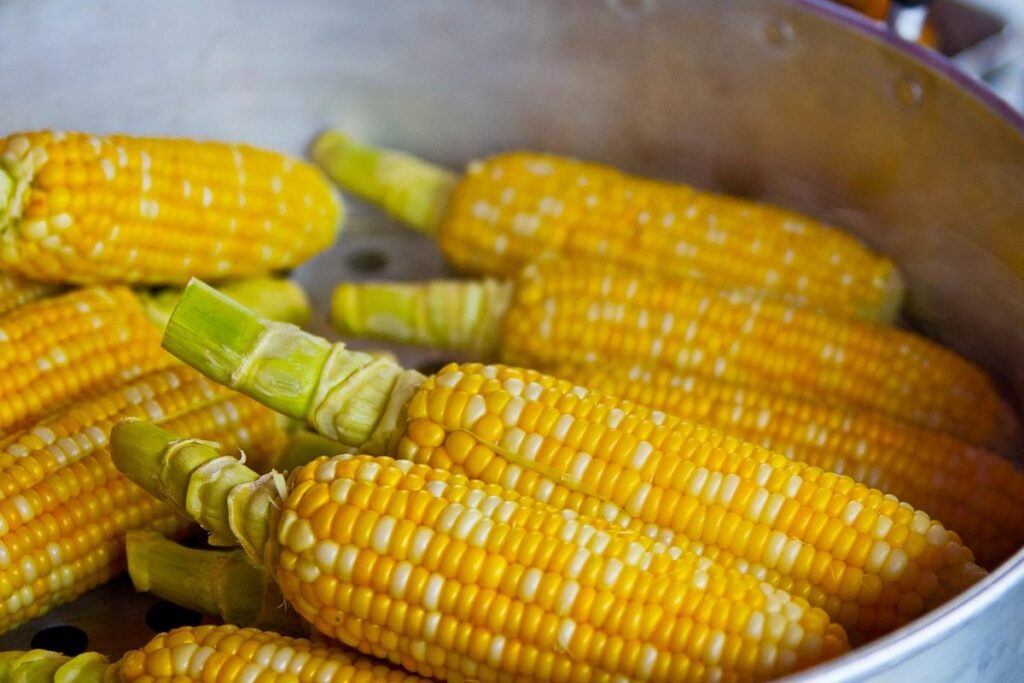
Popcorn, as its name suggests, is specifically bred for its ability to “pop” when heated. This unique trait is due to the hard outer shell and soft inner starch that, when exposed to heat, explodes into the fluffy white snack we all know and love. In contrast, yellow corn is a more general term for other types of corn, including sweet corn and dent corn.
In terms of characteristics, popcorn typically has a harder kernel than yellow corn, which makes it ideal for popping. Yellow corn, on the other hand, has a softer kernel and is often used for human consumption in its fresh or canned form. Understanding these differences will help you determine which type of corn to plant in your garden, depending on your desired use and the specific growing conditions you have available.
Types of Corn for Planting
When it comes to planting corn, you’ll find numerous varieties to choose from. As we dive into the world of popcorn and yellow corn, it’s essential to understand the different types suitable for planting. One popular option is heirloom varieties, which have been saved and handed down through generations. These seeds often produce unique characteristics, such as distinctive flavors or textures.
Another type is hybrid seeds, bred specifically for high yields and disease resistance. Hybrid corn tends to be more expensive than other options but can provide a higher return on investment. Open-pollinated seeds, on the other hand, allow you to save your own seeds from year to year, making them a cost-effective choice. Some popular open-pollinated varieties include ‘Silver Queen’ and ‘Golden Bantam’. When selecting a type of corn, consider factors such as climate, soil quality, and your desired level of maintenance. Researching the specific needs of each variety will help you make an informed decision. By choosing the right type of corn for your region and growing conditions, you’ll be well on your way to a successful harvest.
Choosing the Right Variety
When planting popcorn vs yellow corn, one of the most crucial decisions is selecting a variety that suits your climate, space, and desired harvest. This can be overwhelming, but we’re here to help guide you through the process.
Factors to Consider When Selecting a Popcorn or Yellow Corn Variety
When selecting a popcorn or yellow corn variety, there are several key factors to consider. First and foremost, think about the climate you’re planting in. Some varieties are bred for warmer climates with shorter growing seasons, while others thrive in cooler temperatures with longer summers. For example, the ‘Japanese Hulless’ variety is well-suited for hot and humid climates, whereas the ‘Stowell’s Evergreen’ variety prefers milder temperatures.
Soil type is another crucial consideration. Different varieties perform better on different soil types, from sandy loams to clay soils. If you’re planting in a region with poor drainage or heavy clay soils, look for varieties like ‘Golden Bantam’ that are more tolerant of these conditions.
Finally, think about your intended use – will the corn be grown for popcorn or yellow corn? Some varieties, like ‘Stowell’s Evergreen’, are specifically bred for their high sugar content and would be better suited for fresh eating or processing into yellow corn products.
Evaluating Seed Quality and Characteristics
When choosing between planting popcorn and yellow corn, evaluating seed quality is crucial to ensure optimal plant performance. The quality of your seeds can significantly impact germination rates, growth, and ultimately, yield.
Look for seeds with high germination rates, typically 80% or higher, as this ensures a strong start for your crop. Also, check the seed’s purity level, which should be at least 95%. This guarantees that you’re not planting weeds or impurities that can harm your crop.
In addition to these factors, consider the moisture content of your seeds. Seeds with optimal moisture levels will have better germination rates and faster growth. You can check the moisture content by gently crushing a few seeds between your fingers; they should break easily but not crumble.
When purchasing popcorn or yellow corn seeds, also ensure that they are specifically bred for your region’s climate and soil type. This ensures that your crop is adapted to local growing conditions, leading to better yields and disease resistance. By choosing high-quality seeds with the right characteristics, you’ll set yourself up for success in planting either popcorn or yellow corn.
Planting and Care Instructions
Now that you’ve chosen between planting popcorn and yellow corn, let’s dive into the specific instructions for getting them off to a healthy start. This includes how to plant seeds, provide adequate sunlight, and water them properly.
Preparing the Soil for Popcorn or Yellow Corn
Before planting your popcorn or yellow corn, it’s crucial to prepare the soil to give your crop the best chance of thriving. One essential step is testing the pH levels of your soil. Popcorn and yellow corn prefer a slightly acidic to neutral soil pH, ranging from 6.0 to 7.0. You can purchase a soil testing kit or send a sample to your local extension office for analysis.
Once you know your soil’s pH level, adjust it if necessary by adding lime to raise the pH or sulfur to lower it. Next, add organic matter like compost or well-rotted manure to improve soil structure and fertility. A 2-inch layer of compost applied to the top 6 inches of soil is a good starting point.
Fertilization is also vital for healthy growth. Popcorn and yellow corn require a balanced fertilizer with nitrogen, phosphorus, and potassium (NPK) at a ratio of 10-10-10 or 20-20-20. Apply the recommended amount according to your soil test results and follow the product’s instructions. Finally, inspect your soil for pests like nematodes, white grubs, or root aphids that can harm your crop.
Plant Spacing, Watering, and Other Key Considerations
When planting popcorn versus yellow corn, it’s essential to consider optimal plant spacing and watering schedules to ensure successful growth. Popcorn and yellow corn have similar spacing requirements, but their specific needs can vary depending on the variety.
For both types of corn, a general rule of thumb is to plant seeds 6-8 inches apart in rows that are 3 feet apart. This allows for good air circulation, which is crucial for preventing disease. However, some popcorn varieties may require more space due to their larger kernels and stronger stalks.
Watering schedules also play a critical role in corn growth. Corn needs about 20-25 gallons of water per week, either from rainfall or irrigation. Make sure the soil is consistently moist during the first few weeks after planting, then gradually reduce watering as the plants mature. Overwatering can lead to weak stalks and reduced yields, while underwatering may cause kernel production to suffer.
By paying attention to plant spacing and watering schedules, you’ll be well on your way to a successful harvest of either popcorn or yellow corn.
Growing Conditions and Climate Requirements
To successfully grow either popcorn or yellow corn, you’ll need to understand their unique growing conditions and climate requirements, which we’ll explore in more detail below.
Understanding Temperature and Moisture Needs for Popcorn and Yellow Corn
When it comes to growing popcorn and yellow corn, understanding their specific temperature and moisture needs is crucial for a bountiful harvest. Popcorn requires a slightly cooler temperature range than yellow corn, with ideal temperatures ranging from 65°F to 85°F (18°C to 30°C) during the day and around 55°F (13°C) at night.
In contrast, yellow corn thrives in warmer conditions, tolerating temperatures up to 90°F (32°C) but may experience stunted growth above 95°F (35°C). Both types of corn need consistent moisture levels, especially during pollination. Aim for about 20-25 inches of rainfall or supplemental irrigation throughout the growing season.
Keep in mind that popcorn is more sensitive to drought than yellow corn, so it’s essential to monitor soil moisture closely. If you’re planting in an area with low humidity, make sure to provide adequate shading and mulching to prevent excessive moisture loss.
In general, both types of corn require well-draining soil to avoid waterlogged conditions that can lead to root rot and other problems. By understanding these specific needs, you’ll be better equipped to create the optimal growing environment for your popcorn or yellow corn crop.
Managing Weather-Related Challenges
When planting popcorn and yellow corn, it’s essential to be prepared for extreme weather conditions that can impact their growth. Droughts, floods, and heatwaves are common weather-related challenges that can significantly affect crop yields. To manage these situations effectively, here are some strategies you can implement:
To mitigate the effects of droughts, ensure that your soil has adequate moisture levels before planting. Use mulch to retain soil moisture and reduce evaporation. Drip irrigation systems also help conserve water while delivering it directly to the roots of the plants.
Flooding requires immediate attention as it can cause root rot and other issues. If possible, divert excess water away from the affected area. Planting on raised beds or using containers can also elevate your crops above floodwaters.
Heatwaves are particularly concerning for corn growth, especially during pollination stages when temperature fluctuations can reduce yields. Provide shade for your plants through trellises or row covers to protect them from intense sunlight and heat stress.
Harvesting and Storage Tips
Now that you’ve successfully grown your popcorn or yellow corn, it’s time to think about harvesting and storing it properly to enjoy its full flavor and nutritional benefits for months to come. Proper storage techniques can make a big difference in preserving freshness.
Identifying Maturity Stages and Timing Harvest
When it comes to harvesting popcorn and yellow corn, timing is everything. You’ll want to identify when each crop has reached maturity, as waiting too long can lead to reduced quality and yield. Start by checking for visual indicators such as kernel hardening, leaf drying, and the formation of a hard, dry ear.
For popcorn, you’re looking for a specific combination of these signs. The kernels should be plump but not soft, with a slight sheen to them. You’ll also notice that the leaves will turn a golden yellow color, signaling that it’s time to bring in the harvest.
To assess maturity more accurately, gently twist and pull on one of the ears. If it comes off easily, it’s likely ready to be harvested. If not, wait a few more days and try again. This technique is especially useful for popcorn varieties, as they can be sensitive to over-maturity.
Keep in mind that harvesting timing may vary depending on factors like climate, soil quality, and specific crop variety.
Proper Storage Methods to Preserve Freshness
When it’s time to store your freshly harvested corn, proper storage methods are crucial to preserve its freshness and quality. If you’ve opted for popcorn or yellow corn varieties, the storage techniques remain largely the same.
Firstly, drying is an essential step before storing corn. You can dry your corn by spreading it out in a single layer on a clean surface, making sure it’s not overlapping. A well-ventilated area with low humidity works best. For popcorn specifically, you’ll want to aim for a moisture level of 13% or lower to prevent mold and spoilage.
Once dried, you can store your corn kernels in airtight containers or bags, keeping them away from direct sunlight. Refrigeration is also an effective method for short-term storage – simply place the container in the fridge at 40°F (4°C) or below. It’s essential to keep the storage area clean and dry to prevent contamination.
When shelling your corn, handle it gently to avoid damaging the kernels. Store shelled corn in separate containers, labeling each batch with its moisture level to ensure accurate tracking.
By following these drying, storing, and refrigeration techniques, you can enjoy your freshly harvested popcorn or yellow corn for a longer period while maintaining its quality and freshness.
Frequently Asked Questions
Can I grow popcorn and yellow corn together in the same plot?
While it’s technically possible to plant both types of corn in the same area, it’s generally not recommended due to their different growing requirements. Popcorn requires a slightly longer maturation period and prefers warmer temperatures, which can outcompete yellow corn for resources like water and nutrients. For optimal results, consider dedicating separate plots to each type of corn.
How do I know if my soil is suitable for popcorn or yellow corn?
Before planting either type of corn, it’s essential to evaluate your soil conditions. Both popcorn and yellow corn prefer well-drained, fertile soil with a pH between 6.0 and 7.0. Conduct a soil test to determine the nutrient levels and adjust accordingly. If your soil lacks necessary nutrients, consider amending it before planting.
What’s the ideal climate for growing popcorn versus yellow corn?
While both types of corn can thrive in a wide range of climates, popcorn generally prefers warmer temperatures (above 65°F) and more humidity. Yellow corn is more adaptable and can tolerate cooler temperatures (down to 50°F). Consider these temperature requirements when selecting a variety and planning your planting schedule.
Can I use leftover seeds from last year’s harvest for this season?
It’s essential to evaluate the quality of your stored seeds before reusing them. Even if they appear healthy, their viability may have decreased over time. To ensure optimal germination rates, it’s recommended to purchase fresh seeds each growing season or store them properly in a cool, dry place to preserve their potency.
What are some common pests and diseases that affect popcorn and yellow corn?
Both types of corn are susceptible to various pests and diseases. Common issues include corn borers, aphids, and root rot. Regularly inspect your plants for signs of infestation or disease, and implement integrated pest management strategies to minimize damage. This may involve using physical barriers, introducing beneficial insects, or applying targeted pesticides.