
Planting popcorn seeds is a fun and rewarding experience for gardeners of all levels. Not only do you get to grow your own delicious and crunchy snack, but you also get to harvest the kernels directly from your crop. However, successfully planting popcorn seeds requires some knowledge and planning. With so many varieties available, choosing the right one can be overwhelming. In this article, we’ll take a closer look at how to plant popcorn seeds effectively, covering topics such as storage, sowing techniques, and common challenges you may face along the way. We’ll also share expert tips on how to grow your own perfect popcorn crop from seed to harvest, ensuring you get the best results possible.
Introduction to Planting Popcorn Seeds
If you’re wondering whether you can plant popcorn seeds, let’s start by understanding the basics of planting these kernels successfully. We’ll walk through the simple steps to get started.
Understanding Popcorn as a Crop
Popcorn is often considered a snack food, but it’s actually a specific type of corn that can be grown and harvested as a crop. Unlike other types of corn, popcorn has unique characteristics that make it ideal for popping into the fluffy, crunchy snack we know and love.
One key difference between popcorn and regular corn is its hard outer shell, which helps to contain the moisture inside the kernel. This characteristic allows popcorn kernels to explode into their signature shape when heated, while other types of corn will simply soften or steam instead. Popcorn also has a higher starch content than other types of corn, which contributes to its distinctive texture and flavor.
Interestingly, popcorn is not just a snack food – it’s also a versatile crop that can be grown for both commercial and personal use. Whether you’re a seasoned farmer or a backyard gardener, understanding the unique characteristics of popcorn as a crop can help you determine whether planting popcorn seeds is right for you.
Importance of Choosing the Right Variety
When it comes to planting popcorn seeds, choosing the right variety is crucial for a successful harvest. This might seem obvious, but many gardeners overlook this critical step, resulting in disappointing yields or poor quality kernels.
Let’s consider some key factors that impact the choice of popcorn seed variety: maturity days, growth habits, and disease resistance. For example, some varieties take as few as 60 days to mature, while others require up to 90 days. This means you’ll need to match your growing season and climate with the variety’s needs.
Some popular popcorn varieties include ‘Japanese Hulless’, ‘Stowell’s Evergreen’, and ‘Mighty White’. These have unique growth habits – some are compact, while others can grow quite tall – so it’s essential to consider the space you have available in your garden. Additionally, some varieties are bred for specific disease resistance, such as powdery mildew or leaf blight.
By selecting a variety that suits your climate and growing conditions, you’ll be well on your way to growing delicious and nutritious popcorn at home.
Preparing Popcorn Seeds for Planting
Before planting popcorn seeds, it’s essential to properly prepare them by selecting high-quality kernels and treating them with care. This step sets the stage for successful germination and growth.
Storing and Handling Popcorn Seeds
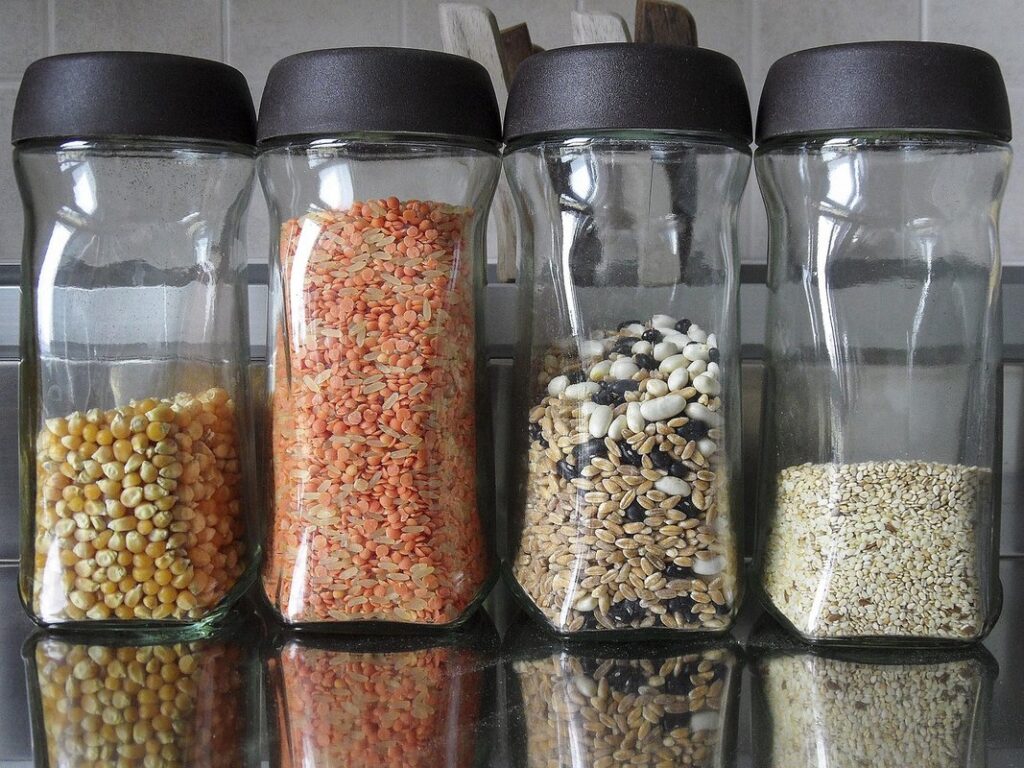
To ensure optimal germination rates, it’s crucial to store and handle popcorn seeds with care. First, consider the moisture content of the seeds. Popcorn seeds are sensitive to moisture and can easily become moldy if exposed to too much water. Store them in an airtight container, such as a glass jar or a plastic bag, and keep them away from humid areas.
Next, think about temperature. Popcorn seeds prefer cooler temperatures, between 40°F to 50°F (4°C to 10°C). Avoid storing them near direct sunlight or in hot areas, like a kitchen counter. A dark, cool place like a pantry or cupboard is ideal.
When handling popcorn seeds, it’s essential to handle them gently to avoid damaging the delicate embryo inside. Wash your hands before touching the seeds to prevent transferring oils from your skin that can inhibit germination. For longer-term storage, consider storing the seeds in the refrigerator at 40°F (4°C) or below. This will help prolong their viability and ensure optimal germination rates when you’re ready to plant them.
Sowing Techniques for Optimal Germination
When it comes to sowing popcorn seeds for optimal germination, choosing the right technique is crucial. Direct sowing involves placing the seeds directly into the ground, while transplanting requires starting them indoors and then transferring them outside when they’re big enough. Another option is using seed starting mix, which provides a nutrient-rich environment for young seedlings.
For direct sowing, ensure the soil is at least 6 inches deep to accommodate the corn’s taproot. Plant seeds about 1 inch deep and 6-8 inches apart in rows spaced 3 feet apart. Keep the soil consistently moist but not waterlogged, as this can lead to fungal diseases.
Transplanting requires more effort but offers better control over conditions. Start seedlings indoors 2-3 weeks before the last frost date using a good quality potting mix. Harden off the seedlings by gradually exposing them to outdoor conditions over 7-10 days before transplanting into a garden bed with full sun and well-draining soil.
Using seed starting mix can simplify things, but it’s essential to follow the specific instructions on the packet for optimal results. By choosing the right sowing technique for your climate and resources, you’ll increase the chances of successful germination and a bountiful harvest.
Can Popcorn Seeds Be Directly Planted?
When it comes to planting popcorn seeds, one of the most common questions is whether you can directly sow them into your garden bed. Let’s explore this option together.
Pros and Cons of Direct Planting
When considering direct planting of popcorn seeds, it’s essential to weigh the pros and cons. On the one hand, direct planting can be a convenient option for gardeners who want to get their crops growing quickly. It eliminates the need for seed starting indoors or in a greenhouse, which can save time and resources.
However, there are some significant drawbacks to consider. For example, soil quality plays a crucial role in the success of popcorn seeds. If your garden bed lacks adequate nutrients or has poor drainage, it may not be suitable for direct planting. Climate conditions also come into play – extreme temperatures, droughts, or excessive rainfall can all impact the growth and yield of your popcorn crop.
Additionally, directly planted popcorn seeds are more susceptible to pests and diseases that can quickly spread through a garden bed. This is especially true if you’re planting in an area with existing infestations or poor soil health. To mitigate these risks, make sure to choose disease-resistant varieties and practice good garden hygiene by removing weeds and debris regularly.
Preparing the Soil for Direct Sowing
Preparing the soil for direct sowing of popcorn seeds is crucial to ensure healthy germination and growth. Before you start planting, make sure to till the soil to loosen it up and remove any debris or clumps. This will allow water and air to penetrate the soil more easily.
Next, test your soil pH level using a DIY kit or send a sample to a lab for analysis. Popcorn seeds prefer slightly acidic to neutral soil with a pH between 6.0 and 7.0. If your soil is too alkaline, add some elemental sulfur to lower it down. Apply a balanced fertilizer (10-10-10 NPK) according to the package instructions to provide essential nutrients for growth.
Lastly, ensure adequate drainage in your garden bed by incorporating organic matter like compost or well-rotted manure. This will prevent waterlogged soil and root rot, which can be detrimental to popcorn seedlings. Use a rake or spade to gently mix in these amendments, then water the soil thoroughly before planting your seeds.
By following these steps, you’ll create an ideal environment for direct sowing of popcorn seeds, setting them up for success from the very beginning.
Transplanting Popcorn Seedlings
When it’s time to give your seedlings more space, transplanting is a crucial step – learn how to transfer your popcorn seedlings safely and successfully. This guide covers the process in detail.
Starting Seeds Indoors vs. Outdoors
When it comes to transplanting popcorn seedlings, one of the most crucial decisions you’ll make is where to start them: indoors or outdoors. While both methods have their advantages and disadvantages, understanding the benefits and drawbacks will help you decide what’s best for your specific situation.
Starting seeds indoors provides optimal climate control, allowing you to regulate temperature, humidity, and light exposure with precision. This is especially beneficial in regions with harsh winters or unpredictable weather patterns. Indoor conditions also enable faster germination rates and more robust seedlings, which can be transferred outdoors when the danger of frost has passed.
However, indoor space constraints may limit the number of seeds you can start at once. Moreover, direct exposure to indoor light sources can sometimes hinder seedling growth due to intense radiation. On the other hand, sowing directly in the outdoors eliminates these limitations but exposes seedlings to the whims of Mother Nature – including potential pests and diseases.
To make an informed decision, consider your specific climate zone and available growing space. Assess whether you have a dedicated indoor area for seed starting or if you can dedicate a section of your yard for direct sowing.
Tips for Successful Transplanting
When transplanting popcorn seedlings into the garden bed, it’s essential to handle them with care to minimize shock and ensure a smooth transition. Start by gently loosening the soil around the roots using a fork, taking care not to damage the delicate root system.
To reduce root disturbance, consider waiting until the seedling has at least two sets of true leaves before transplanting. This will give its root system time to develop and make it more resilient to being moved. Make sure to handle the seedlings by their leaves or stems rather than touching the roots, as this can cause damage.
After transplanting, provide your popcorn seedlings with a gradual transition to outdoor conditions by placing them in a shaded area for 1-2 weeks before moving them into direct sunlight. Water thoroughly and keep the soil consistently moist during this time to help establish the young plant’s root system. With proper care and handling, your transplanted popcorn seedlings should adapt quickly to their new environment, thriving in their outdoor location.
Growing Popcorn from Seed: Common Challenges
While growing popcorn from seed can be a rewarding experience, there are several common challenges you may encounter along the way. We’ll explore these obstacles and how to overcome them in this section.
Identifying and Addressing Potential Issues
When growing popcorn from seed, you’ll inevitably face some common challenges that can hinder your success. One of the most significant issues is pests, such as aphids, spider mites, and corn borers. These tiny creatures feed on the sap of the plant, causing damage to the leaves and ears. To address this problem, use organic pest control methods like introducing beneficial insects or spraying neem oil.
Diseases are another major concern when growing popcorn from seed. Fungal diseases like powdery mildew and leaf blight can weaken the plant, reducing yields. Make sure to provide good air circulation around your plants and water them carefully to prevent moisture buildup. Regularly inspect your plants for signs of disease and use fungicides as a last resort.
Weather conditions can also impact your popcorn crop. Extreme temperatures, droughts, or excessive rainfall can cause stress to the plant. Provide your seeds with proper support and ensure they receive at least 6 hours of direct sunlight per day. Keep the soil consistently moist but not waterlogged, and consider using row covers for protection from harsh weather.
Finally, nutrient deficiencies can stunt the growth of your popcorn plants. Use a balanced fertilizer to provide essential nutrients like nitrogen, phosphorus, and potassium. Test your soil pH regularly and adjust accordingly to ensure optimal nutrient uptake.
Solutions for Overcoming Difficulties
When growing popcorn from seed, it’s not uncommon to encounter difficulties that can hinder your progress. Dealing with pests is one such challenge many growers face. One solution is to adopt organic pest control methods, which are not only environmentally friendly but also effective in managing infestations. Neem oil and diatomaceous earth are two examples of natural pesticides you can use to keep pests at bay.
Integrated pest management (IPM) strategies can also be employed to minimize damage caused by pests. This involves monitoring your crop regularly for signs of infestation, using physical barriers to prevent pests from reaching your plants, and implementing cultural controls such as removing weeds that may harbor pests. Crop rotation is another technique you can use to reduce the risk of pest outbreaks.
To implement these strategies effectively, it’s essential to keep a close eye on your popcorn crop throughout its growth cycle. Regularly inspecting your plants for signs of stress or damage will enable you to take prompt action when needed. By combining these techniques with good gardening practices, you can minimize difficulties and enjoy a successful harvest.
Harvesting Popcorn
Now that you’ve successfully grown your popcorn plant, it’s time to reap the rewards and learn how to harvest those delicious kernels from your homegrown crop. Let’s dive into the process of harvesting popcorn.
Monitoring for Maturity
As you’ve nurtured your popcorn plant from seed to maturity, it’s time to determine if it’s ready for harvest. Monitoring for maturity is crucial to avoid premature harvesting and ensure a bountiful yield. Start by checking the kernel hardening process. Healthy kernels should be firm to the touch and have a slightly hardened outer layer. If you gently squeeze one between your fingers, it should feel slightly indented but not soft.
Another indication of maturity is ear drying. As the ears mature, they’ll begin to dry out and turn a light golden color. You can also check for moisture by gently tugging on an ear; if it comes off easily, the popcorn is likely ready. To confirm, perform a “shake test”: gently shake an ear over a container or tray. Mature kernels will make a rustling sound as they fall from the cob, while immature ones will remain attached.
By regularly monitoring your popcorn plant for these signs of maturity, you’ll be able to harvest at the optimal time and enjoy a satisfying yield of homegrown popcorn.
Threshing and Drying Techniques
Now that you’ve successfully harvested your popcorn, it’s time to remove the kernels from the stalks and dry them to perfection. Threshing is a crucial step in processing freshly harvested popcorn, and there are several methods to choose from.
Hand-pulling is a simple yet effective method for small-scale popcorn production. This involves manually removing the ears of corn from the stalks and then pulling off the kernels by hand. While labor-intensive, this technique allows you to be selective about which kernels you keep and discard.
Another option is flailing, where you use a flail or bat to loosen the kernels from the cob. This method is faster than hand-pulling but can be more tiring if done over an extended period. For larger quantities, consider using specialized equipment like a thresher or combine harvester. These machines can efficiently separate kernels from stalks and other debris.
When it comes to drying, ensure your popcorn is completely dry to prevent mold growth. You can air-dry it by spreading the ears in a single layer on a screen or sheet of paper, or use a food dehydrator for faster results. Properly dried popcorn will have a moisture level below 14%.
Frequently Asked Questions
Can I use leftover popcorn seeds from last year’s harvest for this season?
Yes, you can use leftover popcorn seeds from last year’s harvest, but it’s essential to check their viability before planting. Perform a simple germination test by soaking the seeds in water and observing their ability to sprout. If most seeds don’t germinate, consider purchasing fresh seeds to ensure optimal growth.
How do I store popcorn kernels long-term for future plantings?
To store popcorn kernels long-term, keep them in an airtight container in a cool, dry place with low humidity. This will help preserve their viability and prevent moisture from seeping into the kernels. Check on the seeds periodically to ensure they remain dry and fresh.
What’s the best way to handle direct planting vs. starting indoors for optimal growth?
The choice between direct planting and starting indoors depends on your specific climate, soil conditions, and personal preference. If you have a short growing season or poor soil quality, consider starting popcorn seeds indoors 4-6 weeks before transplanting them outdoors.
Can I mix different varieties of popcorn kernels together when planting?
It’s generally not recommended to mix different varieties of popcorn kernels together when planting, as this can lead to inconsistent growth patterns and reduced yields. Instead, choose a single variety that suits your climate, soil type, and desired kernel characteristics.
What are some common mistakes beginners make when growing popcorn from seed?
Common mistakes include inadequate soil preparation, insufficient moisture levels, and delayed transplanting. To avoid these issues, ensure you prepare the soil properly, maintain consistent watering schedules, and carefully transplant seedlings to prevent shock and stress.