
Mum’s the word when it comes to one of the most beautiful fall flowers. As the temperatures begin to drop, mums start to bloom, adding a pop of color to our gardens and homes. But did you know that timing is everything when it comes to planting these gorgeous blooms? With a little planning and care, you can enjoy a successful mum season in your garden. In this article, we’ll take a closer look at the factors that influence blooming seasons, expert tips on how to plant mums for maximum bloom time, and some valuable advice on caring for your mum plants during their peak season. Whether you’re a seasoned gardener or just starting out, you won’t want to miss these insider secrets to making the most of this lovely flower’s short but sweet blooming period.
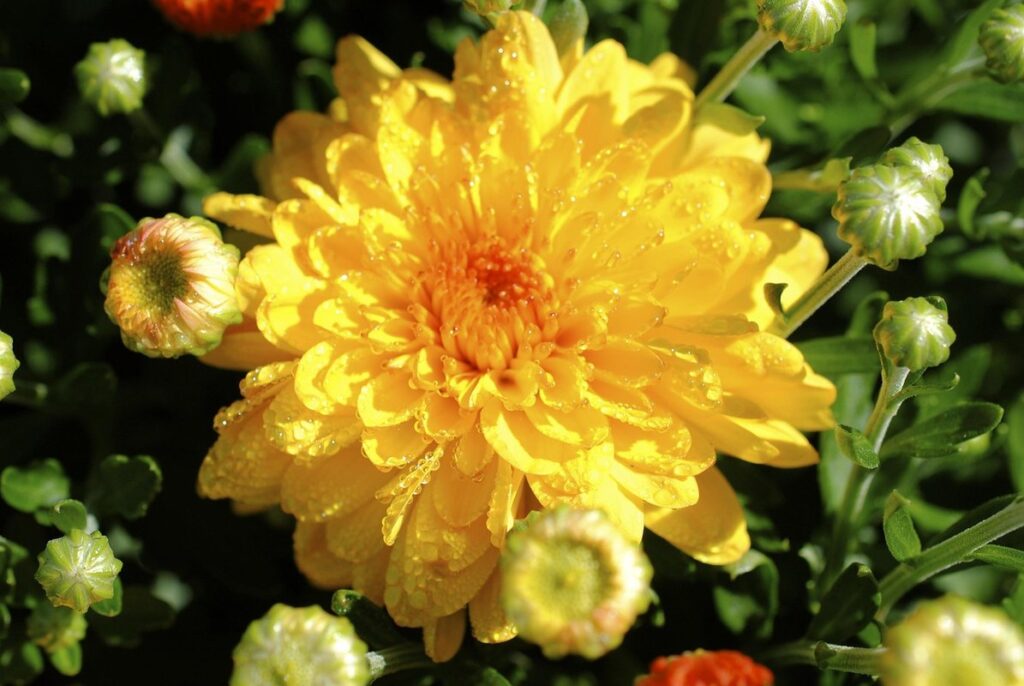
Understanding Mum Blooms and Seasons
When it comes to mums, understanding their blooming patterns is key to enjoying their beautiful flowers. Let’s break down how mum blooms relate to the changing seasons of a typical year.
What is Mum Bloom Season?
Mums are one of the most popular and versatile flowering plants, enjoyed by gardeners and homeowners alike. These beautiful blooms come in a wide range of colors, from classic whites and pinks to vibrant yellows, oranges, and purples. But when do mums typically bloom? The answer is that their blooming season varies depending on several factors.
In general, mum bloom season falls between late summer and early fall, usually around September or October in the Northern Hemisphere. However, this can differ significantly based on climate. In warmer regions with mild winters, mums may bloom as early as mid-summer or continue into winter. Conversely, in colder climates with harsh winters, they often bloom later, sometimes not until November or even December.
It’s essential to note that mum blooming season can also be influenced by factors such as weather conditions and specific plant varieties.
Factors Influencing Mum Bloom Timing
When it comes to understanding when mums will bloom, several factors come into play. One of the most significant influences is weather conditions, particularly temperature and precipitation. Mums typically thrive in temperatures between 60°F and 70°F (15°C and 21°C), but they can tolerate cooler temps down to around 40°F (4°C). However, if it gets too hot or cold, mum blooms will be affected.
Daylight hours also play a crucial role in determining bloom timing. Mums generally require at least 12-14 hours of daylight to produce an abundance of flowers. In areas with shorter days during the winter months, mums may not receive enough light to bloom well.
Another important factor is geographic location. The ideal climate for mums varies depending on where you live. For instance, in warmer regions like California or Florida, mums can be planted year-round and will continue to bloom throughout the seasons. In colder areas like New York or Chicago, mum planting times are typically more limited. Be sure to consider your local climate when deciding when to plant and expect blooms from your mums.
Planting Mums for a Successful Bloom
When planting mums, timing is everything – get it right and you’ll be rewarded with vibrant blooms that light up your garden. Let’s dive into the specifics of when and how to plant for optimal results.
Choosing the Right Mum Variety
When it comes to planting mums for a successful bloom, choosing the right variety is crucial. With numerous types of mums available, selecting one that suits your needs can be overwhelming. Let’s break down the most popular mum varieties: Asiatic, Oriental, and Decorative.
Asiatic mums are known for their large, showy blooms in vibrant colors like red, yellow, and pink. They tend to grow taller (up to 3 feet) and have a more compact growth habit. These flowers bloom relatively early, typically from mid-summer to early fall. If you’re looking for a statement piece in your garden, Asiatic mums are an excellent choice.
Oriental mums, on the other hand, boast smaller blooms but in an astonishing array of colors and patterns. They grow slightly shorter (up to 2 feet) with a more sprawling habit. Oriental mums tend to bloom later than Asiatics, often from late summer to early fall. Their unique appearance makes them perfect for adding texture and interest to your garden.
Decorative mums are a cross between Asiatic and Oriental varieties, inheriting the best traits from both parents. They offer a mix of large blooms and intricate patterns in an impressive range of colors. Decoratives grow moderately tall (up to 2.5 feet) with a balanced growth habit. Their blooming period typically falls within late summer to early fall.
Consider your garden’s specific conditions, climate, and desired bloom timing when selecting a mum variety. By choosing the right type for your needs, you’ll ensure a stunning display of color in your garden during the mums’ peak season.
Preparing the Soil and Climate
Preparing the soil and climate is crucial for promoting healthy mum growth and encouraging blooms during the right season. To start, choose a location that receives full sun to partial shade, depending on the type of mum you’re growing. Mums love well-draining soil that’s rich in organic matter, so add compost or well-rotted manure to improve its structure.
Test your soil pH and adjust it if necessary; mums prefer a slightly acidic to neutral soil pH (around 6.0-7.0). Avoid areas with standing water or where water tends to collect, as this can lead to root rot. If you’re planting in containers, use a potting mix specifically designed for flowering plants.
In regions with hot summers, consider providing some afternoon shade to prevent scorching. In cooler climates, mulch around the base of the plant to retain heat and moisture. By creating an optimal environment, you’ll encourage your mums to produce an abundance of blooms come fall.
Caring for Mums During Their Plant Season
As we dive into the heart of your mum plant’s season, it’s essential to understand how to care for them during their blooming period. Proper care will ensure they thrive and continue to delight you with their vibrant flowers.
Watering and Mulching Techniques
When it comes to keeping mums healthy and thriving during their blooming period, proper watering and mulching techniques are crucial. Over-watering can be just as detrimental as under-watering, so it’s essential to strike the right balance.
To determine whether your mums need water, simply stick your finger into the soil up to the first knuckle. If the soil feels dry, it’s time to water. Water thoroughly until you see a few drops of water emerging from the drainage holes in the pot. Make sure not to let the plant sit in standing water, as this can lead to root rot.
Mulching is another vital step in keeping your mums hydrated and nourished. Organic mulch like bark chips or straw helps retain moisture in the soil while suppressing weeds that compete with mums for nutrients. Aim to maintain a 2-3 inch layer of mulch around the plant, replenishing it as needed. This simple yet effective technique will ensure your mums receive the right amount of moisture and nutrients throughout their blooming period, keeping them looking vibrant and healthy all season long.
Pruning and Deadheading Best Practices
Pruning and deadheading are two crucial tasks that can make a significant difference in the health and appearance of your mums during their plant season. Regular pruning helps to promote healthy growth by removing spent flowers, which encourages the stem to focus its energy on producing new blooms. This, in turn, leads to more vibrant flowers throughout the season.
When it comes to deadheading, timing is everything. Remove spent flowers as soon as they fade to prevent seed production and encourage the plant to produce new buds. Cut off the spent flower at a 45-degree angle just above a leaf node, making sure not to damage any nearby foliage.
By incorporating these simple practices into your mum care routine, you can help prevent disease and pest issues that often arise when dead flowers are left on the plant. For example, fungal diseases love moist environments and can quickly spread through spent flowerheads. By keeping your mums tidy, you’re also reducing the risk of attracting pests like aphids and whiteflies, which often congregate around dead or dying plant matter.
Troubleshooting Common Mum Plant Season Issues
We’ve all been there – your beautiful mums start to show signs of stress, and you’re not sure what’s causing it. Let’s tackle some common issues and get them thriving again!
Dealing with Poor Blooms or No Blooms at All
Poor blooms or no blooms at all can be frustrating for even the most seasoned mum plant enthusiasts. There are several common reasons why this might happen, and understanding them is key to getting your mums back on track. Inadequate sunlight is one of the primary culprits – mums need a minimum of 6 hours of direct sunlight per day to produce plenty of blooms. If you live in a shaded area or have tall trees blocking sunlight, consider relocating your mum plant to a sunnier spot.
Insufficient watering can also lead to poor blooming or no blooms at all. Mums prefer well-draining soil and should be watered regularly, but make sure not to overwater – this can cause roots to rot and prevent the plant from producing flowers. On the other hand, if you’re guilty of under-watering your mums, try increasing the frequency of watering while avoiding over-saturation.
Incorrect pruning practices can also hinder bloom production. Prune your mum plant in the spring after it has finished blooming, removing dead or damaged branches and shaping the plant to encourage new growth. Avoid cutting back too much of the foliage, as this can shock the plant and prevent blooms from forming.
Managing Pests and Diseases
Managing pests and diseases is an essential part of ensuring your mums thrive during their plant season. One common issue you may encounter is powdery mildew, a fungal disease that causes a white, powdery coating on leaves. To prevent this, make sure to provide good air circulation around your plants by pruning nearby foliage or using a trellis. If you do notice any signs of powdery mildew, treat it immediately with a fungicide specifically designed for mums.
Other pests that can damage your mums include aphids and spider mites. These tiny insects feed on plant sap, causing curled or distorted leaves and stunted growth. To get rid of them, spray your plants with a strong jet of water to dislodge the pests, followed by a mild dish soap solution. Monitor your plants closely for any signs of these pests, and treat promptly if necessary.
To prevent infestations in the first place, keep an eye out for early warning signs like sticky leaves or fine webs on the stems. Regularly inspecting your plants will allow you to catch problems before they spread, saving you from more severe damage down the line.
Extending the Mum Bloom Season
Now that you’ve got a head start on planning your mum display, let’s talk about how to keep those gorgeous blooms going for as long as possible. We’ll explore some expert tips for extending their season.
Tips for Encouraging a Second Blooming Cycle
Encouraging mums to bloom a second time can be a bit tricky, but with the right techniques, you can enjoy those beautiful flowers for an extended period. One of the most effective ways to promote a second blooming cycle is through deadheading. This involves removing spent blooms from the plant, which will encourage it to direct its energy towards producing new growth and flowers.
Another technique that works well is pruning. Prune your mums back by about one-third after they finish their initial bloom, cutting off any weak or spindly growth. This will help control the plant’s shape, promote bushy growth, and stimulate a second round of blooms. Make sure to fertilize your mums regularly, providing them with a balanced fertilizer that is rich in phosphorus, which promotes blooming.
Regular watering and mulching can also contribute to a healthy mum plant, ready for its next blooming cycle. By following these simple techniques, you’ll be able to extend the bloom season of your mums and enjoy their beautiful flowers from spring all the way through fall.
Ways to Enjoy Mums Beyond Their Plant Season
While mums are typically associated with fall and their vibrant blooms are a staple of outdoor arrangements during this season, there’s no reason you can’t enjoy these beautiful plants year-round. One way to do so is by forcing mum bulbs indoors during the winter months. This process allows you to coax the bulbs into producing new growth, even when it’s cold outside.
To force mums indoors, start by selecting healthy bulbs and planting them in a container with well-draining potting mix. Keep the soil consistently moist but not waterlogged, and provide bright, indirect light. It may take several weeks for the bulbs to produce new shoots, but with proper care, you should be rewarded with fresh blooms.
Another way to enjoy mums beyond their plant season is by using dried mum flowers in arrangements. Simply hang the flowers upside down in a warm, dry location or use a desiccant to remove excess moisture. You can then incorporate these beautiful, long-lasting blooms into wreaths, garlands, and other decorative pieces for a touch of autumn charm that lasts throughout the year.
Frequently Asked Questions
Can I still plant mums in the spring, or is it strictly a fall activity?
Yes, while mums are typically associated with fall blooming, they can also be planted in the spring for a summer bloom cycle. However, keep in mind that spring-planted mums may not produce as many blooms as those planted in the fall.
How do I know if my mum plants are getting too much water during their plant season?
Mum plants prefer well-draining soil and can be susceptible to root rot if overwatered. Check for signs of overwatering, such as yellowing leaves or soft stems. If you notice these symptoms, adjust your watering schedule to ensure the soil isn’t waterlogged.
Can I use regular mulch on top of my mum plants during their peak blooming season?
Yes, using a thin layer (about 2-3 inches) of organic mulch around your mum plants can help retain moisture and suppress weeds. However, avoid piling mulch too high or allowing it to touch the plant stems, as this can lead to rot and other problems.
What’s the best way to encourage a second blooming cycle from my mums?
To encourage a second blooming cycle from your mums, prune them back about 6-8 weeks after their initial bloom. This will help redirect energy towards producing new flowers rather than seed production. Also, make sure to provide optimal growing conditions and fertilize regularly.
Can I bring indoor mum plants outside during the warmer months, or should they stay indoors year-round?
Yes, most indoor mum plants can be brought outside in a shaded area during the spring and summer months. Just be sure to acclimate them gradually to outdoor conditions to prevent shocking the plant. Bring them back inside before the first frost for protection from harsh winter weather.