
If you’re looking for ways to get your kids involved in gardening, consider planting garlic together. Not only is it a fun and educational experience, but it also promotes bonding and develops essential life skills like responsibility and patience. With just a few simple steps, you can help your little ones learn the value of nurturing living things from seed to plate. This article will walk you through the process of planting garlic with kids, providing tips on how to make it a enjoyable and rewarding experience for both parents and children alike. We’ll cover everything from preparing the soil to harvesting the final product, making it easy for beginners to get started. By following these steps, your family can enjoy the fruits of their labor while creating lasting memories in the process.
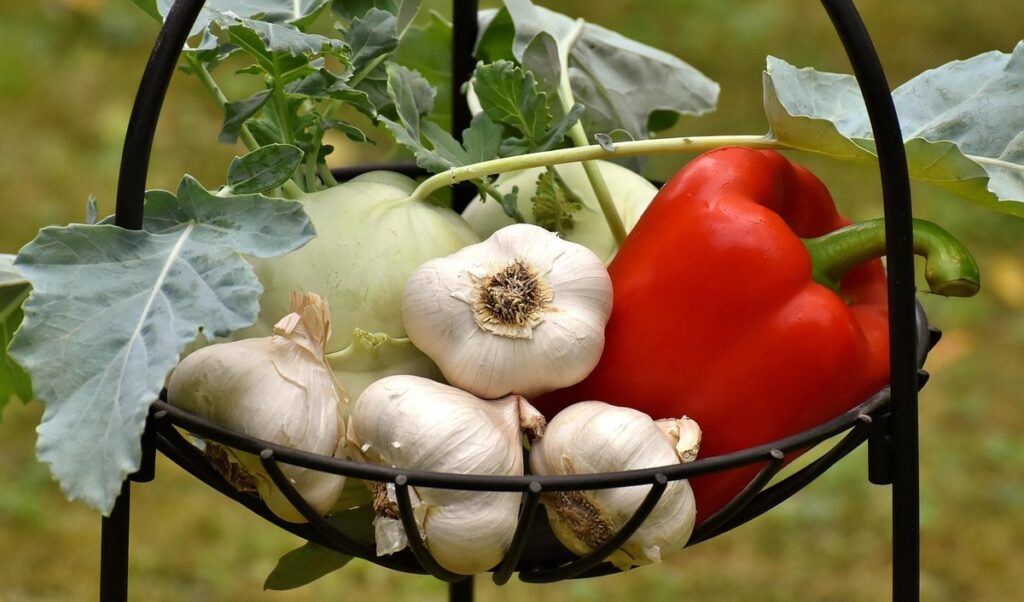
Why Plant Garlic with Your Kids?
Planting garlic with kids is a wonderful way to teach them about gardening, patience, and responsibility all while creating lasting memories together. It’s also an opportunity for quality time and bonding in the garden!
Benefits of Gardening with Children
Gardening is an incredible way to spend quality time with children, and planting garlic together is just the beginning. By incorporating gardening into their daily lives, you can reap a multitude of benefits for their physical health, cognitive development, and emotional well-being.
For physical health, gardening provides a great opportunity for kids to get moving and stay active. Planting, watering, and weeding are all physically demanding tasks that can help improve their gross motor skills, hand-eye coordination, and overall fitness levels. In fact, a study by the Centers for Disease Control and Prevention (CDC) found that children who engage in gardening activities tend to have higher levels of physical activity.
Gardening also has a profound impact on cognitive development. By nurturing garlic bulbs from seedling to harvest, kids can learn essential skills like patience, responsibility, and problem-solving. They’ll develop their fine motor skills through tasks like planting individual cloves and watering the soil. Moreover, they’ll gain a deeper understanding of the life cycle of plants, which can spark an interest in science and nature.
But perhaps most importantly, gardening provides a unique bonding opportunity for kids and adults alike. Working together to plant garlic bulbs encourages teamwork, communication, and mutual respect. As you watch your child’s garlic grow and thrive under their care, you’ll be creating memories that will last a lifetime. So, what are you waiting for? Get planting with your little ones and start reaping the rewards of gardening together!
Setting Up a Kid-Friendly Garden Space
When setting up a kid-friendly garden space for planting garlic with your kids, it’s essential to consider their safety and accessibility. Start by selecting a location that receives plenty of sunlight and has good drainage. Avoid areas with standing water or where children may trip over obstacles.
Design the space with child-friendly features in mind. Consider using raised beds or containers that are easy for little hands to reach into. Add a short, wide path made from soft materials like wood chips or bark dust, allowing kids to walk comfortably through the garden without tripping hazards.
Don’t forget about storage and tools – include small baskets or buckets for collecting harvested garlic bulbs, as well as kid-sized gardening tools like trowels and watering cans. Make sure these are securely stored when not in use to prevent accidental misuse.
By creating a safe and accessible space, you’ll be encouraging your kids to explore the joys of planting and harvesting garlic, making it an even more enjoyable experience for both of you!
Preparing Your Kids for Garlic Planting
Before planting garlic, make sure your kids understand the importance of gentle handling and proper soil selection to ensure healthy growth. This step is crucial for their hands-on learning experience.
Introduction to Gardening Fundamentals
When it comes to planting garlic with kids, it’s essential to start with the basics. Gardening is not just about getting your hands dirty; it’s a valuable life skill that teaches children about nature, responsibility, and sustainability. To make the most out of this experience, let’s introduce some fundamental gardening concepts that will set them up for success.
Firstly, understanding the life cycle of plants is crucial. Explain to your kids that garlic goes through different stages – from planting to sprouting, growing, maturing, and eventually harvesting. This concept helps them grasp the importance of patience and timing in gardening. You can use visual aids like diagrams or pictures to illustrate each stage.
Next, familiarize your children with the changing seasons. Garlic typically thrives in cooler climates during fall and early winter. Explain how different plants respond to seasonal changes and how this affects their growth. This knowledge will help them appreciate the connection between nature and gardening.
Lastly, introduce various plant species, including garlic’s cousins – onions, shallots, and leeks. Discuss their unique characteristics, flavors, and uses in cooking. This broadens their understanding of the diversity within the plant kingdom and encourages exploration and experimentation. By covering these basics, you’ll lay a solid foundation for your kids to grow into avid gardeners.
Hands-On Preparation Activities
When it’s time to prepare for planting garlic, get your kids involved with hands-on activities that make learning fun! Measuring soil pH is a great starting point. Explain to them why this step is crucial: if the soil is too alkaline or acidic, our beloved garlic might not thrive. Use a simple kit to test the soil and let them help record the results.
Next, engage your mini-gardeners in mixing potting compost. They’ll enjoy getting their hands dirty while learning about the importance of well-balanced nutrients for healthy plant growth. You can even make it more interactive by creating a “compost blend” using different ingredients like peat moss, perlite, and vermiculite.
Watching seedling growth is another engaging activity that lets kids observe the life cycle of garlic plants firsthand. Encourage them to examine the tiny bulbs for signs of sprouting and track their progress over time. This experience teaches patience and responsibility, essential qualities for any young gardener. By participating in these hands-on activities, your kids will develop a deeper understanding of what it takes to grow healthy garlic – and they’ll have fun doing it!
Choosing the Right Garlic Variety
When planting garlic with kids, it’s essential to choose a variety that thrives in your climate and is suitable for your family’s taste preferences. This selection can make all the difference in your gardening success!
Factors to Consider When Selecting Garlic
When selecting a garlic variety for planting with kids, there are several factors to consider. First and foremost, think about ease of growth. Young gardeners will love watching their garlic bulbs grow, but they need to be manageable and require minimal maintenance. Opt for varieties like ‘Silverskin’ or ‘Rocambole’ that are known for their hardiness and resistance to pests.
Another crucial factor is disease resistance. Garlic is susceptible to fungal diseases like powdery mildew, so choose a variety that’s resistant to these issues. For example, ‘Elephant’ garlic has excellent resistance to powdery mildew, making it an ideal choice for kids’ gardens.
Finally, consider flavor preferences. Do your little gardeners enjoy strong, pungent flavors or milder ones? If they’re just starting out with gardening, a mild-flavored variety like ‘Softneck’ might be more appealing. You can also involve them in the decision-making process and let them choose their favorite garlic type based on its taste.
Remember to also discuss with your kids about the different types of garlic available, such as softneck and hardneck varieties, and explain why some are better suited for their climate or soil conditions. This will help them develop a deeper understanding of the planting process and encourage a lifelong love for gardening.
Popular Garlic Varieties for Kids’ Gardening
When it comes to planting garlic with kids, selecting the right variety can make all the difference. Not only will you want a type that’s easy for children to handle and grow, but also one that adds some excitement to their gardening experience.
Two popular garlic varieties perfect for kids’ gardens are Silverskin and Artichoke. Silverskin is known for its large cloves, making it simple for little hands to separate and plant. Plus, its white skin with a hint of silver adds an element of fun to the process. On the other hand, Artichoke has smaller cloves but produces a higher yield per bulb, which can be motivating for young gardeners.
Another variety worth considering is Elephant garlic, with its mild flavor and massive bulbs that are sure to impress kids. Whichever type you choose, make sure it’s suitable for your climate zone and plant at the right time of year for optimal growth.
Planting and Caring for Garlic
Now that you’ve got your garlic cloves, let’s dive into the fun part: planting them! This section will cover the essential steps to get your garlic growing strong and healthy.
Step-by-Step Planting Instructions
When planting garlic with kids, it’s essential to follow proper techniques to ensure a successful harvest. Start by preparing the soil where you’ll be planting the garlic bulbs. Dig a bed that’s at least 6-8 inches deep and loosen the soil until it’s smooth and even. Make sure the area gets full sun and has good drainage.
Next, take your garlic bulb and separate the individual cloves. Give each clove to your child, explaining how they’ll be responsible for planting their own garlic. Show them how to create a small mound of soil in the planting bed, about 4-6 inches apart from one another.
Plant the garlic cloves, with the pointed end facing up and the base facing down. Space them evenly, making sure not to overcrowd the area. Water gently but thoroughly after planting, keeping the soil consistently moist during its first growing season. Encourage your child to observe their garlic’s progress over time, noting any changes or growth.
Tips for Maintaining Healthy Garlic Plants
As you and your kids watch your garlic plants grow, it’s essential to maintain their health to ensure a bountiful harvest. One of the most common pests that can damage garlic plants is aphids. These tiny insects feed on the sap of the plant, causing curled or distorted leaves. To control aphid infestations, spray your garlic plants with a mixture of water and mild dish soap.
Keep an eye out for signs of diseases like powdery mildew, which appears as a white powder coating on the leaves. Fungal diseases thrive in humid environments, so ensure good air circulation around your garlic plants. Regularly inspect your plants for any yellowing or browning leaves, which can indicate nutrient deficiencies.
To provide optimal nutrition to your garlic plants, fertilize them with a balanced, water-soluble fertilizer once a month. You can also side-dress with compost tea or fish emulsion to give your plants an extra boost. By monitoring your garlic plants’ health and addressing any issues promptly, you’ll be rewarded with robust, healthy bulbs come harvest time. This is a great opportunity for kids to learn about crop rotation and integrated pest management practices.
Encouraging Kids’ Involvement in Garden Maintenance
To make gardening a family affair, it’s essential to get your kids involved in maintaining the garden and teaching them valuable skills along the way. Involving them in tasks will also keep them engaged and excited about the process.
Assigning Tasks and Responsibilities
When it comes to involving kids in garden maintenance tasks, it’s essential to remember that their role should be valued and respected. Assigning specific responsibilities not only teaches them a sense of ownership but also encourages a deeper connection with the plants they’ve grown.
Start by breaking down larger tasks into smaller, manageable chunks that your child can handle. For example, instead of asking them to water the entire garden, assign them a specific section or plant group. This way, they’ll feel more in control and confident as they tend to their designated area.
Consider creating a ‘job chart’ where each child has a specific task listed under their name. This could be watering, weeding, harvesting, or even monitoring for pests. Make sure to rotate tasks regularly so everyone gets a chance to try new things and develop their skills. By doing so, your kids will not only learn the importance of maintenance but also develop essential life skills like time management and teamwork.
As they take on more responsibility, encourage them to make decisions about how to care for their assigned area. This could be deciding when to water or which weeds to pull. By giving them autonomy, you’ll foster a sense of pride and investment in the garden’s success.
Encouraging Observation and Record-Keeping
As your kids tend to their garlic plants, encourage them to take note of every step of the process. This is where observation and record-keeping come into play. Not only will it help them develop a deeper understanding of the growth cycle, but it also fosters patience, responsibility, and a sense of accomplishment.
To make recording easier, create a gardening journal with your child. A dedicated notebook or even a mobile app can be used to track progress, note any challenges, and celebrate milestones. Encourage your little ones to sketch their plants at different stages, document the weather patterns, and record the types of care they provide – whether it’s watering, pruning, or fertilizing.
You can also take regular photos with your child, documenting the transformation from a small clove to a mature bulb. This visual aid will help them see the progress over time and appreciate the hard work that goes into nurturing their garlic plants. As you review these records together, ask open-ended questions to encourage critical thinking and reflection on what they’ve learned.
Harvesting and Cooking with Garlic
Once your garlic is mature, you’ll be harvesting it, and then you can use those pungent bulbs to cook up a storm in the kitchen!
Timing the Perfect Harvest
Timing the perfect harvest is an exciting moment for kids to learn about the life cycle of garlic. But when exactly do you know that your garlic crop is ready? To determine if your garlic is mature, look out for a few key signs. First, check the color of the tops – they should start turning yellow and eventually brown as the plants prepare to die back. Next, carefully dig up one or two cloves from the soil. If the bulbs are big enough to separate easily into individual cloves and have formed several layers of papery skin, it’s ready.
Keep in mind that different garlic varieties mature at varying times. Some popular ones like ‘Silverskin’ take around 90-100 days to mature, while others like ‘Elephant’ can take up to 120 days or more. For a first-time harvest with kids, consider choosing a variety that matures relatively quickly.
In terms of optimal harvesting times, most garlic is ready in late summer to early fall, depending on your climate and the specific variety you’re growing. Check the weather forecast before digging – it’s best to harvest when the soil is dry enough for easy digging but not too dry to cause damage to the bulbs.
Fun Ways to Use Homegrown Garlic in Meals
When you’re harvesting garlic from your garden, you’ll want to put that fresh flavor to good use. One of the joys of growing your own garlic is being able to use it in a variety of dishes, from classic recipes to innovative creations.
Start with some tried-and-true favorites like roasted chicken or homemade garlic bread. But don’t be afraid to experiment and come up with new ideas! Try adding minced garlic to your favorite pasta sauce for an added depth of flavor, or mix it into olive oil as a marinade for grilled meats. You could also make garlic-infused oil by simmering crushed garlic in olive oil on low heat – this is great for drizzling over vegetables or using as a finishing touch for soups.
For something more adventurous, try making garlic scape pesto (if your garlic varieties produce scapes). This is a delicious and refreshing sauce made with garlic scapes, basil, parmesan cheese, and olive oil. It’s perfect for pasta, pizza, or as a dip for vegetables. Whatever you choose, be sure to use that fresh flavor to its fullest potential!
Conclusion: Nurturing the Next Generation of Gardeners
As you and your little ones wrap up this garlic-planting adventure, let’s talk about how to nurture their newfound love for gardening into a lifelong passion.
Recap of Key Takeaways
As we wrap up this journey of planting garlic with kids, let’s revisit the key takeaways from our experience. Involving children in gardening activities is not only a fun way to spend time together, but it also provides them with essential life skills and knowledge about where their food comes from.
By planting garlic with your kids, you’re giving them a chance to learn about responsibility, patience, and the process of nurturing living organisms. These are valuable lessons that will benefit them in the long run, extending beyond the garden itself. Remember, gardening is an opportunity to teach children about science, math, and sustainability in a hands-on way.
To make the most of this experience, be sure to involve your kids in every step of the process, from preparing the soil to harvesting the garlic. Encourage them to ask questions and think critically about the process. And don’t worry if things don’t go as planned – it’s all part of the learning process! By embracing the journey together, you’ll create memories that will last a lifetime and inspire a new generation of gardeners.
Inspiring Future Gardening Adventures
As you’ve seen firsthand, gardening with kids can be a truly rewarding experience. It’s not just about teaching them where food comes from, but also about fostering a sense of responsibility and curiosity about the natural world. And now that you’ve successfully planted garlic together, the possibilities are endless! Encourage your little ones to explore other aspects of gardening, such as tending to a family herb garden or even starting their own small vegetable plot.
Consider enlisting their help in planning and preparing for a community garden project. Not only will they gain valuable skills, but they’ll also develop important teamwork and communication skills. For younger kids, why not try planting colorful flowers or creating a butterfly garden? These fun and engaging projects are perfect for introducing them to the joys of gardening.
As you continue on this journey together, remember to have fun and be open to trying new things. Encourage your kids to share their own ideas and take ownership of specific tasks within the garden. With patience, guidance, and support, they’ll develop a lifelong appreciation for the beauty and wonder of nature – and maybe even inspire others to join in on the fun!
Frequently Asked Questions
Can I Plant Garlic with Kids Indoors or Only Outdoors?
You can plant garlic indoors, but it requires a bright location with indirect sunlight. Choose a container that is at least 6-8 inches deep to allow the roots to grow. Keep in mind that indoor-grown garlic may not produce bulbs as large as those grown outdoors.
How Long Does It Take for Garlic to Grow After Planting?
Garlic typically takes around 4-5 months to mature after planting, but this timeframe can vary depending on factors like climate and soil quality. Start checking for readiness by gently digging around the base of the plants.
What Happens if My Kids Accidentally Damage the Garlic Bulbs During Handling?
If your kids accidentally damage the garlic bulbs during handling, don’t worry! Simply trim off any damaged or rotting parts to prevent the spread of disease. This will help ensure a healthy crop and minimize losses.
Can I Use Store-Bought Garlic for Planting with Kids, or Should I Buy Specific Garlic Bulbs?
While store-bought garlic can be used for planting, it’s best to purchase specific garlic bulbs designed for planting. These varieties are bred for their ability to produce large, flavorful bulbs and are less likely to have been treated with chemicals that might affect growth.
How Do I Store Harvested Garlic to Keep It Fresh for a Longer Period?
After harvesting, let the garlic heads dry in a cool, well-ventilated area for 2-3 weeks. This will help prevent mold from forming. Then, store them in a paper bag or breathable container in a dark place at room temperature.