
Garlic lovers rejoice! The perfect time to plant your favorite bulbs is just around the corner, and we’re here to guide you through the process. Planting garlic in fall is a crucial step in ensuring a bountiful harvest come springtime. Not only will this late-summer planting strategy give your garlic bulbs ample time to mature underground, but it’ll also help protect them from pests and diseases that thrive in warmer months.
In this comprehensive guide, we’ll cover everything you need to know about planting, caring for, and harvesting garlic. From selecting the right varieties to preparing the ideal site, we’ll walk you through the ins and outs of fall planting techniques. Whether you’re a seasoned gardener or just starting out, our expert advice will have you growing delicious garlic like a pro in no time. So, let’s get started on this flavorful journey together!
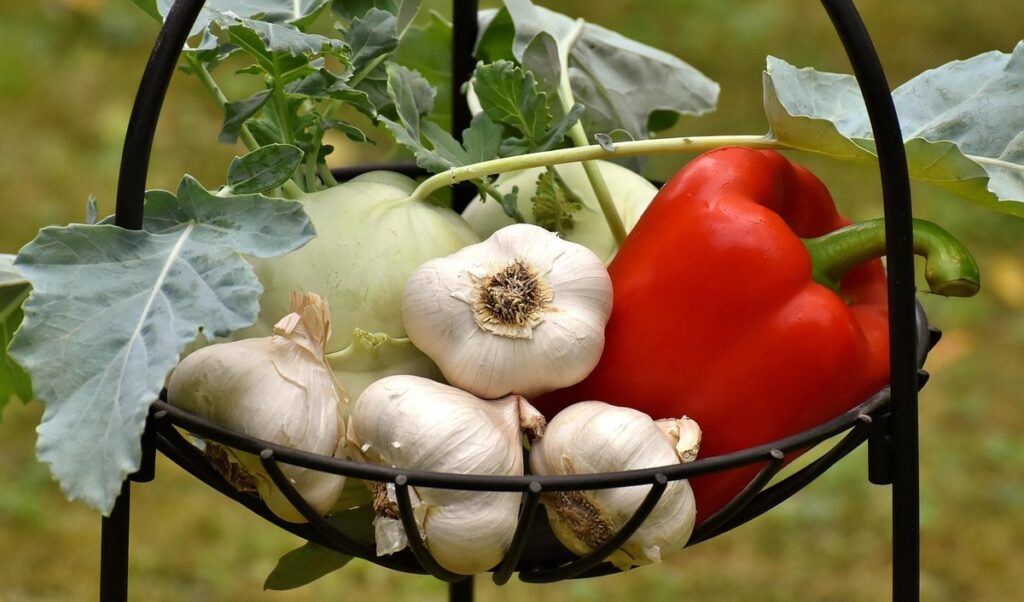
Choosing the Right Variety of Garlic
With so many varieties of garlic to choose from, selecting the right one for your garden can be a daunting task, but don’t worry, we’ve got you covered. In this section, we’ll walk you through the key factors to consider when making your selection.
Understanding Garlic Types and Their Characteristics
When it comes to planting garlic in fall, choosing the right variety is crucial for success. With so many types of garlic available, it can be overwhelming to decide which one to choose. The three main categories of garlic are hardneck, softneck, and elephant.
Hardneck garlic grows from a central stem and has a harder, more fibrous neck that makes it easier to peel. This variety is generally more tolerant of cold temperatures and produces larger cloves. Softneck garlic, on the other hand, has no central stem and is often sold in supermarkets. It prefers milder winters and produces smaller but more numerous cloves.
Elephant garlic is a type of hardneck garlic with enormous cloves that resemble elephant ears. It’s ideal for those who want to harvest a few large bulbs rather than many small ones. When choosing a variety, consider your region’s climate: if you live in a colder area, opt for hardneck or elephant; if it’s milder, softneck might be the better choice.
Factors Affecting Garlic Growth: Soil, Climate, and Sunlight
When it comes to planting garlic in fall, selecting the right variety is just one part of the equation. The environment in which your garlic grows plays a significant role in its overall health and flavor development.
Soil quality, pH level, and moisture content are all crucial factors that impact bulb growth. Garlic prefers well-draining soil with a slightly acidic to neutral pH between 6.0-7.0. Aim for a mix of compost or aged manure to add organic matter and nutrients. Avoid planting in low-lying areas where water tends to collect, as this can lead to rot.
Sunlight hours are also essential, with garlic requiring full sun (at least six hours) daily. However, direct sunlight can be intense during peak summer months, potentially causing bulb scorching or dehydration. In regions with hot summers, consider providing shade cloth or partial afternoon shade for optimal growth.
Temperature fluctuations also play a significant role in bulb development and flavor profile. Garlic prefers cooler temperatures between 40-70°F (4-21°C) to develop its characteristic sweet, mild flavor. Avoid planting garlic where extreme temperature swings occur regularly.
Preparing the Site for Fall Planting
Before you start planting garlic, make sure your garden is ready by clearing out any debris and loosening the soil to a depth of 8-10 inches. This will give your garlic bulbs room to grow.
Creating a Suitable Environment for Garlic Growth
To create an optimal environment for garlic growth, you must carefully prepare the site. Clearing weeds from the area is a crucial step, as they can compete with garlic for water and nutrients. Start by removing any debris, rocks, or existing plants that might interfere with your garlic’s development.
Next, loosen the soil to a depth of about 8-10 inches using a garden fork or tiller. This will allow the garlic bulbs to grow deep into the earth without being constricted. If your soil is heavy clay or sandy, consider adding organic matter like compost or well-rotted manure to improve its structure and fertility.
Good drainage is essential for healthy garlic growth. Garlic roots are susceptible to rot if the soil is waterlogged, so ensure that the area drains well after rainfall. Consider raising the bed slightly to promote air circulation around the plants. This will help prevent fungal diseases like neck rot from taking hold.
Aim to plant your garlic in a spot with at least 6 hours of direct sunlight per day, as this will encourage robust growth and flavor development.
Overwintering Techniques: Mulching and Cover Cropping
As we approach fall planting season for garlic, it’s essential to prepare our garden beds for the cold winter months ahead. One of the most effective techniques for protecting your garlic from frost and retaining moisture is mulching. Simply spread a 2-3 inch layer of organic mulch around your plants, keeping it a few inches away from the base of the stems. Mulch helps insulate the soil, reducing heat loss and protecting your garlic from extreme cold snaps.
Another technique to improve soil health and fertility during winter is cover cropping. Planting green manures like clover or oats in the fall allows them to establish themselves before going dormant with the first frost. In spring, simply chop or till the cover crop back into the soil, incorporating its rich nutrients and organic matter. This process can increase your garlic’s yield by up to 20% and improve overall plant health. Consider planting clover for nitrogen fixation, oats for soil structure improvement, or rye for weed suppression – each has unique benefits to enhance your garden’s ecosystem.
Planting Garlic in Fall: Best Practices
When planting garlic in fall, proper technique is crucial for a healthy harvest. In this next part of our guide, we’ll cover essential best practices to follow.
Understanding the Optimal Planting Time and Method
When it comes to planting garlic in fall, timing is everything. The ideal time for planting varies depending on your region’s climate, but generally falls between September and November. To determine when the weather has cooled down enough, look for signs that indicate a decline in daytime temperatures. This usually happens around 30-60 days before the first frost in your area.
As you plan to plant, consider the specific needs of garlic. Planting individual cloves rather than purchasing a bulb will ensure each clove gets the right amount of space and nutrients. Space them about 4-6 inches apart, with the pointed end facing upwards. This allows for proper growth and minimizes the risk of rot.
Plant the cloves 2-3 inches deep, making sure the base of the clove is level with the soil surface. You can also plant in rows, if desired. Keep in mind that garlic needs full sun to thrive, so ensure you’re planting in an area that receives at least six hours of direct sunlight per day.
Tips for Successful Fall Garlic Planting: Avoiding Common Mistakes
When planting garlic in fall, it’s easy to fall into common pitfalls that can impact the success of your crop. One key mistake is planting too early or late – ideally, you want to plant around 6-8 weeks before the first frost date for your area. This allows the bulbs to establish a strong root system and grow to maturity without being exposed to harsh winter conditions.
Another crucial aspect is providing adequate space between bulbs; overcrowding can lead to weak bulb growth and reduced yields. As a general rule, plant cloves 4-6 inches apart in rows that are at least 12 inches wide. Make sure to also leave enough room for the plants to mature without becoming too dense.
Proper support is also vital – use stakes or loose ties to keep the stalks upright, preventing them from flopping over and breaking off. If you do encounter problems like poor germination rates or weak bulb growth, don’t panic! Instead, take a closer look at your planting schedule and make adjustments as needed. For example, if the soil is too cold or dry, adjust the watering routine to ensure optimal conditions for healthy growth.
Caring for Fall-Planted Garlic: Winter and Spring Maintenance
Now that your fall-planted garlic is established, focus on its winter and spring needs to ensure a healthy crop and maximize harvest yields. Regular maintenance during these periods is crucial for success.
Mulching and Pruning Techniques for Optimal Growth
As winter months set in, it’s essential to protect your fall-planted garlic from harsh weather conditions and potential pests. Mulching around your plants is a simple yet effective way to conserve moisture, suppress weeds, and regulate soil temperature. Apply a 2-3 inch layer of organic mulch like straw or wood chips around the base of each plant, keeping it a few inches away from the cloves.
Come spring, prune back any flower stalks that have formed by cutting them off at the base. This directs energy towards bulb development, encouraging your garlic to focus on producing a robust and flavorful harvest. Be cautious not to damage the underground bulbs when pruning. To monitor plant health, regularly inspect for signs of pests or diseases like aphids, spider mites, or fungal infections. Take prompt action by treating affected areas with neem oil or insecticidal soap.
Keep in mind that garlic is a low-maintenance crop, but regular attention during winter and spring will significantly impact its overall performance.
Fertilizing Fall-Planted Garlic: Timing and Types of Nutrients
As fall-planted garlic begins to grow and mature during the winter months, it will require essential nutrients for optimal bulb development. Nitrogen (N) is crucial for leaf growth, but be cautious not to overapply, as excessive nitrogen can lead to weak necks and poor bulb formation.
Phosphorus (P), on the other hand, promotes root development and is vital for healthy bulb growth. It’s best to apply a balanced fertilizer with phosphorus in early spring when green shoots emerge from the soil. Potassium (K) also plays a significant role in maintaining overall plant health, aiding in resistance to disease and promoting water balance within the bulbs.
For fall-planted garlic, it’s essential to fertilize at the right time. Apply a 2-3 inch layer of compost or well-rotted manure around the plants in late winter (February-March), allowing for a slow release of nutrients as the soil warms up. Avoid overfertilizing during the initial growth phase; instead, focus on providing balanced nutrition throughout the growing season.
Keep in mind that garlic is naturally low in phosphorus and potassium, so regular applications are necessary to support its development. A general rule of thumb is to apply granular fertilizers or mulched organic matter about 1-2 times during the winter months, depending on soil conditions and climate.
Harvesting Fall-Planted Garlic: When to Expect a Bountiful Crop
As the weather starts to cool down, you’ll begin to see your fall-planted garlic bulbs growing and maturing underground. It’s time to learn when to harvest them for a bountiful crop!
Monitoring Bulb Maturity: Signs of Readiness
As you prepare to harvest your fall-planted garlic crop, it’s essential to monitor its maturity closely. This involves observing visual cues that indicate when the bulbs are ready for digging up. One of the most noticeable signs is yellowing leaves, which can signal that the bulbs have reached their full size and flavor potential.
Another indication of readiness is a soft neck – not to be confused with the actual neck of the bulb, but rather a slight give or flexibility around the base where the stem meets the bulb. This flexibility indicates that the bulb has formed fully and is ready for harvest. Additionally, if you gently dig into the soil around the plants, loose soil can be an indication that the bulbs are mature.
When evaluating your garlic crop’s quality and flavor profile, consider factors such as size, shape, and color of the bulbs. Larger bulbs with well-formed cloves will generally produce better-tasting garlic. You can also try gently twisting a clove from the bulb to see if it comes off easily – this is often an indication of optimal maturity.
Harvesting Techniques for Optimal Flavor and Texture
When you’re ready to harvest your fall-planted garlic, it’s essential to do so carefully to preserve the quality and integrity of the bulbs. Start by gently digging up the plants with a fork, being careful not to damage the cloves or separate them from their stems. This will help prevent moisture accumulation and reduce the risk of fungal diseases.
After digging, lay the harvested garlic out in a warm, dry place for several days to allow the tops to yellow and die back naturally. This process is called “curing.” Once the tops have dried, trim them off about an inch from the top of the bulb. Leave the roots intact as they help retain moisture.
Next, store your harvested garlic in ventilated containers or mesh bags to prevent moisture accumulation. Place the containers in a cool, dry spot with good air circulation, such as a pantry or cupboard. Avoid storing garlic near direct sunlight or heat sources, which can cause it to sprout or spoil prematurely. With proper care and handling, you’ll be enjoying your homegrown garlic for months to come.
Troubleshooting Fall Garlic Planting: Common Issues and Solutions
Don’t worry if things don’t go as planned when planting garlic in fall – we’ve got you covered with common issues and solutions to get your crop back on track.
Dealing with Pests, Diseases, and Other Challenges
Garlic can be susceptible to various pests and diseases that can significantly impact its growth. One of the most common issues is nematode infestation, microscopic worms that feed on garlic roots, causing stunted growth and yellowing leaves. Aphids, on the other hand, are tiny insects that feed on plant sap, often leaving behind sticky honeydew residue.
Mold and rot diseases can also affect garlic plants, particularly if they’re not given proper air circulation or are exposed to excessive moisture. To combat these issues, adopt integrated pest management strategies. For nematodes, use resistant varieties, solarize soil, or apply nematode-killing products like marigolds. To control aphids, introduce natural predators such as ladybugs or lacewings, and use neem oil or insecticidal soap to repel them.
When dealing with mold and rot, ensure good air circulation around your garlic plants by thinning out foliage and using a fungicide specifically designed for garlic if necessary. Monitor your plants regularly and take action at the first sign of infestation. Regular crop rotation can also help prevent buildup of pests and diseases in the soil.
Overcoming Climate-Specific Challenges in Fall Garlic Planting
When planting garlic in fall, you’ll face unique climate-specific challenges that can impact its success. If you live in an area prone to extreme cold snaps or heatwaves, it’s essential to adapt your plant care routine accordingly.
For regions experiencing early frosts, plan ahead by selecting varieties with shorter maturation periods (around 60-90 days) and planting them about 6 weeks before the first frost date. This allows for optimal growth and maturity before winter sets in.
Conversely, areas with prolonged heatwaves can cause garlic to bolt or go dormant prematurely. To mitigate this risk, plant your garlic in the cooler parts of the day (early morning or late evening) when temperatures are milder. Also, ensure your soil is well-draining to prevent waterlogged conditions that can exacerbate heat stress.
Consider monitoring local weather forecasts and adjusting your care routine as needed. In areas with mild winters, you may not need to take extreme precautions, but in regions with harsher climates, being proactive can make all the difference between a successful harvest and disappointment.
Conclusion: Tips for Mastering the Art of Fall Garlic Planting
Now that you’ve successfully planted your fall garlic, let’s review what you’ve learned and offer some final tips to ensure a bountiful harvest. We’ll cover essential takeaways from this guide.
Summary of Key Takeaways and Recommendations
To successfully plant garlic in the fall, it’s essential to remember the key takeaways from this step-by-step guide. First and foremost, patience is crucial when growing garlic. This means allowing enough time for the bulbs to mature and not rushing into harvest too early.
Observation is also vital, as you’ll need to keep an eye out for signs of over- or under-maturity, such as yellowing leaves or green shoots. Adaptability will come in handy when responding to changing environmental factors like weather patterns or soil moisture levels.
In terms of specific practices, prioritize proper soil preparation and ensure your garlic is planted at the right depth (about 4-6 inches). Don’t forget to space them appropriately (around 3-4 inches apart) to prevent overcrowding. Regular watering will also be necessary, especially during periods of drought or extreme heat.
By following these guidelines and staying attuned to your garlic’s needs, you’ll be well on your way to a successful fall harvest. Remember that growing garlic is an iterative process – be prepared to adjust your approach based on what works best for your specific climate and soil conditions.
Final Thoughts on Nurturing a Bountiful Fall Garlic Crop
As you reflect on your bountiful fall garlic crop, I hope you’re filled with a sense of accomplishment and pride. Growing garlic can be a rewarding experience, not only because it’s relatively easy to do, but also because the end result is a flavorful ingredient that enhances countless dishes.
If you’ve successfully planted and harvested your garlic, don’t stop there! Consider exploring some exciting extensions or variations to take your garlic game to the next level. For instance, did you know that you can use garlic scapes – the curly green shoots that grow from the top of the garlic plant – in a variety of recipes? Simply chop them up and sauté them with olive oil, garlic, and lemon juice for a delicious side dish.
Another fascinating way to incorporate garlic into your cooking is by using homemade garlic oil. By infusing garlic cloves in a carrier oil like olive or grapeseed, you can create a fragrant condiment perfect for dressing salads or as a finishing touch for soups and sauces.
Frequently Asked Questions
Can I plant garlic in spring instead of fall?
While it’s technically possible to plant garlic in spring, fall planting is generally recommended for better results. Fall-planted garlic has more time to mature underground before spring growth begins, reducing the risk of pests and diseases that thrive in warmer months.
How do I know when to harvest my fall-planted garlic?
The ideal harvesting time for fall-planted garlic depends on factors like climate, soil quality, and specific variety. As a general rule, most varieties are ready to harvest 3-4 months after the green shoots emerge in spring. Keep an eye out for yellowing leaves or signs of bulb maturity, such as swelling near the base of the plant.
What’s the best way to store garlic cloves before planting?
To ensure healthy growth, it’s essential to choose fresh, disease-free garlic bulbs. Store them in a cool, dry place with good ventilation, away from direct sunlight. You can also refrigerate or freeze them for later use. When ready to plant, select cloves with no signs of mold or rot.
Can I plant garlic in containers?
Yes! Container gardening is an excellent option for growing garlic, especially if you have limited space or poor soil quality. Choose a container that’s at least 6-8 inches deep and has good drainage holes. Use a well-draining potting mix, and follow the same planting procedures as for in-ground gardens.
What’s the difference between hardneck and softneck garlic varieties?
Hardneck garlic is known for its stronger flavor and harder neck, which helps to protect the bulb from pests and diseases. Softneck garlic, on the other hand, has a softer neck but is generally easier to braid and store. Choose the variety that best suits your needs, climate, and personal preferences.