
Planting garlic cloves can be a bit tricky, but with the right techniques and care, you’ll be enjoying fresh homegrown garlic in no time. Not only is growing your own garlic cost-effective, but it also allows you to choose from a variety of flavors and textures that suit your taste preferences. With so many options available, selecting the right variety for your climate and cooking needs can make all the difference.
In this article, we’ll walk you through everything you need to know to plant garlic cloves successfully. From choosing the perfect spot with well-draining soil to proper planting techniques and care tips, we’ve got you covered. Whether you’re a seasoned gardener or just starting out, our comprehensive guide will give you the confidence to grow your own bountiful harvest of delicious, aromatic garlic.
Choosing the Right Variety
With so many garlic varieties out there, it can be overwhelming to decide which one is right for your garden. In this next step, we’ll help you navigate the options.
Factors to Consider When Selecting Garlic
When selecting garlic for planting, there are several key factors to consider. First and foremost, choose a variety that is well-suited to your climate. Garlic is typically grown in USDA zones 4-9, but some varieties can tolerate colder or warmer temperatures. For example, ‘Softneck’ varieties like ‘Silverskin’ are more tolerant of heat and humidity, making them ideal for warm climates.
Consider the intended use of your garlic as well – do you want to harvest it for cooking or planting? If you’re planning on using it for cooking, choose a variety with good flavor and texture. Elephant garlic, for instance, has a milder flavor than other varieties but is still rich in nutrients.
Disease resistance is also crucial when selecting garlic. Some varieties are more susceptible to pests like aphids and spider mites, or diseases like downy mildew and rust. ‘Hardneck’ garlic, such as ‘Rocambole’, tends to be more resistant to these issues than softneck varieties.
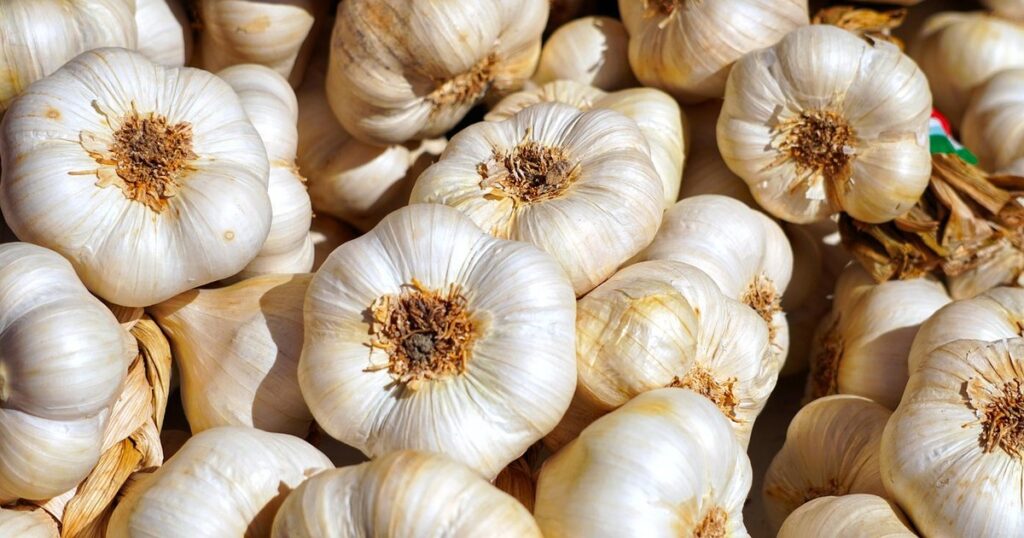
When shopping for garlic, look for bulbs with plump cloves that feel firm to the touch. Avoid those with mold or signs of damage, as this can spread disease to your entire crop. By choosing a suitable variety and selecting healthy bulbs, you’ll set yourself up for success when planting your garlic cloves.
Understanding Garlic Growing Zones
When it comes to planting garlic cloves, understanding which varieties are best suited for your specific growing zone is crucial. The climate and conditions in your area can significantly impact the health and yield of your garlic crop.
To determine which garlic varieties are right for you, consider factors like temperature, humidity, and pest/disease pressure in your region. For example, if you live in a hot and dry climate, you’ll want to choose a variety that’s resistant to heat stress and can tolerate low moisture levels. On the other hand, if you live in a cool and wet climate, you may be able to grow varieties that thrive in those conditions.
Garlic is typically divided into three growing zones: temperate, subtropical, and tropical. Within these zones, there are numerous microclimates that can affect garlic growth. For instance, coastal areas often have cooler temperatures and higher humidity than inland regions, which can impact the type of garlic you can grow. By understanding your local conditions and choosing a variety accordingly, you’ll be well on your way to growing delicious and robust garlic cloves.
Preparing the Soil for Planting
Before you start planting, it’s essential to prepare your soil to give your garlic cloves a strong foundation. This means loosening and aerating the soil to allow for healthy root growth.
Testing Your Soil pH Level
Testing your soil pH level is a crucial step before planting garlic cloves. Garlic prefers a slightly acidic to neutral soil pH, ranging from 6.0 to 7.0. If your soil’s pH is too high or too low, it can affect the garlic’s growth and bulb formation.
To collect a representative soil sample, dig several small holes around your garden bed, about 6-8 inches deep. Mix the soil from each hole together in a bucket, then take a small amount of this mixture to a lab for testing. You can also use at-home testing kits, which are available online or at local gardening stores.
The most common tests include pH, nutrient analysis (such as N-P-K), and micronutrient tests like sulfur and calcium. Based on the results, you can adjust your soil with organic amendments like compost, well-rotted manure, or lime to bring it within the optimal range for garlic growth. For example, if your test shows high levels of phosphorus (P), you may need to add sulfur to balance out the pH and nutrient levels.
Keep in mind that garlic is a heavy feeder and will deplete nutrients from the soil over time. Regular testing will help you maintain optimal growing conditions and ensure a healthy harvest.
Loosening and Fertilizing the Soil
Before planting garlic cloves, it’s essential to loosen and fertilize the soil to provide an optimal growing environment. To start, use a fork or spade to gently loosen the top 8-10 inches of soil. This will help break up any clods and compacted areas, allowing for better drainage and root growth.
As you loosen the soil, incorporate 2-4 inches of organic matter such as compost or well-rotted manure. This will not only add nutrients to the soil but also improve its structure and fertility. Organic matter can help to suppress diseases, attract beneficial microorganisms, and retain moisture in the soil. For example, adding a 1-inch layer of compost can provide up to 20 pounds of nitrogen per 100 square feet.
When mixing in organic matter, be sure to distribute it evenly throughout the loosened topsoil. This will prevent any hotspots or areas with limited nutrient availability, ensuring that your garlic cloves receive consistent nourishment throughout their growth cycle. By taking this crucial step, you’ll set your garlic plants up for success and promote a bountiful harvest.
Planting Garlic Cloves
When planting garlic cloves, it’s essential to prepare the soil properly to give your bulbs a healthy start. In this next part of our guide, we’ll walk you through the steps for successful planting.
When to Plant: A Guide to Seasonal Timing
When to Plant: A Guide to Seasonal Timing
In most regions, garlic is typically planted in the fall, about 6-8 weeks before the ground freezes. This allows the cloves to establish themselves before winter sets in and reduces the risk of disease and pests. In warmer climates, such as zones 9-11, you can plant garlic in early spring, usually around late February or early March.
It’s essential to check your local frost dates and soil temperature before planting. Garlic prefers a cool period to grow, followed by a warm spell to induce bulbing. Aim for soil temperatures between 40°F and 50°F (4°C and 10°C) at planting time. This will help the cloves sprout quickly and establish a strong root system.
Planting garlic during specific phases of the moon can also enhance its growth and flavor. For example, planting during the new moon phase is said to promote healthy growth, while planting during the full moon phase is believed to improve bulb size and quality. Experiment with different planting schedules to see what works best for you.
How to Plant Garlic Cloves Correctly
When planting individual garlic cloves, it’s essential to get the spacing and alignment just right. A good rule of thumb is to plant each clove 4-6 inches apart from its nearest neighbor. This allows for proper growth and prevents overcrowding, which can lead to disease and pests.
To start, choose a spot with well-draining soil and full sun. Dig a shallow trench about 2-3 inches deep, just deep enough to accommodate the clove’s roots. Place each clove in the trench with its pointed end facing upwards and its flat base facing down into the soil. Gently firm the soil around the clove to secure it in place.
The orientation of the clove is crucial – ensure that the basal plate (the flat base) is buried in the soil, while the stem and leaves are exposed above ground. This will help the clove establish itself properly and promote healthy growth.
Caring for Your Garlic Crop
Now that you’ve got your garlic cloves planted, it’s time to focus on giving them the care they need to thrive. This includes regular watering and monitoring for pests.
Watering and Mulching Techniques
Maintaining consistent moisture levels during the first year after planting is crucial for garlic’s healthy development. Overwatering can lead to rot and pests, while underwatering can stunt growth. To ensure optimal moisture, water your garlic crop deeply once or twice a week, depending on weather conditions. This encourages deep root growth, making your plants more resilient to drought.
Mulching around garlic plants is an effective way to retain moisture, suppress weeds, and regulate temperature fluctuations. Organic mulch options like straw, wood chips, or leaves work well for this purpose. Apply a 2-3 inch layer of mulch around the base of each plant, keeping it a few inches away from the actual bulb.
Regularly watering and mulching your garlic crop will also reduce soil-borne diseases that thrive in wet conditions. Keep an eye out for signs of fungal growth or pest infestations, addressing them promptly to prevent further damage. By providing consistent moisture levels and a protective layer of mulch, you’ll be well on your way to cultivating a thriving garlic crop.
Common Pests and Diseases in Garlic
When it comes to growing garlic, you’ll inevitably face some common pests and diseases that can damage your crop. These issues can be frustrating, but don’t worry – we’ve got you covered! As you nurture your garlic plants, keep an eye out for the following common threats:
Nematodes are microscopic worms that attack garlic roots, causing stunted growth and reduced yields. To manage nematode infestations, use crop rotation to break their life cycle. Plant marigolds or nasturtiums alongside your garlic, as these flowers repel nematodes. For more severe cases, apply organic nematicides like neem oil or pyrethrin.
Aphids are another common problem, sucking sap from garlic leaves and stems. These tiny insects can multiply quickly, so monitor your plants closely for signs of infestation. Use organic insecticidal soap to control aphid populations, or introduce natural predators like ladybugs or lacewings into the garden.
Powdery mildew is a fungal disease that causes white powdery patches on garlic leaves and stems. To prevent powdery mildew, maintain good air circulation around your plants, and remove any infected foliage. For more severe cases, apply fungicides like sulfur or copper-based products.
To protect your garlic crop from these common pests and diseases, practice integrated pest management (IPM) techniques that combine physical, cultural, biological, and chemical controls. Regularly inspect your plants, use resistant varieties when possible, and adopt a holistic approach to maintaining a healthy and balanced garden ecosystem.
Harvesting Your Mature Garlic Crop
Now that your garlic crop is mature and ready, it’s time to carefully dig up those plump bulbs and enjoy their rich flavor and aroma. We’ll walk you through the process of harvesting your mature garlic crop safely and efficiently.
Signs of Maturity: Visual Cues to Look For
As you approach the harvesting time for your mature garlic crop, it’s essential to recognize the visual cues that signal readiness. Mature garlic bulbs undergo a series of physical changes that distinguish them from immature ones.
One of the primary signs is the color change of the foliage. As garlic matures, the leaves will begin to yellow and eventually turn brown. This discoloration indicates that the bulb has completed its growth phase. Compare this with your earlier observations; you should notice a noticeable difference in leaf coloration.
Inspect the bulbs themselves for size. A mature garlic bulb is typically about 1-2 inches (2.5-5 cm) in diameter, depending on the variety. Check for any obvious deformities or irregularities that may affect its quality.
When inspecting your crop, also keep an eye out for signs of pests or diseases. Look for visible damage to leaves, stems, or bulbs themselves. If you notice anything unusual, consider taking steps to address the issue before harvesting. A thorough inspection can make all the difference in ensuring a healthy and high-quality garlic crop.
How to Carefully Dig and Cure Garlic Bulbs
When you’re finally ready to harvest your mature garlic crop, it’s essential to handle the bulbs with care. Proper digging techniques will ensure that the cloves are undamaged and can be stored for future use.
Begin by gently loosening the soil around the base of each plant using a fork or a spade. Work your way around the bulb in a circular motion, taking care not to cut any of the roots or damage the delicate skin of the clove. Once you’ve created enough space to carefully lift the entire bulb out of the ground, use your fingers or a soft-bristled brush to gently remove any remaining soil from the surface.
Next, air-dry the harvested garlic bulbs in a warm, dry location with good ventilation, such as a sunny windowsill or a wire rack. You can also braid the individual cloves together to create a rustic and attractive storage method. To do this, simply thread three to four cloves onto a piece of twine or string, leaving enough slack between each clove for easy separation when needed.
It’s worth noting that garlic bulbs will continue to develop flavor and aroma over time, so it’s best to wait until the tops have started to yellow and fall over before harvesting. This indicates that the bulb is fully mature and ready for use.
Common Mistakes and Troubleshooting Tips
Even experienced gardeners can make mistakes when planting garlic cloves, which is why it’s essential to know how to identify and fix common issues. Let’s dive into some troubleshooting tips and solutions right away!
Recognizing Early Warning Signs
When growing garlic, it’s not uncommon to encounter some common issues that can affect its quality and yield. One of the earliest warning signs is uneven growth, where some cloves grow faster than others. This can be caused by factors such as inconsistent watering, poor soil structure, or inadequate sunlight.
To address this issue, ensure you’re providing consistent moisture levels, either through regular watering or mulching. You can also amend your soil with organic matter like compost to improve its fertility and drainage properties. If pests are the culprit behind uneven growth, consider using neem oil or garlic spray as a targeted remedy.
Another early warning sign is yellowing leaves, which can indicate overwatering, nutrient deficiency, or root rot. To prevent this, make sure your soil has good air circulation and avoid watering during extreme weather conditions. Regularly inspect your plants for signs of pests like aphids, spider mites, or thrips, and take action promptly to control their populations.
Poor bulb formation is another common issue that can result in smaller or misshapen garlic bulbs. To prevent this, ensure you’re planting the cloves at the right depth (about 2-3 times deeper than the height of the clove) and providing adequate space between each plant for proper air circulation.
How to Revive Stunted or Failing Garlic Plants
If you notice that your garlic plants are struggling to grow or are showing signs of stunted development, there’s hope for revival. First, let’s identify the common culprits behind this issue: nutrient deficiencies and fungal infections.
To address nutrient deficiencies, start by testing the soil pH level. Garlic prefers a slightly acidic to neutral soil pH, between 6.0 and 7.0. If your soil is too alkaline or too acidic, it can hinder garlic growth. Add organic matter like compost or well-rotted manure to improve soil fertility.
Fungal infections are often the result of overwatering or poor air circulation. Inspect your plants regularly for signs of fungal diseases such as yellowing leaves, black spots, or white powdery patches. To combat this issue, treat the affected area with a fungicide specifically designed for garlic and other bulbous crops.
Monitor your plants’ watering habits to prevent overwatering and ensure good air circulation around the plants. Keep the soil consistently moist but not waterlogged. By addressing these common issues, you can give your struggling garlic plants a second chance at healthy growth and a bountiful harvest.
Advanced Techniques: Tips and Tricks for Expert Growers
Take your garlic-growing skills to the next level by learning expert techniques, such as propagation methods and pest control strategies that ensure a bountiful harvest.
Companion Planting Strategies for Maximum Yield
When planting garlic cloves, it’s essential to consider companion planting strategies that can optimize space, reduce pests, and enhance overall crop health. Intercropping with other herbs and vegetables is a great way to achieve this. For instance, pairing garlic with plants like basil, rosemary, or thyme can help repel aphids, spider mites, and other common pests.
Another advantage of companion planting is that it can add diversity to your garden, making it more resilient to diseases and environmental stressors. Garlic, in particular, has natural properties that make it an excellent deterrent against fungal diseases like powdery mildew and botrytis. Planting garlic with vegetables like beans, peas, or corn can also improve soil health by adding nutrients through the nitrogen-fixing abilities of these legumes.
Some effective companion planting strategies for maximum yield include:
• Planting garlic near marigolds to repel nematodes
• Pairing garlic with carrots to deter carrot flies and rabbits
• Growing garlic alongside lettuce, spinach, or radishes to reduce aphid populations
• Intercropping garlic with nasturtiums to attract beneficial insects
By incorporating these companion planting strategies into your garlic-growing routine, you can create a more balanced and productive garden ecosystem.
How to Make Garlic Seedlings from Store-Bought Cloves
When it comes to growing garlic from store-bought cloves, many gardeners are unaware that they can produce seedlings for future harvests. This process is not only a great way to save money on garlic purchases but also ensures you have the specific variety of garlic you prefer for future use.
To start, you’ll need to choose high-quality, fresh garlic cloves with at least one “eye” or sprouting point intact. Store-bought garlic often has multiple eyes, making it an ideal candidate for seed production. Begin by soaking the selected clove in a glass of water for 2-3 days to stimulate root growth.
Once you’ve achieved this step, gently separate the developing roots and transfer the clove to a propagation tray or container with well-draining soil. Keep the soil consistently moist but not waterlogged. After 4-6 weeks, you should notice the formation of small seedlings. These can be transplanted into individual pots for further growth, where they’ll mature into strong garlic plants ready for harvest.
Frequently Asked Questions
Can I use garlic cloves from the grocery store to plant?
You can, but the results might be inconsistent due to varying quality and cultivar. For better success rates, consider purchasing high-quality garlic cloves specifically labeled as ‘planting’ or ‘seed’ garlic from a nursery or online supplier.
What happens if my garlic doesn’t sprout after planting?
If your garlic doesn’t sprout within 4-6 weeks of planting, it’s likely due to poor soil quality, inadequate moisture, or insufficient temperature. Check your soil pH level and adjust accordingly. Ensure proper mulching and watering techniques to create a conducive environment for growth.
Can I grow multiple varieties of garlic in the same bed?
Yes, but ensure you’re growing compatible varieties that mature at similar times to avoid overcrowding and competition for resources. Planting garlic in rows or blocks can help separate different cultivars.
How often should I water my garlic crop during hot weather?
Garlic requires consistent moisture, especially during its bulb-forming stage (summer months). Aim to provide about 1-2 inches of water per week through rainfall or irrigation, taking care not to overwater and risk root rot.
What’s the best time to harvest garlic for maximum flavor?
The optimal harvesting time depends on the variety. For most ‘Softneck’ types, it’s best to dig when the tops begin to yellow and fall over (around late summer). ‘Hardneck’ varieties typically mature later in the season, often requiring a more precise timing based on specific cultivar requirements.