
Are you ready to grow a bountiful strawberry harvest? One crucial aspect of strawberry cultivation is understanding the right planting distances. With so many varieties to choose from, climate conditions that can make or break your crop, and limited space in most gardens, it’s easy to get it wrong. But don’t worry, we’ve got you covered! In this article, we’ll dive into the recommended planting distances for strawberries, taking into account factors like variety, climate, and companion planting. You’ll learn how to plant your strawberries correctly, ensuring a healthy start for your future harvests. We’ll also share some troubleshooting tips to help you overcome common challenges. By the end of this post, you’ll be well-equipped to grow juicy, delicious strawberries in your own backyard!
Understanding Strawberry Varieties and Growth Habits
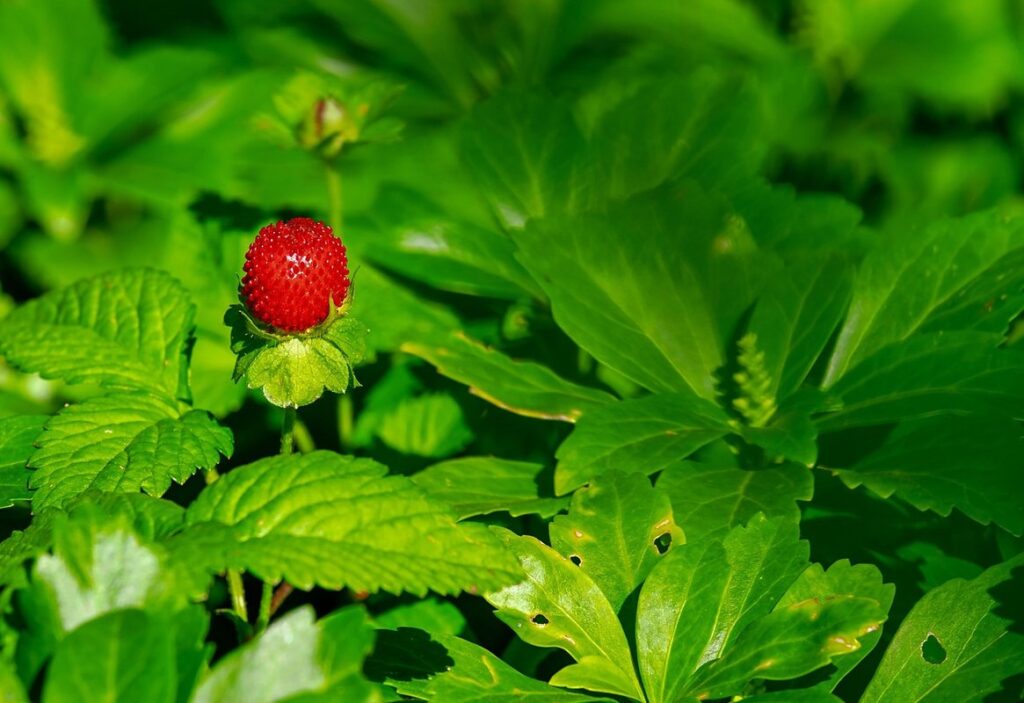
With so many strawberry varieties out there, it’s essential to understand how their growth habits impact ideal planting distances for a thriving garden. Let’s explore some of these variations up close.
Determining the Right Variety for Your Garden
When it comes to planting strawberries, choosing the right variety is crucial for optimal growth and yield. There are three main types of strawberry varieties: June-bearing, everbearing, and day-neutral strawberries. Each type has its unique characteristics that affect planting distances.
June-bearing strawberries produce one large crop in the spring, typically around May or June. These plants require more space between them, as they spread out significantly after blooming. A general rule is to plant June-bearing strawberries 18-24 inches apart, allowing for good air circulation and access for maintenance.
Everbearing strawberries, on the other hand, produce smaller crops throughout the growing season. They don’t need as much space as June-bearing varieties, and can be planted closer together, about 12-18 inches apart. This compact growth habit makes them ideal for small gardens or containers.
Day-neutral strawberries are a versatile variety that produces flowers and fruits continuously throughout the growing season, regardless of day length. They require even less space than everbearing strawberries, with a minimum planting distance of 6-12 inches. By understanding your strawberry variety’s unique needs, you can optimize planting distances for a bountiful harvest.
Considerations for Container and Indoor Growing
When growing strawberries in containers or indoors, it’s essential to consider their specific needs. Strawberries grown in these environments often require more attention and care compared to those planted directly in the ground.
Firstly, light requirements are crucial for container-grown strawberries. Most varieties need at least 6 hours of direct sunlight per day, but some can tolerate partial shade. If you’re growing indoors, ensure your strawberry plants receive sufficient LED grow lights or supplement natural light with mirrors. Monitor temperature fluctuations closely; ideal temperatures range from 60°F to 75°F (15°C to 24°C) during the day and around 55°F (13°C) at night.
Regular watering is also vital for container-grown strawberries, as the soil can dry out quickly in confined spaces. Water when the top inch of soil feels dry to the touch, but avoid overwatering, which can lead to root rot. Maintain a consistent watering schedule and ensure good air circulation around the plants.
Fertilization, pruning, and pest management should also be addressed specifically for container-grown strawberries. Research the needs of your variety and provide targeted care accordingly.
Planning Your Strawberry Bed
When planning your strawberry bed, it’s essential to consider not just the space available but also how to arrange the plants for optimal growth and fruit production. Let’s dive into creating a well-planned strawberry bed layout.
Assessing Your Garden’s Space and Climate
When planning your strawberry bed, it’s essential to assess your garden’s space and climate. This will help you determine the ideal planting distances for optimal growth and productivity.
Start by evaluating your garden’s sunlight exposure. Strawberries need at least six hours of direct sunlight per day, so if your garden receives less than this, you may want to consider a different location or variety that tolerates partial shade. Also, consider the wind direction in your garden. Strawberries are sensitive to strong winds, which can cause damage and reduce yields.
Next, take stock of your garden’s space. How much room do you have available for your strawberry bed? Consider not only the mature size of the plants but also any support systems you may need, such as trellises or cages. For example, if you’re growing alpine strawberries, which are compact and spreading, you can plant them closer together (around 12-18 inches apart) than larger varieties like ever-bearing strawberries.
In addition to space and sunlight, consider your garden’s climate. Strawberries thrive in cooler temperatures, typically between 40°F and 70°F (4°C and 21°C). In areas with hot summers or cold winters, you may need to provide additional support, such as mulching or using row covers, to protect your strawberry plants.
Now that you have a better understanding of your garden’s space and climate, it’s time to think about the specific planting distances for strawberries.
Choosing the Right Location for Your Strawberry Patch
When choosing the right location for your strawberry patch, it’s essential to consider several factors that will impact your plant’s growth and productivity. First and foremost, think about sunlight exposure. Strawberries need full sun to produce well, so select a spot that receives at least six hours of direct sunlight per day.
Another crucial factor is wind direction. Strawberries are susceptible to wind damage, which can cause plants to become disfigured and reduce yields. Try to position your patch in an area that provides some natural protection from strong winds. Consider planting near a fence or other barrier to block harsh gusts.
It’s also vital to consider the competition for resources like water and nutrients. Planting strawberries too close to other vegetables, trees, or shrubs can lead to reduced growth and lower yields. Leave enough space between your strawberry patch and neighboring plants to ensure each plant receives its fair share of resources.
In general, a location with well-draining soil and a slightly acidic pH (around 5.5-6.5) is ideal for strawberries. If you have heavy clay or sandy soil, consider amending it before planting. Remember, the right location can make all the difference in your strawberry patch’s success.
Calculating Planting Distances
Now that we’ve discussed the importance of spacing, let’s dive into the math behind calculating planting distances to ensure a healthy and thriving strawberry patch. We’ll cover the formulas you need to know.
Recommended Spacing for June-Bearing and Everbearing Strawberries
When it comes to planting distances for strawberries, the specific variety is crucial in determining the optimal spacing. June-bearing and Everbearing strawberry varieties have different requirements.
For June-bearing strawberries, which produce a single large crop in the summer, a row spacing of 3-4 feet (90-120 cm) apart is recommended. This allows for good air circulation and sunlight penetration to promote healthy growth and fruiting. Within each row, plants should be spaced 12-18 inches (30-45 cm) apart to ensure proper development and reduce competition for resources.
Everbearing strawberries, on the other hand, produce smaller crops throughout the growing season. To accommodate their denser habit, rows can be spaced as close as 2-3 feet (60-90 cm) apart. Plants within each row should still be spaced at least 12 inches (30 cm) apart to allow for adequate growth and air circulation.
Ultimately, plant density will also impact strawberry yields and overall health. A general rule of thumb is to plant 5-6 plants per square foot in rows that are 3 feet apart, or 7-8 plants per square foot in rows that are 2 feet apart.
Considerations for Day-Neutral and Albion Strawberries
When growing day-neutral and Albion strawberries, it’s essential to consider their unique characteristics. Day-neutral varieties, as their name suggests, produce flowers regardless of daylight hours, but they still require a certain distance between plants to ensure proper air circulation and prevent disease spread.
A common planting density for day-neutral strawberries is 12-18 inches apart, with rows spaced 3-4 feet apart. However, this can be adjusted based on the specific variety and growing conditions. For example, ‘Albion’ strawberries, a popular day-neutral variety, thrive in rows spaced 2-3 feet apart with plants 12-15 inches apart.
It’s also crucial to consider soil quality and fertility when planting day-neutral and Albion strawberries. These varieties prefer well-draining, rich soils that are high in organic matter. Be sure to test your soil before planting and amend it as necessary.
When calculating the optimal planting distance for your day-neutral or Albion strawberries, remember that these varieties tend to produce runners, which can spread out over time. Planting them closer together can help control this spread and prevent overcrowding.
Planting Strategies for Optimal Growth
To get the most out of your strawberry patch, you’ll want to consider planting strategies that promote optimal growth and maximize yields. In this section, we’ll explore key techniques for achieving these goals.
Companion Planting and Intercropping
Companion planting and intercropping are essential strategies to promote healthy growth and optimal yields for strawberries. By growing strawberries alongside complementary plants, you can create a balanced ecosystem that minimizes pests and diseases while maximizing nutrients. For example, basil and mint repel pests like aphids and spider mites, which can be detrimental to strawberry plants.
Some optimal crop combinations to try include planting nasturtiums or marigolds alongside your strawberries. These flowers repel nematodes, a common problem in strawberry cultivation, and also attract beneficial insects that prey on pests. Other suitable companions for strawberries include chamomile and borage, which improve pollination rates and reduce stress on the plants.
To get started with companion planting and intercropping, choose crops that have different growth habits and mature times to ensure a diverse and resilient ecosystem. For instance, you can plant tall flowers like sunflowers or dahlias behind your strawberry bed to provide shade and attract beneficial insects without competing for space. By incorporating these strategies into your strawberry patch, you’ll not only enhance their growth but also create a more biodiverse and thriving garden ecosystem.
Mulching and Soil Preparation Techniques
When it comes to growing delicious and healthy strawberries, proper soil preparation is key. Mulching and soil care play a crucial role in creating an environment that’s conducive to optimal growth. To start, you’ll want to maintain the right pH balance for your strawberry plants. The ideal range for strawberries is between 5.5 and 6.5. You can test your soil pH using a DIY kit or consult with a local nursery professional.
To adjust the pH, you can add elemental sulfur to lower it or lime to raise it. Be sure to follow the manufacturer’s instructions carefully and take necessary precautions when handling these products.
In addition to pH balance, nutrient-rich mulch is essential for maintaining soil health. Use a mix of organic materials such as compost, well-rotted manure, or leaf mold to provide your strawberry plants with vital nutrients like nitrogen, phosphorus, and potassium. Regularly top-dress the soil with fresh mulch to replenish these resources.
Another technique worth mentioning is companion planting. Some plants, like marigolds and nasturtiums, release chemicals that repel pests and diseases, naturally protecting your strawberry crop from damage.
Common Mistakes and Troubleshooting
We’ve covered the ideal planting distances for strawberries, but what if things don’t go as planned? This section helps you troubleshoot common issues and mistakes.
Identifying Common Problems with Planting Distances
When planting strawberries, it’s not just about choosing the right variety and giving them enough sunlight. Planting distances can make a significant difference in their growth, productivity, and overall health. One common problem that arises from incorrect planting distances is reduced yields.
If strawberries are planted too close together, they may compete with each other for water, nutrients, and light. This can lead to weaker plants that produce fewer fruits, resulting in lower yields. On the other hand, if strawberries are planted too far apart, the soil may become depleted of nutrients before the next planting, further reducing yields.
Another issue that can arise from incorrect planting distances is increased susceptibility to disease. When strawberries are crowded together, they create an ideal environment for diseases like powdery mildew and botrytis to spread quickly. This can lead to widespread damage and even kill off entire patches of plants.
To avoid these problems, it’s essential to plant strawberries at the right distance. A general rule of thumb is to space strawberry plants 18-24 inches apart, depending on the variety and growing conditions. By planting them far enough apart, you’ll give each plant room to grow and thrive, resulting in healthier and more productive plants.
Solutions and Workarounds for Problematic Strawberry Beds
If you’re experiencing issues with your strawberry bed, such as overcrowding, disease susceptibility, or reduced yields, don’t worry – we’ve got solutions and workarounds to help you get back on track. One effective way to address these problems is by adjusting the planting density of your strawberries.
For instance, if your strawberries are too close together, it’s likely causing them to compete for resources like water, nutrients, and light. To fix this, consider thinning out your plants to 12-18 inches apart (depending on the variety). This will give each plant enough space to grow and produce without competing with its neighbors.
Another common issue is soil conditions that are not ideal for strawberry growth. Check if your soil is too compacted or lacking in organic matter. To address this, add a layer of compost or well-rotted manure to improve soil structure and fertility. You can also consider using raised beds or containers to give your strawberries better drainage and root growth.
By implementing these adjustments, you’ll be able to identify the root causes of problems in your strawberry bed and take corrective action.
Frequently Asked Questions
Can I mix different types of strawberry varieties together?
Yes, you can plant multiple types of strawberries together, but it’s essential to consider their growth habits and space requirements. For example, June-bearing and day-neutral strawberries have different planting distances, so ensure you’re not overcrowding your bed. Research companion planting and intercropping techniques to create a harmonious strawberry garden.
How do I adjust planting distances for smaller spaces or containers?
In small gardens or containers, it’s crucial to prioritize air circulation and sunlight penetration. Planting distances may need to be adjusted to accommodate these limitations. Typically, you can plant strawberries 6-8 inches apart in containers, but this depends on the variety and container size.
Can I use raised beds for strawberry cultivation?
Yes, raised beds are an excellent option for growing strawberries, as they provide improved drainage, soil structure, and accessibility. When using raised beds, maintain a planting distance of about 12-18 inches between each strawberry plant to ensure optimal growth and air circulation.
What’s the best way to troubleshoot common problems with strawberry beds?
Common issues like overwatering or overcrowding can be addressed by inspecting your strawberry bed regularly. Check for signs of disease or pests, adjust watering schedules as needed, and consider pruning or thinning plants to maintain a healthy balance.
Can I plant strawberries in shade, and if so, how should I adjust planting distances?
While strawberries generally require full sun, some varieties can tolerate partial shade. If growing strawberries in shade, you may need to reduce planting distances to 6-8 inches apart to compensate for reduced growth rates due to limited sunlight. Research specific variety requirements for optimal results.