
Planting carrots from seed can be a bit more challenging than other vegetables, but with the right techniques, you can enjoy a bountiful harvest. Choosing the right variety is crucial, as some carrot seeds are specifically bred for home gardeners and will thrive in smaller spaces. Before planting, it’s essential to prepare your soil properly, ensuring it’s loose and free of rocks. In this article, we’ll walk you through every step of the process, from selecting the perfect seeds to caring for your seedlings and harvesting at just the right time. We’ll also share expert tips on how to prevent common pests and diseases that can affect carrots, so you can enjoy a stress-free growing experience. By following our guide, you’ll be well on your way to growing delicious, crunchy carrots from seed in no time.
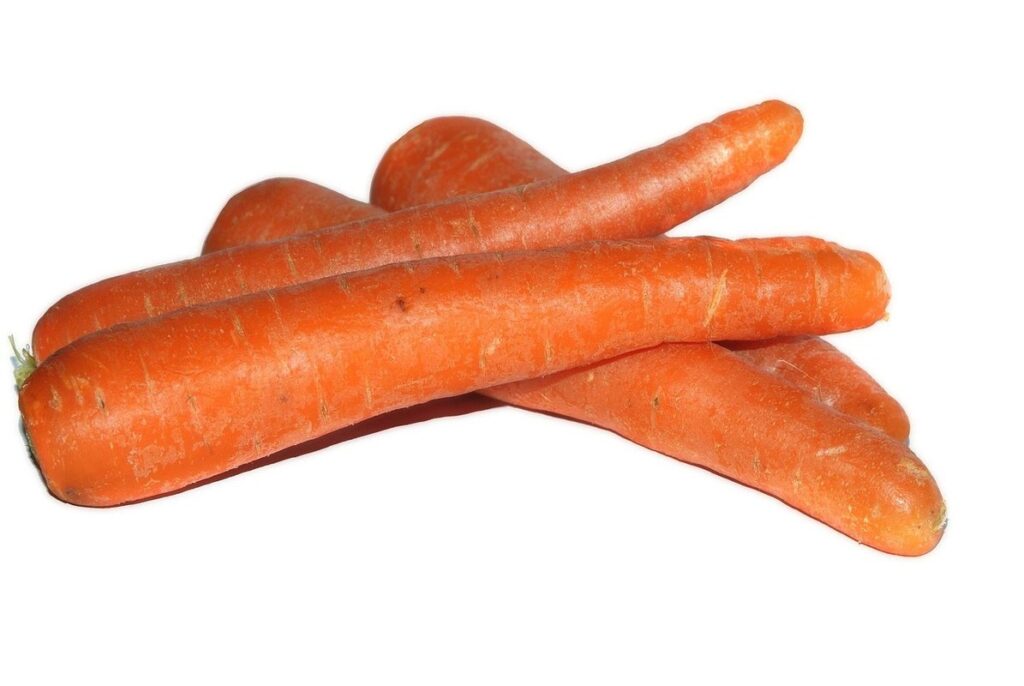
Choosing the Right Variety
When planting carrots from seed, selecting the right variety is crucial for optimal growth and flavor. Let’s explore the key factors to consider when choosing a carrot variety that suits your needs.
Understanding Carrot Types
Carrots come in an assortment of shapes, sizes, and colors. This variety is crucial to consider when selecting a type for your garden. Nantes carrots are slender, cylindrical, and typically between 6-8 inches long. They have a sweeter flavor profile compared to other varieties and mature relatively quickly – within 60 days.
Imperator carrots, on the other hand, are longer, thinner, and more elongated than Nantes. They can reach lengths of up to 9-10 inches, making them a popular choice for snacking and salads. Imperator carrots take around 70-75 days to mature.
Parisienne carrots, also known as ‘Paris Market’ or ‘Thumbelina’, are smaller in size compared to the other two varieties, typically measuring between 1-2 inches long. They have a more compact growth habit and are suitable for container gardens or small spaces. Parisienne carrots require about 60 days to mature.
When choosing a carrot variety, consider factors such as personal preference, climate conditions, and available space in your garden. These characteristics can help you decide which type of carrot is best suited for your needs.
Selecting a Disease-Resistant Variety
When selecting a variety of carrot to plant from seed, disease resistance is a crucial factor to consider. Carrots are susceptible to various diseases such as powdery mildew, leaf blight, and root rot, which can significantly impact your crop’s health and yield.
To minimize the risk of disease-related crop failure, look for varieties that have built-in resistance or tolerance to common carrot diseases. Some popular disease-resistant varieties include ‘Little Finger’, ‘Danver’, and ‘Thompson’s Milk Masher’. These varieties often carry specific designations such as ‘PMR’ (powdery mildew resistant) or ‘CR’ (carrot rust resistant).
When evaluating the disease resistance of a variety, consider factors like its growth habit, maturity period, and climate adaptability. For instance, if you live in an area with high humidity, selecting a variety with powdery mildew resistance can help prevent this common issue.
Ultimately, choosing a disease-resistant carrot variety will give your crop a better chance at success and reduce the need for fungicides or other chemical treatments. By doing your research and selecting the right variety, you’ll be well on your way to growing healthy, thriving carrots from seed.
Preparing the Soil
Before you start sowing those carrot seeds, it’s essential to prepare your soil for optimal growth. This involves loosening and aerating the soil to ensure even germination.
Testing Your Soil pH
Soil pH plays a crucial role in plant growth, and carrots are no exception. A pH level that’s too high or too low can lead to nutrient deficiencies and stunted growth. To ensure optimal conditions for your carrot seeds, it’s essential to test the soil pH.
You can purchase a DIY soil testing kit from most gardening stores or online retailers. These kits usually include test strips or a probe that you insert into the soil to measure its acidity level. Another option is to send a sample of your soil to a lab for analysis. This method provides more detailed results, but it’s also more expensive.
When interpreting the results, keep in mind that carrots prefer a slightly acidic to neutral pH range (6.0-7.0). If your soil pH falls outside this range, you may need to adjust it before planting. You can use lime to raise the pH or sulfur to lower it. It’s also worth noting that some carrot varieties are more tolerant of acidic soils than others.
By testing and adjusting your soil pH, you’ll be creating an optimal environment for your carrot seeds to grow strong and healthy.
Amending the Soil (if necessary)
Before you plant carrot seeds, it’s essential to assess your soil’s condition. Carrots prefer well-draining, fertile soil with a loose structure. If your soil lacks these characteristics, don’t worry – amending it is a straightforward process.
Organic matter like compost or aged manure can significantly improve the soil‘s fertility and structure. Mix 2-4 inches of compost into the top 6-8 inches of soil to create a conducive environment for carrots. Compost not only adds nutrients but also helps retain moisture, reducing the need for frequent watering.
If your soil is heavy clay or sandy, consider adding a balanced fertilizer like fish emulsion or bone meal. These natural fertilizers release slowly, providing a steady supply of nutrients throughout the growing season. Follow the manufacturer’s instructions to avoid over-fertilizing, which can lead to weak and deformed carrots.
Keep in mind that over-amending your soil can be detrimental. Start with a small amount of amendment and monitor your soil’s response before making further adjustments. This approach will help you achieve optimal conditions for carrot growth without compromising the health of your soil ecosystem.
Sowing Carrot Seeds
When sowing carrot seeds, it’s essential to plant them at the correct depth and spacing to give your crop the best start. Follow these steps for successful seed sowing.
Preparing the Seeding Bed
Before you start sowing carrot seeds, it’s essential to prepare the seeding bed. This involves creating a smooth, even surface with minimal debris to ensure optimal growth and development of your carrots.
Start by selecting a spot that receives full sun to partial shade, depending on your climate. Carrots need at least six hours of direct sunlight per day to mature properly. If your soil is prone to waterlogging or has poor drainage, choose a spot with well-draining conditions to prevent root rot.
Next, remove any debris, rocks, and weeds from the bed. Use a rake or hoe to loosen the top 2-3 inches of soil, breaking up any clods or compacted areas. This will help improve air circulation, reduce soil-borne diseases, and create an even surface for sowing seeds.
Check the pH level of your soil and adjust it if necessary. Carrots prefer a slightly acidic to neutral soil pH (around 6.0-7.0). If your soil is too alkaline or acidic, it may affect nutrient availability and lead to poor growth.
Now that you’ve prepared the bed, make sure it’s moist but not waterlogged. Apply a thin layer of compost or well-rotted manure to improve soil structure and fertility. This will give your carrot seeds the best chance to germinate and grow strong roots.
Sowing Seeds Correctly
When sowing carrot seeds, it’s essential to get them off to the right start by providing the correct spacing and depth. A general rule of thumb is to sow seeds ¼ inch deep and ¼ inch apart. However, some varieties may require slightly different spacings or depths, so be sure to check the seed packet for specific instructions.
For example, if you’re growing ‘Thumbelina’ or other compact varieties, you can sow seeds as close as 1-2 inches apart. On the other hand, larger varieties like ‘Danver’s Half-Long’ may require up to 3 inches of spacing between seeds. It’s also worth noting that carrots grown in containers will typically need more space than those grown directly in the ground.
In addition to proper spacing and depth, some carrot varieties are more tolerant of warmer or cooler soil temperatures than others. For instance, ‘Little Finger’ can be direct-sown as soon as the soil has warmed up to 55°F (13°C), while ‘Imperator’ prefers a slightly cooler start at around 50°F (10°C). Make sure to research your specific variety’s requirements to ensure optimal germination and growth.
Caring for Carrot Seedlings
Now that you’ve sown your carrot seeds, it’s essential to provide them with the right care to ensure they grow into strong and healthy seedlings. Let’s dive into the specifics of caring for your young carrots.
Thinning and Pruning
As your carrot seedlings begin to sprout and grow, it’s essential to thin them out to prevent overcrowding. If left unchecked, seedlings will start competing with each other for water, nutrients, and light, which can lead to weakened growth and reduced yields.
To thin your carrot seedlings, wait until they have at least two sets of leaves. This is usually when they’re about 1-2 inches tall. Use scissors or a sharp knife to carefully snip off the weakest seedlings at soil level. Make sure not to damage any nearby plants by gently working from one side of the row to the other.
When thinning, aim for a spacing of around 1-2 inches between each remaining seedling. This will give them room to grow and develop properly without competing with their neighbors. Remember, it’s better to err on the side of caution and remove more seedlings than you think is necessary, as this will prevent overcrowding and ensure healthy growth throughout your carrot crop.
Watering and Mulching
Proper watering and mulching are crucial for carrot seedlings as they help retain moisture, suppress weeds, and regulate soil temperature. When it comes to watering, be cautious not to overwater, which can lead to rot and other problems. Instead, water the seedlings gently but thoroughly once or twice a week, depending on weather conditions.
To maintain adequate moisture levels, apply a 2-3 inch layer of organic mulch around the seedlings. This can include straw, bark chips, or wood shavings. As the mulch breaks down, it will act as a natural fertilizer and retain water in the soil. Mulching also helps suppress weeds by blocking light from reaching them.
As for which type of mulch to use, consider materials that are pH-neutral and won’t compete with carrot seedlings for nutrients. For example, peat moss or coconut coir can be effective options. Avoid using pine straw, as it may contain acidic compounds that can harm carrots.
Monitoring and Controlling Pests and Diseases
As your carrot seedlings grow, it’s essential to keep an eye out for pests and diseases that can damage them. We’ll walk you through how to monitor and control common issues.
Common Carrot Pests (e.g., rabbits, carrot flies)
Carrots are a favorite snack for many garden pests, including rabbits, carrot flies, and nematodes. These pests can cause significant damage to your carrot crop if not managed properly. To prevent infestations, consider using repellents such as hot pepper spray or garlic spray around the plants. You can also create barriers like fine mesh or fine netting to keep rabbits out.
If you live in an area prone to carrot flies, use yellow sticky traps or pheromone traps to capture adult flies and prevent them from laying eggs on your carrots. Biological controls such as introducing natural predators of carrot flies, like parasitic wasps, can also be effective. Nematodes, which are microscopic worms that attack carrot roots, can be controlled by using resistant varieties or applying nematicides.
Regular monitoring is key to preventing pest infestations. Check your plants regularly for signs of pests, such as small holes in the leaves or tiny tunnels on the root surface. By taking proactive measures and staying vigilant, you can protect your carrot crop from common pests and enjoy a healthy harvest.
Recognizing and Managing Carrot Diseases (e.g., powdery mildew, root rot)
As you nurture your carrot crop from seed, be on the lookout for common diseases that can weaken and disfigure your plants. One of the most prevalent issues is powdery mildew, a fungal disease that appears as a white, powdery coating on leaves. If left unchecked, it can spread rapidly and cause significant yield loss.
To manage powdery mildew, start by practicing good sanitation: remove any infected plants or debris from the area to prevent the fungus from spreading. Next, consider using fungicides specifically designed for carrots. Organic options like copper-based or sulfur-based products are effective and environmentally friendly. If you’re growing a variety that’s prone to this disease, look into resistant varieties as a long-term solution.
Root rot is another major concern, often caused by overwatering or poor drainage. To prevent it, ensure your soil has good structure and adequate water penetration. Avoid watering at night, when moisture can sit on the leaves and encourage fungal growth.
Harvesting Your Carrots
Now that you’ve successfully grown your carrots, it’s time to bring them in and enjoy their sweet, crunchy goodness. Here’s how to harvest them at the perfect time for peak flavor and texture.
Knowing When to Harvest
As you wait for your carrot crop to mature, it’s essential to know when they’re ready for harvest. Inspect your carrots regularly by gently digging around the base of each plant with a fork. Check for the size, color, and texture of the carrots.
A good indicator is the size: most varieties of carrots are ready to be harvested when they reach between 1/2 inch to 1 inch in diameter. However, some compact or baby carrot varieties may be ready at half that size. Keep an eye out for any signs of over-maturity, such as a split or cracked surface, which can make the carrot more susceptible to spoilage.
When checking color, look for a deep orange hue – this is usually a sign that the carrots are fully mature and have absorbed all the necessary sugars from the sun. If you notice any greenish tint near the crown of the carrot, it’s likely not yet ready. As for texture, firmness is key: gently grasp a carrot at its base, if it feels hard and smooth to the touch, it’s probably time to harvest.
Remember, carrots continue to grow underground even after they’re above ground, so don’t delay in checking for readiness – over-ripened carrots can become woody or develop an unpleasant flavor.
Handling and Storing Harvested Carrots
When you’ve finally harvested your homegrown carrots, it’s essential to handle and store them properly to maintain their quality and shelf life. First, gently wash the carrots under cold running water to remove any dirt or debris. This will help prevent moisture from accumulating and causing rot.
Next, dry the carrots thoroughly with a clean towel or paper towels to remove excess moisture. This step is crucial in preventing mold and bacterial growth. You can also use a salad spinner to quickly and efficiently dry your carrots.
For long-term storage, keep the dried carrots refrigerated in a sealed container or plastic bag. Store them in the crisper drawer where they’ll maintain optimal humidity levels. Carrots can be stored for up to 3-4 months when kept refrigerated at a consistent temperature below 40°F (4°C).
To extend their shelf life further, consider storing your carrots in a root cellar or a cool, dark place with consistent ventilation. This will allow them to stay fresh for several months. Regularly check on your stored carrots and remove any that show signs of spoilage to prevent the spread of decay.
Frequently Asked Questions
What is the ideal spacing for planting carrot seeds?
The ideal spacing for planting carrot seeds depends on the variety, but generally, you should sow them ¼ to ½ inch deep and ¼ to 1 inch apart. This allows for proper growth and development without overcrowding.
Can I grow carrots in containers if I have limited space?
Yes, you can grow carrots in containers as long as they are at least 6-8 inches deep to accommodate the taproot. Use a well-draining potting mix and follow the same sowing instructions as for in-ground gardening.
How do I prevent carrot flies from infesting my crop?
Carrot flies can be prevented by using fine mesh or fine netting to cover your plants, applying row covers, or introducing beneficial nematodes into the soil. Regularly inspecting your plants and removing any affected areas will also help control their spread.
Can I grow different varieties of carrots together in the same bed?
While it’s possible to grow multiple varieties of carrots together, they should not be too closely related or have similar growth habits. This can lead to overcrowding and increased competition for resources. It’s best to choose complementary varieties that thrive in close proximity.
How do I store harvested carrots to keep them fresh for a longer period?
Harvested carrots should be stored in a cool, dark place with high humidity to maintain their freshness. You can also store them in the refrigerator or a cold cellar to prolong their shelf life. Avoid washing them before storage, as excess moisture can lead to rot and decay.