
If you’re looking to add some vibrant colors and beauty to your garden, planting bulbs is an excellent way to start. Whether you’re a seasoned gardener or just beginning, choosing the right bulbs for your climate and soil type can be overwhelming. But don’t worry, with our expert guide, you’ll learn how to choose, plant, and care for bulbs like tulips, daffodils, and hyacinths with ease.
In this article, we’ll walk you through the step-by-step process of planting bulbs, from preparing your soil to watering and caring for them. We’ll also share expert tips on how to ensure that your bulbs thrive and come back year after year. By following our guide, you’ll be able to enjoy stunning blooms in no time, adding a pop of color and vibrancy to your garden. So let’s get started and discover the world of planting bulbs together!
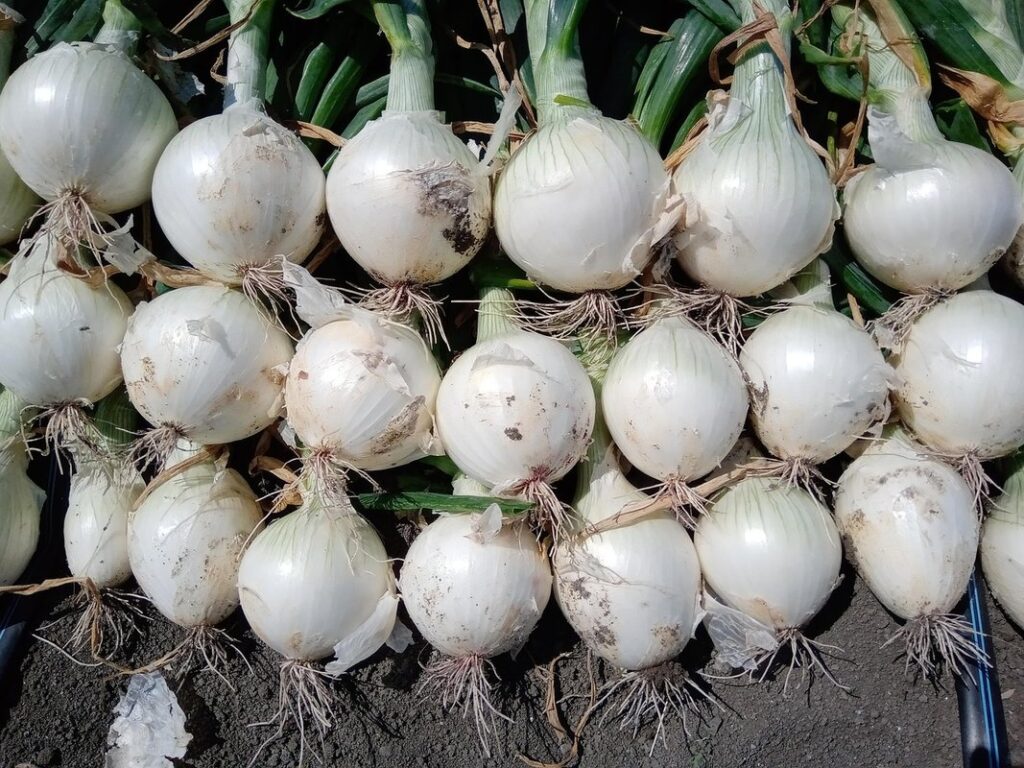
Choosing the Right Bulbs
When it comes time to planting bulbs, selecting the right ones for your garden is crucial. This section will walk you through the process of choosing bulbs that thrive in your specific climate and environment.
Selecting the Right Type of Bulb
When it comes to selecting the right type of bulb for your garden, there are numerous options available. Each variety has its unique characteristics, growth habits, and flowering times, making some more suitable for specific climates or soil types.
Tulips, for instance, are a popular choice due to their vibrant blooms and ability to thrive in well-drained soil. They come in a range of varieties, including Darwin Hybrids, Fosteriana Tulips, and Lily-Flowered Tulips. Daffodils, on the other hand, are known for their trumpet-shaped flowers and ability to naturalize over time.
Hyacinths are another popular option, with fragrant blooms that can be used in cut flower arrangements. These bulbs prefer well-drained soil and full sun. Other types of bulbs worth considering include Crocus, Grape Hyacinth, and Snowdrops, which can add a touch of early spring color to your garden.
Before making a selection, consider the specific needs of each bulb variety, including their light, water, and soil requirements. This will ensure you choose the right type for your climate and garden conditions.
Considering Climate and Hardiness
When choosing bulbs, it’s essential to consider your climate and region. This will ensure that you select varieties that can thrive in your specific environment. One key factor is temperature tolerance: some bulbs are sensitive to extreme cold or heat, while others can handle a wider range of temperatures.
Check the USDA Hardiness Zone Map to determine your area’s hardiness zone. For example, if you live in zone 5, you’ll want to choose bulbs that can tolerate at least -20°F (-28°C) temperatures. Some popular bulb varieties for cooler climates include tulips and daffodils.
Moisture requirements are another crucial consideration. Bulbs need adequate water during the growing season but should be dry during dormancy. Be sure to research the specific needs of your chosen bulbs, as some require consistent moisture while others prefer well-drained soil.
By taking these climate and hardiness factors into account, you’ll be able to select bulbs that will flourish in your garden. Remember to also consider local weather patterns, such as frost dates, to ensure a successful bulb-planting experience.
Preparing the Soil
Before you start planting bulbs, it’s essential to prepare the soil properly. This involves loosening and aerating the ground to ensure optimal growing conditions for your new bulbs.
Testing and Amending Your Soil
Before you start planting those beautiful bulbs, it’s essential to test and amend your soil. You see, most bulbs are sensitive to extreme pH levels and nutrient deficiencies, which can hinder their growth and even lead to poor flowering or die-off. To ensure your bulbs thrive, you need to understand what your soil is like.
First, let’s talk about testing the pH level of your soil. You can purchase a DIY soil test kit from most gardening stores or online. These kits usually include a small device that changes color depending on the pH level. The ideal pH range for bulbs is between 6.0 and 7.0, so if you’re outside this range, you’ll need to take corrective action.
Common nutrient deficiencies in soils include nitrogen, phosphorus, and potassium. You can test your soil for these nutrients using a separate kit or by sending a sample to a laboratory. Once you know what’s lacking, you can amend the soil with organic matter like compost or manure tea. For example, if your soil is deficient in phosphorus, you can add bone meal or rock phosphate to provide the necessary nutrients. By testing and amending your soil, you’ll give your bulbs the best possible start in life.
Creating a Well-Draining Bed
When planting bulbs, creating a well-draining bed is essential for healthy growth. Waterlogged soil can lead to rot and other issues that may prevent your bulbs from blooming. Good drainage also promotes strong root development, which is vital for the overall health of your plants.
To create a well-draining bed, start by adding organic matter like compost to improve soil structure. A 2-3 inch layer of compost will help break up clay soils and retain moisture in sandy ones. Mix it into the top 6-8 inches of soil to create a well-balanced mix. You can also add perlite or sand to increase drainage, especially if your soil is heavy clay.
For example, adding 20% perlite to your potting mix will significantly improve water retention and prevent root rot. If you’re working with a raised bed, consider incorporating a layer of coarse gravel or broken pottery at the bottom for extra drainage. This simple step will make all the difference in the success of your bulb planting endeavors.
Planting the Bulbs
Now that you’ve selected your bulbs and prepared the soil, let’s dive into the process of planting them for a beautiful display next spring. We’ll walk through the step-by-step process to ensure successful bulb planting.
Correct Planting Depth and Spacing
When planting bulbs, it’s essential to get the depth and spacing just right. This might seem like a straightforward process, but it can make all the difference in determining whether your bulbs thrive or struggle. When considering root development, remember that most bulbs need their roots to be planted at a depth of 2-3 times their height.
For example, if you’re planting a tulip bulb that’s around 3 inches tall, make sure to plant it about 6-9 inches deep in the ground. This allows for the roots to grow downwards without any restrictions, giving your bulb room to absorb the necessary nutrients and water.
It’s also crucial to place the crown (the point where the stem meets the roots) at or just above the soil surface. If you plant it too deeply, the crown may rot before the bulb can produce a stem. Conversely, if the crown is exposed, it might dry out in hot weather. Aim for a balance by planting the crown about 1-2 inches below the soil surface.
In terms of spacing, most bulbs need to be planted about 3-6 inches apart from one another, depending on their type and growing conditions. Some varieties, like daffodils and hyacinths, can be planted closer together (about 2-3 inches), while others may require more space (around 4-6 inches).
Watering After Planting
Water is essential for bulb growth, and proper watering after planting can make all the difference between a vibrant bloom and a disappointing display. When you’ve finished planting your bulbs, it’s tempting to give them a good soaking to settle the soil into place. However, this can be counterproductive. Excessive water can cause the roots to rot, leading to weakened or even dead bulbs.
Instead, use a gentle watering approach that allows the soil to settle naturally. Water the bulbs just enough to moisten the soil around them. Avoid overwatering by checking the soil’s moisture level regularly. If the top inch of soil feels dry to the touch, it’s time for another gentle watering.
A good rule of thumb is to water your bulbs during their dormant period, and only when the weather has been particularly dry. This approach will help prevent root rot while still providing enough moisture to support healthy growth.
Caring for Your Bulbs
To ensure your bulbs thrive, it’s essential to provide them with proper care after planting. This includes watering, fertilizing, and protecting from pests.
Mulching and Deadheading
Mulching around your bulbs provides several benefits that can enhance their growth and health. One of the primary advantages is that it helps regulate soil temperature fluctuations. This is especially crucial during extreme weather conditions, as sudden changes in temperature can shock the bulb and affect its ability to bloom. Mulch also retains moisture, reducing the need for frequent watering and minimizing the risk of overwatering.
When it comes to encouraging re-blooming, deadheading is an essential technique. Remove spent flowers as soon as they fade, making sure to cut back the stem to within a few inches of the bulb. This helps direct energy away from seed production and towards foliage growth. Regularly deadhead your bulbs throughout their blooming period to encourage multiple blooms.
For example, you can mulch around daffodils with a layer of straw or bark chips. For bearded irises, consider using a thinner layer of organic matter like pine needles.
Avoiding Common Problems
When planting bulbs, it’s essential to be aware of common problems that can affect their growth. Pests like rodents, mice, and voles are attracted to the underground storage organs, so take measures to protect your bulbs from these critters. Use physical barriers or repellents around the planting area to deter them.
Diseases such as rot and mold can also impact bulb health. This often occurs due to excessive moisture in the soil, so ensure proper drainage by incorporating organic matter like compost into the soil mix. Also, avoid overwatering, which can lead to root rot.
Extreme weather conditions can be another challenge for bulbs. Sudden temperature drops or prolonged heatwaves can cause damage. When planting, consider choosing varieties that are tolerant of your local climate conditions. For example, if you’re in a region prone to frost, select bulbs like tulips and daffodils that can withstand cooler temperatures.
Some common signs of disease or pest infestation include yellowing leaves, soft spots on the bulb, or holes chewed into the foliage. If you notice any of these symptoms, take action promptly by adjusting your care routine or applying fungicides as needed.
Forcing Bulbs Indoors
Forcing bulbs indoors allows you to enjoy your favorite flowers and plants year-round, even when they’re out of season outside. We’ll walk you through how to do it successfully in this next step.
Choosing the Right Bulbs for Forcing
When it comes to forcing bulbs indoors, not all varieties are created equal. Some bulbs are naturally better suited for this process than others, and choosing the right ones can make all the difference in achieving success. Two popular options for indoor forcing are hyacinths and tulips.
Hyacinths are a great choice because they’re relatively small in size and require minimal maintenance. They also have a natural propensity to grow upright, making them perfect for small pots or containers. When forcing hyacinths indoors, make sure to provide bright, indirect light and keep the soil consistently moist but not waterlogged.
Tulips, on the other hand, are slightly more finicky but can still thrive in indoor conditions. They require a bit more space than hyacinths and need to be planted deeper in their containers to allow for proper growth. It’s essential to choose varieties that are specifically bred for forcing indoors, as these will typically have shorter stems and blooms.
When selecting bulbs for indoor forcing, look for those with a higher “frost hardiness” rating, as these will be more tolerant of the cooler temperatures required during the forcing process. By choosing the right bulb variety and following proper care guidelines, you can enjoy beautiful blooms indoors even in the dead of winter.
Creating a Suitable Environment
To coax your bulbs into bloom indoors, you’ll need to create an environment that closely mimics their natural growing conditions. This means controlling the temperature, providing adequate light, and establishing a watering schedule.
Temperature control is crucial, as most forced bulbs thrive between 40°F and 70°F (4°C and 21°C). For spring-blooming bulbs like tulips and daffodils, temperatures around 50°F to 60°F (10°C to 15°C) are ideal. Winter-blooming bulbs, on the other hand, prefer cooler temperatures between 40°F and 55°F (4°C to 13°C).
When it comes to light exposure, most forced bulbs require indirect sunlight or supplemental lighting. A south-facing window can provide sufficient natural light for smaller bulbs, while larger ones may need additional lighting from grow lights.
Regular watering is essential for healthy bulb growth. Water your bulbs sparingly during the initial stages of forcing, then gradually increase the frequency as they start to sprout. Avoid overwatering, which can lead to rot and kill the bulb.
Troubleshooting Bulb Growth
If you’re having trouble getting your bulbs to grow, don’t worry – it’s not uncommon for issues to arise. This section will walk you through some common problems and their easy solutions.
Identifying Common Issues
Bulb growth issues can be frustrating and affect the overall appearance of your garden. One common problem is poor flowering, which may be due to inadequate sunlight, insufficient water, or improper planting depth. To address this issue, ensure that bulbs receive at least six hours of direct sunlight per day and maintain a consistent watering schedule.
Weak foliage can also indicate underlying problems. Pests like aphids, slugs, and snails can cause damage, while diseases such as tulip breaking virus or fungal infections can lead to weak or discolored leaves. Regularly inspect your bulbs for signs of infestation or disease, and take action promptly by using neem oil or insecticidal soap to control pests, or applying fungicides to combat diseases.
Other common issues include root rot, often caused by overwatering, and nutrient deficiencies resulting from poor soil quality. To prevent these problems, plant bulbs in well-draining soil and avoid overwatering. Consider incorporating organic matter like compost to improve soil fertility and structure.
Seeking Expert Advice
If you’ve been planting bulbs for a while and still can’t seem to get it right, don’t be afraid to seek expert advice. It’s a sign of intelligence and a willingness to learn that many experienced gardeners admire.
You might be wondering why seeking help is so important. The truth is, even with the best resources available online, there are some problems that require human expertise to solve. Local gardening experts, for example, can offer personalized advice based on your specific climate, soil type, and bulb variety.
To find a local expert, try visiting your nearby nursery or extension office. They often have experienced gardeners on staff who would be happy to provide guidance. You could also join online forums or social media groups dedicated to gardening in your area. These communities are filled with knowledgeable enthusiasts who are always willing to lend a helping hand.
When seeking advice, don’t hesitate to share as much detail as possible about the problem you’re experiencing. This will help the expert give you tailored guidance that addresses your specific needs.
Conclusion
Now that you’ve planted your bulbs, it’s essential to maintain the right conditions for them to thrive. Keep the soil consistently moist during the first growing season, but avoid overwatering, which can lead to rot and other issues. As the seasons change, be prepared to divide and replant your bulbs every few years to ensure their continued health. Don’t forget to enjoy the fruits of your labor – admire the vibrant blooms and consider cutting some of the flowers for arrangements or bouquets. With proper care and attention, your bulb garden will continue to provide beauty and charm for years to come. By following this comprehensive guide, you’ll be well on your way to creating a stunning display of color in your yard.
Frequently Asked Questions
What are the best bulbs to plant for beginners?
If you’re new to planting bulbs, consider starting with hardy, low-maintenance varieties like daffodils or hyacinths. These flowers are relatively easy to care for and require minimal maintenance, making them perfect for beginners.
Can I mix different types of bulbs in a single bed?
Yes! Mixing different bulb varieties can add visual interest and create a unique display of colors and textures. Just be sure to choose bulbs with similar growing conditions and space them accordingly to ensure each plant receives the right amount of sunlight and water.
How do I prevent rodents from eating my planted bulbs?
To deter rodents, consider using physical barriers like copper mesh or row covers around your bulb beds. You can also try repelling them with natural deterrents like garlic or hot pepper spray. Make sure to check on your bulbs regularly to catch any potential damage early.
What if I accidentally plant a bulb upside down – will it still grow?
No, planting a bulb upside down will likely prevent it from growing properly. Bulbs need to be planted with the pointed end facing upwards and the flat base facing downwards to allow for proper root development and flower growth. If you catch your mistake early, gently dig up the bulb and replant it correctly.
Can I plant bulbs in containers or do they require a garden bed?
Yes, you can definitely plant bulbs in containers! In fact, this is a great option if you have limited space or want to create a specific microclimate for your bulbs. Just make sure to choose a container with good drainage and follow the same planting and care instructions as you would for garden beds.