
Are you eager to grow your own delicious blueberries at home? Planting blueberry bushes can be a rewarding experience, but it requires some careful consideration. Before you start digging, you’ll want to make sure you’re choosing a variety that thrives in your local climate. Not all blueberry bushes are created equal, and some are more suited to warmer or cooler temperatures than others.
In this article, we’ll take you through the essential steps for planting and caring for your very own blueberry bushes. We’ll cover everything from soil requirements to common issues that can affect your harvest. From preparation to pruning, we’ll give you a comprehensive guide to growing these antioxidant-rich superfruits in your backyard or container garden. By following our expert advice, you’ll be well on your way to enjoying juicy, sweet blueberries right at home.
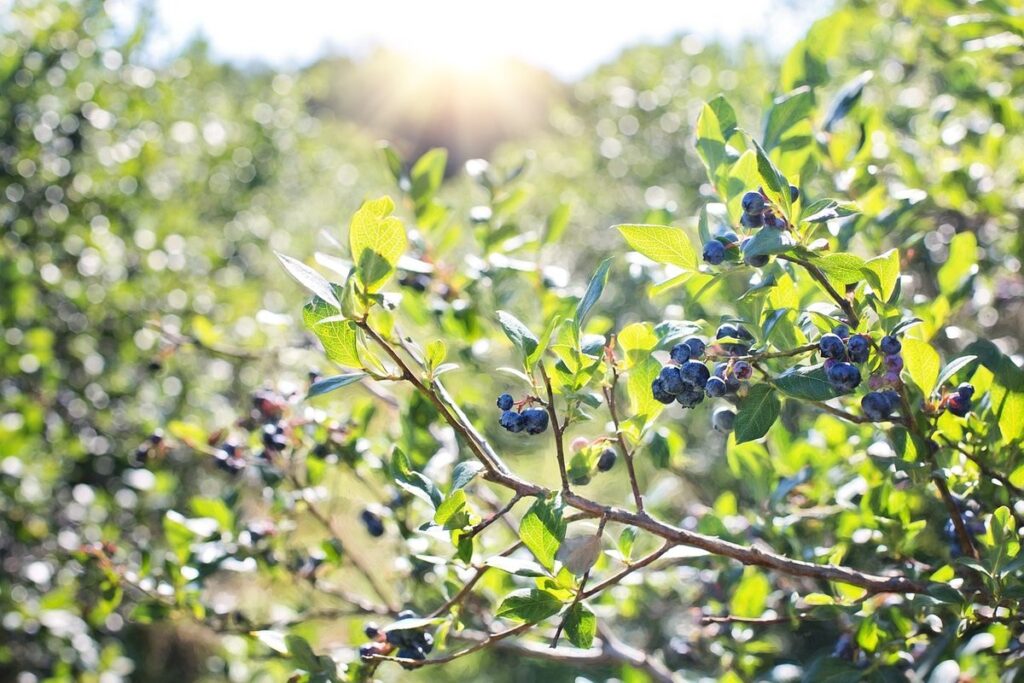
Choosing the Right Blueberry Variety
When it comes to planting blueberry bushes, selecting the right variety is crucial. You’ll want to choose a type that’s well-suited to your climate and meets your desired flavor profile.
Climate Considerations
When selecting blueberry bushes for your garden, it’s essential to consider the climate and region you’re in. Blueberries are generally classified as either cool-season or warm-season varieties, with specific needs and adaptations.
Cool-season varieties thrive in areas with mild winters and cooler summers. These types of blueberries do best in USDA Hardiness Zones 3-6, where temperatures rarely exceed 85°F (30°C). Examples include ‘Duke’ and ‘Bluecrop’, which are popular for their high yields and disease resistance. In these climates, plant your cool-season blueberries in the early spring or fall to avoid extreme heat stress.
Warm-season varieties, on the other hand, prefer warmer temperatures and can tolerate higher humidity levels. They excel in USDA Hardiness Zones 7-10, where summers are long and hot. ‘Rabbiteye’ and ‘Southern Highbush’ blueberries are well-suited for these climates. When planting warm-season varieties, choose a location with excellent air circulation to prevent disease.
By selecting the right blueberry variety for your climate and region, you’ll be more likely to enjoy a bountiful harvest of delicious, healthy fruit. Consider factors such as temperature tolerance, moisture requirements, and pest resistance when making your selection. This will help ensure your blueberries grow strong and thrive in their new home.
Soil Requirements
When it comes to planting blueberry bushes, the soil conditions play a crucial role in their growth and productivity. Blueberries require specific pH levels, drainage, and nutrient requirements to thrive.
The ideal pH range for blueberries is between 4.0 and 5.5, making them one of the few acid-loving plants. If your soil is too alkaline, it can lead to nutrient deficiencies, reduced growth, and even plant death. To check the pH level of your soil, you can purchase a DIY kit or send a sample to a lab for analysis.
Drainage is also essential, as blueberries don’t tolerate wet feet well. The roots should be planted in well-draining acidic soils with a mix of organic matter like peat moss or compost. Avoid planting in areas where water tends to collect, such as low-lying spots or against walls. For optimal growth, incorporate a 2-inch layer of acidic compost or fertilizer into the soil before planting.
In terms of nutrient requirements, blueberries need a balanced diet of nitrogen, phosphorus, and potassium. However, they’re also sensitive to over-fertilization, which can damage their roots and lead to disease susceptibility.
Space and Planting Density
When it comes to planting blueberries, getting the spacing right is crucial for their growth and productivity. A common mistake many gardeners make is overcrowding their blueberry bushes, which can lead to reduced yields, increased disease susceptibility, and a higher risk of pests.
To calculate the correct spacing between your blueberry plants, start by considering the mature size of each variety. A general rule of thumb is to plant them 3-4 feet apart for dwarf varieties and 6-8 feet apart for standard varieties. Keep in mind that this will also depend on the growth habits and spread of individual bushes.
Proper planting density has several benefits, including improved air circulation, better sunlight penetration, and easier access for maintenance and harvesting. This is especially important for blueberries, which require consistent moisture and regular watering to produce well. By giving them enough space to breathe, you’ll be providing the perfect conditions for healthy growth and a bountiful harvest.
Remember to also consider companion planting when selecting your blueberry varieties. Planting other berries or flowers alongside can help deter pests and attract beneficial pollinators.
Preparing the Site
Before you start planting those lovely blueberry bushes, it’s essential to prepare your site properly to ensure their optimal growth and future health. This involves clearing the land and selecting a suitable location.
Selecting a Sunny Location
When it comes to growing blueberries, sunlight is one of the most crucial factors. Blueberry bushes require full sun to produce an abundance of delicious fruit, so selecting a location with adequate sunlight is essential. In fact, blueberries need at least six hours of direct sunlight per day, but preferably 8-10 hours for optimal production.
To determine if your yard receives sufficient sunlight, observe the area between 9 am and 3 pm on a sunny day. This period typically offers the most intense sunlight, making it ideal for blueberry bushes. If you notice any shadows or areas with limited sunlight, consider relocating your bushes to a sunnier spot.
When choosing a location, also keep in mind the surrounding landscape. Avoid planting blueberries near tall trees or buildings that may cast shade on the area during peak sunlight hours. By selecting a sunny location, you’ll be setting your blueberry bushes up for success and ensuring a bountiful harvest of juicy berries.
Preparing the Soil
Before planting blueberry bushes, it’s crucial to prepare the soil for optimal growth. This involves testing and amending the existing soil to create an environment that meets the specific needs of these acid-loving plants. Start by collecting a small sample of soil from the planting area and send it to a lab for analysis. This will provide you with information on pH levels, nutrient content, and structure.
If your soil test reveals low acidity or high pH levels, it’s essential to make adjustments. Blueberries thrive in acidic soils with a pH between 4.5 and 6.0. To lower the pH, add elemental sulfur or aluminum sulfate according to the manufacturer’s instructions. On the other hand, if your soil is too alkaline, you can incorporate peat moss or compost to buffer the pH.
Incorporating organic matter like compost or well-rotted manure will also improve soil structure and fertility. Mix in a 2-inch layer of organic matter into the top 6-8 inches of soil before planting blueberry bushes. This will provide essential nutrients and help retain moisture, reducing the need for frequent watering.
Clearing the Area
Before you can plant your blueberry bushes, it’s essential to clear the area of any debris or weeds. This may seem like a simple task, but it’s crucial for healthy growth and disease prevention.
Start by removing any rocks, twigs, or other obstructions from the planting site. Use a garden fork to gently loosen the soil and break up any clods. If there are any large rocks or roots that can’t be removed, consider transplanting your blueberry bushes to a new location with better growing conditions.
Next, tackle any weeds in the area. Blueberries don’t compete well with other plants, so it’s best to create a weed-free zone around them. Use a combination of hand-pulling and mulching to remove existing weeds and prevent new ones from sprouting. Be sure to get rid of any weeds within a 3-foot radius of your blueberry bushes.
This may take some elbow grease, but clearing the area will pay off in the long run with healthier, more productive blueberry bushes.
Planting Blueberry Bushes
When planting blueberry bushes, selecting a suitable location and preparing the soil are crucial steps to ensure your bushes thrive and produce delicious fruit. Let’s dive into the specifics of each process.
Digging the Planting Hole
When it comes to planting blueberry bushes, digging the right size and depth of hole is crucial for their success. A hole that’s too small can lead to poor root growth, while one that’s too large can result in the soil washing away over time.
Aim to dig a hole that’s about 12-18 inches deep and 2-3 times wider than the bush’s root ball. This will give the roots enough room to spread out and establish themselves in the new soil. For smaller bushes, you may be able to get by with a slightly smaller hole, but it’s always better to err on the side of caution.
As for depth, blueberry bushes have a shallower root system than some other fruiting plants, so they don’t require as deep a hole. However, make sure the soil level is at least 1-2 inches above the crown of the bush to prevent water from collecting around the base and causing rot.
Remember, it’s also essential to choose a location with well-draining acidic soil that’s rich in organic matter. This will provide the necessary nutrients for healthy growth and fruit production.
Handling and Planting the Bushes
When handling and planting blueberry bushes, it’s essential to be gentle to avoid damaging their delicate roots. Start by carefully removing the bush from its container, taking care not to disturb the roots excessively. If the roots are wrapped in burlap or a root ball, gently remove any excess soil and trim any circling roots with a sharp knife.
When planting, choose a location that provides at least six hours of direct sunlight and has well-draining acidic soil. Dig a hole twice as wide and just as deep as the bush’s root system. Gently place the bush in the hole, making sure its crown (where the stem meets the roots) is level with the surrounding soil.
Backfill with a mixture of compost and peat moss to help maintain acidity and retain moisture. Water thoroughly after planting and keep the area consistently moist during the first growing season. Avoid compacting the soil around the roots, as this can restrict the bush’s ability to absorb water and nutrients.
Mulching and Watering
When it comes to planting blueberry bushes, mulching and watering are two crucial aspects that can make all the difference in their health and productivity. Mulch acts as a protective barrier around the plants’ roots, retaining moisture and suppressing weeds that compete with blueberries for water and nutrients.
To mulch effectively, spread 2-3 inches of organic mulch such as wood chips or bark around the base of your blueberry bushes, keeping it a few inches away from the plant’s crown. Keep in mind that too much mulch can cause moisture to accumulate near the roots, leading to root rot and other problems.
Proper watering techniques are equally important. Blueberries require about 1 inch of water per week, either from rainfall or irrigation. Water your blueberry bushes at the base, avoiding overhead watering that can lead to fungal diseases. Check the soil moisture by inserting a finger into the soil up to the first knuckle; if it feels dry, it’s time for watering.
Caring for Blueberry Bushes
Now that you’ve planted your blueberry bushes, it’s time to think about caring for them properly to ensure a bountiful harvest year after year. This section covers essential tips and tricks for optimal growth.
Fertilization and Pruning
Proper fertilization and regular pruning are crucial for the healthy growth of blueberry bushes. When it comes to fertilizing, timing is everything. Spring is an excellent time to fertilize blueberry bushes, as this allows them to absorb nutrients throughout the growing season. Use a balanced fertilizer that’s specifically designed for acid-loving plants like blueberries.
As for application methods, it’s essential to follow the instructions on the fertilizer package and avoid over-fertilizing, which can damage your plant. A general rule of thumb is to apply 1-2 pounds of fertilizer per year, depending on the size and age of your bushes.
Pruning is another critical aspect of blueberry care. Regular pruning not only promotes healthy growth but also encourages fruiting and prevents disease. Remove any dead or damaged branches, as well as crossing limbs that can rub against each other and cause damage. Cut back tips to encourage new growth and thin out the center of the plant to allow for better air circulation. Prune your blueberry bushes annually in late winter or early spring, before new growth begins.
Pest and Disease Management
Blueberry bushes are susceptible to various pests and diseases that can significantly impact their health and productivity. Some of the most common issues include aphids, spider mites, and fungal infections such as powdery mildew and botrytis. To prevent infestations, ensure your blueberries receive proper air circulation by spacing them 3-6 feet apart, depending on the variety.
Regularly inspect your plants for signs of pests or diseases, and take action promptly if you notice any issues. For example, aphids can be controlled using neem oil or insecticidal soap, while spider mites require more targeted treatments like permethrin sprays.
Fungal infections often require a combination of good cultural practices and fungicides. Improve soil drainage by incorporating organic matter like compost or well-rotted manure, and maintain optimal watering schedules to prevent excess moisture that can exacerbate fungal growth.
Seasonal Care Tasks
As you tend to your blueberry bushes throughout the year, it’s essential to perform various seasonal care tasks to ensure they remain healthy and productive. In spring, prune your blueberries by removing dead, diseased, or damaged branches, which will promote new growth and prevent disease from spreading.
Summer brings hot temperatures and high humidity, making it crucial to provide adequate water and fertilization for your bushes. Water them regularly, but avoid overwatering, which can lead to root rot and other issues. You may also need to stake newly planted blueberries to prevent wind damage. During this season, it’s also a good time to mulch around the base of your bushes to retain moisture and suppress weeds.
In fall, after the harvest, trim back any remaining fruiting branches to about 6-8 inches from the ground. This will help control pests and diseases by reducing the canopy’s size and promoting air circulation. You can also add a layer of compost or well-rotted manure around your blueberries to replenish nutrients in the soil.
During winter, protect your bushes from extreme cold temperatures and wind by applying a 2-inch layer of organic mulch, such as straw or wood chips, around their base. Avoid piling mulch against the trunk of the plant to prevent moisture buildup and potential rot issues. Regularly inspect your blueberries for signs of damage or disease, and take corrective action promptly to prevent long-term problems.
Troubleshooting Common Issues
Don’t worry if things don’t go as planned – we’ve got you covered. This section addresses common problems that may arise when planting blueberry bushes and how to fix them.
Identifying Causes of Poor Growth
If you’re noticing that your blueberry bushes aren’t growing as expected, it’s essential to identify the underlying causes. Poor growth can be attributed to several factors, starting with inadequate sunlight. Blueberries require at least 6 hours of direct sunlight per day to produce an abundance of fruit and maintain healthy foliage. If your plants are not receiving sufficient light, consider pruning nearby trees or shrubs to allow more sunlight to reach them.
Another common reason for poor growth is poor soil conditions. Blueberry bushes prefer acidic soils with a pH between 4.0 and 5.5. If your soil is too alkaline, it can stunt the growth of your plants. Test your soil’s pH level and amend it if necessary by adding elemental sulfur or peat moss.
Inadequate water supply can also hinder growth. Blueberry bushes need consistent moisture, especially when they’re producing fruit. However, overwatering can lead to root rot, so make sure not to overdo it. Finally, pests like aphids, whiteflies, and spider mites can weaken your plants and prevent them from growing well.
If you suspect any of these issues are affecting your blueberry bushes, inspect the plants thoroughly and take corrective action promptly to ensure they receive the necessary care for optimal growth.
Addressing Pests and Diseases
When planting blueberry bushes, it’s essential to be aware of common pests and diseases that can affect their health. Keep an eye out for signs of infestation or infection, such as white powdery mildew on leaves, black sooty mold on stems, or actual insects like aphids, spider mites, or scale.
To manage these issues effectively, consider using integrated pest management (IPM) techniques. IPM involves a combination of methods to minimize harm to the environment and your blueberry bushes while controlling pests. Start by inspecting your plants regularly for signs of stress or damage. If you detect any issues, use physical barriers like fine mesh or row covers to prevent further infestation.
For more severe problems, consider using organic or chemical controls. For example, neem oil can be used to control spider mites and aphids, while copper-based fungicides are effective against fungal diseases. Be sure to follow the product instructions carefully and always apply them in the evening to minimize drift onto nearby plants.
Improving Fruit Yield
If you’re struggling with low fruit yields from your blueberry bushes, don’t worry – it’s a common issue many gardeners face. Improving fruit yield requires attention to proper pollination techniques, pruning strategies, and nutrient balancing.
To ensure adequate pollination, plant at least two high-quality blueberry varieties that bloom simultaneously. This will encourage cross-pollination and increase your chances of getting more fruit. You can also try using a pollenizer or hand-pollinating the flowers for better results. However, keep in mind that some blueberry varieties are self-fertile, so make sure to check the specific needs of your plants.
Proper pruning is essential for maintaining healthy growth and promoting fruit production. Prune your blueberry bushes annually to encourage a strong central leader and remove any weak or diseased branches. Cut back the tips of new growth in late winter or early spring to encourage branching and more even fruiting. By combining proper pollination techniques with regular pruning, you can significantly improve the overall health and productivity of your blueberry bushes.
In addition to these measures, make sure your soil has the right balance of nutrients for optimal fruit production. Blueberries require acidic soils with a pH between 4.0 and 5.5. Test your soil regularly and amend it as needed with sulfur or other acidic fertilizers. By providing your blueberry bushes with the right growing conditions and regular maintenance, you can enjoy bountiful harvests of delicious homegrown fruit.
Frequently Asked Questions
Can I plant multiple blueberry bushes together, or should I space them apart?
Yes, it’s common to plant multiple blueberry bushes together, but be sure to maintain a spacing of at least 3-4 feet between each bush. This allows for proper air circulation and reduces the risk of disease.
How often do I need to water my blueberry bushes during their first year after planting?
Water your newly planted blueberries regularly, providing about 1 inch of water per week. Keep the soil consistently moist but not waterlogged, especially in warmer climates.
What’s the best mulch for blueberry bushes, and how much should I apply?
Organic mulches like pine straw or wood chips are excellent choices for blueberry bushes. Apply a 2-3 inch layer of mulch around your plants to retain moisture and suppress weeds. Replenish as needed to maintain coverage.
Can I grow blueberry bushes in containers, and what size containers work best?
Yes, you can grow blueberry bushes in containers! Choose a container that’s at least 12-18 inches deep and has drainage holes to accommodate the bush’s root system. Use a well-draining potting mix and follow the same care guidelines as for in-ground plants.
How long does it take for blueberry bushes to produce fruit after planting?
Blueberry bushes typically start producing fruit within 2-3 years after planting, but this can vary depending on factors like climate, soil quality, and bush variety. Be patient and provide optimal growing conditions to ensure a bountiful harvest.