
Are you looking to add a pop of color and unique charm to your garden or indoor space? Look no further than plants with stunning purple leaves! These extraordinary plants have captured the hearts of many plant enthusiasts, and it’s easy to see why. Not only do they add an instant wow factor to any room, but they’re also relatively low-maintenance and can thrive in a variety of conditions. In this article, we’ll delve into the world of purple-leaved plants, exploring their unique appeal, discussing how to care for them, and providing inspiration for incorporating these beautiful plants into your own space. Whether you’re a seasoned green thumb or just starting out, you’ll discover the secrets to making the most of these stunning plants.
Understanding the Appeal of Purple-Leaved Plants
So, you’re curious why purple-leaved plants have captured so many hearts? Let’s dive into what makes them unique and appealing to plant enthusiasts.
Why People Love Purple-Leaved Plants
Purple-leaved plants have become increasingly popular among gardeners and plant enthusiasts due to their unique aesthetic appeal. One of the primary reasons for this popularity is the visual interest they bring to gardens. Unlike green-leaved plants, which can sometimes appear dull or monotonous, purple-leaved plants add a touch of drama and sophistication to any space.
Their deep, rich colors not only add depth but also create a sense of contrast that draws the eye. Whether it’s the deep plum tones of Petunias or the vibrant magenta hue of Coleus, purple-leaved plants bring an element of excitement to gardens that is hard to replicate with more conventional foliage. This visual appeal is further enhanced by the often-variegated or intricate patterns found on some purple-leaved plant leaves.
As a result, gardeners and designers are incorporating purple-leaved plants into their designs with increasing frequency, often pairing them with greenery to create striking combinations that add a pop of color to spaces.
Benefits of Having a Purple-Leaved Plant in Your Garden
Having a purple-leaved plant in your garden can be a game-changer for its overall aesthetic appeal. Purple leaves bring a unique and striking touch to an otherwise green landscape, adding diversity and visual interest that’s hard to find elsewhere. Whether you’re aiming for a vibrant pop of color or seeking to create a calming atmosphere, purple-leaved plants can fit the bill.
Beyond their ornamental value, these plants also offer benefits for wildlife and ecosystem health. Purple flowers attract pollinators like bees and butterflies, which are essential for plant reproduction. By incorporating purple-leaved plants into your garden, you’re essentially creating a welcoming space for local pollinator populations to thrive. Additionally, some purple-leaved plants have fragrances that repel pests, reducing the need for pesticides and maintaining a balanced ecosystem.
Consider adding native purple-leaved species like Petunia or Salvia to your garden, as they not only offer vibrant hues but also support local biodiversity.
Identifying Plants with Purple Leaves: Common Examples
When it comes to identifying plants with beautiful purple leaves, you’ll want to know some of the most common examples that can be easily found in gardens and indoor spaces. Let’s take a look at a few popular varieties!
Types of Plants Known for Their Deep Purple Foliage
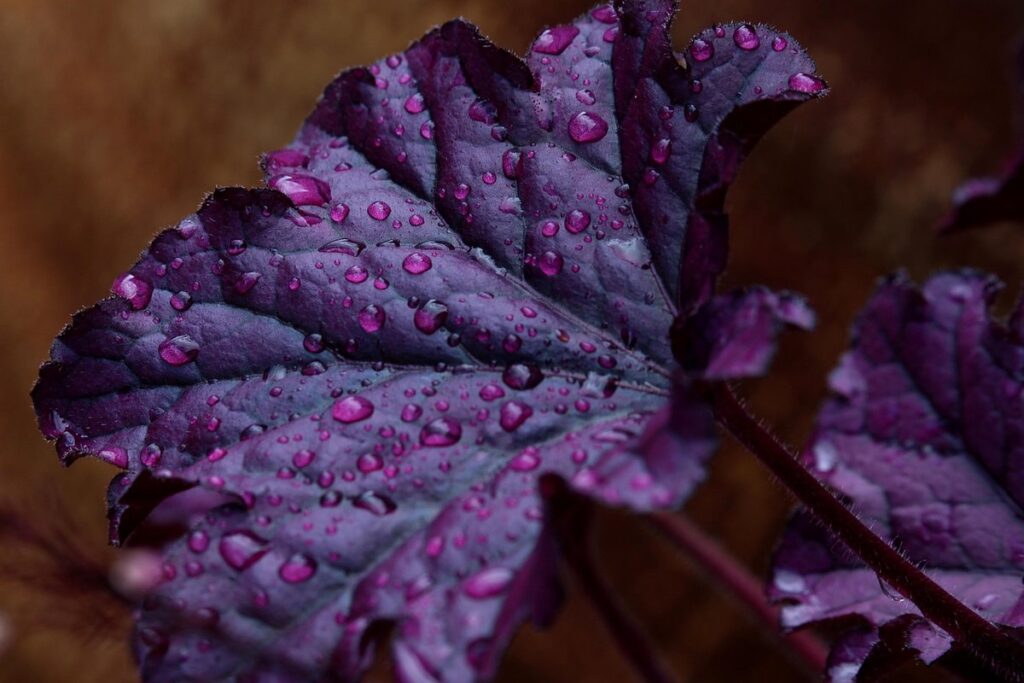
When it comes to plants with deep purple foliage, several species stand out from the crowd. Heuchera is a popular choice among gardeners and indoor plant enthusiasts alike. These plants come in a variety of colors, including deep purple shades such as ‘Plum Pudding’ and ‘Midnight Rose’. To add an extra layer of visual interest to your space, consider planting different varieties together to create a stunning display of purple hues.
Another show-stopper is the Purple Passion Plant (Gynura aurantiaca). This unique plant boasts deep purple leaves with soft, fuzzy stems that are almost velvety to the touch. With proper care and pruning, the Purple Passion Plant can thrive in indoor conditions and add a pop of color to even the most mundane room.
Some varieties of Coleus also boast striking deep purple foliage, often paired with vibrant colors like pink or yellow. When selecting a Coleus for your garden or indoor space, look for varieties that are compact and easy to care for, such as ‘Purple Prince’ or ‘Deep Purple’. By incorporating these plants into your decor, you’ll add depth and visual interest while enjoying the beauty of deep purple foliage all year round.
Other Plants with Smaller Amounts of Purple Tint
If you’re looking for plants that still offer a unique appearance but with less intense purple tint, there are several options to consider. One such example is the Begonia x hybrida, commonly known as the Begonia. While its leaves typically feature hints of green and white, they can occasionally display subtle undertones of purple.
Another plant worth exploring is Impatiens walleriana, also known as Busy Lizzie. This flowering annual often boasts leaves with a slight purplish tint, although it may not be as pronounced in some varieties. If you’re drawn to the subtle charm of plants with softer purple hues, these options might interest you.
When selecting either of these plants, keep in mind that their foliage color can sometimes fade or become more muted when exposed to direct sunlight. To preserve their unique appearance, consider placing them in partial shade or using sheer curtains to filter the light.
To further enhance the subtle beauty of these plants, pair them with complementary colors like terracotta pots or wooden planters to create a visually appealing display.
Care Instructions for Purple-Leaved Plants
To keep your purple-leaved plants thriving, it’s essential to follow specific care instructions that cater to their unique needs and requirements. We’ll walk you through what to do next.
Lighting Requirements for Healthy Purple Leaves
When it comes to providing optimal care for plants with stunning purple leaves, understanding their lighting requirements is crucial. Different types of plants have varying needs when it comes to direct sunlight, partial shade, and even shade preferences.
For instance, the Wandering Jew (Tradescantia fluminensis) thrives in bright, indirect light but can tolerate some direct sunlight, making it perfect for a sunny windowsill or a spot with filtered natural light. On the other hand, the Purple Passion Plant (Gynura aurantiaca) prefers high humidity and partial shade to maintain its vibrant purple foliage.
When selecting a plant with purple leaves, consider the lighting conditions in your home or office space. If you have a south-facing window that receives direct sunlight for most of the day, choose a variety like the Purple Heart Plant (Setcreasea purpurea) that can handle it. However, if you’re looking to add some drama to a shaded area, opt for a plant like the Purple Fountain Grass (Pennisetum setaceum ‘Rubrum’) that thrives in partial shade.
Remember to observe your plant’s response to different lighting conditions and adjust its placement accordingly. With proper care and attention, your purple-leaved plant will flourish and provide years of beauty and joy.
Watering Tips to Prevent Burned Edges or Other Damage
When it comes to caring for plants with purple leaves, one of the most common mistakes is overwatering. This can lead to burned edges or other damage that’s irreversible. To avoid this, it’s essential to understand the unique watering needs of these plants.
Indoor and outdoor plants require different watering approaches. For indoor plants, check the soil moisture daily by sticking your finger into the soil up to the first knuckle. If the soil feels dry, it’s time to water. Outdoor plants, on the other hand, prefer well-draining soil and should be watered deeply but infrequently. This encourages deep root growth and makes them more resistant to drought.
Another key tip is to avoid getting water on the leaves or crown of the plant. Instead, water at the base, allowing the roots to absorb the moisture. Finally, make sure your pot has good drainage holes to prevent waterlogged soil that can cause damage to your plant’s delicate purple foliage. By following these simple watering tips, you’ll be well on your way to keeping your purple-leaved plants happy and healthy.
Common Challenges and Solutions for Purple-Leaved Plants
As you care for your beautiful purple-leaved plants, you may encounter some common issues that can be frustrating to resolve. Let’s explore some challenges and solutions together.
Dealing with Pests and Diseases That Affect These Plants
Purple-leaved plants are indeed stunning additions to any indoor or outdoor space, but they can be susceptible to certain pests and diseases that can cause harm. One of the most common pests you’ll encounter is spider mites, which feed on the plant’s sap and can cause yellowing leaves. To prevent infestations, ensure your plants receive adequate watering and humidity levels, as spider mites thrive in dry conditions.
Mealybugs are another pest to watch out for, often hiding on the undersides of leaves or stems. They secrete a sticky substance called honeydew, which can attract ants and promote fungal growth. To treat mealybug infestations, isolate the plant, and use neem oil or insecticidal soap to kill the bugs. As for diseases, root rot is a common issue caused by overwatering, leading to soft, mushy stems. To prevent this, make sure your plants have good drainage, and avoid getting water on the leaves.
Keep an eye out for fungal infections like leaf spot, which can cause lesions and discoloration. Regularly inspect your plants, and treat any issues promptly to prevent further damage. Some essential oils like tea tree oil or neem oil can help combat pests and diseases when used correctly. Always read labels carefully and follow instructions to avoid harming your plant further.
How to Propagate Purple-Leaved Plants
Propagating purple-leaved plants can be a fun and rewarding experience, but it requires some knowledge and planning. When it comes to propagating these unique plants, you have several options: division, cuttings, or seeds.
Division is a great method for plants like Heuchera and Hellebores, which tend to form clumps over time. To divide these plants, carefully dig them up in the spring or fall when they’re dormant, taking care not to damage their roots. Gently separate the individual sections, making sure each one has at least a few growth nodes. This will ensure your new divisions have the best chance of thriving.
Taking cuttings is another popular method for propagating purple-leaved plants like Begonias and Coleus. Cut 4-6 inch stem segments just above a node during the growing season, removing lower leaves to prevent moisture loss. Dip the cut end in rooting hormone powder or liquid and plant it about an inch deep in a well-draining mix. Water thoroughly and provide bright, indirect light.
For plants that produce viable seeds, like Petunias or Salvia, allow them to self-seed or harvest seed pods when they’re mature. Sow seeds indoors 8-10 weeks before the last frost date in your area, using a good quality seed starting mix and providing adequate moisture and warmth. Keep the soil consistently moist during the germination period, which can take anywhere from 7-21 days.
Incorporating Purple-Leaved Plants into Your Design
Now that you’ve learned about the different types of plants with purple leaves, let’s talk about how to incorporate them into your garden design seamlessly.
Ways to Use Purple-Leaved Plants in a Garden Design
Purple-leaved plants can add a stunning pop of color to any garden design. When incorporating these plants into your outdoor space, consider using them as focal points or accent pieces to draw the eye and create visual interest.
In container gardens, purple-leaved plants like Petunias or Verbena can spill over the edges, adding a beautiful cascade effect. Pair them with complementary greenery, such as succulents or ferns, for a striking contrast. Alternatively, use a single statement plant, like Heuchera, to anchor the space and create a sense of drama.
In borders, purple-leaved plants can be used to add depth and texture. For example, combine Coral Bells with Hostas or daylilies for a lush, layered look. Consider using different heights and textures to create visual interest, and don’t be afraid to mix different varieties and colors to achieve a unique, eclectic feel.
Even indoor spaces can benefit from the beauty of purple-leaved plants. Place them in a prominent location, like a windowsill or coffee table, to add a splash of color and life to the space.
Mixing Purple Leaves with Other Colors in Plant Combinations
When it comes to creating stunning plant combinations that feature purple-leaved plants, understanding how to mix them with other colors is key. Purple leaves offer a rich, regal hue that can add depth and sophistication to any space. To create harmonious color schemes, try pairing your purple-leaved plants with greenery in varying shades. This will bring out the subtle tones within the plant’s foliage, creating a cohesive look.
For example, combine a deep-purple leafed Heuchera with a variegated fern for an elegant contrast. Alternatively, if you want to create a bold statement, pair your purple-leaved plants with brightly colored flowers or foliage like red-blooming Begonias or bright yellow Nasturtiums. Remember, when mixing and matching colors, consider the overall mood you want to create in your space – warm, cool, calm, or energetic.
To take it up a notch, experiment with adding neutral elements like terracotta pots or natural stone accents to ground your purple-leaved plants and prevent them from feeling overwhelming. By balancing bold choices with calming neutrals, you can create visually appealing plant combinations that showcase the beauty of your purple-leaved plants while maintaining visual harmony.
Conclusion
Now that you’ve learned about the fascinating world of plants with purple leaves, it’s time to put your newfound knowledge into action. As you explore and experiment with different varieties, remember that every plant is unique and requires special care. Don’t be afraid to try new things and make mistakes – they’re an essential part of the learning process. To ensure your purple-leafed friends thrive, keep their soil consistently moist but not waterlogged, provide them with plenty of indirect sunlight, and fertilize sparingly. By following these tips and staying attuned to each plant’s individual needs, you’ll be well on your way to becoming a master gardener. With patience, practice, and dedication, the beauty and allure of plants with purple leaves will forever capture your heart and imagination.
Frequently Asked Questions
Can I Grow Purple-Leaved Plants Indoors Year-Round?
Yes, many purple-leaved plants can thrive indoors with proper care. They generally prefer bright, indirect light but can tolerate low light conditions. Make sure to adjust your watering schedule according to the plant’s specific needs and indoor conditions.
How Do I Prevent Burned Edges on Purple Leaves Due to Direct Sunlight?
Purple-leaved plants are more susceptible to sun damage than other varieties. To prevent burned edges, ensure they receive bright indirect light by using sheer curtains or placing them a few feet away from direct sunlight sources. Regular watering and fertilization can also help maintain their health.
Can I Mix Purple-Leaved Plants with Other Colorful Leaves in My Garden Design?
Purple-leaved plants pair well with many other foliage colors, including green, blue-green, and even silver-gray leaves. Mixing different textures and colors can create a visually appealing and unique garden design. Consider combining purple-leaved plants like Petunia or Coleus with complementary foliage varieties for a striking effect.
Are Purple-Leaved Plants Prone to Pests and Diseases?
Like any other plant, purple-leaved plants are susceptible to pests and diseases. Regular inspections, proper watering techniques, and using organic pest control methods can help prevent issues. Keep an eye out for common problems like aphids, spider mites, or root rot, and take prompt action if you notice any signs of infestation.
Can I Propagate Purple-Leaved Plants Using Leaf Cuttings?
Yes, many purple-leaved plants can be propagated using leaf cuttings. This method is ideal for species like Coleus or Petunia. Take 2-3 inch stem sections with leaves attached, remove lower leaves, and plant them in well-draining soil. Keep the soil consistently moist until roots develop, then transfer to individual pots.