
As you tend to your garden, have you ever wondered how to create a haven for the precious pollinators that make our world thrive? Planting pollinator-friendly trees and shrubs is one simple yet powerful way to boost biodiversity, air quality, and crop yields. These unsung heroes of the garden provide a vital source of nectar, pollen, and shelter for bees, butterflies, and hummingbirds, allowing them to flourish in their natural habitats.
In this article, we’ll explore the importance of incorporating pollinator trees and shrubs into your landscape design. We’ll delve into the benefits of these plant species and highlight some top picks for gardens of all shapes and sizes. Whether you’re a seasoned gardener or just starting out, we’ll provide practical tips on how to select, plant, and care for these vital plants to create a pollinator paradise in your own backyard.
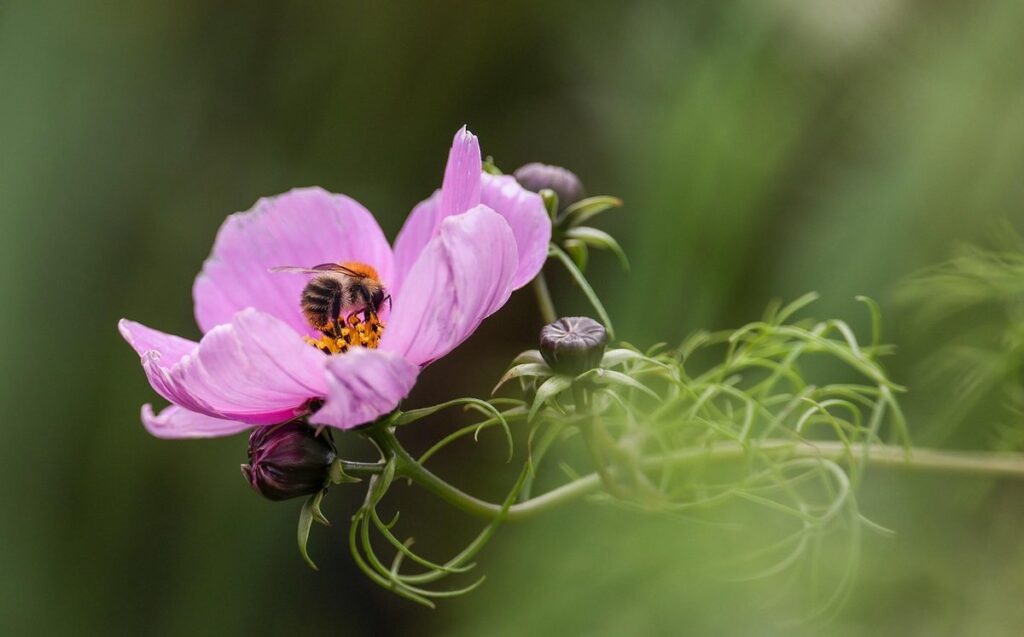
Introduction to Pollinator Gardens
Welcome to our guide on pollinator-friendly trees and shrubs, and let’s start by exploring what makes a garden truly welcoming to these vital creatures. A well-designed pollinator garden is the foundation of a thriving ecosystem.
Importance of Pollinators in Ecosystems
Pollinators like bees, butterflies, and hummingbirds are some of the unsung heroes of our ecosystems. They play a vital role in maintaining the health and biodiversity of our environment. Without these tiny creatures, many plants would be unable to reproduce, resulting in a significant decrease in plant diversity.
In fact, one-third of all crops worldwide rely on bees as their primary pollinator. This is why it’s essential to create pollinator-friendly gardens that provide a welcoming space for these beneficial insects. By planting trees and shrubs that attract pollinators, you can contribute to the preservation of these vital species.
Some practical tips for creating a pollinator-friendly garden include incorporating a variety of native flowers, providing a source of water, and avoiding pesticides, which can harm or kill pollinators. For example, planters filled with coneflowers, black-eyed susans, and lavender are sure to attract bees and butterflies. By taking these simple steps, you can make a significant impact on the health of your local ecosystem.
Benefits of Planting Pollinator-Friendly Trees and Shrubs
Planting pollinator-friendly trees and shrubs can have a significant impact on our ecosystem. By attracting bees, butterflies, and other beneficial insects to our gardens, we’re not only supporting their survival but also enhancing biodiversity. This, in turn, contributes to the overall health of our environment by promoting a balanced food chain.
Pollinators are essential for plant reproduction, and trees and shrubs that provide nectar and pollen are crucial for their survival. By incorporating these plants into your garden, you’ll be supporting the local pollinator population, which will have a ripple effect on the entire ecosystem. Additionally, some pollinator-friendly trees and shrubs, such as fruit trees and berry bushes, can also increase crop yields by providing food sources for both humans and wildlife.
Not only do pollinator-friendly plants support biodiversity, but they also improve air quality. Trees are known to absorb pollutants and produce oxygen, making them a vital component of any ecosystem. By planting a mix of trees and shrubs that provide nectar, pollen, and shelter, you’ll be creating a thriving environment that benefits both wildlife and humans alike.
Choosing the Right Trees for Your Pollinator Garden
When selecting trees for your pollinator garden, it’s essential to choose species that provide nectar and pollen for a variety of bees and butterflies. This includes deciduous and evergreen trees with different bloom times.
Native Tree Species That Attract Pollinators
When it comes to choosing native tree species that attract pollinators, there are several options to consider. One of the most beneficial trees for pollinator gardens is the oak tree (Quercus spp.). Not only do oak trees provide a food source for pollinators like bees and butterflies with their acorns, but they also offer shelter from harsh weather conditions.
Another excellent option is the maple tree (Acer spp.), which produces nectar-rich flowers in early spring that attract hummingbirds, bees, and other pollinators. Maple trees are relatively easy to care for and can thrive in a variety of soil types. Willow trees (Salix spp.) are also a great choice, as their catkins produce a sweet, sticky pollen that attracts pollinators like bees and wasps.
When planting these native tree species, be sure to choose varieties that are well-suited to your local climate and soil conditions. This will ensure they thrive and provide optimal benefits for the pollinators in your garden. By incorporating oak, maple, and willow trees into your pollinator garden, you’ll create a thriving ecosystem that supports the health of both plants and animals.
Non-Native Trees That Can Also Support Pollinators
While many gardeners focus on planting native species to support pollinators, there are also non-native trees that can provide valuable food sources for these important insects. Two popular examples are cherry and apple trees, which attract a variety of pollinators including bees, butterflies, and hummingbirds.
Cherry trees (Prunus avium) are a favorite among pollinators due to their showy white or pink flowers, which bloom in late spring and provide a rich source of nectar. Apple trees (Malus domestica), on the other hand, offer both nectar and pollen, making them an attractive option for bees and butterflies.
If you’re looking to plant non-native trees that support pollinators, consider selecting cultivars that are specifically bred for their pollinator-friendly characteristics. For example, dwarf cherry varieties like ‘Stella’ or ‘Tropic Snow’ produce more flowers than standard cherry trees, making them a great choice for smaller gardens. Similarly, apple tree varieties like ‘Red Delicious’ and ‘Gala’ have been shown to attract high numbers of pollinators.
When planting non-native trees in your pollinator garden, be sure to choose a location that receives full sun and has well-draining soil. This will help ensure the trees grow healthy and strong, providing optimal food sources for pollinators.
Selecting Shrubs for Your Pollinator Garden
When choosing shrubs for your pollinator garden, consider plants that attract a variety of bees, butterflies, and other beneficial insects, like lavender and rosemary.
Evergreen Shrubs That Provide Year-Round Nectar Sources
When it comes to creating a pollinator-friendly garden, incorporating evergreen shrubs that provide year-round nectar sources is essential. These shrubs not only offer a constant food source for pollinators but also add structure and texture to the landscape throughout the seasons.
Azalea and rhododendron are two excellent examples of evergreen shrubs that fit this bill. Azaleas produce vibrant, fragrant flowers in shades of pink, purple, and white from late winter to early spring, while rhododendrons bloom in shades of pink, purple, and white from late spring to early summer. However, what’s less well-known is that both plants also have smaller, often inconspicuous flowers that appear throughout the year, providing a steady nectar supply for pollinators.
To maximize the benefits of these shrubs, plant them in groups or masses to create a dense layer of vegetation. This will not only provide shelter and food for pollinators but also help maintain moisture levels in the soil. Additionally, consider incorporating other pollinator-friendly plants that bloom at different times of the year to create a constant source of nectar throughout the seasons.
Deciduous Shrubs with Showy Blooms
When it comes to deciduous shrubs with showy blooms, two of our top picks are viburnum and dogwood. These plants are not only beautiful additions to your pollinator garden but also provide essential food sources for bees, butterflies, and other pollinators.
Viburnum, in particular, is a pollinator favorite due to its long-lasting flowers that bloom in shades of pink, white, and red. Some popular varieties include Viburnum plicatum ‘Kilimanjaro’ and Viburnum x burkwoodii. Plant multiple viburnum shrubs together to create a stunning display of color and fragrance.
Dogwood (Cornus spp.) is another excellent choice for pollinator gardens. Its showy white or pink flowers attract bees, butterflies, and hummingbirds in the spring. Dogwoods are also relatively low-maintenance and can thrive in a variety of soil types. Consider planting Cornus florida ‘Rubra’ for its vibrant red foliage and stunning pink blooms.
To get the most out of these shrubs, plant them in well-draining soil with full sun to partial shade. Water regularly during their first growing season, but avoid overwatering to prevent root rot. By incorporating viburnum and dogwood into your pollinator garden, you’ll be providing a valuable source of nectar and pollen for local pollinators while enjoying their stunning blooms yourself.
Planting and Maintenance Tips for Pollinator-Friendly Plants
When planting pollinator-friendly trees and shrubs, proper care is crucial to ensure their health and success. Here are some essential tips for getting started on the right foot.
Soil Preparation and Sunlight Requirements
When planting pollinator-friendly trees and shrubs, it’s essential to prepare the soil properly and select a site with the right amount of sunlight. Pollinators like bees and butterflies need certain conditions to thrive, and poor soil or inadequate sunlight can hinder their growth.
To start, test your soil pH levels and adjust them if necessary. Most pollinator-friendly plants prefer slightly acidic to neutral soil pH (5.5-7.0). Add organic matter like compost or well-rotted manure to improve soil structure and fertility. Avoid over-tilling, as this can damage the delicate root systems of newly planted trees and shrubs.
When selecting a site for your pollinator-friendly plants, consider the amount of sunlight they require. Some plants, like coneflowers and black-eyed Susans, need full sun (6+ hours direct sunlight), while others, like hostas and ferns, prefer partial shade (4-6 hours indirect sunlight). Make sure to choose a location that receives the right amount of light for your specific plant species.
Water Conservation Strategies
When planting pollinator-friendly trees and shrubs, it’s essential to strike a balance between providing adequate moisture for their growth and conserving water. A thriving ecosystem is not only beneficial for the environment but also for the plants themselves.
To start, choose plant species that are adapted to your local climate and soil type. This will help reduce watering needs and ensure the plants receive the right amount of moisture. Mulching around the base of the plants can also retain soil moisture, reducing evaporation and the need for frequent watering.
Watering techniques like drip irrigation and soaker hoses can be more efficient than traditional sprinklers, delivering water directly to the roots where it’s needed most. Be mindful not to overwater, as this can lead to shallow root growth and make plants more susceptible to disease. Instead, water deeply but infrequently to encourage deep root development.
Regular soil checks can also help you determine when plants need watering, allowing for more targeted and efficient irrigation practices. This approach will not only conserve water but also promote healthy plant growth and a thriving pollinator ecosystem.
Creating a Diverse Pollinator Garden
To create a thriving pollinator garden, start by selecting trees and shrubs that provide a variety of nectar-rich flowers for our pollinators to enjoy. This section will guide you through that process step-by-step!
Incorporating Vines, Groundcovers, and Perennials
Incorporating vines like clematis and honeysuckle into your pollinator garden is an excellent way to add depth and diversity. These climbing plants attract a range of pollinators, from bees and butterflies to hummingbirds and bats. Clematis, for instance, produces long, dangling flowers that provide a haven for solitary bees.
Groundcovers like creeping thyme are another great option. They require minimal maintenance, yet release an abundance of fragrance that attracts pollinators. Planting them between stepping stones or along walkways can create a sensory experience while supporting local wildlife.
Perennials like coneflower also play a vital role in a thriving pollinator garden. These flowers provide a constant source of nectar and pollen throughout the growing season, making them an essential resource for bees and butterflies. Planting multiple varieties will extend their blooming period, giving you an ongoing display of color and activity.
When incorporating these plants, consider their mature size to ensure they won’t overcrowd your garden. Also, pair them with other pollinator-friendly trees and shrubs to create a comprehensive ecosystem that supports the local pollinator community.
Considerations for Small Spaces or Urban Areas
When it comes to creating a pollinator-friendly garden in small spaces or urban areas, it’s essential to adapt your plantings to suit the available space. This doesn’t mean sacrificing diversity for size; with a little creativity, you can still attract a variety of pollinators.
For compact gardens, choose species that are naturally smaller in stature, such as shrub roses (like Rosa rugosa), lavender, or thyme. These plants not only produce nectar-rich flowers but also tolerate frequent pruning, making them ideal for small spaces. Consider using vertical planters or trellises to maximize your space and support climbing plants like clematis or honeysuckle.
In urban areas, where available light can be limited, opt for plants that thrive in shade, such as shrub dogwood (Cornus alba) or flowering cherry trees (Prunus serrulata). Even tiny gardens can become havens for pollinators by incorporating a mix of native species and companion planting. For example, planting marigolds with tomatoes will attract beneficial insects that help control pests.
By selecting the right plants and using creative space-saving solutions, you can create a thriving pollinator garden even in small spaces or urban areas.
Managing Pests and Diseases in Your Pollinator Garden
When it comes to maintaining a healthy pollinator garden, learning how to manage pests and diseases is crucial. In this section, we’ll explore effective strategies for keeping your plants thriving.
Integrated Pest Management Techniques
When it comes to managing pests and diseases in your pollinator garden, it’s essential to adopt an Integrated Pest Management (IPM) approach. This means prioritizing natural methods of controlling pests and diseases over chemical controls whenever possible. IPM is a holistic strategy that considers the complex relationships between plants, insects, and microorganisms within your ecosystem.
At its core, IPM involves identifying the root causes of pest problems and addressing them through non-chemical means. For example, if aphids are infesting your trees or shrubs, you might try increasing air circulation by pruning nearby foliage or introducing beneficial predators like ladybugs, which feed on aphids. You can also use neem oil, a natural pesticide that disrupts insect growth and development.
Other IPM strategies include crop rotation, companion planting, and biological control methods. Crop rotation involves moving plants to new locations to break pest cycles, while companion planting pairs plants with different growing habits or pest-attracting properties to create a balanced ecosystem. By embracing these natural approaches, you can maintain a thriving pollinator-friendly garden without relying on chemical pesticides that harm beneficial insects.
Organic Solutions for Common Problems
When it comes to managing pests and diseases in your pollinator garden, it’s essential to explore organic solutions that won’t harm the very creatures you’re trying to attract. For instance, aphids can be a significant problem on plants like lavender and rosemary. To combat this, try introducing natural predators like ladybugs or lacewings, which feed on aphid populations. You can also spray a soapy water solution directly on the affected areas to dislodge these pests.
For spider mites, inspect your plants carefully for fine webbing, especially in dry conditions. Treat the infestation with neem oil, which disrupts their life cycle and prevents them from reproducing. To prevent fungal diseases like powdery mildew or leaf spot on trees and shrubs, maintain good air circulation by pruning nearby plants. Regularly inspect your garden for signs of disease, and treat affected areas promptly with a solution of baking soda and water.
Regular watering practices also play a crucial role in preventing many common issues. Overwatering can lead to root rot, while underwatering can stress the plant and make it more susceptible to pests and diseases.
Conclusion: Planting a Thriving Pollinator-Friendly Garden
Now that you’ve chosen your pollinator-friendly trees and shrubs, it’s time to bring them together in a thriving garden ecosystem that will attract bees, butterflies, and more. This final step is crucial for creating a haven for wildlife.
Recap of Key Takeaways
When planting a pollinator-friendly garden, there are several key considerations to keep in mind. First and foremost, it’s essential to choose trees and shrubs that provide nectar and pollen for pollinators like bees, butterflies, and hummingbirds.
This guide has walked you through the process of selecting the right plants, with an emphasis on native species that thrive in your local climate. You’ve also learned how to create a diverse landscape by incorporating a mix of early-blooming plants, like crocuses and daffodils, which provide a crucial source of nectar for emerging pollinators.
In addition, you’ve discovered the importance of incorporating host plants for specific butterfly species, such as milkweed for monarchs or passionflower for gulf fritillaries. These plants not only attract pollinators but also provide a vital food source for their larvae.
To recap, here are the key takeaways:
* Choose native trees and shrubs that thrive in your local climate
* Incorporate a mix of early-blooming plants to provide nectar for emerging pollinators
* Select host plants for specific butterfly species to support the entire life cycle of these pollinators
By following these guidelines, you can create a thriving pollinator-friendly garden that supports the well-being of these essential creatures.
Encouragement to Get Started
As you’ve reached the end of this comprehensive guide to pollinator-friendly trees and shrubs, we hope you’re feeling inspired and motivated to create a thriving ecosystem in your own backyard. Planting a pollinator garden is an incredibly rewarding experience that not only benefits local wildlife but also contributes to the health of our planet.
You might be wondering where to start or feel overwhelmed by the sheer number of options available. Begin with a small area, even just a corner of your yard, and choose 3-5 native trees and shrubs that will attract pollinators. Consider consulting with local nurseries or gardening experts for advice on what species will thrive in your specific climate.
As you embark on this journey, remember that every plant counts, and collective efforts can lead to significant positive change. By providing a haven for pollinators, you’re not only supporting their survival but also the health of your own garden through improved pollination services. So why wait? Start planning and planting today!
Frequently Asked Questions
What’s the ideal size of a pollinator garden for maximum impact?
A small plot as little as 100 square feet can make a significant difference, but larger gardens (1/4 acre or more) allow for greater biodiversity and attract a wider range of pollinators. Consider your available space and incorporate native plants to create a thriving ecosystem.
Can I plant non-native trees in my pollinator garden if they provide valuable resources?
Yes, some non-native species can still support pollinators by providing nectar or shelter. However, prioritize native tree species as they often have co-evolved relationships with local pollinators and require less maintenance. Ensure that non-native plants are not invasive in your area to avoid potential harm to the environment.
How do I protect my pollinator garden from pests and diseases?
Integrated Pest Management (IPM) techniques, such as hand-picking pests or using neem oil, can help control infestations without harming beneficial insects. Regularly inspect your plants for signs of disease and adopt organic solutions like introducing beneficial nematodes to mitigate root rot.
Can I incorporate a variety of plant types into my pollinator garden?
Yes! A diverse mix of trees, shrubs, vines, groundcovers, and perennials will attract a wider range of pollinators. Ensure that you choose plants with varying bloom times to provide a constant nectar source throughout the growing season. This approach also promotes soil health and biodiversity.
How do I ensure my pollinator garden is sustainable in terms of water usage?
Implement efficient irrigation systems, collect rainwater for plant use, and incorporate drought-tolerant species into your garden design. Mulching around plants helps retain moisture and reduces evaporation, reducing the need for frequent watering. Regularly monitor soil moisture levels to adjust your watering schedule accordingly.
Can I grow pollinator-friendly trees in containers?
Yes! Container gardening is a great option for those with limited space or poor soil quality. Choose compact or dwarf varieties of native tree species that thrive in container gardens and require regular fertilization. Ensure the container is at least 14-16 inches deep to accommodate the root system, and provide adequate sunlight and water as needed.
How do I maintain my pollinator garden during extreme weather conditions?
Regularly inspect your plants for signs of stress or damage from windstorms or droughts. Mulch around plants helps retain moisture and protects roots from heat stress. Prune damaged branches to promote healthy growth and prevent the spread of disease.