
Growing delicious tomatoes in pots can be a game-changer for small-space gardeners or anyone looking to add some fresh flavor to their cooking. But let’s face it, tomato plants can be finicky and require just the right conditions to thrive. If you’re new to growing tomatoes in containers, it’s easy to get discouraged by failed attempts or lackluster yields. Don’t worry, we’ve got you covered! Our comprehensive guide will walk you through everything you need to know about successfully growing tomatoes in pots. From choosing the perfect pot and soil to expert tips on watering, fertilizing, and more, this article is packed with practical advice to help you grow luscious, juicy tomatoes right in your own backyard (or balcony, or patio…).
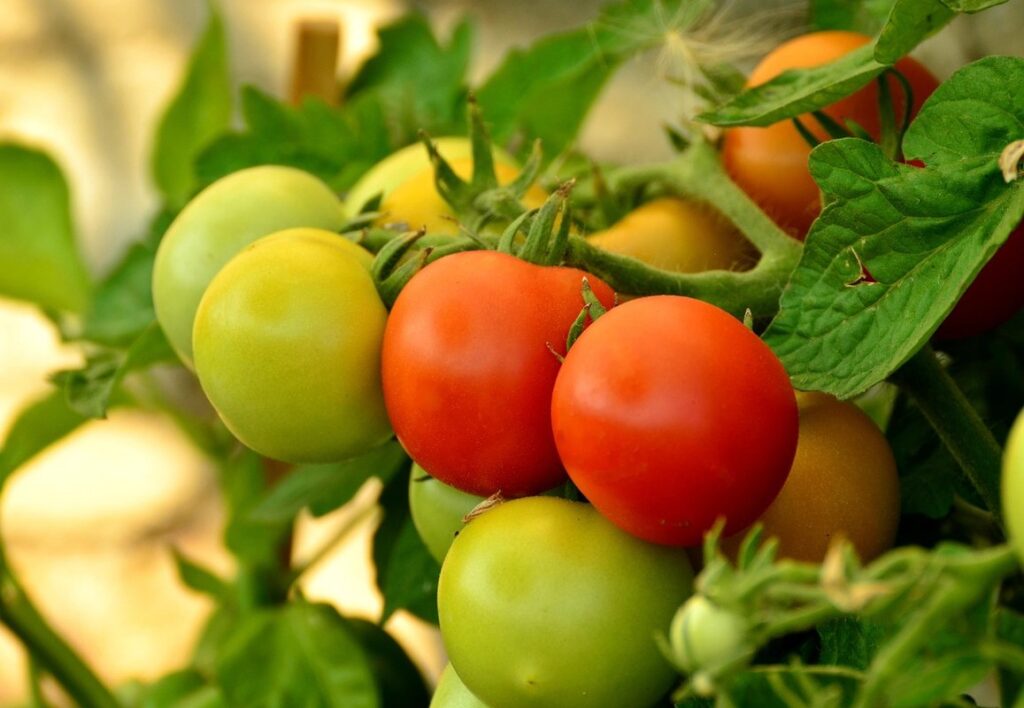
Choosing the Right Pot and Soil
Selecting the right pot and soil is crucial for your tomato plant’s health, so let’s explore your options for containers and growing mediums that promote healthy growth.
Section 1.1: Understanding Tomato Pot Requirements
When it comes to growing tomatoes in pots, selecting the right container is crucial for their success. A good pot should provide enough room for the roots to grow, ensure proper drainage, and be made from a material that allows for healthy growth.
To choose an ideal pot size, consider the mature size of your tomato plant. Indeterminate varieties can reach heights of over 6 feet, while determinate varieties typically top out at around 3-4 feet. A good rule of thumb is to use a pot that’s at least 12-18 inches deep and 24-36 inches wide for indeterminate varieties. Determinate varieties can thrive in smaller pots, around 10-14 inches deep and 20-24 inches wide.
In terms of material, ceramic or terra cotta pots are excellent choices as they allow for air circulation and moisture release. Avoid using small plastic containers that can become waterlogged, causing root rot. Ensure your pot has drainage holes to prevent water from accumulating in the soil and promoting fungal diseases.
Section 1.2: Selecting the Perfect Soil Mix
When it comes to planting tomatoes in pots, using the right soil mix is crucial for their growth and productivity. A well-draining potting mix specifically designed for tomatoes can make all the difference. Regular potting mixes are not ideal for tomatoes as they don’t provide the necessary nutrients and can be too dense for the roots.
If you want to create a custom soil blend, start by mixing together 2/3 of peat moss or coconut coir with 1/3 of perlite or vermiculite. This will give your tomatoes the right balance of moisture retention and drainage. You can also add in some compost or well-rotted manure to provide essential nutrients.
Alternatively, you can purchase a potting mix specifically designed for tomatoes from a reputable gardening store. Look for mixes that contain ingredients such as worm castings, alfalfa meal, and kelp meal – these will provide your tomatoes with the necessary nutrients for optimal growth. Some popular brands include Miracle-Gro, Pro-Mix, and Espoma Organic Potting Mix.
Preparing the Pot and Seedling
Before we move on to planting your tomato seedlings, let’s start by preparing a suitable pot for them, making sure it has good drainage and enough room to grow. This step is crucial for a healthy harvest.
Section 2.1: How to Prepare the Container for Planting
Before you start planting those delicious tomato seeds, it’s essential to prepare the container for optimal growth. This step is often overlooked but can make a significant difference in the overall health and productivity of your tomatoes.
Begin by cleaning the pot thoroughly with soap and water to remove any residual debris or contaminants. Next, disinfect the pot using a solution of 1 part bleach to 9 parts water to prevent the spread of diseases. Allow the pot to air dry completely before proceeding. This might seem like an extra step, but trust us – it’s crucial for creating a healthy environment for your tomatoes.
Creating a smooth surface is also vital for better root growth. Any imperfections or ridges on the pot can cause the roots to become tangled and restricted, leading to poor growth and development. Use a fine-grit sandpaper or a steel wool pad to smooth out any rough spots before planting. This will ensure that your tomato’s roots have ample space to expand, promoting healthy growth and maximizing yields.
Section 2.2: Sowing Tomato Seeds or Transplanting Seedlings
When it comes to planting tomatoes in pots, you have two options: sowing seeds directly into the pot or transplanting seedlings from cell packs. Both methods have their advantages and require a bit of care.
Sowing Tomato Seeds Directly:
To sow tomato seeds directly, fill your pot with a good quality seed starting mix and plant the seeds about ¼ inch deep. Water gently but thoroughly. Keep the soil consistently moist during the first few weeks after sowing. It’s essential to provide adequate light – at least 6 hours of direct sunlight or supplemental grow lights.
Transplanting Seedlings:
If you’ve started your tomato seedlings in cell packs, wait until they have 2-3 sets of leaves before transplanting them into larger pots. Gently remove the seedling from its cell pack and inspect the roots. If they’re circling around the inside of the pot, use a fork to gently tease them apart. Handle the delicate roots with care, as rough handling can cause damage.
When transplanting, make a hole in the soil deep enough for the seedling’s root ball. Place the seedling into the hole and firm the soil gently around it. Water well and provide support if necessary – tomato plants can grow quite large.
Watering and Fertilizing Your Potted Tomatoes
Now that your potted tomatoes are planted, it’s time to focus on providing them with the right amount of water and nutrients to thrive. Proper watering and fertilization techniques will keep your plants healthy all season long.
Section 3.1: How Often to Water Tomato Plants in Containers
When it comes to watering tomato plants in containers, frequency and moisture levels are crucial. Watering too little can lead to poor fruit production, while overwatering can cause root rot and kill the plant. To determine when to water, check the soil moisture by sticking your finger into the soil up to the first knuckle. If the soil feels dry, it’s time to water. If it still feels damp or moist, wait another day.
To avoid overwatering, make sure not to waterlog the pot. Check the drainage holes in the bottom of the container and ensure they’re unblocked. A general rule of thumb is to water your tomato plants when the top 1-2 inches of soil feel dry to the touch. For most containers, this means watering every 1-3 days during hot weather and less frequently in cooler temperatures.
Keep an eye on your plant’s leaves – if they start to wilt or develop brown tips, it may be a sign that the soil is too dry. In such cases, water immediately. Conversely, if the leaves are consistently green and healthy-looking, you might be watering too much. Monitor your plant’s response to watering and adjust your schedule accordingly.
Section 3.2: Choosing the Right Fertilizer for Container-Grown Tomatoes
When it comes to fertilizing your container-grown tomatoes, you have several options to consider. Organic and synthetic fertilizers are two main categories, each with their own benefits and drawbacks.
Organic fertilizers are derived from natural sources such as bone meal, compost, or fish emulsion. They release nutrients slowly over time, promoting healthy root development and fruiting. For example, using a balanced fertilizer like 5-3-4 (nitrogen-phosphorus-potassium) at the recommended rate can provide essential nutrients without burning your plants’ roots.
Synthetic fertilizers, on the other hand, are made from chemical compounds that release nutrients quickly. They’re often more concentrated and can produce rapid results, but may also cause damage if overused. A general rule of thumb is to fertilize container-grown tomatoes every 1-2 weeks during the growing season, using a strength equivalent to half the recommended rate on the package.
Keep in mind that over-fertilization can be detrimental to your plants’ health. Instead of relying solely on synthetic products, consider blending organic and synthetic options for a balanced approach.
Providing Support and Pruning Potted Tomatoes
Now that you’ve planted your potted tomatoes, it’s time to focus on providing the support they need to thrive. This includes pruning techniques to keep them healthy and productive.
Section 4.1: Why Tomato Plants Need Support in Containers
Tomato plants need support in containers because they can grow quite large and produce heavy fruit. Without proper support, the plant’s weight can cause it to topple over, damaging the stems and potentially killing the plant. In containers, tomato plants are more susceptible to wind damage than those planted directly in the ground.
To install a support system for optimal growth, start by choosing a sturdy stake or cage that is at least 5-6 feet tall. For indeterminate varieties, use a cage that can accommodate the plant’s spreading habit. Bury the stake or cage about 12 inches deep into the container soil to prevent it from toppling over.
When placing the support system, make sure it’s centered under the tomato plant and secure it firmly to the container using wire or twine. You can also use a trellis for indeterminate varieties, allowing them to climb up for better fruit production. By providing your potted tomatoes with adequate support, you’ll promote healthy growth and ensure a bountiful harvest.
Section 4.2: How to Prune Tomato Plants for Maximum Production
Pruning your potted tomato plants is an essential step in maximizing their production. When left unpruned, indeterminate tomato vines can become leggy and produce fewer fruits, as energy is diverted to stem growth rather than fruiting. Regular pruning encourages bushy growth, promotes even ripening, and helps control the plant’s overall size.
To prune your potted tomatoes for maximum production, start by removing lower leaves that are below the first set of true leaves. This helps prevent soil-borne diseases from splashing onto the plant and also reduces moisture loss through transpiration. Next, identify the main stem or leader and remove any weak or spindly growths. Then, trim the tips of the lateral shoots to encourage branching and promote more fruiting.
When pruning, make clean cuts just above a node (where a leaf meets the stem) using sharp, sterile scissors or pruning shears. This helps prevent spreading diseases and promotes healthy cell division. By pruning regularly, you’ll be rewarded with healthier, more productive tomato plants that are better equipped to thrive in their container environment.
Troubleshooting Common Potted Tomato Issues
Don’t let a few common problems ruin your potted tomato harvest – we’ll cover some quick fixes for issues that can arise when growing tomatoes in pots. From yellowing leaves to poor fruit set, we’ve got you covered.
Section 5.1: Identifying and Addressing Common Problems with Tomatoes in Containers
As you nurture your container-grown tomatoes, you may encounter some common problems that can be frustrating and affect their overall health. One of the most frequent issues is yellow leaves, which can be a sign of overwatering, underwatering, or nutrient deficiencies. To address this problem, ensure that your pot has good drainage holes to prevent waterlogged soil. Also, consider using a balanced fertilizer to provide essential nutrients for healthy growth.
Blossom end rot is another issue you might encounter, characterized by brown spots on the bottom of the fruit. This condition can be caused by calcium deficiency or irregular watering patterns. To resolve blossom end rot, make sure your potting mix contains sufficient calcium and maintain consistent moisture levels throughout the growing season.
Poor fruit set can also occur due to inadequate pollination, temperature fluctuations, or insufficient light. To promote healthy fruiting, provide your tomatoes with at least six hours of direct sunlight daily and ensure proper air circulation around the plants. By understanding these common problems and their possible causes, you can take proactive measures to address them and enjoy a bountiful harvest from your container-grown tomatoes.
Section 5.2: Preventative Measures for Healthy Potted Tomato Plants
Preventative measures are key to maintaining healthy potted tomato plants. Regular watering is crucial, but it’s equally important not to overwater. Check the soil moisture by sticking your finger into the soil up to the first knuckle. If the soil feels dry, it’s time to water. Water thoroughly until you see water coming out of the drainage holes.
Fertilizing is another essential care practice. Feed your tomato plants with a balanced fertilizer once a month. You can also use a high-phosphorus fertilizer during fruiting to promote healthy growth and fruit development. Tomatoes in pots require more frequent fertilization than those in the ground, so be sure to follow the package instructions.
Keep an eye on your plants’ health by monitoring for signs of stress or disease. Check for yellowing leaves, black spots, or white powdery patches. Catch issues early by inspecting your plants daily. If you notice any problems, adjust your care routine accordingly. For example, if your plants are experiencing root bound conditions, consider transplanting them into a larger pot.
By following these preventative measures, you can minimize the risk of common problems and ensure your potted tomato plants thrive.
Maintaining Productivity in Your Container-Grown Tomatoes
To ensure your container-grown tomatoes thrive, it’s essential to have a plan for maintaining their productivity throughout the growing season. Let’s discuss some key strategies to keep them healthy and fruitful.
Section 6.1: Encouraging Continuous Fruit Production
To maintain continuous fruiting and promote a healthy plant throughout the growing season, it’s essential to remove lower leaves and sideshoots. This process might seem counterintuitive at first, but trust us – it will lead to more fruitful harvests.
When planting tomatoes in pots, start by removing any weak or spindly growth from the base of the stem. These smaller shoots can divert energy away from the fruiting branches, reducing overall yields. Next, remove lower leaves that are below the top set of true leaves (the first real leaves to emerge after seedling stage). This helps prevent fungal diseases like septoria leaf spot and early blight from taking hold.
As your tomato plant grows, keep an eye out for sideshoots – those long stems that sprout from the axil of each leaf. While they might seem appealing as additional fruiting sites, they’ll actually take energy away from the main stem, reducing overall production. Remove any developing sideshoots by gently twisting and pulling them away from the plant.
To keep your tomato plants healthy and productive throughout the growing season, make sure to provide adequate support with a sturdy trellis or cage. Regularly inspect for pests like hornworms, whiteflies, and aphids, which can quickly spread disease and reduce yields. Water plants consistently, but avoid overwatering – container-grown tomatoes are more prone to root rot in soggy conditions.
By following these simple steps, you’ll be well on your way to enjoying a bountiful harvest from your potted tomato plants all season long!
Conclusion and Tips for Future Growth
Now that you’ve successfully planted your tomatoes in pots, it’s time to reap the rewards of your hard work! With proper care and attention, your tomato plants should thrive and produce a bountiful harvest. To ensure continued growth and success, be sure to provide your plants with at least six hours of direct sunlight per day. Additionally, regular watering is crucial, but make sure not to overwater, as this can lead to root rot and other problems.
As you enjoy the fruits of your labor, remember that tomato plants are relatively easy to care for and can be grown multiple times throughout the growing season. Consider starting new seeds every 2-3 weeks to ensure a continuous harvest. By following these simple tips and continuing to provide your plants with the right conditions, you’ll be enjoying homegrown tomatoes all summer long!
Frequently Asked Questions
What is the ideal time to transplant seedlings from small pots to larger containers?
Transplanting tomato seedlings when they have 2-3 sets of leaves typically works well, as this allows them to adjust to the new environment before being transplanted into a larger pot. Avoid transplanting during extreme weather conditions or when your plant is under stress.
Can I use regular potting soil for container-grown tomatoes, or do I need a specific mix?
While regular potting soil can work in a pinch, using a well-draining potting mix specifically designed for containers will provide the best results. These mixes are formulated to prevent waterlogged soil and promote healthy root growth.
How often should I fertilize my container-grown tomatoes, and what type of fertilizer is recommended?
Fertilize your potted tomato plants regularly, but avoid overfertilizing as this can damage the roots. Use a balanced fertilizer (10-10-10 NPK) during the growing season, and consider using a fertilizer specifically formulated for containers.
What are some common signs that my container-grown tomatoes need more support?
If your plant is top-heavy or showing signs of stress due to wind or rain, it may be time to add support. Look for indicators such as bent stems, cracked pots, or fruit touching the soil.
Can I use a self-watering pot for container-grown tomatoes, and will this impact their overall health?
Self-watering pots can work well for tomatoes, but ensure they are designed with good drainage and airflow in mind. This type of pot can help prevent overwatering, which is crucial for container-grown tomatoes to thrive.
How do I handle pests like aphids or whiteflies on my potted tomato plants?
To combat pests, use a combination of physical barriers (e.g., fine-mesh screens), neem oil, and insecticidal soap. Regularly inspect your plants and take action at the first sign of infestation to prevent pest populations from getting out of control.
Can I use companion planting to enhance my potted tomato plants’ health?
Companion planting can be beneficial for tomatoes, as certain plants (e.g., basil, mint) repel pests or attract pollinators. Research and carefully choose compatible companions that won’t compete with your tomatoes for resources.