
When it comes to growing your own herbs, knowing when to plant thyme is crucial for optimal growth. Thyme is one of the most versatile and aromatic herbs out there, perfect for adding flavor to soups, sauces, and marinades. But what if you’re not sure when to plant it in your specific climate? The good news is that thyme can thrive in various conditions, but understanding its hardiness zones, temperature tolerance, and climate requirements will make all the difference.
In this article, we’ll break down the essential tips for planting thyme, covering topics such as soil preparation, planting techniques, and post-planting care. We’ll also dive into how to adapt your planting schedule based on your region’s climate factors, ensuring you can enjoy a bountiful harvest of fragrant thyme all year round. By the end of this article, you’ll be well-equipped with expert advice on when to plant thyme for maximum success.
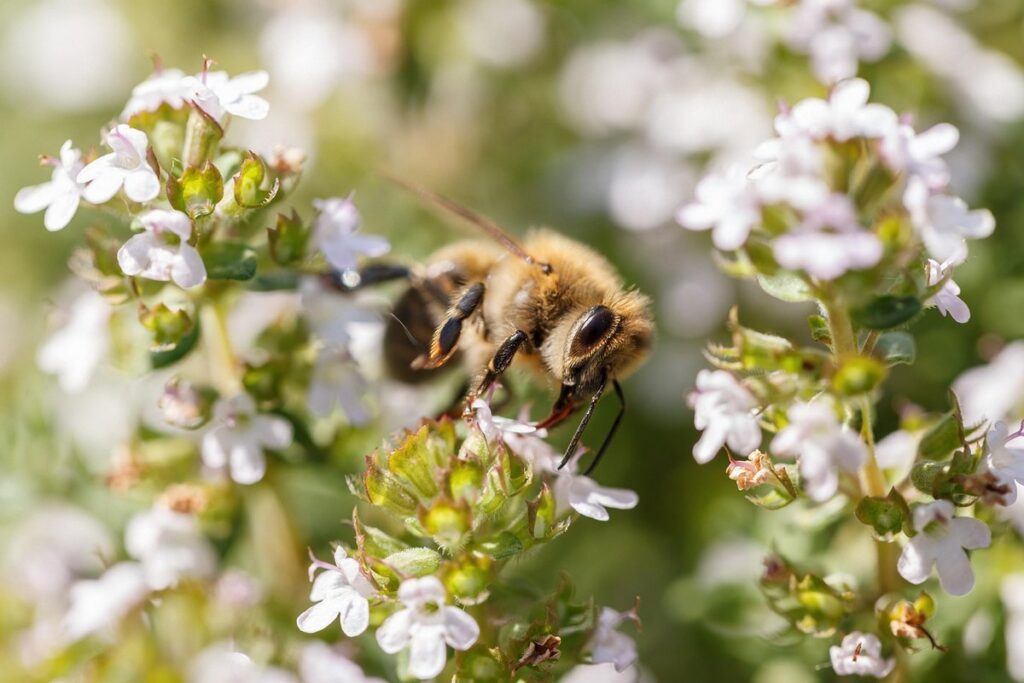
Understanding Thyme’s Growing Requirements
To grow healthy and fragrant thyme, it’s essential to understand its specific growing requirements, including optimal temperature and light conditions. Let’s take a closer look at these needs.
Thyme’s Hardiness Zones and Temperature Tolerance
Thyme is a versatile and low-maintenance herb that can thrive in various climates. When it comes to hardiness zones and temperature tolerance, thyme is generally a robust plant that can adapt to different environments.
In the United States, thyme falls within USDA Hardiness Zones 4-9. This means that gardeners in these zones can grow thyme outdoors year-round, but they still need to consider the specific temperature requirements for their region. For example, if you live in Zone 5 and want to plant thyme in spring, wait until the soil has warmed up to at least 60°F (15°C). This allows thyme to develop a strong root system before the onset of cold temperatures.
It’s essential to note that young thyme plants are more sensitive to temperature fluctuations than mature ones. If you’re planting thyme in an area with frost, make sure to bring it indoors during winter or protect it with mulch and a sheet to prevent damage from extreme cold. In warmer climates (Zone 10 and above), be cautious of heat stress and ensure that your thyme plants receive adequate water and shade.
In terms of temperature tolerance, thyme can handle temperatures between 40°F (4°C) and 90°F (32°C). However, prolonged exposure to temperatures outside this range may cause damage or kill the plant. When planning your thyme garden, consider these temperature constraints to ensure optimal growth and prevent any potential issues.
To give you a better idea of how hardiness zones impact planting times, here are some general guidelines for common regions:
* In Northern states (Zones 4-5), plant thyme in spring after the last frost or in fall about eight weeks before the first frost.
* For Southern states (Zones 6-8), you can plant thyme year-round, but be mindful of heat stress during the summer months.
* If you live in warm climates (Zone 9 and above), plant thyme in the cooler months to avoid heat-related problems.
Keep in mind that these are general guidelines, and specific microclimates within your area may influence planting times.
Thyme’s Sun and Soil Preferences
Thyme is a Mediterranean native that loves basking in warm sunlight and well-draining soil. When it comes to sun requirements, thyme prefers full sun to partial shade, meaning it should receive at least 4-6 hours of direct sunlight per day. However, be cautious not to expose your thyme plants to intense afternoon sun during the hottest summer months, as this can cause them to become scorched.
In terms of soil conditions, thyme thrives in well-draining, alkaline soils with a pH between 7 and 9. If your garden’s native soil is too acidic or prone to waterlogging, consider planting thyme in raised beds or containers filled with a mix specifically designed for Mediterranean herbs. Good drainage is crucial, as thyme roots are susceptible to rot if the soil is too wet.
To create an ideal growing environment for your thyme, incorporate organic matter like compost or well-rotted manure into the soil to improve its structure and fertility. This will not only benefit the thyme but also other plants in the surrounding area. By replicating the conditions found in their native habitat, you’ll be able to coax the best growth and flavor from your thyme plants.
Choosing the Right Time to Plant Thyme
When it comes to planting thyme, timing is everything – and we’re here to help you figure out when to get your thyme off to a great start in your garden. The right season can make all the difference!
Spring Planting: Benefits and Considerations
Spring is a wonderful time to plant thyme, and for good reason. By getting your thyme in the ground during this season, you’ll be able to give it a head start on the growing process before the hot summer sun kicks in. This means that your thyme will have a chance to establish itself and get settled into its new home before the intense heat of summer sets in.
One benefit of spring planting is that thyme has a better chance to grow strong and healthy during this time, rather than being stressed by high temperatures. Additionally, the cooler weather allows for more even watering, which can be beneficial for young thyme plants that are still getting established.
However, there’s one potential drawback to consider: frost damage. If you live in an area where frosts are common in early spring, you may need to wait until the danger of frost has passed before planting your thyme. This can usually be determined by checking the average last frost date for your region.
Fall Planting: Advantages and Preparations
If you’re planning to plant thyme during the fall season, you’ll be taking advantage of its unique growth patterns. One of the primary benefits of fall planting is that it gives your thyme a head start on next year’s growth cycle. Since thyme typically enters dormancy in winter, spring planting can feel rushed and leaves little time for establishment before the heat sets in.
Fall planting avoids this issue by allowing your thyme to spread its roots throughout the cooler months. This extended period helps it develop a strong foundation, which pays off come summer when the intense sun beats down on your garden. When preparing for fall planting, be sure to choose varieties that are suitable for the season and will thrive in cooler temperatures.
For example, some popular thyme species like English and Lemon Thyme perform well during this time. Before planting, make sure your soil is nutrient-rich and drains well to support healthy root growth.
Factors Affecting Thyme Planting Times
When planning your thyme garden, it’s essential to consider various factors that can affect the ideal planting times for this versatile herb. Climate and region play a significant role in determining when to plant thyme successfully.
Climate and Weather Patterns
When it comes to planting thyme, climate and weather patterns play a significant role in determining the optimal time for sowing this fragrant herb. In regions with mild winters, such as the Mediterranean and California, you can plant thyme year-round, but spring and fall are ideal times to ensure the best growth.
In contrast, areas with harsh winters, like the northeastern United States, require a more careful approach. It’s best to wait until late spring or early summer when the soil has warmed up and the risk of frost has passed. This allows thyme to establish itself before winter sets in.
In regions with hot summers, like the southern United States, thyme may experience heat stress if planted during peak temperatures. Consider planting thyme in the fall or early spring to avoid these conditions.
Keep an eye on your local weather forecast and wait until the soil temperature reaches at least 55°F (13°C) before sowing thyme seeds. This will give them a head start on growth, ensuring a robust and healthy crop.
Soil Preparation and Conditioning
Soil preparation and conditioning are crucial steps before planting thyme. A well-prepared soil will provide the perfect environment for thyme to grow, while poor soil conditions can lead to stunted growth, pests, and diseases. Before planting, it’s essential to test your soil pH level and amend it if necessary. Thyme prefers a slightly acidic to neutral soil pH, ranging from 6.0 to 7.0.
To adjust the pH level, add elemental sulfur or lime according to the test results. For example, if your soil is too alkaline (high pH), adding elemental sulfur will help bring down the pH. Conversely, if it’s too acidic (low pH), adding lime will neutralize it. Additionally, thyme requires well-draining soil with good aeration, so mix in compost or organic matter to improve the soil structure.
Some gardeners also use mulch or peat moss to condition their soil. These materials help retain moisture and suppress weeds. When selecting amendments, consider your local climate, soil type, and thyme variety to ensure you’re using the right products for optimal growth.
Preparing the Garden for Thyme Planting
Before planting thyme, it’s essential to prepare your garden by ensuring the soil has good drainage and a pH between 6.0 and 7.0. This will give your thyme plants the best chance to thrive.
Bed Selection and Preparation
When planting thyme, selecting the right bed is crucial for its success. Thyme requires full sun to partial shade, so choose a spot that receives at least 4-6 hours of direct sunlight per day. This will ensure the plant gets enough warmth and light to thrive.
In addition to sunlight, drainage is another vital consideration. Thyme doesn’t like wet feet, meaning it can’t tolerate waterlogged soil. Select a bed with good drainage to prevent root rot and other issues. You can test your soil’s drainage by digging a small hole and filling it with water; if the water drains within an hour, you’re good to go.
When selecting a location, also consider the thyme plant’s mature size. Thyme can spread out quite a bit as it grows, so choose a bed that allows for at least 12-18 inches of growth radius around each plant. This will prevent overcrowding and give the roots room to breathe. Finally, make sure your bed has good air circulation to reduce the risk of fungal diseases.
By carefully selecting and preparing your thyme bed, you’ll set yourself up for success when planting your thyme crop.
Planting Techniques and Tips
When planting thyme, it’s essential to get it right from the start. To promote healthy growth and prevent overcrowding, space your thyme plants 12-18 inches apart. This will allow for adequate air circulation and sunlight penetration, which are crucial for thyme’s development.
The depth of planting is also critical. Plant thyme seedlings or cuttings about 1-2 inches deep in well-draining soil. Make sure the crown (where the stem meets the roots) is above the soil level to prevent rotting.
Aftercare is equally important. Water your thyme plants regularly during their first growing season, but avoid overwatering, which can lead to root rot. Mulch around the base of the plants to retain moisture and suppress weeds. Prune your thyme plant regularly to maintain its shape and encourage new growth. Thin out the stems in the spring to promote healthy branching.
By following these planting techniques, you’ll be well on your way to growing a thriving and fragrant thyme crop. Remember that patience is key – with proper care, your thyme plants will reward you with years of harvests and enjoyment.
Post-Planting Care for Thyme
Now that you’ve planted your thyme, it’s time to think about how to keep it healthy and thriving – a crucial step in getting the most out of this lovely herb. Proper post-planting care is essential for thyme’s continued success.
Watering and Irrigation Strategies
Proper watering and irrigation are crucial for newly planted thyme to establish itself. Thyme needs consistent moisture, especially during its first growing season. However, overwatering can lead to waterlogged soil and root rot.
To avoid this, ensure the soil drains well before planting. If your area receives heavy rainfall, consider using a rain barrel or installing a French drain to redirect excess water away from your thyme bed.
Water newly planted thyme when the top 1-2 inches of soil feel dry to the touch. Aim for about 1 inch of water per week, either from rain or irrigation. You can also use drip irrigation or soaker hoses, which deliver water directly to the roots, minimizing evaporation and runoff.
Monitor your thyme’s response to watering by looking for signs of stress like yellowing leaves or droopy stems. Adjust your watering schedule accordingly. In general, it’s better to err on the side of caution and underwater slightly than overwater and risk killing your thyme plants.
Pest and Disease Management
As you tend to your newly planted thyme, it’s essential to be aware of common pests and diseases that can impact its health. Thyme is susceptible to a variety of issues, including root rot caused by overwatering, powdery mildew, and spider mites. To prevent these problems, ensure good air circulation around your plants and avoid watering the foliage.
Some common pests affecting thyme include aphids, whiteflies, and mealybugs. To manage infestations, inspect your plants regularly and use neem oil or insecticidal soap to treat affected areas. For root rot, adjust your watering schedule to prevent waterlogged soil, and consider adding beneficial microbes like mycorrhizal fungi to promote healthy root growth.
Maintaining a balanced ecosystem is crucial in managing pests and diseases. Consider introducing natural predators like ladybugs or lacewings to control aphid populations. Additionally, practice crop rotation and use physical barriers to keep pests at bay. Regular pruning also helps to prevent the spread of disease by removing affected areas before they can infect other parts of the plant.
Frequently Asked Questions
Can I plant thyme indoors, or is it strictly for outdoor gardens?
Yes, you can plant thyme indoors as long as the conditions are suitable – a spot with bright light, temperatures between 60-70°F (15-21°C), and adequate ventilation. Keep in mind that indoor-grown thyme may require more frequent pruning to maintain its shape.
How does climate affect my thyme planting schedule?
Thyme’s adaptability allows it to grow well in various climates; however, the key is understanding your local hardiness zone and temperature tolerance range. Typically, fall or early spring planting times are ideal for most regions, but this may vary depending on your specific climate.
Can I plant thyme in containers, and what kind of soil should I use?
Yes, you can grow thyme in containers using a well-draining potting mix specifically designed for herbs. Select containers with good drainage holes to prevent waterlogged soil, which can lead to root rot and other issues.
How do I protect my thyme from extreme weather conditions like frost or heatwaves?
To safeguard your thyme plants against frost, bring them indoors or cover them with a sheet of row covers before the first frost. During heatwaves, ensure your thyme receives adequate watering, but avoid overwatering, which can cause root rot.
Can I plant thyme in areas where it has previously grown, or does it need to be rotated?
Yes, you can replant thyme in areas where it has previously thrived. However, consider rotating crops to maintain soil health and prevent pests and diseases from building up in a particular area.