
As a gardener, you know that timing is everything when it comes to planting a successful garden. But did you know that using frost dates can be a game-changer for your gardening schedule? By understanding when the last frost date is in your area, you can plan your planting accordingly and avoid costly damage to your crops. Planting after the last frost date ensures that you’re giving your plants the best chance to thrive, and selecting hardy crops that can withstand early frosts is also crucial. In this article, we’ll explore the benefits of using frost dates to plan your gardening schedule, including how to safeguard against early frosts and grow a thriving garden in any climate. Let’s dive into the world of frost dates and discover how you can use them to take your gardening to the next level.
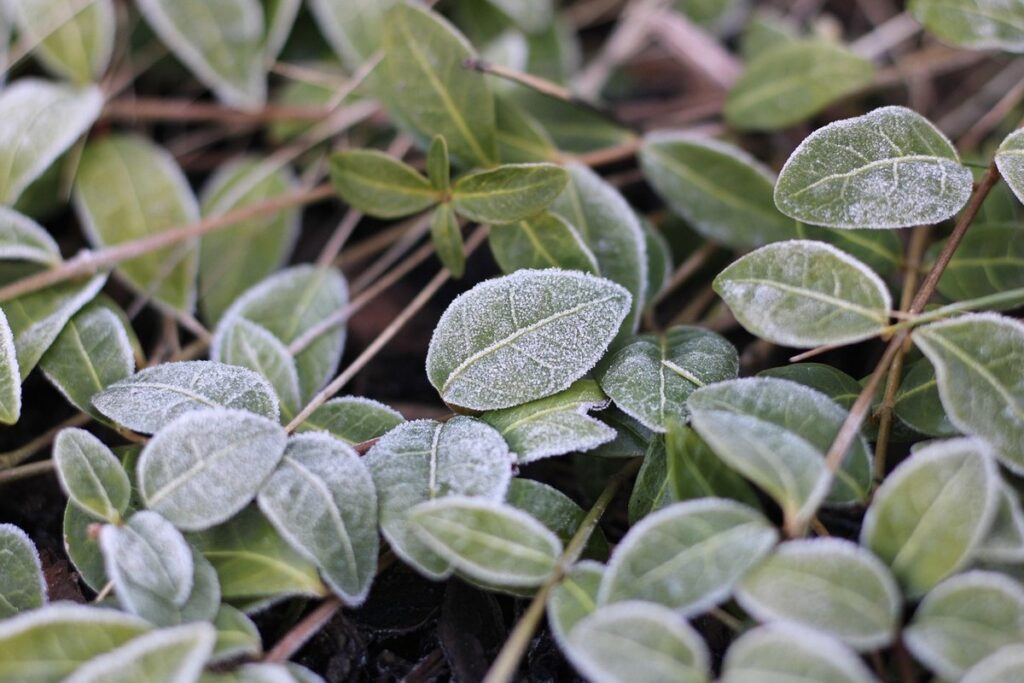
Understanding Frost Dates
Understanding when frost will hit is crucial for garden planning, so let’s dive into what frost dates are and how they can help you create a successful garden.
What are Frost Dates?
When planning your garden, it’s essential to consider something called frost dates. In simple terms, frost dates are the specific days when temperatures drop below freezing, usually around 32°F (0°C). These dates can have a significant impact on plant growth and survival.
Imagine planting delicate seeds or seedlings just to have them frozen out by an unexpected cold snap. Frost dates help you avoid this scenario by providing a timeline of when frost is likely to occur in your area. This information allows you to make informed decisions about when to start or finish planting, transplanting, and harvesting crops.
For example, if the last frost date for your region falls on April 15th, it means that temperatures will remain above freezing until this day. After that, it’s safe to plant warm-season crops like tomatoes and peppers. However, don’t wait too long – a late frost can still damage or kill sensitive plants. Plan accordingly by choosing varieties with built-in cold tolerance or using row covers to protect your garden from frost.
How to Determine Your Local Frost Dates
Determining your local frost dates is crucial for successful gardening. It’s essential to know when the last spring frost occurs and the first fall frost, as this will help you plan the planting schedule for your garden. Without accurate knowledge of frost dates, you risk losing your plants to unexpected frosts, which can be devastating.
Fortunately, finding your local frost dates is easier than ever. You can start by using online resources such as the National Weather Service’s (NWS) database or websites like Old Farmers Almanac. These platforms provide reliable and up-to-date information on frost dates for specific regions.
Another approach is to consult with local nurseries or gardening experts in your area. They often have extensive knowledge of the local climate and can offer valuable insights into when the frosts typically occur. Additionally, you can also check with your neighbors who are experienced gardeners and ask them about their experiences with frost dates in your area.
By consulting these resources and doing some research, you’ll be able to determine your local frost dates with precision and plan a successful gardening season.
Understanding the Impact of Early vs. Late Frost Dates
When considering planting, it’s essential to understand the impact of early versus late frost dates on different types of plants and crops. Plants that are sensitive to frost will suffer significant damage or even death if exposed to temperatures below 32°F (0°C) for an extended period. This includes tender perennials like impatiens and coleus, as well as fruiting crops like strawberries and blueberries.
In contrast, plants that can tolerate frost will continue to grow and thrive even in the presence of a light frost. These hardy plants include species like ornamental grasses, sedum, and coneflowers. However, it’s worth noting that some plants may require protection or covering during an early spring frost event.
As a gardener, understanding the specific needs of your plants is crucial for achieving success. If you’re planting in areas with consistently early frost dates, choose varieties that are bred to be cold-hardy. For late frost dates, consider using row covers or other protective measures to shield sensitive plants from damage. By knowing what to expect and taking proactive steps, you can enjoy a healthy and bountiful harvest regardless of the frost date.
Planting by Last Frost Date
When planning your garden, it’s essential to consider when to plant based on your area’s last frost date. This section will guide you through the process of determining the best planting schedule for your specific climate zone.
Why Plant After the Last Frost Date
Planting after the last frost date is crucial for avoiding damage or loss due to unexpected frosts. When you plant too early, you risk losing your crop if a late frost occurs. This can be devastating, especially if you’ve invested time and resources into preparing the soil and nurturing your plants.
One of the primary benefits of waiting until after the last frost date is that it reduces the likelihood of damage or loss due to unexpected frosts. For example, in regions with late-spring frosts, planting cool-season crops like broccoli, kale, or spinach too early can lead to significant losses. These crops are sensitive to frost and can be damaged or killed by even a light frost.
To determine the last frost date for your area, check with your local nursery or extension office for specific information. Once you’ve established this date, plan to plant warm-season crops like tomatoes, peppers, and eggplants after it has passed. This will give your plants a head start on the growing season while minimizing the risk of damage from frosts. By planting after the last frost date, you’ll be able to enjoy a successful harvest with minimal stress.
Choosing Plants Suitable for Your Climate
When selecting plants for your garden, it’s essential to choose varieties that are well-suited to your local climate. This means considering factors like temperature ranges, humidity levels, and average precipitation to ensure the plants you select will thrive.
To determine which plants are suitable for your region, research the specific climate zones within your area. The USDA Plant Hardiness Zone Map is a valuable resource for identifying the hardiness zone where you live. This information will help you narrow down plant selections that can tolerate the local temperature fluctuations.
Some popular plants, like succulents and cacti, are naturally adapted to hot and dry conditions, making them ideal choices for regions with high temperatures and limited rainfall. For areas with milder winters, cool-season crops like broccoli, kale, and spinach can be planted in the fall or early spring.
When selecting plants, also consider factors like sunlight exposure, soil type, and moisture levels. By choosing plants that match your local climate conditions, you’ll set yourself up for success and enjoy a bountiful harvest throughout the growing season.
Tips for Planting After the Last Frost Date
Now that you’ve identified the last frost date for your area, it’s time to plant with confidence. Preparing your soil and planting correctly are crucial steps to ensure new seedlings thrive after being transplanted.
Before planting, make sure the soil is workable. Avoid compacting the soil by gently digging and aerating it instead. If your soil is heavy clay or sandy, consider amending it with organic matter like compost or well-rotted manure. This will improve its structure and drainage.
When planting, handle seedlings carefully to avoid damaging their roots. Plant them at the same depth they were in their pots, and water thoroughly after transplanting. Keep the soil consistently moist during the first few weeks, but avoid overwatering, which can lead to root rot and other issues.
To promote healthy growth, ensure new seedlings receive adequate sunlight (at least 4-6 hours a day) and maintain optimal temperatures between 60°F and 70°F (15°C and 21°C). Mulch around the base of plants to retain moisture and suppress weeds. By following these tips, you’ll set your newly planted seedlings up for success and enjoy a bountiful harvest come autumn.
Planting by First Frost Date
Knowing your first frost date is just half the battle – now you need to plan when to plant, and that’s exactly what we’ll cover next: choosing the perfect planting schedule.
Understanding the Importance of First Frost Dates
When it comes to planting a garden, many gardeners focus solely on last frost dates. However, understanding first frost dates is just as crucial, especially for those living in regions with mild winters or unpredictable weather patterns.
In areas where the winter temperatures remain relatively stable and above freezing, it’s easy to assume that you don’t need to worry about early frosts. But this can be a costly mistake if you’re counting on certain plants thriving in your garden.
First frost dates indicate when the first light freeze of the season is expected, typically between late September and early October in many regions. This may seem like plenty of time for planting warm-season crops like tomatoes and peppers, but it’s essential to remember that these plants need a long growing season to mature.
If you’re planning to plant before your area’s first frost date, consider using row covers or other protection methods to shield your plants from early frosts. This will give them the best chance of surviving until the temperatures drop lower and more predictably.
Selecting Plants That Can Tolerate Early Frosts
When selecting plants that can tolerate early frosts, it’s essential to focus on hardy crops that have evolved to thrive in cooler temperatures. These plants typically have adaptations such as thick cell walls, deep root systems, and a lower water content, which enable them to withstand frost damage.
Some examples of hardy crops include Brussels sprouts, broccoli, kale, and cabbage. These cool-season crops are perfect for planting before the first frost date and can tolerate light frosts without sustaining significant damage. Other options like spinach, carrots, beets, and parsnips can also thrive in cooler temperatures.
When choosing plants for early frost tolerance, look for varieties that are specifically bred for cold hardiness or have been tested to withstand frost conditions. Some popular varieties include ‘Deep Purple’ cauliflower, which can tolerate up to 25°F (-4°C), and ‘Red Russian’ kale, which can survive light frosts.
To ensure success with these crops, plant them at the correct time, typically 8-10 weeks before the first frost date. This allows for adequate growth and development before winter sets in. By selecting hardy plants that thrive in cooler temperatures, you can enjoy a bountiful harvest even as the weather cools down.
Strategies for Protecting Plants from Early Frosts
When it comes to protecting new seedlings and young plants from early frosts, timing is crucial. Since frost damage can be irreversible, it’s essential to take proactive measures to safeguard your sensitive species. One effective strategy is using row covers, lightweight fabrics that allow light and water to reach your plants while keeping the chill out.
To set up a row cover system, begin by cutting the fabric slightly larger than your bed or individual plant. Then, drape it over the area, securing it with rocks or soil weights. Alternatively, you can use cold frames, which are essentially mini-greenhouses that trap warmth and protect plants from frost damage. Build or purchase one, and position it near your vulnerable plants.
Some other tips for protecting your garden include bringing potted plants under cover at night, using hot water bottles to warm the soil, or even temporarily relocating sensitive species indoors until the frost passes. Be prepared to adapt to changing weather forecasts – with a little creativity and planning, you can shield your new seedlings from early frosts and give them the best chance to thrive.
Additional Considerations for Frost-Prone Areas
If you live in a region where frost is common, there are some extra factors to consider when planning your garden. Let’s take a closer look at these additional considerations.
Understanding Your Microclimate
When it comes to frost-prone areas, understanding your local microclimate is crucial for making informed decisions about planting and protecting your garden. A microclimate refers to the unique combination of weather conditions that occur within a specific area, often influenced by factors like topography, vegetation, and nearby bodies of water.
Your neighborhood or even yard may have its own distinct microclimate, which can impact frost patterns in unexpected ways. For instance, areas surrounded by tall buildings or trees may be shielded from cold winds, while valleys or low-lying areas can trap chill air. To determine your local microclimate, observe temperature fluctuations and note any variations in frost dates compared to nearby regions.
To better understand your microclimate, take note of the following factors:
• Topography: Hills, valleys, and bodies of water can all affect temperature and wind patterns.
• Vegetation: Trees and other plants can provide shelter from cold winds or trap heat, altering local climate conditions.
• Proximity to urban areas: Buildings, roads, and other infrastructure can influence microclimate conditions.
By taking these factors into account and observing your local environment, you’ll be better equipped to predict frost patterns and make informed decisions about planting and protecting your garden.
Using Mulch and Other Soil Protection Techniques
When winter’s chill sets in, protecting your garden from frost damage becomes crucial. Mulch and other soil protection techniques can be a gardener’s best friend during these harsh months. Mulching is an effective way to insulate the soil, keeping it at a relatively stable temperature. This helps plants survive light frosts that might not cause significant damage.
To get started with mulching, choose materials like wood chips or bark that retain moisture and regulate soil temperature. Aim for a 2-3 inch layer around your plants, making sure to keep it away from stems and leaves. As for other soil protection techniques, straw bale gardens are an excellent alternative to traditional mulch. These structures allow roots to grow while keeping the topsoil insulated.
Straw or hay can also be used as a frost blanket, placed directly on top of the soil or plants. Be sure to secure it with weights or rocks to prevent it from blowing away in windy conditions. When not using these materials, you can even apply a 2-inch layer of compost over your garden beds to shield them from frost damage.
By employing these simple yet effective techniques, you’ll be better equipped to safeguard your plants during the cold winter months and ensure their survival until spring arrives.
Monitoring Weather Patterns and Alerts
To stay ahead of potential frosts and protect your garden, it’s crucial to monitor weather patterns and alerts closely. Start by downloading a reliable weather app on your smartphone that provides current conditions, forecasts, and frost warnings for your area. Some popular options include Dark Sky, Weather Underground, or the National Weather Service (NWS) app.
These apps often send push notifications when frost is expected, giving you ample time to take necessary precautions. Be sure to adjust the notification settings to receive alerts for specific weather conditions, such as frost advisories or warnings.
In addition to mobile apps, sign up for local weather service alerts and social media groups that share timely updates about weather conditions in your area. This will help you stay informed even when you’re not actively monitoring the forecast.
By staying connected with current weather patterns and receiving timely notifications, you’ll be better equipped to anticipate and prepare for potential frosts and protect your garden from damage.
Conclusion
In conclusion, understanding frost dates is crucial for successful gardening. By knowing when the last spring frost typically occurs in your area, you can plan and plant accordingly. Remember that each type of plant has its own unique frost tolerance level, so be sure to check the specific requirements for the varieties you’re growing. With this knowledge, you’ll be able to create a well-planned planting schedule that minimizes the risk of damage from early or late frosts. By being proactive and flexible in your gardening approach, you can enjoy a bountiful harvest and build confidence in your ability to grow delicious fruits and vegetables despite unpredictable weather conditions.
Frequently Asked Questions
What are the most common mistakes gardeners make when using frost dates for planting?
The most common mistake is not considering the microclimate of their specific area, which can vary significantly from nearby regions. To avoid this, it’s essential to monitor local weather patterns and understand how they might affect your garden. Additionally, some gardeners may rely too heavily on general frost date guidelines without accounting for the unique temperature fluctuations in their region.
How do I know if my plants are suitable for my climate?
When selecting hardy crops that can withstand early frosts, consider factors like plant hardiness zones and specific temperature tolerances. Look for plants with a similar climate classification or those that have been bred to thrive in your area’s unique conditions. You can also consult with local nurseries, gardening experts, or check online resources for specific recommendations.
Can I still plant after the first frost date has passed?
While planting after the last frost date is generally recommended, it’s not a hard and fast rule. If you’re using cold-hardy crops or have taken protective measures like mulching, you can still plant after the first frost date. However, be aware that early frosts may still damage or kill some plants, so monitor local weather forecasts closely to make informed planting decisions.
What are some alternative methods for protecting my plants from frost?
In addition to traditional methods like covering plants with sheets or blankets, consider using mulch, straw bales, or even a frost blanket to insulate your garden. These materials can help retain heat and prevent cold air from penetrating the soil. Additionally, planting frost-tolerant crops or selecting varieties that are bred for their ability to withstand early frosts can also be an effective strategy.
How do I stay up-to-date with changing weather patterns and frost alerts in my area?
Stay informed by monitoring local news, weather apps, and gardening forums for updates on frost dates, temperature fluctuations, and other weather-related events. Consider investing in a weather station or joining a local gardening group to receive timely alerts and advice from experienced gardeners in your region.