
Are you ready to bring freshness to your garden? Parsley is one of those versatile herbs that add a burst of flavor to any dish, but its success relies heavily on when it’s planted. The ideal planting time for parsley varies depending on where you live and what climate you’re in. Some regions have perfect conditions for growing parsley year-round, while others might need to wait until the cooler months arrive.
In this article, we’ll dive into the specifics of when to plant parsley, including ideal planting times for different climates and hardiness zones. We’ll also share valuable tips on how to succeed with parsley in various regions, from hot desert landscapes to cool coastal areas. Whether you’re a seasoned gardener or just starting out, understanding the best time to plant parsley will help you grow this essential herb with ease.
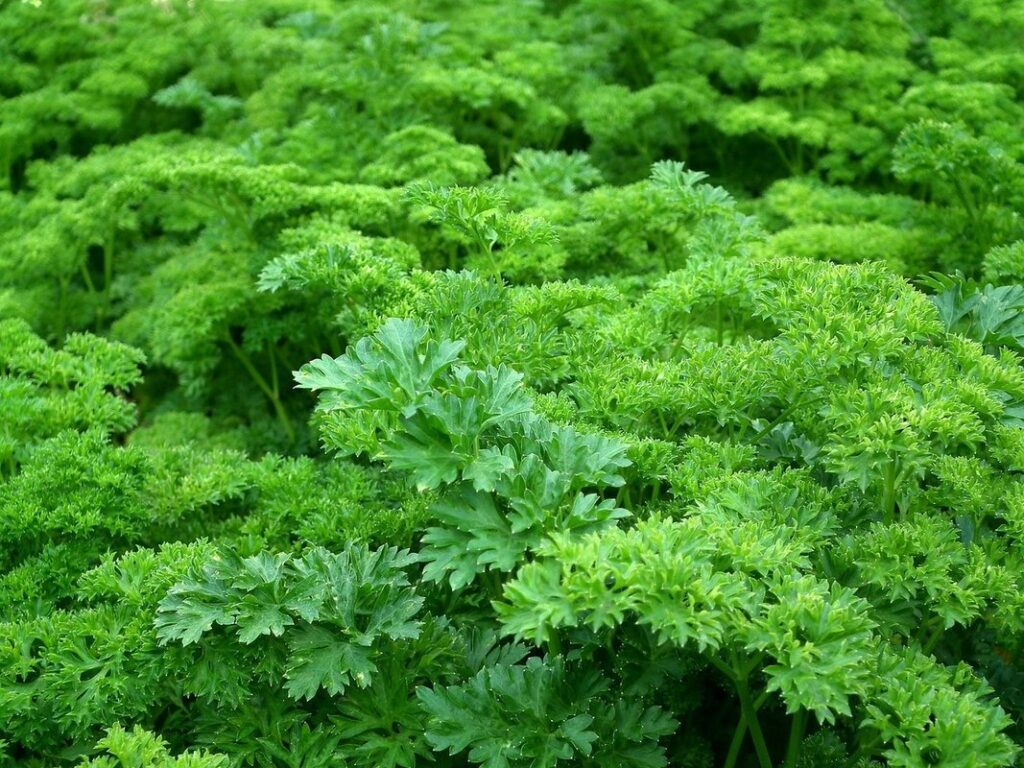
Choosing the Right Time to Plant
When it comes to planting parsley, timing is everything. Here, we’ll explore the optimal seasons and weather conditions for a successful parsley crop in your garden.
Understanding Parsley’s Growing Season
Parsley is a cool-season crop that prefers to grow in temperate climates with moderate temperatures. This means it thrives in regions with mild winters and cool summers. If you live in an area with harsh winters or extremely hot summers, parsley may not be the best choice for your garden.
In general, parsley does well in USDA Hardiness Zones 4-9. For those living in cooler climates, spring and fall are ideal times to plant parsley. The optimal temperature range for parsley is between 60°F and 70°F (15°C and 21°C). If you live in a warmer climate, it’s best to plant parsley in the early morning or late evening when temperatures are cooler.
Keep in mind that parsley can bolt if exposed to extreme heat or cold. To avoid this, choose a location with partial shade and well-draining soil. Make sure your parsley plants receive about 1-2 inches of water per week, either from rainfall or irrigation. By planting at the right time and providing the right conditions, you should be able to enjoy a healthy and bountiful harvest of fresh parsley throughout the growing season.
Considering Your Hardiness Zone
When it comes to planting parsley, considering your hardiness zone is crucial to ensure a successful harvest. Hardiness zones are categorized by the US Department of Agriculture (USDA) and range from 1-12, with lower numbers indicating colder climates. As a general rule, parsley prefers temperate weather with moderate temperatures between 60°F to 70°F (15°C to 21°C).
If you live in a region with a hardiness zone of 3-5, it’s best to plant parsley as soon as the soil can be worked in spring, about 4-6 weeks before the last frost date. In warmer zones (7-9), you can plant parsley in early fall or late winter for a head start on the growing season.
For example, if you live in zone 5, you could plant parsley in late April when the soil has warmed up to around 60°F (15°C). Similarly, in zone 8, you can plant it in November or December for a winter harvest. Be sure to check your specific frost dates and adjust planting times accordingly.
Spring Planting: Preparing the Soil and Sowing Seeds
Before planting parsley seeds, make sure your soil is ready for spring growth by loosening it to a depth of 12-18 inches. This will help roots grow deep and strong.
Preparing the Garden Bed
Before you can start sowing parsley seeds, it’s essential to prepare the garden bed. This involves creating a soil environment that is conducive to healthy growth and optimal yield. To do this, consider the drainage and sunlight requirements of parsley. Parsley prefers well-draining soil that is rich in organic matter, so if your soil tends to be heavy clay or prone to waterlogging, now’s the time to take corrective action.
One simple solution is to add a 2-3 inch layer of compost or well-rotted manure to the bed. This will help improve drainage and fertility while also suppressing weeds. Another option is to create a raised bed using wood or stone, which can help with drainage and provide better soil structure.
Make sure your garden bed receives partial shade, especially in warmer climates where parsley can be sensitive to intense sunlight. Aim for at least 4-6 hours of direct sunlight per day, but avoid areas that receive full sun for extended periods. By taking these steps, you’ll create a perfect environment for parsley seeds to germinate and thrive when you plant them.
Sowing Parsley Seeds in the Spring
Sowing parsley seeds in the spring is a straightforward process that requires attention to detail. To get started, choose a spot with full sun and well-draining soil. If you’re planting directly into the garden bed, create a shallow trench about 1/8 inch deep and about 2-3 inches apart for each seed. Space them accordingly if you’re sowing multiple seeds.
For container gardening, prepare a pot with drainage holes that’s at least 6-8 inches deep to allow the roots of the parsley plants to grow freely. Fill the container with a good quality potting mix and gently place one or two seeds into the trench about 1/8 inch deep. Cover the seeds with a thin layer of the potting mix, firm it down, and water thoroughly.
Keep the soil consistently moist during the germination period, which usually takes around 7-10 days. Avoid overwatering, as this can lead to root rot. As soon as you notice seedlings emerging, reduce watering to about an inch a week. This allows the plants to develop strong roots and stems before harvesting.
Fall Planting: A Second Chance for a Bountiful Harvest
While parsley is often thought of as a cool-season crop, fall planting offers a second chance to enjoy a bountiful harvest in many regions. This is particularly true for areas with mild winters.
Why Fall is an Excellent Time to Plant Parsley
When we think of planting parsley, spring and summer often come to mind. But, surprisingly, fall is an excellent time to plant this versatile herb. In fact, many gardeners overlook the potential of a fall harvest, resulting in a missed opportunity for a bountiful crop.
As the weather cools down in autumn, the intense heat that can lead to parsley bolting (going to seed prematurely) is gone. This allows the plant to focus its energy on root development and leaf growth, leading to a more robust and flavorful harvest. Additionally, cooler temperatures also reduce the risk of pests and diseases that can harm parsley plants during warmer months.
By planting in fall, you’ll be able to enjoy fresh parsley throughout the winter months when it’s not readily available from spring plantings. Many gardeners also find that the slower growth rate of parsley in cool weather allows them to harvest individual leaves rather than waiting for the entire plant to mature. This makes it easier to add fresh flavor to soups, salads, and other dishes without having to deal with a massive harvest at once.
Sowing Parsley Seeds in the Fall
Sowing parsley seeds in the fall can be a great way to get a head start on next year’s harvest. Since parsley is a cool-season crop, it prefers the cooler temperatures of fall and early spring. To sow parsley seeds in the fall, wait until the soil has cooled down to around 60-70°F (15-21°C). In areas with mild winters, you can sow as soon as the weather starts to cool down after the summer heat.
In regions with frost, it’s best to sow parsley seeds about 8 weeks before the first frost date. This will give the seeds enough time to germinate and establish themselves before winter sets in. Sow the seeds directly into the ground, about 1/4 inch deep and 1-2 inches apart. Water gently but thoroughly after sowing.
If you live in an area with a long growing season, you can sow parsley seeds again in late summer or early fall for a late-season harvest. For example, if your first frost date is around October 15th, you can sow parsley seeds in mid-August for a September to November harvest.
Year-Round Planting: Using Indoor Containers
When you’re short on outdoor space, consider growing parsley indoors year-round using containers to ensure a constant supply of fresh herbs. This method is perfect for indoor gardens and kitchens.
Creating an Indoor Growing Environment
To successfully grow parsley indoors, you’ll need to create an environment that mimics its natural outdoor conditions. This involves providing adequate lighting, maintaining optimal temperatures, and ensuring proper watering.
When it comes to lighting, parsley requires a significant amount of direct sunlight to thrive. If this isn’t feasible, consider using LED grow lights specifically designed for indoor gardening. These lights can be adjusted to mimic the sun’s spectrum and intensity, promoting healthy growth.
In terms of temperature, parsley prefers cooler temperatures between 60°F and 70°F (15°C and 21°C). Avoid placing your parsley container near heating vents or radiators, as this can cause it to dry out quickly. Watering is also crucial; keep the soil consistently moist but not waterlogged, as this can lead to root rot.
Monitor your parsley’s progress closely, adjusting these factors as needed to ensure its optimal growth. By replicating parsley’s natural environment indoors, you’ll be well on your way to enjoying a bountiful harvest year-round.
Sowing Parsley Seeds in Containers
To sow parsley seeds in containers, start by preparing the soil. Mix a well-draining potting mix with a slightly acidic pH to promote healthy root growth. Sow 1-2 seeds per container about 6-8 inches deep and 1 inch apart. Cover the seeds with a thin layer of soil and gently water.
For optimal germination, maintain temperatures between 65°F to 75°F (18°C to 24°C) and provide indirect light. Keep the soil consistently moist but not waterlogged. Transplant seedlings into individual containers once they have 2-3 sets of leaves. Parsley prefers partial shade indoors, so place the container near an east- or west-facing window.
For successful propagation, trim back parsley seedlings to encourage bushy growth and prevent them from flowering prematurely. Fertilize lightly with a balanced fertilizer to promote healthy leaf production. Monitor for pests like spider mites and mealybugs, and treat promptly if necessary. With proper care, your parsley plants will thrive in containers throughout the year.
Considerations for Specific Regions and Climate Types
As you plan your parsley garden, keep in mind that different regions and climate types may require adjustments to the optimal planting time, which we’ll explore next.
Planting in Hot Climates
In hot climates, planting parsley requires extra care to ensure it thrives. When temperatures soar above 85°F (30°C), parsley can bolt, leading to a decrease in flavor and aroma. To plant parsley successfully in these conditions, choose a variety that’s bred for heat tolerance, such as ‘Dulce’ or ‘Parisienne’. Sow seeds in the early morning or late evening when it’s cooler outside.
To protect your parsley from extreme temperatures, provide some shade during the hottest part of the day. You can use a row cover or a trellis to filter the sun’s rays and maintain a comfortable temperature around 70-80°F (21-27°C) for optimal growth. Water deeply but infrequently to encourage deep root development, which will help your parsley withstand heat stress.
It’s also essential to plant parsley in a location with good air circulation to prevent fungal diseases that thrive in hot, humid conditions. By taking these precautions and selecting the right variety, you can enjoy fresh, fragrant parsley even in the scorching heat of summer.
Planting in Cold Climates
If you live in a cold climate, planting parsley can be a bit more challenging than in warmer areas. First and foremost, consider the hardiness of the variety you’re growing. Some parsley varieties are bred to be more winter-hardy than others, such as ‘Parisienne’ or ‘Crisp Curled’. These types can tolerate light frosts but may still require protection during prolonged periods of cold weather.
To protect your parsley from frost, you can use row covers or bring potted plants under a cold frame. For areas with more severe winters, consider planting parsley in containers that can be moved to a protected location during the coldest months. In addition, choose a location for your parsley patch that offers some wind protection and is close to a water source.
Keep in mind that even hardy varieties of parsley will eventually succumb to prolonged cold temperatures. As such, it’s essential to plan for this and either harvest your crop before winter sets in or make arrangements for protecting the plants during their vulnerable period.
Tips for Success: Pests, Diseases, and Maintenance
To ensure your parsley crop thrives, pay attention to common pests and diseases that can affect it, as well as regular maintenance tasks.
Common Issues Affecting Parsley Plants
Parsley plants are susceptible to various pests and diseases that can significantly impact their growth and overall health. One of the most common issues affecting parsley is powdery mildew, a fungal disease that causes white, powdery patches on leaves. To prevent this, ensure good air circulation around your plants by keeping them spaced out adequately. Watering parsley in the morning also helps to prevent moisture from accumulating on leaves overnight.
Aphids and spider mites are common pests that can infest parsley plants, causing curled or distorted leaves. To control these pests, spray a strong jet of water on the affected areas, followed by neem oil or insecticidal soap treatment. Regularly inspect your plants for signs of aphid colonies or spider mite eggs to catch issues early.
Another issue affecting parsley is root rot, which can be caused by overwatering. To prevent this, ensure that the soil drains well and reduce watering during the winter months when plants are dormant.
Maintaining Healthy Parsley Plants
To keep your parsley plants thriving throughout their growing season, it’s essential to provide them with proper care. Start by watering them regularly, but make sure the soil isn’t waterlogged. Parsley needs about 1-2 inches of water per week, either from rainfall or irrigation. To ensure consistent moisture levels, consider installing a drip irrigation system.
Pruning is another crucial aspect of maintaining healthy parsley plants. Pinch off flower buds as soon as they appear to encourage leaf growth and prevent the plant from going to seed. Regular pruning also helps control the plant’s shape and prevents it from becoming leggy. Cut back the stems by about one-third every few weeks, making clean cuts just above a node.
Fertilize your parsley plants with a balanced fertilizer once a month. You can also side-dress with compost or well-rotted manure to provide an extra boost of nutrients. Be cautious not to over-fertilize, as this can damage the plant’s roots and cause more harm than good.
Conclusion: Putting It All Together
Now that you’ve learned about the best time to plant parsley and how to care for it, it’s time to put your newfound knowledge into action. By understanding when to plant parsley in your specific climate and region, you’ll be able to enjoy a bountiful harvest of fresh, fragrant leaves all season long. Remember to choose a sunny spot with well-draining soil, and don’t hesitate to start seeds indoors if the weather is too chilly outside. With a little planning and patience, you’ll be harvesting your very own parsley in no time. By following these simple steps, you’ll be able to add this versatile herb to everything from salads to soups, elevating your cooking to new heights.
Frequently Asked Questions
Can I plant parsley in my garden year-round, or are there specific seasons for planting?
Yes, while parsley is a cool-season crop, it can be grown year-round in certain regions with mild winters and hot summers. However, for most gardeners, spring and fall are the best times to plant parsley outdoors, as these seasons offer optimal temperatures for growth.
How do I protect my parsley plants from extreme weather conditions like frost or intense heat?
To shield your parsley from frost, bring potted plants indoors or cover them with a frost blanket. For hot climates, provide shade for your parsley during the hottest part of the day and ensure consistent moisture levels to prevent scorching.
Can I use containers for growing parsley indoors all year round, and what are some tips for success?
Yes, indoor container gardening is an excellent way to grow parsley year-round. Use a well-draining potting mix, provide sufficient light (at least 4-6 hours of direct sunlight), and maintain temperatures between 65°F to 75°F (18°C to 24°C) for optimal growth.
How do I prevent common issues like pests or diseases from affecting my parsley plants?
To avoid pests, inspect your plants regularly and use neem oil or insecticidal soap as needed. For diseases, ensure good air circulation, water carefully, and apply fungicides if necessary. Regularly pruning and maintaining healthy plant hygiene also helps prevent problems.
What are some specific considerations for planting parsley in regions with hot or cold climates?
In hot climates, be cautious of extreme temperatures, and provide shade for your plants during the hottest part of the day. In cold climates, choose a variety that is resistant to frost or bring potted plants indoors during winter months.