
Are you looking to unlock the secrets of one of nature’s most versatile herbs? Planting oregano in your garden or indoor space can be a game-changer, offering a multitude of benefits that go far beyond its delicious flavor and aroma. Not only is oregano packed with antimicrobial properties that can boost your health and wellbeing, but it’s also incredibly easy to grow and care for, making it the perfect addition to any green thumb’s collection. But what really sets oregano apart is its incredible culinary potential – from pesto sauces to roasted vegetable dishes, this herb is a chef’s best friend. In this article, we’ll delve into the medicinal, culinary, and gardening benefits of planting oregano, sharing creative ideas and expert tips to help you get started on your oregano-growing journey.
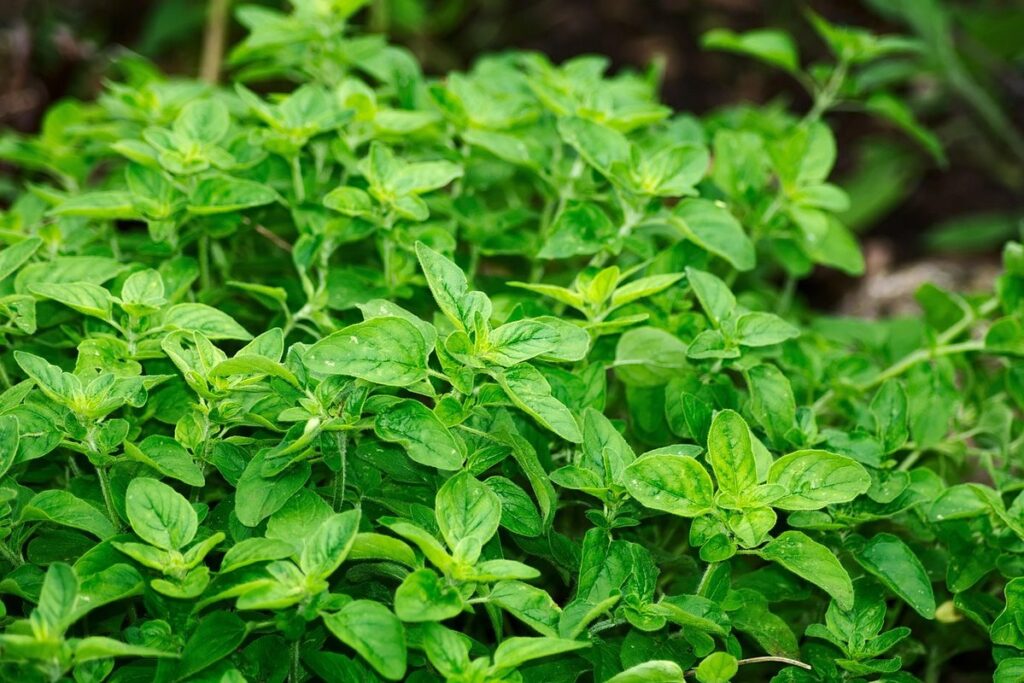
Introduction to Oregano and Its Uses
If you’re new to growing your own herbs, let’s start by learning about oregano – its uses, benefits, and how it can enhance your garden. We’ll explore what makes this versatile herb so special.
What is Oregano?
Oregano is one of the most versatile and widely used herbs globally, adding depth and warmth to a variety of dishes. Its distinctive earthy and slightly bitter flavor profile makes it an essential component in Mediterranean, Italian, and Mexican cuisines. But oregano’s uses extend far beyond the kitchen; its leaves have been prized for centuries for their medicinal properties.
Traditionally, oregano has been employed to alleviate digestive issues, such as indigestion and bloating. Its antiseptic qualities also make it effective in treating minor wounds and reducing inflammation. In aromatherapy, oregano oil is often used to relieve stress and promote relaxation due to its calming aroma. With over 40 species of oregano, the most commonly cultivated variety is Origanum vulgare, which can thrive in a range of conditions, from full sun to partial shade.
To reap oregano’s benefits, you don’t need to be an experienced gardener. Simply sow oregano seeds in well-draining soil and watch it spread its pungent fragrance throughout your garden. With proper care, this hardy herb will reward you with a bounty of leaves that can be harvested year-round.
History and Cultural Significance of Oregano
Oregano has been a staple herb in many cultures around the world for thousands of years. Its origins are believed to be in the Mediterranean region, where it was highly valued by ancient civilizations such as the Greeks and Romans. In fact, the name “oregano” comes from the Greek word “oros,” meaning mountain, and “ganoum,” a type of flower or herb.
In traditional medicine, oregano has been used to treat various ailments, including digestive issues and respiratory problems. For example, in ancient Greece, oregano was used to alleviate symptoms of indigestion and nausea after meals. Similarly, in Ayurvedic medicine, oregano is still used today to help with digestion and relieve stress.
Oregano’s cultural significance extends beyond its medicinal uses. In many Mediterranean countries, oregano is a symbol of hospitality and warmth, often served as a welcome gift to guests. For instance, in Greek cuisine, oregano is an essential ingredient in traditional dishes such as souvlaki and moussaka. Whether used in cooking or as a natural remedy, oregano’s rich history and cultural significance make it a beloved herb around the world.
Health Benefits of Oregano
Oregano is not just a tasty addition to your favorite Italian dishes, it’s also packed with nutrients and offers numerous health benefits when consumed in moderation. Let’s explore its amazing advantages for our well-being.
Antimicrobial Properties of Oregano
Oregano has long been prized for its incredible antimicrobial properties, and it’s no wonder why. The scientific community has extensively studied oregano’s ability to combat bacteria, fungi, and viruses, revealing a wealth of evidence supporting its efficacy.
Research has shown that oregano contains compounds like carvacrol and thymol, which have been proven to exhibit potent antibacterial effects against a range of pathogens, including E. coli, Staphylococcus aureus, and Salmonella typhimurium. These compounds disrupt the bacterial cell membrane, ultimately leading to their demise.
Studies have also demonstrated oregano’s antifungal properties, with carvacrol in particular showing promise in combating Candida albicans, a common fungus that can cause infections in humans. Furthermore, oregano has been found to exhibit antiviral activity against the herpes simplex virus and influenza A virus.
To harness oregano’s antimicrobial power in your garden, consider using it as a natural pesticide or adding fresh oregano leaves to salads, soups, and other dishes for an extra boost of antibacterial goodness.
Anti-Inflammatory Effects of Oregano
Oregano’s active compounds have been shown to possess potent anti-inflammatory properties that can help alleviate inflammation in the body. One of these key compounds is carvacrol, a phenolic compound responsible for oregano’s distinct flavor and aroma. Research has demonstrated that carvacrol exhibits significant anti-inflammatory activity by inhibiting the production of pro-inflammatory enzymes.
When ingested or applied topically, oregano oil’s active ingredients can help reduce inflammation in various parts of the body. For instance, studies have found that applying oregano oil to skin affected by acne or rosacea can decrease redness and inflammation by up to 50%. Similarly, consuming oregano oil capsules may help alleviate symptoms associated with conditions like arthritis, where chronic inflammation is a major contributor.
To harness oregano’s anti-inflammatory benefits in your own life, try incorporating it into your cooking routine. Add fresh or dried oregano leaves to your meals, or use oregano essential oil in moderation. You can also make a natural anti-inflammatory topical cream by mixing oregano oil with coconut oil and applying it directly to affected areas. With its powerful anti-inflammatory compounds, oregano is an excellent addition to any garden – not just for its culinary uses!
Potential Health Risks Associated with Oregano
While oregano is generally considered safe to consume and use, there are some potential health risks and interactions to be aware of. For instance, individuals with sensitive stomachs may experience heartburn or digestive discomfort after consuming large amounts of oregano oil or eating excessive amounts of fresh oregano.
Additionally, people with allergies should exercise caution when handling oregano as they may experience skin irritation, itching, or respiratory issues. Moreover, the high concentration of thymol in oregano essential oil can be toxic if ingested in large quantities.
Pregnant women and individuals with certain medical conditions, such as epilepsy or kidney disease, should consult their healthcare provider before using oregano for medicinal purposes. It’s also essential to note that oregano can interact with blood thinners, diabetes medications, and high blood pressure medication, which may lead to adverse effects.
To minimize potential health risks, it’s recommended to consume oregano in moderation, follow the recommended dosages for oil consumption, and perform a patch test before applying oregano essential oil to sensitive skin.
Gardening Tips for Planting Oregano
When planting oregano, it’s essential to choose a location that receives full sun and has well-draining soil to promote healthy growth. Here are some expert tips to help you get started.
Choosing the Right Location and Soil Type
When planting oregano in your garden, it’s essential to choose a location that provides optimal growing conditions. Oregano prefers well-drained soil and full sun to partial shade. Look for a spot with at least six hours of direct sunlight per day, as this will help the plant photosynthesize and thrive.
The ideal soil pH for oregano growth is between 6.0 and 7.0. If your garden’s natural soil pH is too high or low, you can amend it by adding lime to raise the pH or sulfur to lower it. When selecting a location, also consider the nutrient requirements of oregano. This herb requires a balanced diet of nitrogen, phosphorus, and potassium (NPK) to promote healthy growth.
To ensure your oregano gets the nutrients it needs, consider using compost or well-rotted manure as mulch around the base of the plant. These organic amendments will help retain moisture in the soil while releasing essential micronutrients. By selecting a suitable location and providing the right nutrient profile, you’ll set your oregano up for success and enjoy a bountiful harvest of this versatile herb.
Sowing and Transplanting Oregano Seeds
When it comes to growing oregano from seeds, you have two main options: sowing indoors and then transplanting outside, or direct sowing in the garden. Both methods have their advantages, but it’s essential to choose the right approach based on your climate and desired harvest time.
If you live in a cooler region with shorter growing seasons, it’s best to sow oregano seeds indoors 6-8 weeks before the last frost date. Start by filling small pots or seed trays with a well-draining seed starting mix. Plant the seeds about 1/4 inch deep and keep the soil consistently moist but not waterlogged. Once the seedlings have two sets of leaves, transplant them into larger containers or directly into the garden when the weather warms up.
Direct sowing in the garden is ideal for warmer climates with long growing seasons. Sow oregano seeds about 1/8 inch deep and 12-18 inches apart, thinning to 6-8 inches as they grow. This method allows you to avoid transplant shock and gets your plants off to a strong start.
Transplanting is crucial when moving seedlings from indoors to outdoors. Harden off the seedlings by gradually exposing them to outdoor conditions over the course of 7-10 days. This will help prevent shock and ensure a smooth transition.
Watering and Fertilization Needs of Oregano
When it comes to watering and fertilizing your oregano plants, it’s essential to strike the right balance. Over-watering can be detrimental to oregano growth, leading to root rot and other problems. To avoid this, water your oregano plants when the top 1-2 inches of soil feel dry to the touch. This is usually every 3-4 days in warm weather and less often in cooler months.
In terms of fertilization, a balanced fertilizer with an N-P-K ratio of 10-10-10 is ideal for promoting healthy oregano growth. Feed your plants during the growing season (spring-fall) by mixing the fertilizer into the soil according to the manufacturer’s instructions. It’s also essential to prune your oregano regularly to encourage bushy growth and prevent flowering.
To prune, simply pinch off flower buds as they form, and trim back long stems to about 6-8 inches from the ground. This will help direct the plant’s energy towards leaf production rather than seed development. By following these watering and fertilization tips, you’ll be well on your way to growing a thriving and healthy oregano crop in your garden.
Cooking with Oregano: Recipes and Tips
Now that you have a bountiful oregano harvest, let’s get creative in the kitchen! This next part explores delicious recipes and expert tips for cooking with fresh oregano.
Classic Italian Dishes Featuring Oregano
When it comes to classic Italian dishes, oregano is often at the forefront of flavors. One of the most iconic recipes that feature oregano as a main ingredient is Pizza Margherita. This traditional Neapolitan-style pizza originated in Naples and is named after Queen Margherita of Savoy, who visited the city in 1889.
To make this classic dish, start with a simple dough made from yeast, flour, water, salt, and olive oil. Next, top it with crushed San Marzano tomatoes, creamy mozzarella cheese, and fresh basil leaves. But what sets Pizza Margherita apart is the sprinkle of oregano on top, which adds an earthy, herbaceous flavor to the dish.
Another beloved Italian recipe that showcases the power of oregano is Chicken or Veal Marsala. This braised meat dish typically consists of chicken or veal cutlets cooked in a rich Marsala wine sauce with mushrooms and herbs. To give it an authentic Italian twist, add some chopped fresh oregano towards the end of cooking to allow its flavors to meld with the other ingredients.
To recreate these classic dishes at home, remember that the key to using oregano is to balance its pungency with acidity (from tomatoes or citrus) and richness (from cheese or sauce). A pinch of oregano can elevate even the simplest recipes into a true Italian masterpiece.
Using Oregano in Mediterranean-Style Cooking
When it comes to Mediterranean-style cooking, oregano is a staple herb that adds depth and warmth to dishes. In Greek, Turkish, and Lebanese cuisine, oregano is used liberally to season meats, vegetables, and grains. To incorporate oregano into your own cooking, start by exploring traditional recipes from these regions.
Try making a classic Greek salad with juicy tomatoes, crumbled feta cheese, and a sprinkle of fresh oregano. In Turkish cuisine, oregano is often paired with lamb or beef in stews and braises. For a flavorful Lebanese dish, mix oregano into a simple yogurt sauce to serve alongside grilled meats.
To take your Mediterranean cooking to the next level, experiment with different oregano varieties, such as Greek oregano (Origanum vulgare) or Turkish oregano (Thymus sipyleus). This will give you access to unique flavor profiles and aromas that will elevate your dishes. As you continue to explore the benefits of planting oregano in your garden, you’ll find endless inspiration for creative and delicious Mediterranean-style recipes.
Creative Ways to Add Oregano to Your Meals
When you’ve planted and nurtured your oregano herb garden, it’s time to get creative with its use in cooking. Oregano adds a pungent, earthy flavor to a wide range of dishes, from classic Italian pasta sauces to Greek salads and roasted meats. Here are some innovative ways to incorporate oregano into your meals:
Use fresh oregano leaves as a garnish for soups, stews, or braises. Simply chop the leaves finely and sprinkle them on top before serving. You can also mix minced oregano with olive oil and lemon juice to create a marinade for grilled meats or vegetables.
For a twist on traditional pizza sauce, try adding dried oregano to your homemade sauce recipe. It pairs particularly well with mushrooms, bell peppers, and onions. Alternatively, use oregano as a substitute for thyme or rosemary in recipes – its earthy flavor complements both herbs nicely. Experiment with different combinations to find your new favorite flavor profiles!
Benefits of Growing Oregano Indoors
Growing oregano indoors offers a host of benefits, from fresh flavors to improved air quality, making it an ideal addition to any indoor space. You’ll love how easy and rewarding it is to cultivate this versatile herb.
Space-Saving and Year-Round Harvesting
One of the most significant advantages of growing oregano indoors is its ability to thrive in small spaces. Unlike other herbs that require extensive gardening areas, oregano can be grown on a windowsill or even in a container on a balcony. This makes it an ideal choice for urban gardeners who have limited space but want to enjoy the benefits of fresh herbs.
Year-round harvesting is another advantage of growing oregano indoors. Since it’s not affected by seasonal changes, you can harvest its leaves throughout the year. Simply pinch off the top sets of leaves every few weeks to encourage new growth and prevent the plant from flowering. This continuous supply of fresh oregano will save you money on store-bought herbs and ensure that your cooking always has a flavor boost.
To make the most of indoor growing, use compact containers or vertical planters to maximize space. Keep the soil moist but not waterlogged, and provide bright indirect light for optimal growth. With proper care, your indoor oregano plants will be thriving in no time, ready to add their distinctive flavor to your favorite dishes all year round.
Reduced Pests and Diseases with Indoor Growth
When you grow oregano indoors, you significantly reduce the risk of pests and diseases that commonly affect outdoor plants. This is because indoor conditions allow for better control over temperature, humidity, and air circulation – essential factors in preventing pest infestations.
For instance, spider mites, whiteflies, and mealybugs are notorious pests that thrive in dry environments with high temperatures. By maintaining a humid environment (around 50-60%) and keeping the temperature between 65°F to 75°F (18°C to 24°C), you can create an unappealing atmosphere for these pests.
Additionally, indoor conditions also minimize the risk of fungal diseases such as powdery mildew and root rot. This is because you can maintain optimal watering schedules, which prevent waterlogged soil that leads to these diseases. With proper care and attention, indoor oregano plants are much less likely to suffer from pest or disease issues compared to their outdoor counterparts.
By growing oregano indoors, you enjoy the added benefit of reduced maintenance and lower risk of crop failure due to pests and diseases.
Common Oregano Problems and Solutions
When it comes to growing oregano, you may encounter a few common issues that can affect its health and flavor. Here’s what to look out for and how to fix them.
Identifying and Treating Common Pests and Diseases
As an oregano enthusiast, you’re likely to encounter some common pests and diseases that can affect this lovely herb. Don’t worry; recognizing the problem is half the battle, and with the right approach, you’ll be able to treat them effectively.
Aphids are one of the most common pests affecting oregano plants. These tiny, soft-bodied insects feed on the plant’s sap, causing curled or distorted leaves. If you notice a sticky substance on your plant’s leaves or stems, it might be a sign that aphids have taken over. To get rid of them, spray your plant with a strong jet of water to dislodge the pests, and then treat it with insecticidal soap or neem oil.
Whiteflies are another problem you might encounter. These small insects feed on the sap of oregano plants, causing yellowing leaves and stunted growth. To control whitefly infestations, use fine-mesh screens to cover your plants during peak flying hours (usually late morning and early afternoon). You can also treat your plant with insecticidal soap or neem oil.
Root rot is a common disease affecting oregano plants, especially if the soil is waterlogged. It’s characterized by yellowing leaves, wilting, and soft, mushy stems. If you suspect root rot, repot your oregano in fresh potting mix, making sure to improve drainage and avoid overwatering.
Keep an eye out for these common issues, and with a little care and attention, you’ll be able to keep your oregano plants thriving all season long.
Troubleshooting for Poor Growth or Leaf Drop
If you’ve noticed that your oregano plant is struggling to grow or experiencing excessive leaf drop, don’t worry – it’s more common than you think. Poor growth and leaf drop can be caused by a variety of factors, including inadequate watering, insufficient sunlight, or root bound conditions.
To tackle poor growth, start by checking the moisture levels in your soil. Oregano plants prefer well-draining soil that’s not too wet or dry. If your plant is waterlogged, consider repotting it in a container with better drainage holes. On the other hand, if the soil feels dry to the touch, increase watering frequency.
For leaf drop, inspect your plant for any signs of pests or diseases. Whiteflies, spider mites, and aphids can all contribute to leaf loss. Remove any affected leaves and treat your plant with insecticidal soap or neem oil. You can also try pruning back the stems to encourage new growth.
Monitor your plant’s progress closely after making these adjustments, and be patient – it may take some time for oregano to recover from stress.
Conclusion: Maximizing the Benefits of Planting Oregano
Now that you’ve learned how to grow and care for oregano, let’s explore ways to maximize its benefits in your garden and daily life. We’ll discuss practical tips for getting the most out of this amazing herb.
Recap of Key Takeaways
Planting oregano in your garden offers numerous benefits, from its culinary uses to its potential health advantages. One of the key takeaways from this article is that oregano has antibacterial properties, making it an effective natural remedy for combating common illnesses such as colds and flu. For instance, a study published in the Journal of Ethnopharmacology found that carvacrol, a compound present in oregano, exhibited potent antimicrobial activity against several types of bacteria.
Another benefit of planting oregano is its ability to repel pests and attract pollinators. As mentioned earlier, oregano oil can be used as a natural pesticide, while the flowers provide a rich source of nectar for bees and other beneficial insects. To maximize these benefits, consider growing oregano in a sunny spot with well-draining soil, and harvesting its leaves regularly to encourage new growth.
In terms of practical applications, planting oregano can add a fragrant and flavorful element to your garden, making it an excellent choice for herb gardens or containers. With its hardy nature and low maintenance requirements, oregano is also an ideal crop for beginners or those with limited space.
Encouragement for Readers to Try Growing Oregano
As you’ve learned about the incredible benefits of planting oregano, we hope you’re inspired to give it a try in your own garden. Not only is oregano easy to grow and maintain, but it’s also incredibly versatile and can add a burst of flavor to countless dishes.
If you’re new to growing herbs, don’t worry – oregano is a great starting point! It’s hardy and adaptable, thriving in well-drained soil and full sun. Simply sow the seeds about 1/4 inch deep and keep the soil consistently moist until they germinate. After that, water as needed and prune regularly to encourage bushy growth.
In your kitchen, oregano is a treasure trove of possibilities. Use it to flavor roasted vegetables, soups, stews, and sauces. Mix it with olive oil and lemon juice for a tasty salad dressing or marinade. You can even use dried oregano in place of fresh – simply tie the leaves in small bunches and hang them upside down to dry.
So why not give it a try? Plant some oregano today and discover the joy of having this incredible herb at your fingertips.
Frequently Asked Questions
How can I ensure my oregano plant stays healthy indoors?
To maintain a thriving indoor oregano plant, it’s essential to provide adequate air circulation, which can be achieved by keeping the pot at least 6-8 inches away from any walls or surfaces. Additionally, ensure your oregano is receiving sufficient indirect sunlight (4-5 hours) and maintain a consistent temperature between 65°F to 75°F (18°C to 24°C). Monitor your plant’s watering needs closely, as overwatering can lead to root rot.
Can I grow oregano in containers with poor drainage?
While oregano prefers well-draining soil, it can tolerate some waterlogging. However, if you’re growing in a container with poor drainage, make sure not to let the pot sit in waterlogged conditions for extended periods. This can lead to root rot and other issues. Consider repotting your oregano into a container with better drainage or using a well-draining potting mix to mitigate these risks.
How do I protect my indoor oregano from pests?
Indoor oregano plants are susceptible to pests like spider mites, mealybugs, and aphids. Regularly inspect your plant for signs of infestation, such as white powdery patches or sticky substance on the leaves. To control pest populations, use neem oil or insecticidal soap according to the product’s instructions. Isolate your oregano from other plants, and maintain a clean environment to prevent re-infestation.
Can I harvest oregano leaves throughout the year?
Oregano is a hardy herb that can be harvested continuously, but it will require regular pruning to encourage new growth. Pinch off flower buds as they form to direct the plant’s energy towards leaf production. Harvest individual leaves or stems as needed, and you can expect your indoor oregano to produce new foliage throughout the year.
How do I propagate oregano from cuttings?
To propagate oregano from cuttings, take 4-6 inch stem sections with at least two sets of leaves. Remove lower leaves, leaving only the top pair, and dip the cutting into rooting hormone powder or liquid. Plant the cutting in a well-draining potting mix, water thoroughly, and maintain high humidity until roots develop (around 1-2 weeks). Transplant the new plant to a larger container once established.