
Plant growth is one of nature’s most fascinating phenomena. From the tiny seed that contains all the potential for new life, to the mature plant standing tall in our gardens and parks, it’s an incredible journey. But have you ever wondered what happens inside a seed to make a plant grow? Or how external factors like light, water, and soil affect its development? Understanding the stages of plant growth can be incredibly rewarding, whether you’re a seasoned gardener or just starting out. In this comprehensive guide, we’ll take you through each stage of the plant life cycle – from seed germination to maturity – highlighting the key milestones and factors that influence plant development along the way.
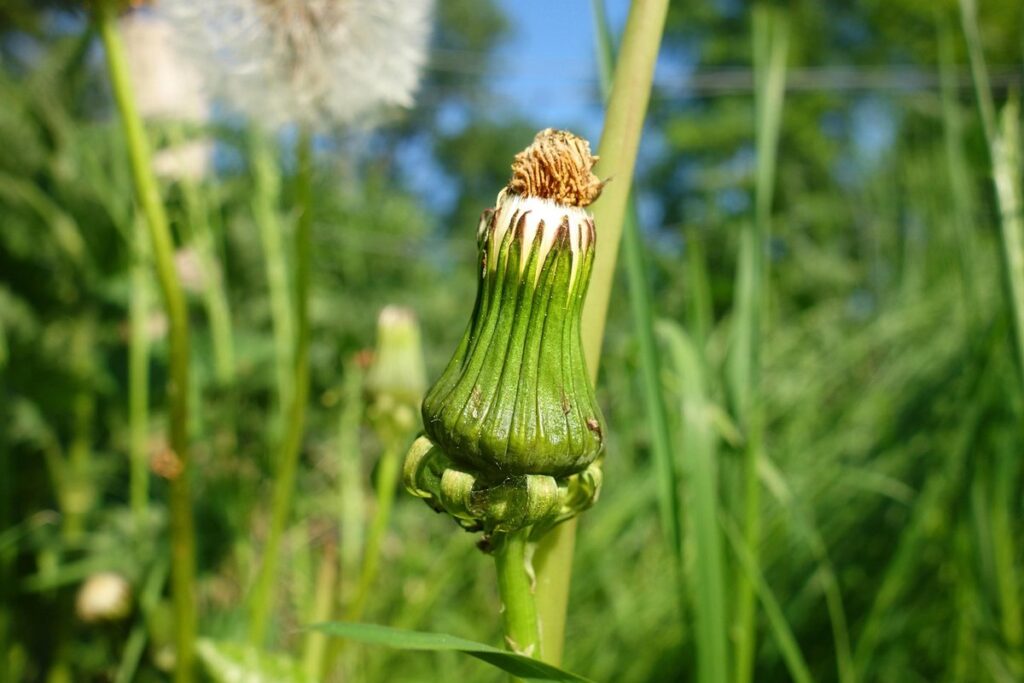
Understanding the Basics of Plant Growth
Let’s start by understanding how plants grow, which is a fundamental concept that sets the stage for everything else you need to know about their life cycles. It begins with seed germination.
Introduction to Plant Anatomy
As we delve into the plant life cycle overview, it’s essential to understand the fundamental components that make up a plant. At its core, a plant is composed of several key parts, each playing a vital role in its growth and development.
Let’s start with the roots, which are responsible for absorbing water and nutrients from the soil. Think of them like a plant’s digestive system, providing essential resources to support the rest of the plant. Roots come in various forms, including taproots, fibrous roots, and adventitious roots, each adapted to specific environments.
Next, we have the stems, which serve as the structural backbone of the plant. Stems provide support for leaves, flowers, and fruits while also transporting water, nutrients, and sugars throughout the plant. Some plants have woody stems, like trees, while others have herbaceous stems that grow from year to year.
Leaves are responsible for photosynthesis, converting sunlight into energy for the plant. They come in various shapes, sizes, and colors, each with unique adaptations to maximize their ability to absorb light.
In addition to these essential components, plants also produce flowers and fruits as part of their life cycle. Flowers attract pollinators, facilitating reproduction, while fruits protect seeds and aid in seed dispersal. Understanding the functions of these various plant parts helps us appreciate the intricate processes that drive a plant’s growth from seed to maturity.
Phases of Plant Development
The life cycle of a plant is a complex process that involves several distinct phases. From seed germination to maturity, each stage plays a crucial role in the overall development and growth of the plant.
Seed germination marks the beginning of the plant’s life cycle. During this phase, the seed absorbs water, breaks dormancy, and begins to sprout roots and shoots. Proper watering and temperature conditions can significantly impact germination rates.
As the plant grows from a seedling into a mature plant, it undergoes several stages of development. The primary root system develops, followed by the establishment of leaves and the beginning of photosynthesis. This phase is critical for the plant’s energy production and nutrient uptake.
Next comes the vegetative growth stage, during which the plant focuses on developing its above-ground structures, such as stems, branches, and roots. This stage can last anywhere from several weeks to several months, depending on factors like climate, soil quality, and water availability.
Finally, the reproductive stage signals the beginning of seed production in mature plants. During this phase, flowers and seeds develop, ensuring the continuation of the plant’s life cycle through reproduction.
Seed Germination and Emergence
As we dive deeper into the plant life cycle, let’s explore how seeds transform into seedlings through the process of germination and emergence. This crucial step sets the stage for a plant’s growth.
Factors Affecting Seed Germination
Seed germination is a critical step in the plant life cycle, and it’s heavily influenced by various environmental factors. Temperature plays a significant role in seed germination, with most seeds requiring a specific temperature range to initiate growth. For instance, tomato seeds typically require a minimum of 65°F (18°C) for germination, while lettuce seeds can germinate at temperatures as low as 40°F (4°C).
Light also has an impact on seed germination. Some seeds, like those of the sunflower and dandelion, require light to germinate, while others, such as onion and garlic, prefer darkness. Water is another essential factor, with most seeds requiring consistent moisture to initiate growth.
Inadequate water can lead to delayed or failed germination. It’s essential to maintain a stable soil temperature and provide the right amount of water for optimal seed germination. A general rule of thumb is to keep the soil consistently moist but not waterlogged. By understanding these environmental factors, you can create an ideal environment for your seeds to germinate and thrive.
The Role of Roots in Plant Growth
As seeds germinate and emerge from the soil, an essential process begins to unfold – the development of roots. During this critical stage, roots start to sprout beneath the surface, often invisible to the naked eye. However, their impact on plant growth is significant.
In fact, roots are responsible for approximately 70% of a plant’s water and nutrient uptake, making them a vital component of the plant life cycle. As the root system expands, it digs deeper into the soil, allowing the plant to access essential resources like nitrogen, phosphorus, and potassium.
As roots grow, they also play a crucial role in anchoring the plant, preventing toppling or uprooting due to strong winds or water runoff. For example, some plants, such as carrots and beets, produce taproots that enable them to grow deep into the soil, while others, like potatoes, develop extensive root systems.
To promote healthy root development during germination, ensure the soil is well-draining and fertile. Avoid overwatering, which can lead to root rot and other issues. By understanding the importance of roots in plant growth, you’ll be better equipped to provide optimal conditions for your plants to thrive throughout their life cycle.
Vegetative Growth and Development
Now that we’ve explored seed germination, let’s dive into the vegetative growth stage where roots and shoots begin to develop. This is a crucial phase in a plant’s life cycle.
Leaf Formation and Expansion
As plants undergo vegetative growth and development, one of the most critical aspects is the formation and expansion of leaves. Leaves are responsible for photosynthesis, which is essential for a plant’s survival. The morphology of leaves varies among different plant species, but they generally consist of three main parts: the blade (the flat part of the leaf), the petiole (the stem that attaches the leaf to the plant), and the stipules (small, leaf-like structures at the base of the petiole).
Leaves are responsible for capturing sunlight and converting it into energy through photosynthesis. This process involves the conversion of carbon dioxide and water into glucose and oxygen. Leaves have specialized cells called chloroplasts that contain pigments such as chlorophyll, which absorbs light energy.
Transpiration is another vital function of leaves, where they release excess water vapor into the air through tiny openings called stomata. Proper transpiration helps maintain the plant’s balance of water intake and evaporation. To promote healthy leaf growth, ensure your plants receive adequate sunlight, water, and nutrients. Prune or train your plants to optimize their structure and facilitate air circulation around leaves for efficient gas exchange.
Stem Elongation and Branching
Stem elongation and branching are crucial aspects of plant growth that determine their overall shape and architecture. As plants develop, they allocate resources to either extend their stem (primary growth) or produce new branches (secondary growth). The mechanisms controlling these processes involve complex interactions between hormones, environmental factors, and genetic regulation.
Hormones such as auxins, gibberellins, and cytokinins play key roles in regulating stem elongation. For instance, auxins promote cell elongation by increasing the activity of enzymes that break down cell walls, allowing cells to expand and grow. Gibberellins, on the other hand, stimulate cell division, leading to increased stem growth.
In contrast, branching is influenced by cytokinins, which promote cell division in the shoot apical meristem, leading to the formation of new axillary buds that eventually develop into branches. Environmental factors like light intensity and temperature also impact stem elongation and branching. For example, plants grown under high light conditions tend to produce more lateral shoots as a strategy to optimize photosynthesis.
By understanding these mechanisms, you can optimize plant growth and development in your garden or greenhouse by providing the right environmental conditions and adjusting your pruning practices accordingly.
Reproductive Growth and Flowering
As we’ve discussed growth stages, let’s dive into how plants produce seeds by focusing on reproductive growth, flowering, and seed production. This crucial process ensures plant survival.
The Role of Hormones in Plant Reproduction
Hormones play a crucial role in regulating plant reproduction and flowering. In plants, reproductive growth is triggered by changes in environmental conditions such as temperature, light, and water availability. The plant hormone auxin plays a key role in promoting stem elongation and leaf expansion, which provides the necessary framework for floral development.
Ethylene, on the other hand, promotes flower formation and senescence (the aging process). It is produced in response to stress factors such as drought or high temperatures. This hormone also regulates the transition from vegetative growth to reproductive growth by promoting the conversion of leaves into flowers.
In many plant species, gibberellins are responsible for stimulating stem elongation, which allows the inflorescence (the flowering part of a plant) to grow beyond the foliage. The balance and interaction between these hormones determine when and how plants produce flowers. Understanding this complex interplay is essential for growers who want to optimize flower production in their crops.
For example, manipulating ethylene levels through techniques like pruning or CO2 supplementation can enhance flower formation in certain species. Similarly, adjusting the auxin concentration in rooting hormone preparations can improve grafting success rates by promoting healthy root growth. By understanding how plant hormones regulate reproductive growth and flowering, growers can make informed decisions to optimize their crop yields.
Pollination and Fertilization Processes
Pollination is a crucial step in the plant life cycle, where plants reproduce by transferring pollen from one plant to another. This process can be facilitated through various means, including wind, water, and animals. For example, bees are excellent pollinators, as they transfer pollen between flowers while collecting nectar. Similarly, butterflies and hummingbirds also play a significant role in pollination.
Once the pollen has been transferred to the stigma of another plant, it germinates into a pollen tube, allowing sperm cells to travel down the tube towards the ovules. Fertilization then occurs when one sperm cell fuses with an egg cell, resulting in the formation of a zygote. This process is essential for seed production and ensures the continuation of the plant species.
To encourage pollination, gardeners can create a welcoming environment by planting a diverse range of flowers that bloom at different times. This will attract a variety of pollinators and increase the chances of successful pollination.
Senescence and Abiotic Stress
As plants grow and mature, they inevitably face challenges from senescence, a natural aging process, and abiotic stressors that impact their survival and reproduction. Let’s explore how these factors shape plant development.
Causes and Effects of Senescence
Senescence, or aging, is an inevitable process that affects all living organisms, including plants. As plants grow and mature, they eventually reach the end of their life cycle, and senescence sets in. But what causes this decline in plant productivity? There are several reasons behind senescence, including environmental stressors such as drought, extreme temperatures, and nutrient deficiencies.
These abiotic stresses can trigger a cascade of physiological changes within the plant, leading to reduced growth rates, lower yields, and eventually, death. For example, when plants experience prolonged drought conditions, they may undergo premature aging, resulting in reduced fruiting and flowering. Similarly, exposure to high temperatures can cause plants to produce reactive oxygen species (ROS), which can damage cellular components and accelerate senescence.
The consequences of senescence are far-reaching, impacting not only plant productivity but also ecosystem health. As plants decline, they may become more susceptible to pests and diseases, further exacerbating the problem. Understanding the causes and effects of senescence is crucial for developing strategies to mitigate its impact on plant growth and productivity.
Managing Abiotic Stress in Plants
Plants face numerous abiotic stresses that can hinder their growth and productivity. Drought stress is one of the most common abiotic stresses affecting plants worldwide. When a plant is subjected to drought conditions, its water deficit can lead to reduced growth rates, lower yields, and even death. To manage drought stress, farmers often employ techniques such as mulching, drip irrigation, and crop selection. For instance, some crops like sorghum are more drought-tolerant than others.
Temperature extremes are another significant abiotic stress affecting plants. High temperatures can lead to heat stress, which can cause damage to plant cells and disrupt metabolic processes. On the other hand, low temperatures can cause cold shock, leading to reduced growth rates and increased susceptibility to disease. To mitigate temperature-related stresses, farmers often use techniques such as shading, windbreaks, or selecting crop varieties that are more tolerant of extreme temperatures.
Salinity stress also poses a significant threat to plant growth, particularly in coastal regions where water salinity levels can be high. High salt concentrations can lead to ion toxicity and nutrient deficiencies, ultimately affecting plant productivity. To manage salinity stress, farmers often employ techniques such as leaching excess salts from the soil or using crop varieties that are more tolerant of saline conditions.
When managing abiotic stresses, it’s essential to consider the specific needs of your plants. By selecting the right crop varieties, implementing appropriate irrigation strategies, and providing optimal growing conditions, you can help mitigate the effects of drought, temperature extremes, and salinity stress. This can ultimately lead to improved plant growth, increased yields, and enhanced overall plant health.
Plant Life Cycle Variations
Let’s dive into some fascinating exceptions, as not all plants follow the traditional seed-growth-reproduction life cycle. Some have adapted unique variations that will surprise you!
Annual vs. Perennial Plants
When it comes to plant life cycles, two main categories stand out: annual and perennial plants. Understanding the difference between these two types is essential for gardeners and horticulturists alike.
Annual plants complete their life cycle within a year, meaning they germinate, grow, produce flowers and seeds, and die all within 12 months. These plants typically require more maintenance as they need to be replanted every season. Examples of annuals include marigolds, tomatoes, and petunias. Because they have such a short lifespan, annuals are often used as bedding plants or in containers where the soil can be easily replaced each year.
On the other hand, perennial plants live for more than two years, often thriving for many seasons with proper care. They may go dormant during winter months but will come back to life when warmer temperatures return. Perennials like roses, daylilies, and hostas are great options for gardeners who want long-term results without the need for annual replanting. By choosing the right type of plant for your climate and needs, you can enjoy a beautiful and thriving garden year after year.
Adaptation to Environmental Conditions
As plants grow and develop throughout their life cycle, they must adapt to various environmental conditions to survive. Different species have evolved unique strategies to cope with changes in temperature, light, water availability, and other factors that impact their growth.
Some plants are adapted to extreme environments, such as cacti and succulents that thrive in arid deserts, while others require more moderate conditions, like ferns that prefer shaded areas. For example, the Amazonian water lily has adapted to low-oxygen levels by developing large leaves with a thick cuticle that helps conserve moisture.
The ability of plants to adapt to environmental conditions is often linked to their genetic makeup and developmental stages. Research on Arabidopsis thaliana, for instance, has shown that young seedlings are more sensitive to temperature fluctuations than older plants. This suggests that early adaptation strategies may be crucial in establishing a plant’s resilience to changing conditions.
To better understand how your plants adapt to environmental conditions, observe their responses to variations in light, water, and temperature. Note which species seem more resilient and why. By acknowledging the unique adaptations of each plant, you can create a more favorable environment for growth and development.
Some key takeaways from this topic include:
* Different plant species have evolved distinct strategies for coping with environmental stressors.
* Adaptation is often linked to genetic makeup and developmental stage.
* Understanding how plants respond to environmental conditions can help you optimize their growth and resilience.
By recognizing the diverse adaptations of plants, we can better appreciate their complexity and develop more effective strategies for cultivation.
Frequently Asked Questions
How long does the entire plant life cycle typically take?
The duration of a plant’s life cycle can vary greatly, depending on factors like species, environmental conditions, and genetics. Generally, annual plants complete their life cycles within a year or less, while perennial plants can live for many years. For example, some trees can live for hundreds or even thousands of years.
Can I speed up or slow down plant growth by adjusting external factors?
While you can influence plant growth through external factors like light, water, and soil quality, it’s essential to understand that each species has its optimal growing conditions. Trying to accelerate or decelerate growth beyond these parameters can be detrimental to the plant’s health.
What happens if a plant is not receiving enough nutrients during seed germination?
Inadequate nutrient supply during seed germination can hinder the development of roots and shoots, leading to stunted or weak growth. Providing essential nutrients like nitrogen, phosphorus, and potassium through fertilization or organic amendments can help support healthy seedling development.
Can plants adapt to extreme environmental conditions?
Yes, many plant species have evolved mechanisms to cope with extreme temperatures, droughts, or other adverse environmental conditions. However, these adaptations are highly dependent on the specific genetic makeup of the plant and its evolutionary history. Some plants can even exhibit phenotypic plasticity, adjusting their growth and development in response to changing environmental cues.
How do I determine if a plant is experiencing abiotic stress?
Abiotic stress can manifest in various ways, including visible signs like wilting, discoloration, or stunted growth. Regularly monitoring your plants’ appearance, measuring soil moisture and pH levels, and maintaining optimal growing conditions can help you identify potential issues before they become severe.