
Growing your own garlic at home can be a rewarding experience, but it requires some knowledge and planning. If you’re new to gardening or looking for ways to boost your harvest, planting garlic cloves is an excellent place to start. Not only is homemade garlic a game-changer in the kitchen, but it’s also surprisingly easy to grow with the right techniques.
In this article, we’ll take you through everything you need to know about planting garlic cloves, from selecting the right variety for your climate to preparing the perfect soil conditions. We’ll cover expert tips on spacing, depth, and watering, ensuring you get the best possible yields of delicious, homegrown garlic. Whether you’re a seasoned gardener or just starting out, our comprehensive guide will have you growing like a pro in no time.
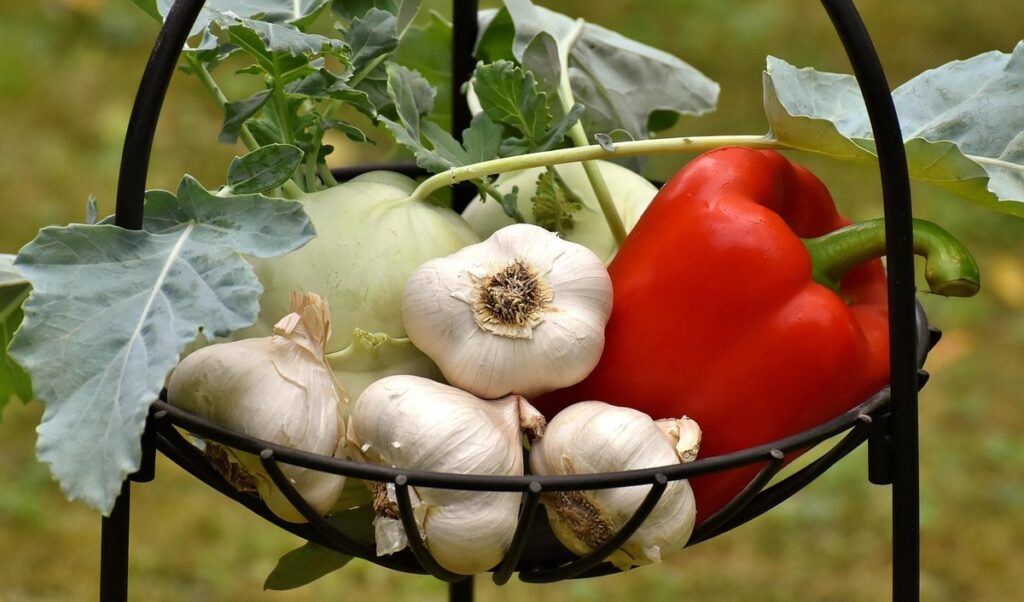
Choosing the Right Garlic Variety and Preparing the Soil
Before planting your garlic cloves, let’s choose a variety that thrives in your climate and prepare the soil to give them the best chance of success. This will ensure a bountiful harvest!
Selecting the Best Garlic for Your Region
When selecting garlic varieties for your garden, it’s essential to consider the climate and soil type in your region. Different regions have unique conditions that can affect garlic growth, so choosing a variety that thrives in your local environment is crucial.
For example, if you live in a hot and dry climate, look for varieties like ‘Creole’ or ‘Rocambole’, which are bred to be more heat-tolerant. On the other hand, if you live in a cool and wet climate, consider varieties like ‘Silverskin’ or ‘Artichoke’, which prefer moist conditions.
Soil type is also a critical factor when selecting garlic varieties. If your soil is alkaline, choose varieties that are resistant to alkalinity, such as ‘Rocambole’. Similarly, if your soil is prone to pests and diseases, look for varieties with built-in resistance like ‘Elephant’ or ‘Ajo Rojo’.
Before making a final selection, research the specific growing conditions in your region and choose garlic varieties that match those requirements. This will ensure a healthy harvest and minimize the risk of disease and pest issues.
Understanding Soil Requirements for Garlic Growth
When it comes to growing garlic, having the right soil conditions is crucial for optimal growth and flavor. Soil pH plays a significant role in determining the nutrient availability and uptake by garlic plants. Ideally, the soil pH should be between 6.0 and 7.0, as this range provides the best balance of nutrients for garlic growth.
Garlic requires a well-draining soil to prevent waterlogged conditions that can lead to root rot. A mix of sand, silt, and clay with adequate organic matter helps in maintaining good drainage. It’s essential to test your soil pH and adjust it if necessary before planting garlic cloves.
In terms of nutrient requirements, garlic needs a balanced diet of nitrogen (N), phosphorus (P), and potassium (K). Compost or well-rotted manure can be added to the soil to provide these nutrients. Aim for a ratio of 10:10:10 NPK or a similar balance based on your soil test results.
When preparing the soil, remove any debris and till it to a depth of about 8-10 inches. Mix in 2-3 inches of compost or well-rotted manure, and rake the surface smooth before planting garlic cloves. This will give them the best possible start for healthy growth.
Preparing the Bulbs: Cleaning, Curing, and Storing
Before planting your garlic cloves, it’s essential to clean and cure them properly to ensure healthy growth. Cleaning and curing also helps prevent fungal diseases that can harm your bulbs.
Cleaning and Handling Garlic Bulbs
Cleaning and handling garlic bulbs properly is crucial to prevent damage and disease. When you bring home your garlic bulbs from a nursery or store, take a closer look at them. Check for any visible signs of mold, rot, or pests like aphids, spider mites, or mealybugs. If you notice any issues, gently remove the affected cloves with sterile scissors or pruning shears to prevent the problem from spreading.
To clean your garlic bulbs, mix 1 tablespoon of baking soda with 1 gallon of water in a sink or large container. Submerge the bulbs and let them soak for about 10-15 minutes. This will help loosen any dirt or debris without damaging the delicate cloves. After soaking, gently scrub each bulb under running water to remove any remaining dirt.
When handling garlic bulbs, make sure your hands are clean and dry. Garlic can easily transfer its oils from one plant to another, which may cause problems like fungal growths or pest infestations. To prevent this, wash your hands before touching the garlic bulbs again. By following these simple steps, you’ll be able to prepare your garlic for planting with minimal risk of damage or disease.
The Importance of Proper Storage Before Planting
Proper storage of garlic bulbs before planting is crucial for their health and success. When you harvest garlic, it’s still quite moist and vulnerable to rot. If not stored correctly, the bulbs can develop mold, decay, or even sprout prematurely. This can lead to poor germination rates, weak growth, and reduced yields.
To prevent these issues, it’s essential to cure and dry your harvested garlic bulbs properly. Start by brushing off any loose soil from the bulbs and then lay them out in a single layer on a wire rack or tray. Keep them in a warm, dry place with good air circulation for 1-2 weeks. This allows excess moisture to evaporate, helping to prevent rot.
You can also use a food dehydrator or a low-temperature oven (150°F – 200°F) for a few hours to speed up the drying process. Once the bulbs are dry and hard to the touch, you’re ready to store them in a cool, dark place like a paper bag or breathable container. This will help preserve their natural dormancy until planting time. By taking this extra step, you’ll ensure your garlic cloves have the best chance of thriving when planted.
Planting Garlic Cloves: Techniques and Timing
When planting garlic cloves, timing is everything – learn the ideal times to plant for a successful harvest, regardless of your climate. Choosing the right technique will also make all the difference in your garden’s success.
How to Plant Garlic Cloves at the Right Depth and Spacing
When planting garlic cloves, it’s essential to get the depth and spacing just right. This will give your bulbs a strong start and ensure they grow into healthy, flavorful plants. To achieve this, begin by digging shallow trenches for each row of cloves. The ideal depth depends on the variety, but as a general rule, plant individual cloves 4-6 inches apart, with their pointed end facing up towards the surface.
For most garlic varieties, aim to bury them about 2-3 inches deep, leaving only the top third exposed. This allows for even growth and prevents rot from developing at the base of the bulb. If you’re planting a hardneck variety, which has a central stem, bury it slightly deeper – up to 4 inches – as this will help prevent the stem from becoming damaged.
Remember to space rows about 12-18 inches apart to allow for easy harvesting and to promote air circulation between plants. This simple yet crucial step sets the stage for your garlic crop’s success.
Understanding the Importance of Timing for Garlic Planting
When it comes to planting garlic cloves, timing is everything. The optimal planting time varies depending on your region’s climate and weather conditions. In general, spring-planted garlic is suitable for regions with mild winters and cool summers, while fall-planted garlic thrives in areas with warm summers and cold winters.
In regions with frost-free winters, such as California or Florida, you can plant garlic cloves in the early spring, about 6-8 weeks before the last frost date. For areas with moderate winters, like the northeastern United States, fall planting is recommended, about 30 to 60 days before the first hard frost. In regions with cold and snowy winters, such as Alaska or Canada, it’s best to plant garlic cloves in early spring, as soon as the soil can be worked.
Keep in mind that garlic needs a period of cold weather to induce dormancy, so avoid planting too early. A general rule of thumb is to plant when the soil temperature is between 40°F and 50°F (4°C and 10°C), which allows for optimal growth and development.
Caring for Your Garlic Crop: Watering, Mulching, and Pest Control
Once your garlic cloves are planted, they’ll need regular care to thrive. Here’s how to water, mulch, and protect your crop from pests.
How to Provide Adequate Water and Moisture for Garlic Plants
Water is essential for garlic plants to grow well. Over-watering and under-watering can be detrimental to their health, so finding a balance is crucial. To start, water the soil when it feels dry to the touch, usually about 1-2 times a week during spring and summer months.
However, there are factors that may affect your watering schedule such as climate, soil type, and container size. For instance, garlic plants grown in containers may require more frequent watering due to their smaller root system.
In ideal conditions, the top 6 inches of soil should be kept moist but not waterlogged. A good indicator is when you gently insert your finger into the soil, if it feels dry at that depth, it’s time for a drink.
You can also observe your garlic plants’ behavior. If they start to wilt or their leaves turn yellow, this could indicate over-watering. Conversely, if the leaves become crispy or brittle, under-watering might be the issue.
Mulching is another technique you can use to retain moisture in the soil and regulate its temperature. Apply a 2-inch layer of organic mulch around your garlic plants to keep them healthy throughout the growing season.
The Benefits of Mulching Around Garlic Plants
Mulching around garlic plants provides numerous benefits that can enhance their growth and overall health. One of the primary advantages is weed suppression. Weeds compete with garlic for water, nutrients, and light, which can hinder their development. By mulching around the plants, you create a barrier that prevents weeds from growing nearby, reducing the need for frequent weeding and minimizing competition for resources.
Another significant benefit of mulching is soil temperature regulation. Garlic prefers cooler temperatures to grow, typically between 40°F (4°C) and 70°F (21°C). Mulch acts as an insulator, retaining moisture in the soil during hot summer days while keeping it cool during cold winter nights. This controlled temperature environment promotes steady growth and minimizes stress on the plants.
To maximize these benefits, apply a 2-3 inch layer of organic mulch, such as straw or wood chips, around your garlic plants after they’ve reached about 6 inches in height. As the mulch breaks down, it will also enrich the soil with beneficial nutrients. Regularly replenish the mulch to maintain its effectiveness and keep weeds at bay.
Troubleshooting Common Garlic Growing Issues
If you’re running into problems with your garlic, don’t worry – we’ve got solutions! This next part covers common issues and their easy fixes to get your crop back on track.
Identifying and Addressing Common Pests and Diseases
As you nurture your garlic crop, be aware that pests and diseases can quickly spread, threatening your harvest. Common issues to watch out for include aphids, spider mites, and thrips, which can weaken the plants by sucking their sap. These tiny creatures often appear as tiny white dots or a fine webbing on the leaves.
To address infestations, start by inspecting your plants regularly and taking swift action at the first sign of trouble. Use neem oil or insecticidal soap to control aphids and other pests. Prune affected areas carefully to prevent further damage.
Garlic is also susceptible to diseases like powdery mildew and downy mildew, which cause a white, powdery coating on the leaves and yellowing foliage. To prevent these issues, maintain good air circulation around your plants and avoid overwatering. If you notice symptoms, treat with fungicides specifically designed for garlic.
Prevention is key; implement integrated pest management strategies by introducing beneficial insects like ladybugs or lacewings to control pests naturally.
Understanding How to Deal with Poor Soil Conditions and Nutrient Deficiencies
When it comes to growing garlic, soil conditions and nutrient deficiencies can be major obstacles. Poor soil quality can lead to weak and spindly growth, while inadequate nutrients can stunt bulb development altogether. To address these issues, it’s essential to first diagnose the problem.
Start by observing your garlic plants’ overall health and appearance. Are they pale or wilted? Do they have yellowing leaves? These symptoms often indicate a nutrient deficiency. For example, if you notice a lack of leaf growth, it may be due to inadequate nitrogen levels in the soil. Conversely, if the leaves are yellow but the stems are still green, it could be a sign of potassium deficiency.
To rectify these issues, consider getting your soil tested for nutrient levels and pH balance. Based on the results, amend your soil with organic matter like compost or manure to improve its fertility. If you’re experiencing persistent problems, consider repotting your garlic in fresh, well-draining soil.
Some specific nutrients that are essential for healthy garlic growth include nitrogen, phosphorus, and potassium (NPK). Be sure to follow the recommended application rates and timing to avoid over-fertilizing, which can damage your plants.
Harvesting and Storing Garlic for Optimal Flavor and Shelf Life
Once your garlic has matured, it’s essential to harvest and store it correctly to preserve its flavor and shelf life. Here’s how to do it right.
Knowing When to Harvest Garlic for Maximum Flavor and Quality
When you’ve planted and cared for your garlic cloves, it’s essential to know when to harvest them for maximum flavor and quality. As a general rule, most varieties of garlic are ready to be harvested about 3-4 months after planting, although this can vary depending on factors like climate and soil conditions.
To determine if your garlic is ready to be harvested, look for the following signs: the tops of the plants will begin to yellow and fall over, indicating that the bulbs have finished growing. Another indicator is when you notice a slight softening at the base of the stem, where it meets the bulb. This is usually around 3-4 weeks before the full yellowing of the tops.
In terms of flavor profile, garlic is typically ready to harvest when the cloves are firm and plump, with a slightly sweet aroma. Avoid harvesting too early, as this can result in bulbs that are small or lacking in flavor. On the other hand, over-maturity can lead to the formation of tiny, immature bulbs that won’t store well. If you’re unsure, it’s always better to err on the side of caution and wait a bit longer – your patience will be rewarded with larger, more flavorful bulbs.
Proper Storage and Handling Techniques for Freshly Harvested Garlic
Proper storage and handling of freshly harvested garlic is crucial to maintain its quality and shelf life. When you harvest your garlic, make sure to handle it gently to avoid bruising the cloves. Cut off the stalks about an inch above the bulbs, leaving some stem attached to each bulb.
To store your freshly harvested garlic, tie the bulbs in small bunches with twine or rubber bands, leaving enough space between each bulb for air to circulate. Hang them upside down in a cool, dry place with good ventilation, away from direct sunlight and heat sources. This will help prevent moisture buildup and keep the garlic fresh.
It’s essential to store garlic in an area with consistent temperatures between 40°F to 50°F (4°C to 10°C). Avoid storing it near potatoes or apples as they release ethylene gas, which can cause garlic to spoil faster. Keep the storage area clean and dry to prevent pests and mold from developing.
For long-term storage, consider storing your garlic in airtight containers filled with silica gel or sand to maintain humidity levels around 50-60%. Check on your stored garlic regularly to ensure it remains fresh and healthy.
Frequently Asked Questions
Can I plant garlic cloves indoors during the off-season?
Yes, you can grow garlic indoors using a pot or container to get a head start on the growing season. This is an excellent option for regions with harsh winters or limited outdoor space.
Keep your indoor plants in a cool, bright spot and maintain good air circulation to prevent moisture buildup and disease. Transplant them outdoors when weather permits.
What happens if I plant garlic cloves too shallow or too deep?
Planting garlic at the wrong depth can affect bulb size and quality. If planted too shallow (less than 2-3 inches), the cloves may not develop properly, resulting in small bulbs. Too deep (more than 4-5 inches) can lead to poor growth and increased disease susceptibility.
Check your local climate and soil conditions to determine the optimal depth for your garlic variety.
How do I store my freshly harvested garlic to preserve its flavor and shelf life?
To maintain optimal flavor and freshness, store your harvested garlic in a cool, dry place with good air circulation. You can also hang them upside down or store them in mesh bags to keep them away from moisture and light.
Avoid storing garlic in humid environments like basements or near sinks.
Can I grow multiple varieties of garlic together?
Yes, you can interplant different garlic varieties for a diverse harvest. Choose varieties that mature at similar times (around 90-120 days) and have compatible growth habits to ensure success.
Consider planting companion plants like chives or parsley to complement your garlic crop and repel pests.
What if I notice yellowing leaves on my garlic plants? Is it a disease?
No, yellowing leaves can be caused by nutrient deficiencies, overwatering, or temperature fluctuations. Regularly inspect your plants for signs of stress and adjust your care accordingly.
If the issue persists, consult local gardening resources or experts to determine the underlying cause and implement corrective measures.