
Plant galls are one of nature’s most fascinating mysteries. These unique growths on plants can look like strange, alien-like protrusions at first glance, but they’re actually a crucial part of the plant’s defense mechanism against pests and diseases. But what exactly are plant galls, and how do they work? In this article, we’ll delve into the world of plant galls, exploring their characteristics, benefits, and drawbacks. We’ll also examine the role that plant galls play in ecosystems, from supporting biodiversity to informing pest control strategies. Whether you’re a gardener looking for new ways to protect your plants or a scientist interested in the intricate relationships between plants and pests, this article will provide you with a deeper understanding of these complex structures. By the end, you’ll be equipped with knowledge that can help you navigate the complex world of plant galls and their many implications.
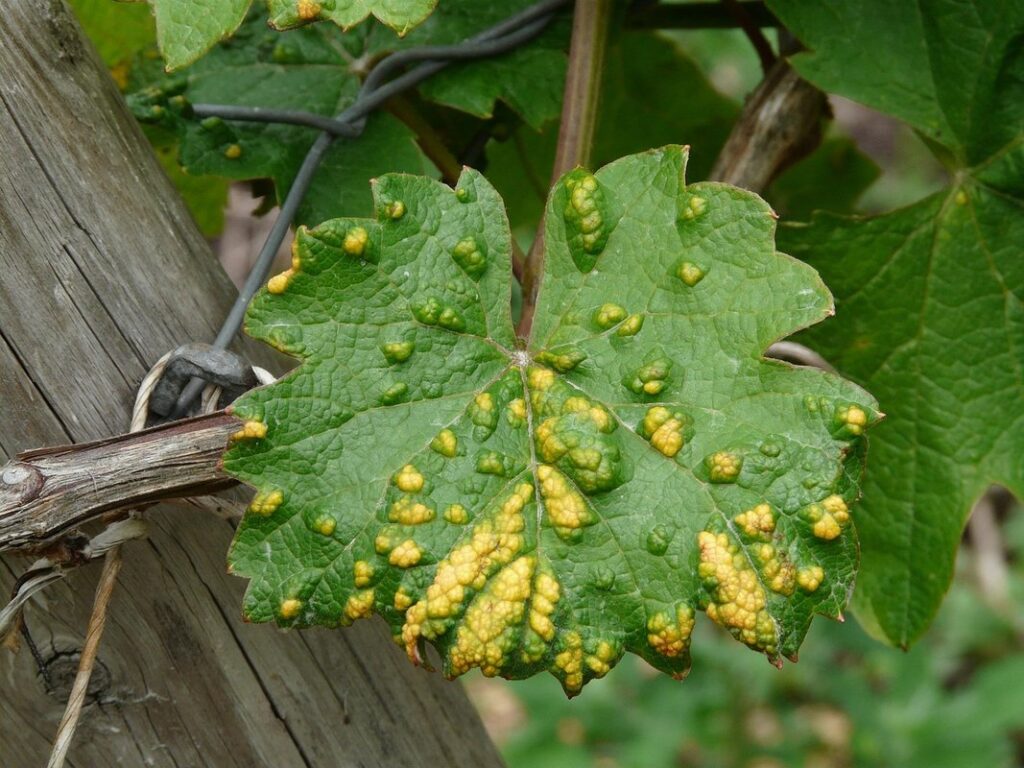
What Are Plant Galls?
So, you want to know what plant galls are and how they form? Let’s start at the beginning and explore the fascinating process of gall formation on plants.
Definition and Explanation
Plant galls are fascinating growths that form on plants as a result of a symbiotic relationship between the plant and an external organism, such as an insect, mite, or fungus. This unique association leads to the development of abnormal cell tissue, resulting in a range of shapes, sizes, and colors. Unlike other plant diseases or pests, galls are generally harmless to the plant itself, although they can be detrimental to its overall health by draining resources.
A key characteristic of plant galls is their ability to provide shelter and sustenance for the inducing organism. For instance, certain wasps lay eggs within a gall, which then feed on plant sap, providing nutrients to the developing larvae. In other cases, fungi form mycelium within the gall tissue, using it as a nutrient-rich environment.
To identify plant galls, look for unusual growths or deformities on your plants’ leaves, stems, or roots. Some common types include leaf galls, stem galls, and root galls. If you suspect a gall has formed on one of your plants, research the specific type to understand its potential impact and how it might be managed.
Types of Plant Galls
Plant galls come in various forms and sizes, each with its unique characteristics. Leaf galls are one of the most common types, often caused by insects like aphids and caterpillars that induce plant cells to grow into abnormal shapes to shelter them. These galls can take on distinctive forms such as rounded nodules or elongated projections.
Stem galls are less frequent but equally fascinating. They usually result from parasitic plants like mistletoe, which tap into the host plant’s vascular system for nutrients. Root galls, on the other hand, occur when fungal pathogens infect the root system of a plant, causing it to grow into abnormal growths.
In addition to these main categories, there are also specialized types of plant galls that form as a result of specific interactions between organisms and plants. For instance, gall-forming wasps create intricate structures within plant tissues, providing them with shelter while the plant provides nutrients in return. Understanding the various types of plant galls not only deepens our appreciation for their complexity but also highlights the intricate relationships between organisms in ecosystems.
Formation Mechanisms
Plant galls can be formed through various mechanisms, including parasitic insects, bacteria, and fungal infections that trigger a plant’s defense response. Let’s explore how these mechanisms shape the formation of different types of galls.
Parasitic Insects and Fungi
When it comes to the formation of plant galls, parasitic insects play a significant role. These insects, such as wasps and flies, cause plant galls to form through their life cycle. For instance, certain species of cynipid wasps induce plant cells to grow into abnormal structures that serve as a shelter for the wasp’s larvae.
As these wasps lay their eggs on the plant, they secrete chemicals that trigger the plant’s defense mechanism. The plant responds by producing new tissue around the eggs, which eventually develops into a gall. This process can take several weeks or even months to complete. In some cases, the galls can grow quite large and become home to multiple generations of wasps.
Similarly, certain species of flies, such as the kelp gall midge, induce plant cells to form abnormal structures that provide shelter for their larvae. The chemical signals secreted by these insects trick the plant into producing new tissue around them, leading to the formation of galls.
It’s worth noting that not all parasitic insects cause plant galls to form. However, those that do have evolved complex strategies to manipulate the plant’s defense mechanisms and trigger the growth of abnormal structures that provide shelter for their larvae.
Mutualistic Relationships
One of the most fascinating aspects of plant galls is the intricate web of relationships between plants and other organisms that lead to their formation. Mutualistic relationships are a perfect example of this phenomenon, where both parties benefit from each other’s presence. Certain types of fungi, such as nematode-associated fungi, form symbiotic relationships with plants, leading to the development of galls.
These mutualistic relationships often involve the production of chemicals that stimulate plant growth and defense mechanisms, which in turn provide a suitable environment for the fungus to thrive. For instance, the fungus may produce auxins, which promote cell division and differentiation, causing the plant tissue to swell and form a gall. In return, the fungus is provided with nutrients and shelter from predators.
It’s essential to note that not all fungi are beneficial, and some can cause harm to their host plants. However, for those that have formed mutualistic relationships, the benefits are clear. For example, researchers have found that certain species of galls associated with nematode-fungi complexes exhibit enhanced resistance to herbivores and pathogens.
As you explore the world of plant galls, keep in mind that these intricate relationships can provide valuable insights into the complex interactions between organisms in ecosystems. By studying mutualistic relationships, scientists can develop new strategies for sustainable pest management and promote biodiversity.
Benefits and Drawbacks for Plants
When it comes to plant galls, there are two important aspects to consider: what they offer plants in terms of protection and benefits, and what drawbacks they may also bring.
Defense Mechanisms
Plant galls can serve as effective defense mechanisms against herbivores and pathogens. These abnormal growths provide plants with a unique opportunity to outsmart their attackers by altering their appearance, texture, and chemistry. For instance, certain gall-inducing insects can create galls that resemble the plant’s own structures, making them less susceptible to herbivorous predators.
In some cases, galls may even sequester toxic chemicals from the attacking insect, rendering them harmless to other herbivores. This process is known as “chemical defense,” where the plant utilizes the insect’s toxins against itself. For example, the gall-inducing wasp (Cynipidae) creates a gall on oak trees that sequesters tannins, making it unpalatable to certain herbivorous insects.
To take advantage of this defense mechanism, gardeners can encourage the growth of beneficial galls on their plants by creating a balanced ecosystem with diverse insect populations. By doing so, they may be able to reduce pesticide use and promote plant resilience against pests and diseases.
Resource Allocation
When plant galls form on a host plant, it’s not uncommon for resources to be diverted from other parts of the plant. This can potentially harm its growth and development. The gall’s presence can lead to reduced photosynthesis rates as more nutrients are allocated to support the gall rather than the rest of the plant.
For instance, if a leaf gall forms on a tree, energy and water that would normally be directed towards growing new leaves or developing fruit might instead go towards fueling the gall’s growth. This can result in stunted or distorted plant growth as well as reduced yields.
To mitigate this issue, gardeners may choose to carefully remove galls from their plants, pruning them away with clean tools to prevent the spread of any potential pathogens. Regular monitoring and prompt removal of new gall formations can also help minimize damage to the host plant.
The Role of Plant Galls in Ecosystems
Plant galls play a fascinating role in ecosystems, serving as both food sources and shelter for various insects, while also influencing plant growth patterns. Let’s explore this vital relationship further.
Decomposition and Nutrient Cycling
Plant galls play a crucial role in decomposition and nutrient cycling processes within ecosystems. As these growths eventually wither and die, they provide a rich source of organic matter for decomposer organisms like fungi and bacteria to break down. This process releases essential nutrients such as nitrogen, phosphorus, and potassium back into the soil.
As these microorganisms work tirelessly to recycle nutrients, they also create humus – a stable form of carbon that improves soil structure and fertility. In doing so, plant galls contribute significantly to nutrient cycling, allowing plants to access vital resources for growth and development.
A study on the decomposition of plant galls found that certain species can decompose at an astonishing rate, with some completely breaking down in as little as six months. This process not only recycles nutrients but also helps maintain soil health by promoting beneficial microbial activity.
In your own garden or ecosystem, you can encourage decomposition and nutrient cycling by incorporating diverse plant species that produce galls. By creating a balanced and thriving environment, you’ll be supporting the intricate processes of decomposition and nutrient cycling – ultimately fostering healthier plants and a more resilient ecosystem.
Biodiversity Support
Plant galls are not just fascinating growths on plants, but they also provide crucial support to various insects and microorganisms. These tiny structures can be thought of as small cities within a plant’s ecosystem, offering shelter, food, and protection to numerous species.
For instance, the Cynipid gall wasp is a perfect example of how plant galls can sustain life. Female wasps lay their eggs inside plant tissues, causing them to swell and form protective galls around the developing larvae. This safe haven shields the young wasps from predators and harsh environmental conditions.
In fact, some insects rely so heavily on plant galls that they wouldn’t be able to survive without them. The fig wasp, for example, pollinates fig plants by laying eggs inside their ovules. Without the gall formed by the wasp’s egg-laying process, neither the wasp nor the plant would thrive.
When observing plant galls in your garden or during a hike, take note of the diverse inhabitants they support. By recognizing and appreciating these tiny ecosystems, you can develop a deeper understanding and respect for the interconnectedness of nature.
Identification and Study of Plant Galls
Let’s dive into the fascinating world of plant galls by exploring how to identify and study these unusual growths on plants. By learning what they look like, where they grow, and why they form, you’ll become a gall expert in no time!
Morphological Characteristics
When studying and identifying plant galls, understanding their morphological characteristics is crucial. These unique growths can vary greatly depending on several factors, including the type of gall-inducing agent, the host plant, and environmental conditions.
One key characteristic to observe is shape and size. For instance, leafy galls tend to have a more irregular shape, while stem-based galls often form in a more symmetrical manner. Some types of galls can grow up to several centimeters in diameter, while others remain relatively small.
Another important aspect is the texture and surface features of plant galls. Some may appear smooth, while others are covered with hairs or other protrusions. The presence of ridges, bumps, or other distinctive markings on the gall’s surface can provide valuable clues about its identity.
Observe the gall’s attachment to the host plant as well, paying attention to whether it grows directly from a stem or root, or whether it forms at the base of a leaf. Note also any visible features such as coloration, patterns, or presence of sap flows, which can all contribute to identifying specific types of plant galls.
When studying plant galls in the field, it’s essential to record as many details as possible about their appearance and growth habit. Take photographs, make sketches, and note down your observations – these records will be invaluable when trying to identify the gall or understand its function within the ecosystem.
Research Methods
When it comes to studying plant galls, scientists employ a range of methods to understand these complex and fascinating structures. Microscopy is one such technique that allows researchers to observe the intricate details of plant galls at different magnifications. Techniques like light microscopy, scanning electron microscopy (SEM), and transmission electron microscopy (TEM) are commonly used to examine the morphology of plant galls.
Molecular techniques also play a crucial role in studying plant galls. For instance, DNA sequencing helps researchers identify the genetic relationships between plants and their gall-forming partners. This can provide valuable insights into the evolutionary dynamics driving the development of plant galls. Moreover, molecular markers are used to study the expression of genes involved in gall formation, allowing scientists to better understand the mechanisms underlying this process.
In addition, histological techniques such as paraffin embedding, sectioning, and staining enable researchers to analyze the tissue structure of plant galls at different stages of development. This information can be crucial for understanding how plant galls affect their host plants’ growth and physiology.
Applications in Horticulture and Agriculture
You might be surprised at just how commonly plant galls are used in agriculture, from controlling pests to promoting healthy growth in crops. We’ll explore some of these practical uses next.
Pest Control and Management
Understanding plant galls can revolutionize the way farmers and gardeners approach pest control and management. By recognizing the unique relationships between plants and the organisms that induce galls, you can develop targeted strategies to minimize damage and optimize crop yields.
For instance, if you notice a gall on your prized rose bush, it’s likely being caused by an aphid or psylla species. Knowing this, you can take steps to control the infestation without harming the plant itself. This might involve introducing natural predators or parasites that specifically target these pests, or applying targeted pesticides that only affect the gall-inducing insects.
Similarly, if you’re dealing with a cottonwood tree infested with galls caused by wasp larvae, you may want to focus on reducing the overall stress on the tree by maintaining optimal watering and pruning practices. This can help the tree’s natural defenses to prevail over the invading organisms.
By adopting this holistic approach, you’ll be better equipped to manage pest populations and protect your crops without relying on broad-spectrum chemicals that harm beneficial insects and the environment at large.
Plant Breeding and Selection
Plant breeding and selection play a crucial role in agriculture, and knowledge of plant galls can be a valuable tool in this process. By understanding the various types of galls and their causes, breeders can identify desirable traits in plants that will thrive in specific environments.
For example, some gall-inducing insects produce chemical compounds that enhance plant growth or resistance to disease. Breeders can select for plants with these traits, potentially leading to more robust crops. The study of plant galls has also revealed unique adaptations in certain species that enable them to withstand environmental stressors like drought or extreme temperatures.
To apply this knowledge in practice, breeders should focus on identifying specific gall-inducing agents and their effects on plant development. They can then use this information to develop targeted selection criteria for desirable traits. By incorporating insights from the fascinating world of plant galls into breeding programs, farmers and researchers may be able to cultivate crops that are more resilient, productive, and better equipped to meet global food demands.
In fact, some agricultural companies have already begun exploring the potential of gall-inducing agents in their breeding programs. For instance, research has shown that certain gall-forming bacteria can improve plant water use efficiency by up to 20%.
Frequently Asked Questions
Can plant galls be beneficial for plants even when they’re formed by parasitic insects or fungi?
While it’s true that some parasites can harm the plant, research has shown that many species of galls actually provide protection and benefits to the plant. For instance, certain gall-forming wasps help defend their host plants against herbivores and other pests. So, yes, even parasitic relationships can have a mutually beneficial aspect.
How do I identify different types of plant galls in my garden or while observing them in nature?
To distinguish between various types of galls, observe the shape, size, color, texture, and attachment location on the plant. Some common characteristics include leafy, floral, stem-based, or root-based growths. Look for distinctive features like thorns, warts, or tubercles that might indicate a specific type of gall.
Can I prevent plant galls from forming in my garden by using pesticides or fungicides?
While controlling pests and diseases can help minimize gall formation, it’s often not possible to completely eliminate these growths. Pesticides and fungicides may harm beneficial insects or disrupt the ecosystem balance. Instead, adopt integrated pest management strategies that promote biodiversity and plant resilience.
How do plant galls contribute to nutrient cycling in ecosystems?
Galls play a crucial role in nutrient cycling by facilitating decomposition and immobilizing nutrients within the gall structure. As these growths break down, they release essential minerals and nutrients back into the soil, supporting the local food web. This process also contributes to maintaining soil fertility and overall ecosystem health.
What are some potential applications of plant gall research in agricultural practices?
Scientists have discovered that certain types of galls can be used as indicators for specific pests or diseases, allowing farmers to monitor their crops more effectively. Additionally, studying plant-gall interactions has led to the development of novel pest control strategies and breeding programs focused on gall-resistance traits in crop plants.