
Are you tired of watching your prized plants wither away due to mysterious diseases? Plant diseases can be frustrating, but identifying their symptoms is key to saving your beloved greens. From fungal infections that cause powdery mildew to bacterial blight that turns leaves yellow, it’s crucial to know how to diagnose and treat common plant problems. Unfortunately, not all plant diseases are the same, and some can even be caused by pesky pests or viral pathogens. In this comprehensive guide, we’ll delve into the world of plant disease symptoms and treatment, covering prevention strategies and effective treatments for fungal, bacterial, and viral afflictions. By the end of this article, you’ll have the knowledge to diagnose and cure common plant diseases, saving your garden from further damage.
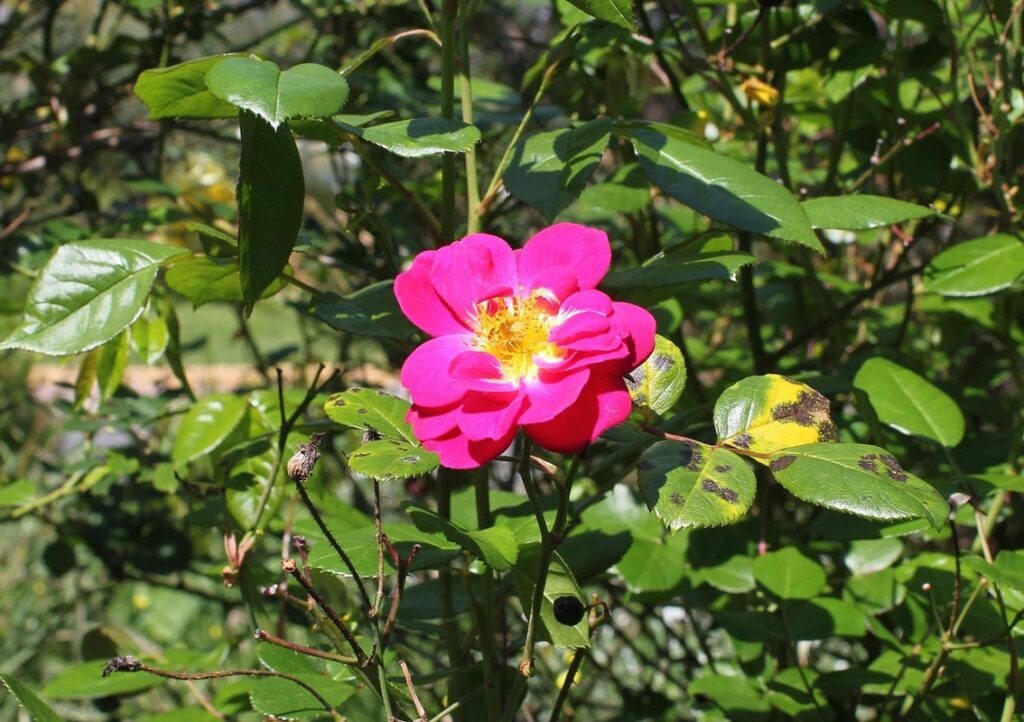
Understanding Plant Diseases
When it comes to plant disease symptoms, identifying the underlying cause is key to effective treatment. This section breaks down common plant diseases and their distinctive signs for easier diagnosis.
What Causes Plant Diseases
Plants are susceptible to various diseases caused by an array of factors. Understanding these causes is vital for effective management and prevention of plant diseases. Environmental conditions play a significant role, with extreme temperatures, inadequate water supply, and excessive exposure to sunlight being major contributors.
Pests also significantly contribute to the occurrence of plant diseases. Insects like aphids, whiteflies, and spider mites can transmit viral pathogens, while fungal spores are spread by wind, rain, or contaminated tools. Fungal infections are another leading cause of plant diseases. These fungi secrete enzymes that break down plant tissues, causing decay and weakening the plant’s defenses.
Maintaining a clean environment is essential in preventing the spread of diseases. Avoid overwatering, which can lead to root rot and create an ideal environment for fungal growth. Monitor your plants regularly for signs of pests or disease, and take action promptly if you notice any issues. By understanding these causes and taking preventive measures, you can significantly reduce the risk of plant diseases in your garden.
Types of Plant Pathogens
When it comes to understanding plant diseases, it’s essential to know that they are caused by various types of pathogens. These pathogens can be broadly categorized into four main groups: bacteria, viruses, fungi, and nematodes.
Bacteria are one of the most common causes of plant disease. They can spread through water, soil, or contaminated equipment. For example, Xanthomonas campestris is a bacterium that causes bacterial spot in tomatoes. Fungi, on the other hand, are responsible for diseases such as powdery mildew and downy mildew. They often spread through spores and can be found in the soil, water, or on infected plants.
Viruses, although not living organisms, can still cause significant damage to plant tissue. The tobacco mosaic virus (TMV) is a well-known example of a viral disease that affects tobacco and other crops. Nematodes are microscopic worms that feed on plant roots, causing stunted growth and reduced yields. To manage these pathogens, it’s crucial to adopt integrated pest management strategies that include crop rotation, sanitation, and the use of resistant varieties.
Some common bacterial diseases include:
• Bacterial leaf spot (Xanthomonas axonopodis)
• Bacterial canker (Clavibacter michiganensis)
• Fire blight (Erwinia amylovora)
These pathogens can have devastating effects on plant health if left unchecked. Regular monitoring and maintenance can help prevent the spread of these diseases, allowing you to address any issues promptly and effectively manage their impact on your plants.
Common Disease Symptoms in Plants
When it comes to identifying plant diseases, being able to recognize common symptoms is crucial. Discoloration is one of the most noticeable signs of disease in plants. This can manifest as yellowing leaves, white patches on stems and leaves, or even a complete change in leaf color. For example, powdery mildew causes a white powdery coating to form on affected areas.
Necrosis, or the death of plant tissue, is another common symptom. This can appear as brown or black spots or lesions on leaves, stems, or roots. Fungal diseases like root rot and leaf spot often cause necrotic symptoms. Abnormal growth patterns are also indicative of disease. These can include twisted or distorted branches, excessive growth in certain areas, or even the formation of galls (abnormal growths).
It’s essential to note that some diseases may not exhibit obvious visual symptoms until they’re quite advanced. Regular monitoring and prompt action can help prevent further damage.
Fungal Diseases
Fungi can cause a wide range of diseases that affect plant leaves, stems, and roots, including powdery mildew, rust, and root rot. Let’s explore these common fungal diseases in more detail below.
Root Rot and Its Prevention
Root rot is a common fungal disease that affects plant roots, causing them to decay and become unproductive. This condition occurs when the plant’s roots are exposed to excess moisture, poor air circulation, or high temperatures, creating an ideal environment for fungal growth.
Causes of root rot can be attributed to various factors including overwatering, waterlogged soil, and poor drainage. When plants are subjected to prolonged periods of wet conditions, their roots become susceptible to fungal infections. For instance, a study published in the Journal of Plant Diseases found that 75% of plant species tested showed symptoms of root rot when exposed to standing water for an extended period.
Prevention methods include ensuring proper watering habits, improving soil drainage by adding organic matter or perlite, and maintaining adequate air circulation around plants. To treat root rot, prune affected roots and repot the plant in a well-draining medium. In severe cases, fungicides may be necessary to control the spread of the disease.
Leaf Spot Diseases: Identification and Treatment
Leaf spot diseases are one of the most common fungal infections affecting plants, causing significant damage to leaves and reducing overall plant health. Two of the most prevalent types of leaf spot diseases are anthracnose and powdery mildew.
Identifying these diseases can be challenging, but there are some key signs to look out for. Anthracnose typically presents with small, circular lesions on the leaves that may turn yellow or brown as they mature. Powdery mildew, on the other hand, appears as a white, powdery coating on the upper surface of leaves.
To treat leaf spot diseases effectively, it’s essential to adopt an integrated approach combining cultural controls, chemical controls, and physical barriers. Start by removing any infected plant material and improving air circulation around the affected plants. Regularly spray fungicides specifically labeled for use against anthracnose or powdery mildew, following the product instructions carefully.
In addition to these measures, maintaining good gardening practices such as watering at the soil level, avoiding overhead irrigation, and using resistant cultivars can help prevent leaf spot diseases from taking hold.
Fungal Infections in Vegetables and Fruits
Fungal infections are a significant concern for vegetable and fruit crops worldwide. These microorganisms can cause various diseases that impact yield and quality. Botrytis, for instance, is a common fungal disease affecting strawberries, grapes, and other berries. It leads to grayish mold growth on the affected areas, reducing their marketability. To manage botrytis, farmers use integrated approaches such as pruning infected plants, improving air circulation around crops, and applying fungicides.
Another significant issue in fruit production is scab, caused by the fungus Venturia inaequalis that primarily targets apples and pears. Infected trees develop lesions on their leaves, stems, or fruits, which can lead to defoliation and reduced yields. Treatment involves removing infected branches, spraying fungicides during wet weather periods, and applying integrated pest management techniques.
To control fungal infections effectively, it’s essential for farmers to monitor their crops regularly and adopt a combination of good agricultural practices (GAPs) and IPM methods. This includes selecting disease-resistant cultivars, maintaining optimal soil moisture levels, and practicing proper sanitation in the field to reduce contamination risks.
Bacterial Diseases
Bacteria can be a major cause of plant disease, leading to symptoms like discolored leaves and reduced growth. Let’s take a closer look at bacterial diseases in plants and how they’re typically treated.
Bacterial Leaf Spot: Causes and Symptoms
Bacterial leaf spot is a common bacterial disease affecting various crops worldwide. This infection is typically caused by bacteria from the Xanthomonas genus, which thrives in warm and humid conditions. The disease can spread rapidly through contaminated water, soil, and infected plant debris.
Symptoms of bacterial leaf spot include yellow or brown lesions on leaves, often with a watery or dry appearance. These spots may be scattered or grouped together, eventually forming larger areas of necrosis. In severe cases, the disease can lead to premature defoliation and reduced crop yields.
Prevention methods involve proper sanitation and hygiene practices, such as cleaning tools, maintaining adequate spacing between plants, and removing infected plant parts. Crop rotation is also essential in minimizing bacterial leaf spot occurrence. To manage outbreaks, it’s crucial to use resistant cultivars or implement integrated pest management (IPM) strategies that combine biological control agents with cultural controls.
Some crops commonly affected by bacterial leaf spot include tomato, pepper, and okra. For instance, Xanthomonas axonopodis pv. vesicatoria is a pathogen causing bacterial leaf spot in tomatoes worldwide.
Fire Blight Treatment and Prevention
Fire blight is a devastating bacterial disease that affects fruit trees and shrubs, causing significant economic losses for gardeners and farmers. The disease is caused by the bacterium Erwinia amylovora, which is usually spread through infected insects or contaminated pruning equipment.
Symptoms of fire blight include blackened or burned leaves and stems, as well as the formation of cankers on branches and trunks. These cank ers can girdle the branch, cutting off water and nutrient flow to the rest of the plant. If left untreated, fire blight can kill entire plants in a matter of days.
To treat fire blight, prune infected areas immediately using a sharp, sterile pruning tool. Make clean cuts just above the infection site, and disinfect any equipment used to prevent further spread. Antibiotic treatments such as streptomycin or oxytetracycline may also be applied directly to the affected area. Regular monitoring and sanitation practices can help prevent the disease from taking hold in the first place.
When pruning diseased plants, cut at a 45-degree angle and remove all infected tissue, working from the bottom up. This will help prevent further spread of the disease and promote healthy healing.
Managing Bacterial Diseases in Greenhouses
Bacterial diseases can be particularly challenging to manage in greenhouse environments due to the warm and humid conditions that foster their growth. To prevent the spread of bacterial diseases, it’s essential to maintain strict sanitation and hygiene practices within the greenhouse.
Firstly, ensure that all equipment is properly sterilized before use. This includes pruning tools, irrigation systems, and any other machinery that comes into contact with plants or soil. A mixture of bleach and water can be used as a disinfectant, while ultraviolet (UV) light can also be effective in killing bacteria.
In addition to equipment sterilization, maintain good hygiene practices among greenhouse staff. This includes washing hands thoroughly before handling plants, wearing gloves when necessary, and keeping work areas clean and free from debris. Regularly cleaning and disinfecting the greenhouse itself is also crucial in preventing the spread of bacterial diseases.
Aim to schedule regular deep cleans of the greenhouse every 3-6 months, focusing on high-risk areas such as plant nurseries and irrigation systems. By implementing these practices, you can significantly reduce the risk of bacterial disease outbreaks in your greenhouse.
Viral Diseases
Let’s take a closer look at viral diseases, which can be particularly devastating for plants and are often characterized by unusual growth patterns.
Plant Virus Identification and Symptoms
When dealing with plant viral diseases, identifying the specific virus is crucial for effective treatment and management. There are over 1,000 known plant viruses, each causing distinct symptoms and transmitted through various methods. To identify a plant virus, look for characteristic symptoms such as yellowing or stunted growth, distorted leaves, or the presence of ringspot patterns.
Some common viral diseases affecting crops include Tobacco Rattle Virus (TRV), Tomato Spotted Wilt Virus (TSWV), and Cucumber Mosaic Virus (CMV). TRV causes irregular leaf margins and stunted plant growth, while TSWV leads to yellowing leaves with distinct black spots. CMV, on the other hand, results in mottled or distorted leaves.
Transmission methods vary between viruses but often include insect vectors like aphids, whiteflies, and beetles. Some viruses can also be transmitted through seed or grafting. To prevent viral disease spread, maintain good garden hygiene, monitor for pests, and use resistant varieties when possible. If you suspect a plant virus, consult with local agricultural experts or conduct diagnostic tests to determine the specific virus present and develop an effective management plan.
Tomato Spotted Wilt Virus: Causes and Treatment
Tomato Spotted Wilt Virus is one of the most destructive viral diseases affecting tomato and pepper crops worldwide. The virus is caused by a plant RNA virus called Tomato spotted wilt virus (TSWV), which is transmitted primarily through thrips, tiny insects that feed on plant sap.
Symptoms of TSWV infection include yellowing or bronzing of leaves, stunted growth, and distinctive black spots on the lower surface of leaves. As the disease progresses, plants may exhibit leaf distortion, wilting, and premature fruit drop. Yield losses can be significant, with some reports indicating a 30% to 50% reduction in fruit production.
To manage TSWV, growers can adopt several strategies. One effective approach is to use resistant varieties, which have built-in immunity to the virus. Chemical treatments can also provide temporary control, but repeated applications may lead to environmental and health concerns. Integrated pest management (IPM) practices that combine crop rotation, sanitation, and biological controls can help reduce thrip populations and minimize TSWV transmission.
Viral Diseases in Fruits and Nuts
Viral diseases can affect various plant species, but some are more common in fruits and nuts. Tobacco rattle virus (TRV) is one such example, causing widespread damage to potatoes, carrots, and strawberries worldwide. Plum pox virus (PPV), on the other hand, primarily affects stone fruit trees like plums, cherries, and apricots.
Both TRV and PPV are transmitted through aphid vectors, making it challenging for farmers to control their spread. Management strategies focus on reducing aphid populations using pesticides or introducing natural predators like lady beetles. Pruning infected plants and removing weeds that harbor aphids can also help prevent further transmission.
Regular monitoring of plant health and implementing Integrated Pest Management (IPM) techniques are crucial in managing viral diseases. This includes inspecting plants regularly for symptoms, maintaining clean cultivation practices, and using resistant varieties whenever possible. For instance, some plum tree cultivars have shown resistance to PPV, reducing the risk of infection. By adopting these strategies, farmers can reduce the impact of viral diseases on fruit and nut crops.
Prevention and Control Measures
Now that you know how to identify common plant diseases, let’s focus on preventing them from happening in the first place. We’ll cover essential prevention and control measures to keep your plants healthy.
Sanitation Practices for Healthy Plants
Maintaining good sanitation practices is essential to prevent the spread of plant diseases. When it comes to keeping your plants healthy, cleanliness is key. Start by cleaning all your tools and equipment regularly. This includes pruners, gloves, and other gardening gear that comes into contact with the plants’ leaves or soil.
Make sure to wash your hands before handling any plants, as human pathogens can also be transferred to the plants. In addition to hand washing, clean any growing areas thoroughly, including pots, trays, and propagation stations. Disinfect these surfaces with a solution of 1 part bleach to 10 parts water to prevent fungal and bacterial diseases from taking hold.
Regularly inspect your tools for signs of damage or wear, and replace them as needed. Also, ensure that all irrigation systems are clean and free of debris. By implementing these sanitation practices, you’ll significantly reduce the risk of disease spread and create a healthier environment for your plants to thrive in.
Integrated Pest Management Strategies
Implementing integrated pest management (IPM) strategies is crucial for controlling pests that contribute to plant diseases. IPM involves a holistic approach that considers the entire ecosystem and uses multiple techniques to manage pests. This approach not only reduces the risk of disease but also minimizes the use of chemical pesticides, making it an environmentally friendly option.
To implement IPM effectively, start by identifying the pests causing damage to your plants. Regularly monitor your garden or crops for signs of infestation and take action before the problem escalates. Some common IPM strategies include crop rotation, biological control (using natural predators or parasites), cultural controls (adjusting irrigation, pruning, or fertilization schedules), and physical barriers.
For example, if you’re dealing with aphid infestations on your roses, consider introducing ladybugs – natural aphid predators – to the area. You can also use sticky traps or fine mesh screens to prevent pests from reaching your plants in the first place. By combining multiple IPM strategies, you’ll create a robust defense system against pests that contribute to plant diseases.
Organic Methods for Controlling Plant Diseases
When it comes to controlling plant diseases, many gardeners are turning away from chemical-based methods and towards more organic approaches. These natural remedies not only promote a healthier environment but also provide long-term benefits for your plants.
One popular organic method is the use of neem oil. Derived from the seeds of the neem tree, this oil has been shown to be effective against a wide range of fungal and bacterial diseases. To use neem oil, mix it with water according to the product’s instructions and spray it on affected plants. Be sure to test a small area first to ensure that your plants don’t react negatively.
Garlic spray is another natural remedy for plant disease control. By mixing crushed garlic with water, you can create a powerful fungicide that repels pests and prevents fungal growth. However, be aware that garlic can burn delicate plant tissues if applied too strongly, so use it sparingly.
Biological control agents, such as beneficial nematodes or predatory insects, can also help control plant diseases. These microscopic worms attack the roots of infected plants, breaking down fungal cell walls and preventing further spread. By introducing these natural predators to your garden, you can create a balanced ecosystem that promotes overall health.
Conclusion
As you’ve reached the end of this comprehensive guide on plant disease symptoms and treatment, we hope you feel more confident in identifying and addressing common issues that may be affecting your plants. Remember, prevention is key, so make sure to establish a regular maintenance routine, including pruning, fertilizing, and monitoring for pests and diseases. By taking proactive steps, you can minimize the risk of infection and keep your plants healthy and thriving.
Don’t underestimate the importance of acting quickly when symptoms do appear – prompt treatment can often mean the difference between saving or losing a plant. If you’re unsure about the cause or severity of an issue, don’t hesitate to consult with a gardening expert or seek advice from online resources. With patience, persistence, and the right techniques, you can successfully treat and prevent plant diseases in your garden.
Frequently Asked Questions
Can I prevent plant diseases by using chemical pesticides?
While chemical pesticides can help control pests that spread diseases, they are not a foolproof solution for preventing plant diseases. A more effective approach is to adopt integrated pest management (IPM) strategies, which combine physical barriers, cultural controls, and biological controls to minimize the risk of disease occurrence. This holistic approach also reduces the reliance on chemical pesticides and their potential harm to beneficial organisms.
How do I know if a pest or pathogen is causing my plant’s symptoms?
Determining whether a pest or pathogen is behind your plant’s symptoms can be tricky, but there are some signs to look out for. For example, if you notice eggs, larvae, or actual pests on the affected areas, it could indicate an infestation rather than a disease. On the other hand, if the symptoms seem more systemic and affect multiple parts of the plant, it might be a sign of a pathogen.
Can I treat root rot with organic methods?
Yes, there are several organic methods to treat root rot, including removing affected roots, repotting in fresh soil, and improving air circulation around the plant. You can also use biological fungicides or bactericides that target specific pathogens causing the disease. However, it’s essential to address the underlying cause of root rot, such as waterlogged conditions or nutrient deficiencies.
How do I manage bacterial diseases in greenhouses?
To effectively manage bacterial diseases in greenhouses, focus on good sanitation practices, such as regularly disinfecting equipment and surfaces with a 10% bleach solution. Remove any infected plants to prevent the spread of disease, and implement integrated pest management strategies that combine physical barriers, cultural controls, and biological controls.
Can I use companion planting to prevent plant diseases?
Yes, certain plants have natural properties that can help repel pests or pathogens, reducing the risk of disease occurrence. For example, basil is known to repel aphids, while marigold has antifungal properties. Companion planting can be a valuable addition to your integrated pest management strategy, but remember to choose plants that complement your specific growing conditions and plant types.