
Are you looking to bring your garden to the next level with natural fertilizer? You’re not alone. Many gardeners swear by the incredible benefits of comfrey, but space constraints can often get in the way. Can you plant comfrey in a pot and reap its rewards? The answer is yes! Not only does comfrey grow well in containers, but it’s also an excellent choice for small gardens or even indoor growing spaces.
In this article, we’ll explore how to grow comfrey in a pot and unlock its full potential. You’ll learn about the benefits of using comfrey as a natural fertilizer, compost tea, and infusion, and discover how easy it is to incorporate into your garden’s health routine. Whether you’re a seasoned gardener or just starting out, this article will show you the simple steps to get started with growing comfrey in a pot and start enjoying its benefits for yourself.
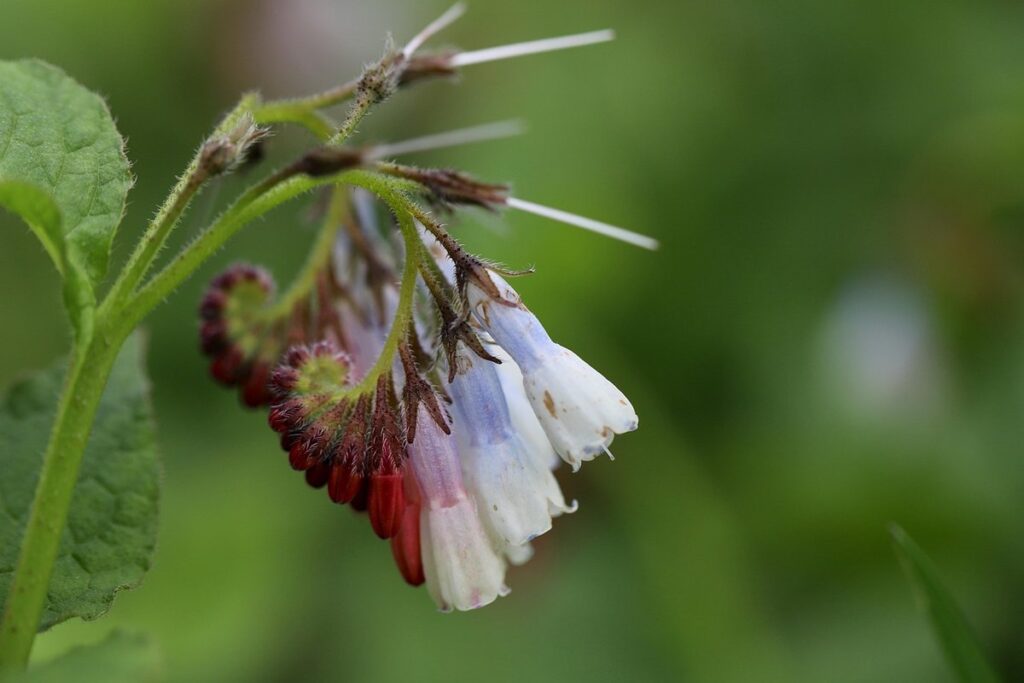
Benefits and Uses of Comfrey
Comfrey is a versatile plant that offers numerous benefits, from its rich fertilizer properties to its ability to aid in wound healing. You’ll find out how it can be used in this section.
Comfrey as a Fertilizer
Comfrey acts as a fertilizer for other plants through its deep taproots and ability to draw up nutrients from the subsoil. Planting it in a pot can provide a natural source of these nutrients, making it an ideal companion plant for container gardens. As comfrey grows, it releases its nutrient-rich leaves into the soil through a process called “green manure.” These leaves are rich in nitrogen, phosphorus, and potassium – essential macronutrients for healthy plant growth.
By planting comfrey in a pot near your other plants, you can create a self-sustaining ecosystem where plants help each other thrive. The key is to harvest the comfrey leaves regularly to encourage new growth and prevent them from flowering. You can then use these leaves as compost or add them directly to the soil around your other plants.
Some gardeners also combine comfrey with worm castings (vermicompost) for an extra boost of nutrients.
Comfrey as a Mulch Alternative
Comfrey’s deep taproots allow it to draw moisture from the subsoil, making it an excellent mulch alternative for pot-grown comfrey. By using comfrey as a mulch, you can retain moisture in the soil and suppress weeds, reducing the need for frequent watering and weeding.
To use comfrey as a mulch in a pot, simply dig up some comfrey roots from your garden or purchase them from a nursery, and chop them into small pieces. You can then add these chopped roots to the top layer of soil in your pot, where they’ll begin to break down and act as a natural fertilizer.
Comfrey’s deep taproots will help draw moisture from the subsoil, reducing the need for frequent watering. This also means that comfrey is more drought-tolerant than other plants, making it an excellent choice for pots with limited water supply.
In addition to retaining moisture, comfrey’s roots will also suppress weeds by outcompeting them for nutrients and space. By using comfrey as a mulch, you can reduce the need for herbicides and other weed control methods.
Choosing the Right Potting Mix
When growing comfrey in a pot, selecting the right potting mix is crucial for its health and productivity. Let’s dive into choosing a suitable mix for your potted comfrey plant.
Selecting a Well-Draining Mix
When selecting a potting mix for comfrey, drainage is crucial to prevent waterlogged soil and root rot. Comfrey needs consistent moisture, but its deep taproots can be sensitive to excessive water. A well-draining mix will help prevent this issue.
Look for a mix that contains ingredients like perlite or vermiculite, which improve drainage and aeration. Avoid mixes with high peat moss content, as they tend to retain too much water. Instead, opt for a mix with a balanced blend of organic matter and inorganic materials.
A good rule of thumb is to choose a mix that has at least 20-30% perlite or vermiculite content. This will ensure the mix can drain excess water quickly, without drying out the soil too much. For example, if you’re using a mix with high peat moss content, you may want to add some perlite to improve drainage.
Remember, comfrey is a hardy plant that thrives in moist environments. With proper drainage, it will do well in a pot and provide a continuous supply of nutrient-rich fertilizer for your garden.
Organic vs. Synthetic Mixes
When it comes to growing comfrey in pots, the choice of potting mix can significantly impact its health and productivity. You’ll often come across two main types: organic and synthetic mixes. While both have their benefits, they cater to different needs and preferences.
Organic potting mixes are made from natural ingredients like peat moss, coconut coir, or worm castings. These biodegradable materials promote healthy root growth, retain moisture, and provide essential nutrients to comfrey plants. They’re a great choice for gardeners who prioritize environmental sustainability and prefer a more hands-on approach. However, organic mixes can be more expensive and may require regular replenishment.
Synthetic potting mixes, on the other hand, are formulated with chemical additives that enhance drainage and aeration. While they might seem convenient, these mixes can harm comfrey’s sensitive roots over time. They also tend to dry out quickly, which can lead to waterlogged conditions detrimental to comfrey growth.
If you’re growing comfrey in pots for medicinal purposes or as a fertilizer plant, we recommend using an organic potting mix rich in humus and microorganisms. This will support the health of your comfrey plants while promoting soil fertility.
Planting Comfrey in a Pot: Step-by-Step Guide
To successfully grow comfrey in a pot, follow these easy-to-follow steps to create an ideal environment for your plant’s roots and leaves. Let’s get started with our step-by-step guide!
Preparing the Pot
When it comes to preparing the pot for planting comfrey, it’s essential to start with a clean slate. Before adding any soil or plants, give the pot a good scrub with soap and water to remove any residual debris or contaminants. This will help prevent the spread of disease and ensure your comfrey plant gets off to a healthy start.
Next, add a layer of drainage material at the bottom of the pot. This could be broken pottery, small rocks, or even a few inches of perlite. Comfrey has deep taproots that can reach up to 3 feet in depth, so it’s crucial to provide good drainage to prevent waterlogged soil and root rot.
When selecting a pot for your comfrey plant, choose one that is at least 12-18 inches deep and 24-36 inches wide. This will give the roots ample space to grow, but not so large that it becomes top-heavy. Remember, comfrey is a vigorous spreader, so consider using a container with good structural integrity to prevent damage from wind or weather.
Planting the Comfrey Seedling
When planting the comfrey seedling into its new pot, handle the taproot with care. Comfrey’s taproot is quite long and delicate, making it prone to breakage if not handled gently. To minimize damage, hold the taproot between your thumb and index finger, allowing it to extend from the pot. This will also give you a clear view of how far down the roots have developed.
Position the seedling in the pot with its leaves facing upwards. Comfrey’s broad leaves are designed for photosynthesis and growth, so they should be exposed to sunlight. Make sure not to pack too much soil around the taproot as this can cause it to become constricted. Leave enough space between the roots and the sides of the pot for proper root development.
A good rule of thumb is to plant the seedling at the same depth as it was in its previous container, taking care not to disturb the roots further. Once settled, firm the soil gently around the roots to prevent settling over time.
Caring for Your Potted Comfrey
Now that you have your potted comfrey thriving, it’s essential to give it proper care to ensure its continued health and robust growth. Regular maintenance will make all the difference.
Watering Requirements
Comfrey plants grown in pots require careful watering to prevent overwatering and ensure optimal growth. The frequency of watering depends on factors such as climate, pot size, soil type, and time of year.
In general, potted comfrey needs more frequent watering during hot summer months when the soil tends to dry out quickly. Water your potted comfrey at least once a week, or every 3-4 days if the weather is particularly warm and dry. During the cooler spring and fall seasons, reduce watering frequency to once every 10-14 days.
Monitor the moisture levels in the soil by sticking your finger into it up to the first knuckle. If the soil feels dry, it’s time to water. You can also check the leaves for signs of stress; if they start to wilt or develop brown edges, increase watering frequency accordingly.
Keep in mind that potted comfrey prefers moist but not waterlogged conditions. Avoid overwatering, which can lead to root rot and other problems. By adjusting your watering schedule based on environmental factors, you’ll be able to provide your potted comfrey with the right amount of moisture for optimal growth.
Fertilization Needs
Comfrey is known for its ability to act as a fertilizer plant, drawing nutrients from the soil and releasing them back into the environment through its leaves. However, when grown in a pot, comfrey may require additional support to maximize its fertilization benefits.
Since potted plants tend to dry out faster than those planted directly in the ground, it’s essential to provide your comfrey with adequate water and nutrients. You can supplement your comfrey’s natural fertilizer properties by adding a balanced fertilizer during the growing season (spring-fall). This will ensure that your plant receives all the necessary macronutrients and micronutrients for optimal growth.
Some key fertilizers to consider include:
* A balanced, 10-10-10 NPK fertilizer for overall plant growth
* A high-phosphorus fertilizer (such as bone meal or fish emulsion) to promote root development and flowering
* Composted manure or worm castings to provide a slow-release source of nutrients
When fertilizing your potted comfrey, be sure to follow the recommended application rates to avoid over-fertilization, which can harm the plant.
Common Problems with Potted Comfrey
When growing comfrey in a pot, it’s not uncommon for problems to arise, and understanding these issues can help you troubleshoot common pests and nutrient deficiencies.
Root Rot and Overwatering
If you’re growing comfrey in a pot, one of the most common issues you might encounter is root rot and overwatering. This can be devastating to your plant, causing its leaves to turn yellow and drop off, and making it more susceptible to pests and diseases.
Signs of root rot include soft or mushy stems, blackened roots, and a sour smell coming from the potting mix. To prevent this issue, make sure not to overwater your comfrey plant. Check the soil daily by sticking your finger into the soil up to the first knuckle. If the soil feels dry, it’s time to water.
To correct root rot, stop watering immediately and remove any dead or dying leaves. Gently wash the roots with a solution of one part water to one part vinegar, then repot the comfrey in fresh potting mix. To prevent overwatering in the future, use a well-draining potting mix and make sure your pot has good drainage holes.
By following these tips, you can keep your potted comfrey healthy and thriving, even in indoor conditions with limited light.
Pest and Disease Issues
Potted comfrey plants can be susceptible to various pests and diseases, which can hinder their growth and productivity. One of the most common issues you may encounter is aphid infestation. These tiny insects feed on the plant’s sap, causing curled or distorted leaves. To control aphids, use neem oil or insecticidal soap according to the product instructions.
Another issue that can affect your potted comfrey is slug damage. Slugs are notorious for their ability to chew through plant tissue, leaving behind a trail of slime. To prevent slugs from feeding on your comfrey, use copper tape around the pot’s rim or apply crushed eggshells around the base of the plant.
Fungal infections can also be a problem in potted comfrey plants. These typically manifest as black spots or powdery mildew. To manage fungal diseases, remove infected leaves and improve air circulation by pruning nearby plants. Regularly inspect your plant for signs of disease and treat promptly if you notice any issues.
It’s essential to note that overwatering is a significant contributor to many pest and disease problems in potted comfrey plants. Make sure not to waterlog the soil, as this creates an ideal environment for pests and diseases to thrive. By being vigilant about watering and providing a healthy environment for your plant, you can minimize the risk of pest and disease issues.
Harvesting and Using Comfrey
Now that you have a thriving comfrey plant, it’s time to harvest its leaves and roots for use as fertilizer and medicine, and we’ll walk through how to do just that.
Harvesting Leaves and Roots
Comfrey leaves and roots are a valuable addition to salads, soups, and teas. When harvesting from your potted comfrey plant, it’s essential to consider the optimal time for maximum flavor and nutritional content.
The best time to harvest comfrey leaves is during the spring and summer months when they’re at their peak growth. Pick individual leaves as needed or cut back the entire stem to encourage new growth. Be sure to leave some leaves intact to allow the plant to continue photosynthesizing.
Roots can be harvested in the fall, after the plant has finished its growing season. Dig carefully around the root mass, taking care not to damage any of the smaller roots that will help the plant regrow. Harvested comfrey roots can be dried and stored for later use.
For optimal flavor, aim to harvest leaves when they’re a vibrant green color and have a slightly sweet taste. Over-matured leaves may become too bitter. For root harvesting, choose roots that are between 1-2 inches in diameter for maximum nutritional content.
Compost Tea and Infusions
Comfrey’s nutrient-rich properties make it an excellent addition to compost tea and infusions, which can be used as a natural fertilizer for your plants. To make comfrey compost tea, you’ll need some dried comfrey leaves or roots, a bucket, and a loose mesh bag. Fill the bag with 2-3 cups of comfrey material and steep it in 5 gallons of water for 24-48 hours. The resulting liquid is rich in micronutrients and beneficial microbes that can help promote healthy plant growth.
You can also use comfrey to make infusions, which are similar to teas but made without the steeping process. To make a comfrey infusion, simply blend 1 cup of dried comfrey leaves or roots with 2 cups of water until well-combined, then let it sit for 24-48 hours before straining and using as a foliar spray or soil drench.
When using comfrey infusions or teas in your garden, start by applying them to seedlings or young plants to promote healthy growth and development. You can also use them as a fertilizer for established plants, but be sure to dilute the liquid according to package instructions to avoid burning your plants’ roots.
Frequently Asked Questions
Can I use comfrey in a pot as a natural pest repellent?
Comfrey’s strong scent can indeed deter pests, but it’s essential to note that using it as the sole pest control method may not be effective for severe infestations. Consider pairing it with other natural methods or integrated pest management strategies to ensure comprehensive protection for your plants.
How often should I harvest comfrey leaves and roots in a pot?
Regular harvesting is crucial for maintaining comfrey’s growth and preventing it from flowering. Aim to remove about 1/3 of the leaves every week, and you can harvest the roots when they reach 6-8 inches long. This will encourage new growth and prevent the plant from becoming too fibrous.
Can I mix comfrey with other plants in a pot, or should it be grown separately?
While comfrey is a beneficial companion plant, growing it with other plants that require high levels of nutrients (like heavy feeders) can lead to over-fertilization. It’s recommended to grow comfrey alone in a container, allowing you to harvest and use its nutrient-rich leaves as needed.
What are some common signs of root rot or overwatering in potted comfrey?
Watch for yellowing leaves, soft stems, and a sour or unpleasant odor from the potting mix. If you notice these symptoms, adjust your watering schedule immediately and consider repotting the comfrey with fresh, well-draining mix to prevent further damage.
Can I use store-bought potting mixes specifically designed for indoor plants or will they affect comfrey’s growth?
While store-bought potting mixes can provide a convenient solution, they may not offer the optimal balance of nutrients and drainage required by comfrey. For best results, create your own mix using a combination of compost, peat moss, and perlite to ensure a nutrient-rich environment for your comfrey plant.