
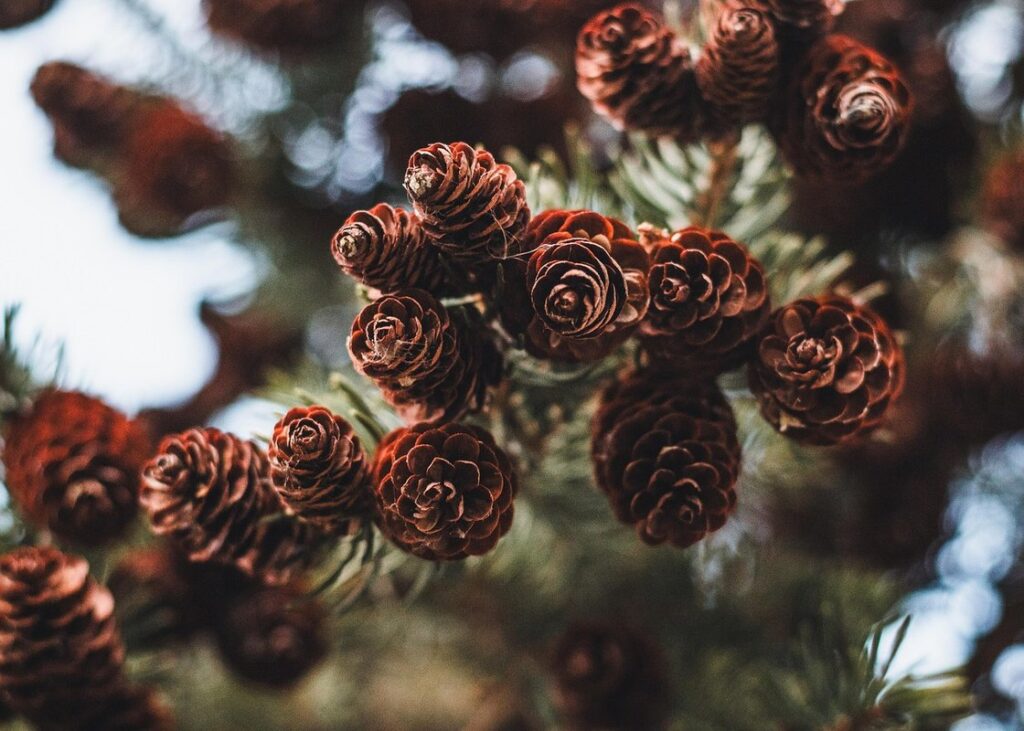
Pine cones have been a staple in nature for centuries, but their uses go far beyond just being a pretty ornament on your Christmas tree. Not only are they an integral part of traditional rituals and ceremonies, but they also hold secrets to creative crafts and even surprising health benefits. From ancient cultures using them as offerings to modern-day artists incorporating them into their designs, pine cones have been a versatile and fascinating resource for centuries. In this comprehensive guide, we’ll delve into the many uses of pine cones, exploring everything from their medicinal properties to their potential in DIY projects. Whether you’re a crafty enthusiast or just looking to tap into the wisdom of nature, this article will reveal the surprising ways you can utilize these humble yet mighty pine cones.
The History and Cultural Significance of Pine Cones
Pine cones have been a fascinating part of human culture for centuries, holding significant symbolism in various societies. Let’s delve into their rich history and cultural importance together.
Native American Traditions
In many Native American cultures, pine cones were revered for their spiritual significance and played a vital role in various ceremonies and rituals. For example, among the Ojibwe people, pine cones were used in traditional sweat lodge ceremonies to purify the body and spirit. The Ojibwe believed that the pine cone’s resin had healing properties, which helped to cleanse the participants of their emotional and spiritual impurities.
Similarly, some tribes used pine cones as a symbol of fertility and abundance in their harvest celebrations. They would often decorate the pine cones with feathers, beads, or other adornments before placing them at the center of the ceremonial area. In these ceremonies, the pine cone represented the connection between the natural world and the community’s well-being.
When incorporating pine cones into your own rituals or ceremonies, consider the symbolic significance they hold in Native American cultures. You can use this knowledge to create a deeper sense of meaning and connection to nature in your practices. Simply place a pine cone at the center of your ceremony space, and take a moment to reflect on its cultural importance.
European Folklore and Superstition
In European folklore, pine cones have been imbued with mystical properties that transcend their natural uses. They’re often associated with good fortune, prosperity, and fertility, reflecting the cultural significance of this simple yet resilient cone. In ancient Celtic traditions, for instance, pine cones were believed to symbolize rebirth and regeneration. People would use them in rituals to promote fertility and ensure a bountiful harvest.
In Scandinavian folklore, pine cones are associated with good luck and protection from harm. A sprig of fir or pine stuck in the wedding bouquet is said to bring happiness and prosperity to the newlyweds. Similarly, placing a pine cone at the entrance of one’s home was believed to ward off evil spirits and attract positive energy.
These associations may seem far-fetched, but they demonstrate how deeply rooted pine cones are in European folklore. So, if you’re looking for a unique way to incorporate a touch of ancient mysticism into your life, consider using pine cones as decorative elements or incorporating them into rituals that promote good fortune and prosperity.
Practical Uses of Pine Cones
From bird feeders and decorations to potpourri and craft projects, pine cones offer a wealth of practical uses that can be easily incorporated into your daily life. Let’s explore some creative ways to use them!
Fire Starting and Kindling
When it comes to using pine cones for fire starting and kindling, there are several methods you can employ. One of the most effective ways is to dry out the pine cone thoroughly before using it as tinder. This involves placing the pine cone in a low-temperature oven (150°F – 200°F) for a few hours or leaving it outdoors on a warm day until completely dry.
Once dried, you can use the pine cone as kindling by shredding it into small pieces and mixing with other flammable materials like twigs, leaves, and grass. This combination will make starting your campfire or stove much easier, especially in damp conditions. Another method is to place a few whole pine cones under the grill of your fire pit or campfire ring. As they ignite, they’ll help get the larger logs burning more efficiently.
Keep in mind that some types of pine cones are better suited for fire starting than others. Look for those with soft, open scales and a dry, brittle texture. These will burn more easily and provide a longer-lasting flame. With these tips, you can harness the natural combustibility of pine cones to make your outdoor experiences more efficient and enjoyable.
Mulch and Garden Compost
When it comes to mulching and composting, pine cones can be a valuable resource for gardeners. These natural wonders are rich in nutrients and can help improve soil quality while retaining moisture.
One of the best uses for pine cones is as a mulch material. Simply collect them from your yard or gather some from a nearby forest, then spread them around plants to retain moisture and suppress weeds. As they break down, they’ll add organic matter to the soil, improving its structure and fertility. You can also mix pine cone fragments into your compost pile to create a nutrient-rich fertilizer.
To make the most of pine cones in your garden, consider the following tips:
* Use fresh pine cones for mulching, as they contain more tannins than dried ones.
* Mix pine cone fragments with other organic matter, like leaves or grass clippings, to create a balanced compost mix.
* Consider adding a layer of pine needles on top of your mulch to further retain moisture and suppress weeds.
By incorporating pine cones into your gardening routine, you’ll be able to create a healthier, more sustainable garden ecosystem.
Creative Uses of Pine Cones
Take a closer look at how pine cones can become creative decorations and gifts, adding a personal touch to various settings and events. From DIY ornaments to centerpieces, possibilities abound.
Crafting and DIY Projects
When it comes to crafting and DIY projects, pine cones are an incredibly versatile material. One of the most popular ways to use them is by making wreaths, which can add a touch of natural beauty to your home’s entrance or as a decorative piece on its own. You can simply glue the pine cones onto a wire or foam wreath frame, or get creative and combine them with other materials like ribbons, flowers, or dried berries.
Pine cones are also a great addition to potpourri blends, adding a pleasant scent and texture to your homemade mixtures. To make a pine cone-based potpourri, simply dry the pine cones in a low-temperature oven or by air-drying them, then combine with other dried flowers, herbs, and spices.
To create a stunning centerpiece, try combining pine cones with candles, evergreen branches, and ribbons. You can arrange the pine cones in a decorative bowl or vase, surround them with candles and greenery, and tie a ribbon around the neck of the vase for a beautiful and effortless centerpiece that adds warmth and coziness to any room.
If you’re feeling crafty, you can also use pine cones as ornaments by painting or decorating them with glitter. Simply attach a string or twine to hang them on your Christmas tree or from a mobile.
Artistic Expressions
Pine cones have been a favorite among artists for their unique shape, texture, and natural beauty. They can be used to create stunning sculptures, collages, or mixed-media pieces that add an organic touch to any artwork. One way to incorporate pine cones into art is by using them as the main focal point of a sculpture. Simply arrange pine cones in a pattern or design, secure them with wire or glue, and display on a pedestal or wall.
Artists can also use pine cones to create textured collages by gluing them onto a canvas or board. This technique adds depth and interest to any composition. To take it a step further, try combining pine cones with other natural materials like twigs, leaves, or flowers for a more complex design.
For a more intricate piece, try using pine cones as the base of a mixed-media art project. Use them to create patterns on paper or fabric by stamping ink onto them and then applying it to your artwork. This is an excellent way to experiment with textures and colors while staying eco-friendly.
Health Benefits of Pine Cones
Pine cones are a treasure trove of health benefits, packed with antioxidants and essential oils that can soothe your skin and calm your mind. Let’s explore their medicinal properties in more detail.
Medicinal Properties
Pine cone extracts have been reported to possess several medicinal properties that make them a valuable resource for natural remedies. Research has shown that pine cone extracts exhibit antiseptic effects, which can help protect against infections and promote wound healing. For example, a study published in the Journal of Ethnopharmacology found that pine cone extract showed significant antibacterial activity against various pathogens, including E. coli and Staphylococcus aureus.
In addition to its antiseptic properties, pine cone extract has also been found to possess anti-inflammatory effects. This can be attributed to the presence of terpenes and other bioactive compounds in the extracts. These compounds have been shown to reduce inflammation and alleviate symptoms associated with conditions such as arthritis and eczema. To harness these medicinal properties, you can try making a pine cone tea by steeping dried pine cones in hot water or use them in a homemade salve to soothe skin irritations.
Some studies also suggest that pine cone extracts may have antioxidant effects, which can help protect against cell damage and oxidative stress.
Nutritional Value
While pine cones are often discarded as waste, they can also serve as a natural source of essential nutrients. The edible scales that cover the cone’s surface are rich in vitamins, minerals, and antioxidants, making them a potential superfood.
The vitamin profile of pine cones includes significant amounts of vitamin C, which supports immune function and collagen production, and smaller quantities of other B vitamins like thiamin, riboflavin, and folate. Mineral-wise, pine cones contain potassium, magnesium, and manganese, all of which play key roles in maintaining proper bodily functions.
To tap into the nutritional value of pine cones, you can try making a tea from dried scales or using them as a garnish for salads and other dishes. However, be cautious not to consume too many cones, as their seeds contain a compound called terpene that may cause stomach upset if ingested in excess. When foraging for edible pine cones, ensure they are from a species like the white pine (Pinus strobus) or the Scotch pine (Pinus sylvestris), as these have been used safely in traditional medicine and cooking.
Environmental Impact and Sustainability
As we explore the many uses of pine cones, it’s essential to consider their environmental impact and how they can be sustainably sourced. Let’s delve into the eco-friendly aspects of working with pine cones.
Carbon Sequestration
As you explore the various uses of pine cones, it’s essential to acknowledge the crucial role that pine trees play in mitigating climate change. These towering trees are some of the most efficient carbon sinks on the planet, and their ability to absorb carbon dioxide through photosynthesis is a remarkable process.
Through photosynthesis, pine trees use sunlight, water, and carbon dioxide to produce oxygen and glucose. In doing so, they absorb massive amounts of CO2 from the atmosphere, helping to slow down climate change. A single mature pine tree can absorb up to 48 pounds of carbon dioxide per year, which is equivalent to not driving a car for over 5 months.
This process highlights the importance of preserving and reforestation efforts. By planting more trees, we can significantly increase the planet’s ability to sequester carbon, reducing the impact of greenhouse gases on our environment.
Pine Cone Decomposition
As pine cones fall to the ground, they begin their journey towards decomposition. This process is crucial for nutrient cycling and soil formation, making it an essential aspect of forest ecology. During decomposition, pine cones release nutrients such as nitrogen, phosphorus, and potassium back into the soil.
As pine cones break down, they provide a food source for various microorganisms like fungi and bacteria. These microorganisms work tirelessly to decompose the pine cone’s woody material, releasing enzymes that help break down complex organic compounds. This decomposition process can take anywhere from several months to several years, depending on factors such as temperature, moisture, and oxygen levels.
The importance of pine cone decomposition lies in its contribution to soil fertility. The released nutrients become available for other plants to absorb, promoting healthy plant growth and development. Moreover, the humus produced during decomposition acts as a natural fertilizer, improving soil structure and water retention capabilities. By understanding this process, we can appreciate the vital role pine cones play in sustaining forest ecosystems, underscoring their significance in nutrient cycling and soil formation.
Conclusion: Unlocking the Full Potential of Pine Cones
In conclusion, pine cones are more than just a natural ornament for your home. They have numerous practical and creative applications that can add value to your life in various ways. By embracing the versatility of pine cones, you can create beautiful crafts, start a fire with ease, and even attract wildlife to your garden. To unlock their full potential, don’t be afraid to experiment and explore different uses for pine cones. Try making bird feeders or wreaths using them, or use them as a natural pest deterrent in your garden. With a little creativity, the possibilities are endless, and you’ll soon discover that pine cones can bring joy and utility into every aspect of your life. By doing so, you’ll be reducing waste and connecting with nature in a meaningful way.
Frequently Asked Questions
Can I use pine cones in my garden without causing any harm to the environment?
Yes, pine cones can be a valuable addition to your garden ecosystem. They provide habitat for small animals, like birds and squirrels, and can also help improve soil health when used as mulch or compost. However, make sure to use them in moderation and avoid using invasive species’ cones that might spread seeds.
Are the medicinal properties of pine cones applicable to all types of pine trees?
Not all pine trees have the same medicinal properties. The resin of certain pine species, like the White Pine (Pinus strobus), has been traditionally used for its anti-inflammatory and antiseptic properties. When using pine cones for their medicinal value, it’s essential to identify the specific tree species and ensure you’re not harming the environment by removing too many cones.
How can I incorporate pine cones into my craft projects without making a mess?
To minimize mess when working with pine cones in crafts, try cleaning them thoroughly before use. Use a soft brush or cloth to remove any loose debris, and consider using a sealant or varnish to protect the pine resin from getting sticky. This will help you achieve your desired project results while keeping your workspace clean.
Can I use dried pine cones for fire starting, even if they’re not fresh?
Yes, dried pine cones can still be effective for fire starting due to their residual sap content. However, it’s essential to note that the ignition temperature and burn time may vary compared to using fresh cones. Experiment with different drying methods or add a tinder material like dry leaves or grass to enhance your fire-starting success.
How do I store pine cones to preserve them for future use?
Proper storage of pine cones is crucial to maintain their quality and prevent damage. Store them in an airy, dry place away from direct sunlight, allowing air circulation around each cone. You can also wrap individual cones in paper or cloth to keep them clean and protected until you’re ready to use them.