
Are you tired of using traditional firewood and kindling for your garden, only to have it burn through quickly? Do you struggle with weeds taking over your once-beautiful outdoor space? The answer lies in pine cone mulch. Not only is this eco-friendly alternative sustainable, but it also provides a host of benefits that will revolutionize the way you care for your soil and plants.
By using pine cone mulch as a natural barrier, you can suppress weed growth, retain moisture, and even improve soil fertility. But what exactly is pine cone mulch, and how does it differ from its counterparts? In this article, we’ll delve into the world of pine cone mulch, exploring its benefits, uses, and advantages over traditional firewood and kindling materials.
What is Pine Cone Mulch?
So, what exactly is pine cone mulch and how does it differ from other types of mulch? We’ll dive into the details in this next part.
Definition and Types of Pine Cones
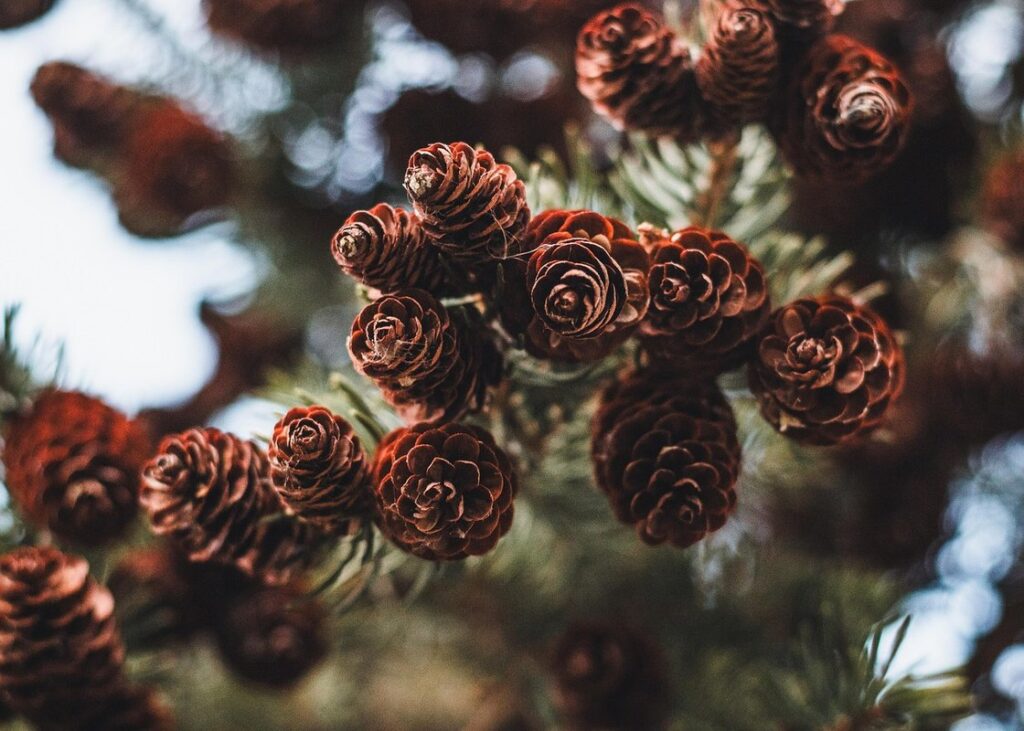
Pine cone mulch is a type of natural mulch made from pine cones that have been processed and transformed into a usable material for gardening. At its core, pine cone mulch is a byproduct of pine trees that can be used to retain moisture, suppress weeds, and regulate soil temperature in gardens.
There are several types of pine cones that can be used for mulching, each with their unique characteristics and benefits. White pine cones, for example, are soft and fragile, making them ideal for use as a top dressing or in areas where ease of installation is crucial. Red pine cones, on the other hand, are harder and more durable, making them suitable for areas that require more insulation.
Other types of pine cones include loblolly, shortleaf, and longleaf pine cones, each with their distinct properties and uses. For instance, loblolly pine cones are known for their high sulfur content, which can be beneficial for acidic soil. When selecting a type of pine cone mulch, consider the specific needs of your garden and choose accordingly.
It’s also worth noting that not all pine cones are suitable for mulching. Some may contain seeds or other debris that can sprout in your garden. Be sure to inspect the pine cones before using them as mulch to ensure they meet your standards.
Harvesting and Processing Pine Cones
Harvesting pine cones is an exciting process, especially when you know they’ll eventually become a valuable resource for your garden. To start, look for mature pine trees with abundant cone production, typically in late fall to early winter. You can collect cones by hand or use a soft-bristled brush to gently sweep them off the branches. Be sure to harvest from a diverse range of pine species to create a rich mulch blend.
Once you’ve collected enough cones, it’s time to process them into a usable mulch material. Start by spreading out the cones and letting them dry completely in a warm, well-ventilated area. This helps reduce moisture content and prevents mold or mildew growth. Next, use a hammer or mallet to crush the cones into smaller pieces, releasing their seeds and oils. Then, place the crushed cones in a large bucket or container with some sawdust or sand to absorb excess resin. You can now mix this processed material with other mulch ingredients to create a high-quality pine cone mulch blend.
When processing your harvest, remember to wear gloves and work in a well-ventilated area to avoid inhaling pine pollen or oils. Properly processed pine cones will retain their natural aroma and provide excellent benefits for your garden.
Benefits of Using Pine Cone Mulch
One of the best perks of using pine cone mulch is that it’s an incredibly cost-effective option for gardeners on a budget, saving you money in the long run.
Nutrient-Rich Soil Amendment
When used as a soil amendment, pine cone mulch brings a wealth of nutrient-rich properties that can significantly enhance soil health. The high concentration of humus in pine cones acts as an excellent natural fertilizer, gradually releasing essential nutrients like nitrogen, phosphorus, and potassium into the surrounding soil. This slow release mechanism ensures a steady supply of vital nutrients for plant growth, eliminating the need for synthetic fertilizers.
Pine cone mulch is also rich in beneficial microorganisms, such as mycorrhizal fungi, which form symbiotic relationships with plant roots to enhance nutrient uptake and water absorption. By incorporating pine cones into your soil mix, you’re essentially creating a mini-ecosystem that fosters the growth of healthy microbe populations.
As an added benefit, pine cone mulch has natural pH-balancing properties, making it suitable for use in both acidic and alkaline soils. Its acidic nature can help reduce soil pH levels, while its humus content helps retain moisture and suppress weed growth, reducing the need for manual weeding and irrigation.
Weed Suppression and Erosion Control
When used as mulch, pine cones can help suppress weeds and prevent soil erosion, making them an incredibly valuable resource for gardeners. Weeds are a major problem in many gardens, stealing water and nutrients from desired plants while competing with them for space. Pine cone mulch creates a barrier that prevents weed seeds from germinating, reducing the need for herbicides and manual weeding.
To utilize pine cone mulch effectively, spread a 2-3 inch layer over garden beds or pathways. This thickness allows the cones to break down slowly, releasing nutrients into the soil without compromising its structure. As the pine cones decompose, they form a dense mat that inhibits weed growth. Regularly replenishing the mulch ensures continuous weed suppression.
A well-maintained pine cone mulched area also helps prevent soil erosion by retaining moisture and reducing surface runoff. This is particularly important for sloping gardens or areas prone to heavy rainfall. By keeping the soil stable, pine cone mulch reduces the risk of landslides and maintains a healthy soil structure.
Firewood and Kindling Alternative
When it comes to outdoor activities like camping or having a backyard fire pit, traditional firewood and kindling materials can be expensive and not always readily available. This is where pine cone mulch comes into play as a sustainable alternative. Pine cones are an abundant natural resource that can be collected from your own yard or nearby forests.
To use pine cone mulch as a fire starter, simply dry the pine cones completely by spreading them out in a single layer on a paper bag or tray. Then, break down larger pine cones into smaller pieces to create kindling. You can also mix dried pine cones with other combustible materials like leaves or twigs for an added boost.
One of the benefits of using pine cone mulch as a fire starter is that it burns hotter and longer than traditional kindling. This makes it an ideal choice for camping trips where you need to get a fire going quickly, but also want to conserve fuel. Plus, pine cones are biodegradable and non-toxic, making them a safe choice for use around children and pets.
To make the most of your pine cone mulch collection, consider investing in a manual or electric dryer to speed up the drying process. This will ensure that your pine cones are ready to use whenever you need them.
How to Make Pine Cone Mulch
To make pine cone mulch, you’ll need to dry and process pine cones into a usable material that can be applied directly to your garden beds. Follow these simple steps for a successful result.
Drying and Crushing Method
To create usable pine cone mulch, it’s essential to dry and crush the cones properly. Drying is crucial as it helps remove excess moisture that can lead to mold growth and reduced effectiveness of the mulch.
Firstly, spread out the collected pine cones on a wire mesh or a paper bag in a warm, well-ventilated area. Let them air-dry for several weeks, turning occasionally to ensure even drying. You can also speed up the process by placing them near a heat source like a radiator or a sunny windowsill.
Once the pine cones are completely dry and brittle, crush them using a manual or electric crusher. Be cautious not to generate too much dust during this process. An alternative method is to place the dried cones in a large plastic bag and use a rolling pin to crush them.
The ideal mulch texture should be fine but not powdery. If it’s still too coarse, you can pass it through a sieve or use a lawn mower with a mulching attachment to achieve the desired consistency. This will ensure your pine cone mulch is ready for use in your garden.
Composting Method
To create a nutrient-rich mulch from pine cones, you can use a composting method that combines them with other organic materials. Start by collecting fallen pine cones and mixing them with leaves, grass clippings, or kitchen scraps. Aim for a ratio of 2/3 “brown” materials like dried leaves and 1/3 “green” materials like fresh grass clippings.
As you mix the ingredients, ensure they’re not too wet or dry, as this can slow down decomposition. Add a small amount of water to keep the mixture moist but not soggy. You’ll want to maintain a pile temperature between 130°F and 140°F for optimal composting. This process typically takes 2-3 months.
During this time, turn the pile every week or two to aerate it and speed up decomposition. Be patient, as the resulting mulch will be rich in nutrients, improving soil structure and fertility. Use this mulch around plants to retain moisture, suppress weeds, and regulate soil temperature. A good rule of thumb is to add 2-3 inches of composted pine cone mulch around your plants’ base for optimal benefits.
DIY Mulcher or Grinder Options
If you’re interested in making large quantities of pine cone mulch, investing in a commercial-grade mulcher or grinder might not be feasible. However, there are several DIY options that can help you process pine cones efficiently.
One option is to repurpose an old wood chipper or lawn mower with a chipper attachment. This can be a cost-effective solution if you already have access to such equipment. However, keep in mind that modifying existing machinery may require expertise and additional safety precautions.
Another approach is to use a food processor or blender to mulch smaller quantities of pine cones. While not ideal for large-scale production, this method can help you process individual pine cones quickly. You’ll need to be cautious when handling sharp pine needles and take regular breaks to avoid fatigue.
You may also consider using a hammer mill or a manual grain mill as an alternative. These devices are designed for grinding grains but can handle pine cones with some adjustments. Be prepared to spend time fine-tuning the equipment and monitoring its performance to achieve optimal results.
Safety Precautions and Considerations
When working with pine cone mulch, it’s essential to take some extra precautions to avoid accidents and injuries. We’ll walk you through the key safety considerations to keep in mind.
Allergies and Irritation Prevention
When working with pine cone mulch, it’s essential to be aware of potential allergies and skin irritation that may arise. Some individuals may experience allergic reactions to certain types of pine cones, particularly those from the Southern Yellow Pine or Eastern White Pine species.
Pine pollen, resin, and sap can cause skin irritation in some people, leading to redness, itching, and even minor burns. This is often due to an allergic reaction to the oleoresin, a sticky substance produced by pine trees as a defense mechanism. If you have sensitive skin or allergies, it’s crucial to take precautions when handling pine cone mulch.
To prevent allergies and irritation, wear protective clothing such as gloves, long sleeves, and pants when working with pine cone mulch. Regularly wash your hands after handling the mulch, and avoid touching your face or eyes. Additionally, if you experience any discomfort or skin reactions, discontinue use immediately and seek medical attention if necessary.
It’s also worth noting that not all pine cones are created equal. Some species are less likely to cause allergic reactions than others. By choosing pine cones from low-allergenic species like the Sugar Pine or Ponderosa Pine, you can minimize potential risks.
Equipment and Tool Safety
When working with pine cone mulch, it’s essential to take necessary safety precautions when using equipment and tools for harvesting, processing, or applying it. This includes wearing protective gear such as gloves, safety glasses, and a dust mask to prevent injuries from sharp objects or airborne debris.
Operating machinery like chain saws or chippers requires caution. Always ensure the equipment is properly maintained, and follow the manufacturer’s guidelines for operation and maintenance. Regularly check the blades for wear and tear, and maintain a safe distance from bystanders while working with power tools.
When applying pine cone mulch using mechanical spreaders or blowers, be mindful of potential projectiles flying off the machine. Keep loose clothing tied back, and avoid wearing jewelry that could get caught in moving parts. Moreover, consider enlisting help when handling heavy equipment to prevent accidents caused by overexertion.
Environmental Impact and Sustainability
Now that we’ve explored the benefits of using pine cone mulch, let’s dive into how it affects our environment and what sustainable practices you can adopt when working with this natural material.
Renewable Resource
Pine cones are an abundant natural resource that can be harnessed sustainably. Unlike fossil fuels, pine cones are a renewable resource that can be replenished quickly, making them an attractive option for eco-conscious gardeners and landscapers.
One of the most significant benefits of using pine cone mulch is its minimal environmental impact. Pine cones grow on trees that absorb carbon dioxide and produce oxygen during photosynthesis. By harvesting pine cones, we’re not only reducing waste but also giving back to the ecosystem by allowing the trees to continue their vital role in regulating the atmosphere.
To make the most of this renewable resource, consider collecting pine cones from your own property or nearby parks and forests. Simply rake them up, dry them out, and chop them into smaller pieces for use as mulch. Not only will you be reducing waste and creating a sustainable gardening practice, but you’ll also be supporting local tree growth and biodiversity.
By incorporating pine cone mulch into your garden, you’re taking a crucial step towards reducing your carbon footprint and promoting eco-friendly practices in your community.
Carbon Sequestration and Soil Carbon Storage
When you think about pine cone mulch, what often comes to mind is its ability to retain moisture and suppress weeds. However, this eco-friendly alternative also has a significant role to play in the fight against climate change.
Pine cones are rich in lignin, a complex organic compound that can be broken down by microorganisms in the soil. As pine cone mulch decomposes, it releases nutrients and organic matter into the soil, which in turn increases its carbon storage capacity. In fact, studies have shown that well-managed forests with regular mulching practices can sequester up to 10 times more carbon than those without.
To maximize the carbon sequestration potential of pine cone mulch, focus on creating a diverse and thriving ecosystem in your garden or landscape. Incorporate other organic materials like leaf litter and compost into your mulching routine, and avoid using synthetic fertilizers that can disrupt microbial activity and hinder carbon storage. By adopting these practices, you’ll not only be reducing waste but also contributing to the global effort of mitigating climate change through soil carbon storage.
Cost-Benefit Analysis and Comparison
When considering pine cone mulch, it’s essential to weigh its benefits against potential drawbacks, including cost and environmental impact. Let’s break down these factors together.
Pine Cone Mulch vs. Other Mulching Materials
When it comes to mulching options, pine cone mulch stands out for its unique benefits and advantages. But how does it compare to other popular mulching materials like bark and wood chips? Let’s dive into a cost-benefit analysis of these alternatives.
Pine cone mulch is often touted as one of the most affordable options on the market, especially when foraged from your own property or collected sustainably in nature. In contrast, high-quality bark mulch can range from $2 to $5 per bag, depending on the type and quantity needed. Wood chips, while a more budget-friendly option at around $1 to $3 per bag, may require more frequent replenishment due to their tendency to break down quickly.
However, it’s essential to consider not just upfront costs but also long-term performance. Pine cone mulch is surprisingly durable and can last for several seasons with minimal maintenance. Bark and wood chips, on the other hand, may need to be replenished every 1-2 years due to decomposition. By choosing pine cone mulch, you’ll save time, money, and resources in the long run.
To give you a better idea of the costs involved, consider this rough estimate: for a small garden bed covering 100 square feet, you might need 3-4 bags of bark or wood chips per year at $2.50 to $3.75 per bag. In contrast, pine cone mulch could be obtained and applied in bulk, with an estimated cost savings of up to 70% over a two-year period.
ROI on Pine Cone Mulch Use
When it comes to calculating the return on investment (ROI) for using pine cone mulch, it’s essential to consider various factors. First, let’s discuss the costs associated with pine cone mulch. Compared to other types of mulch, such as wood chips or rubber mulch, pine cones are often free or low-cost. You can collect them from your backyard, a nearby forest, or ask friends and family for their pine cones.
To estimate the ROI on pine cone mulch, consider the following: a 2-cubic-foot bag of organic mulch costs around $3 to $5, while a similar quantity of pine cones is virtually free. Additionally, pine cones are long-lasting and can remain effective for up to three years, whereas other types of mulch typically need to be replenished every year.
To maximize your ROI on pine cone mulch, use them in areas that require minimal maintenance, such as pathways or garden beds. Pine cones also have natural pest-repellent properties, which can reduce the need for chemical pesticides and herbicides. By leveraging these benefits and using pine cones efficiently, you can significantly reduce costs associated with gardening and landscaping while creating a more sustainable environment.
Frequently Asked Questions
Can I use pine cone mulch on slopes or areas with heavy rainfall?
Pine cone mulch is an excellent choice for slopes, as it can help prevent erosion and retain soil moisture. However, be aware that excess water may cause the mulch to become soggy and lose its effectiveness. Consider adding a drainage layer underneath the mulch or using a mix of pine cones with other materials like leaves or straw to improve water management.
How do I ensure proper application rates for pine cone mulch?
Proper application is key to getting the most out of your pine cone mulch. As a general rule, apply 2-3 inches of mulch around plants, keeping it a few inches away from trunks and stems. You can also mix in some compost or well-rotted manure to enhance soil fertility.
Can I use pine cone mulch with other types of mulching materials?
Pine cone mulch pairs well with other natural materials like wood chips, bark, or leaves. Mixing different textures and types can create a visually appealing landscape while providing improved soil health and weed suppression. Just be sure to maintain a balance between materials to avoid creating a fire hazard.
How long does pine cone mulch typically last in the garden?
When properly applied and maintained, pine cone mulch can last for several years, depending on climate conditions and the rate of decomposition. In areas with heavy rainfall or intense sunlight, you may need to replenish the mulch more frequently.
Are there any specific tools or equipment needed to process and apply pine cone mulch?
To make processing and applying pine cone mulch easier, consider investing in a DIY mulcher or grinder, or even repurposing an old chipper. You’ll also need a tarp or bag to collect the processed cones and a rake or shovel for spreading them evenly around your plants.