
Pigeon peas are often overlooked in favor of more popular legumes, but they’re a nutrient-dense superfood that deserves some serious attention. Not only do they offer a wealth of health benefits, from high protein content to rich stores of fiber and minerals, but they’re also an environmentally friendly choice for farmers. Drought-tolerant and easy to grow, pigeon peas are perfect for sustainable agriculture. Whether you’re looking to add some variety to your cooking repertoire or seeking out new ways to boost your nutrition, this guide is here to help.
We’ll dive into the nutritional benefits of pigeon peas in detail, exploring their unique profile and how they can be used as a substitute for other legumes in recipes. We’ll also cover the environmental advantages of growing pigeon peas, from reduced water usage to improved soil health. And finally, we’ll provide step-by-step instructions on how to grow and harvest these versatile beans.
What are Pigeon Peas?
So, you’re curious about these tiny but mighty legumes? In this section, we’ll explore what pigeon peas are and where they come from.
Definition and Origin
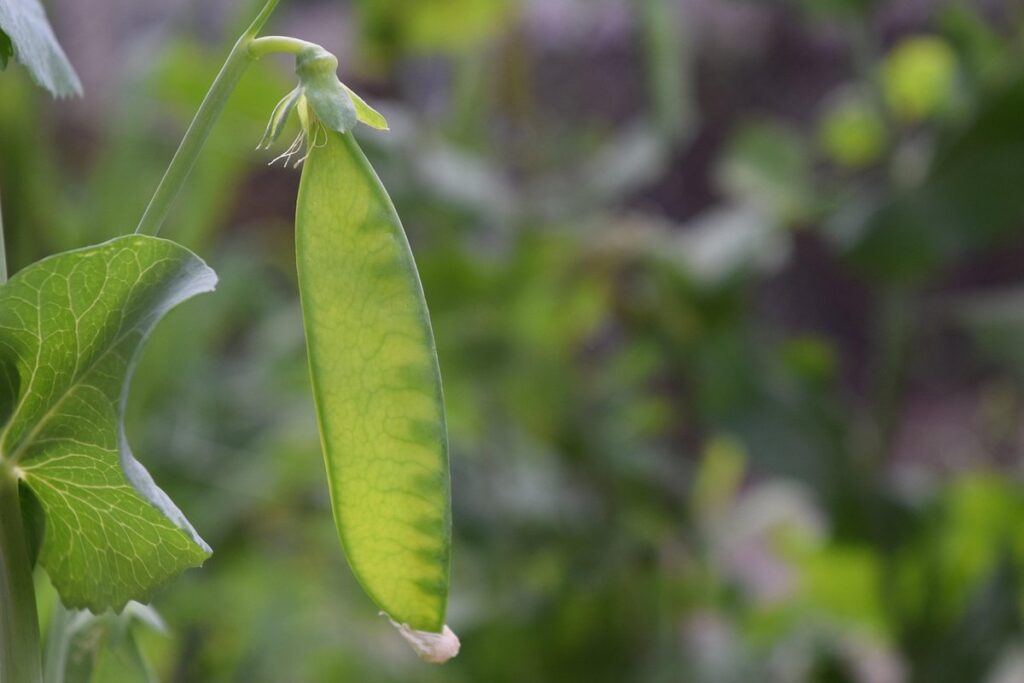
Pigeon peas, also known as gungo peas, are a type of legume that has been a staple food in many parts of the world for centuries. Their botanical name is Cajanus cajan, which is part of the Fabaceae family, a group of plants that include beans and lentils. In its most basic form, a pigeon pea is a small, green or yellow seed pod that contains 3-5 seeds. These seeds are what we commonly refer to as pigeon peas, and they’re an excellent source of protein, fiber, and various essential vitamins and minerals.
The origins of the pigeon pea date back to Africa, where it’s believed to have originated over 3,000 years ago. From there, it spread to other parts of the world, including Asia and the Caribbean, where it was introduced by African slaves who brought their culinary traditions with them. Today, pigeon peas are grown in many countries around the world, including India, Africa, and the Americas. They’re a versatile ingredient that can be used in a variety of dishes, from stews and curries to salads and stir-fries.
History of Cultivation
Pigeon peas have been cultivated for thousands of years, with evidence suggesting their use dates back to ancient civilizations in India and other parts of Asia. In fact, the earliest recorded mention of pigeon peas can be found in the ancient Indian text, the Rigveda, which is estimated to be over 3,500 years old.
The history of pigeon pea cultivation in India is closely tied to the country’s agriculture and economy. Pigeon peas were a staple crop for many Indian farmers, particularly in the southern states of Tamil Nadu, Andhra Pradesh, and Karnataka. The crop was highly valued for its ability to thrive in poor soil conditions and its high protein content, making it an essential source of nutrition for both humans and animals.
Interestingly, pigeon pea cultivation spread throughout Asia due to trade routes and migration patterns. Archaeological evidence suggests that the crop was also cultivated in ancient China during the Han Dynasty (206 BCE – 220 CE). Today, pigeon peas remain a vital component of many Asian cuisines, particularly in Indian and Southeast Asian cooking.
Nutrition and Health Benefits
Pigeon peas are not only a tasty addition to your meals, but they’re also packed with nutrients that can have a significant impact on your overall health. Let’s dive into the specific benefits you can expect from consuming these versatile legumes regularly.
Protein Content and Amino Acid Profile
Pigeon peas are an excellent plant-based protein source, making them an attractive option for vegetarians and vegans. A 100-gram serving of pigeon peas contains approximately 22 grams of protein, which is comparable to other legumes like chickpeas and lentils.
In terms of amino acid profile, pigeon peas contain all nine essential amino acids required by the human body. They are particularly high in protein efficiency ratio (PER) score, which measures a protein’s ability to support growth and maintenance. Pigeon peas’ PER score is 2.5, placing them among the top plant-based protein sources.
One of the key advantages of pigeon pea protein is its completeness – it contains all essential amino acids in adequate amounts for human nutrition. This makes them an excellent option for individuals looking to boost their plant-based protein intake. For example, you can incorporate cooked pigeon peas into your favorite stir-fries or curries to increase the protein content and make the dish more satisfying. Additionally, dried pigeon pea flour can be used as a gluten-free substitute in baked goods and other recipes.
Fiber and Antioxidant Content
Pigeon peas are an excellent source of dietary fiber, containing both soluble and insoluble fiber that can help promote digestive health. A 100-gram serving of pigeon peas provides around 8 grams of fiber, making them an ideal addition to a high-fiber diet. Consuming enough fiber can help reduce the risk of chronic diseases such as heart disease, diabetes, and certain types of cancer.
In addition to their high fiber content, pigeon peas are also rich in antioxidants, including polyphenols and flavonoids. These powerful compounds have been shown to have anti-inflammatory properties, which can help reduce inflammation in the body and alleviate conditions such as arthritis and other inflammatory diseases. Pigeon peas contain a unique antioxidant called isorhapontigenin, which has been found to have potent anti-inflammatory effects.
To reap the benefits of the fiber and antioxidant content in pigeon peas, simply add them to your meals. You can cook them with rice or use them in soups and stews. Try incorporating 1/2 cup of cooked pigeon peas into your daily meal plan to experience the positive impact on your digestive health and reduce inflammation in your body.
Uses in Cooking and Cuisine
Pigeon peas are incredibly versatile, and their uses extend far beyond a simple side dish. Let’s explore some creative ways to incorporate them into your favorite recipes.
Traditional Indian and African Dishes
Pigeon peas are an integral part of traditional Indian and African cuisine, where they’re valued for their rich flavor and versatility. In Indian cooking, pigeon peas are a staple ingredient in the popular dish dal makhani, which originated in the Punjab region. This comforting curry combines pigeon peas with kidney beans, onions, garlic, ginger, and a blend of warming spices like cumin and coriander.
In Africa, pigeon peas are commonly used to make hearty stews that are often served at special occasions. In Ghana, for example, pigeon pea fufu is a beloved dish made by boiling the peas in water until they’re tender, then mashing them into a sticky dough that’s served with a spicy sauce. Similarly, in Senegal, pigeon pea jollof rice is a popular one-pot dish that combines the peas with aromatic spices, tomatoes, and rice.
To incorporate pigeon peas into your own cooking, start by experimenting with traditional recipes from India or Africa. You can also try substituting them for other types of beans in familiar dishes to add new flavor and texture. For instance, you could make a batch of dal makhani using pigeon peas instead of kidney beans, or use them to thicken up your favorite stew.
International Adoption and Modern Recipes
Pigeon peas have become increasingly popular worldwide, with their versatility and nutritional value making them a staple in various cuisines. One of the most notable trends is their incorporation into Mediterranean and Middle Eastern cooking. Recipes like stews, salads, and side dishes often feature pigeon peas as a protein-rich addition.
In Greek cuisine, for example, pigeon peas are commonly used in hearty stews and braises, such as Gigantes, a popular dish from the island of Crete. Similarly, in Moroccan cooking, pigeon peas are added to tagines and couscous dishes for their flavor and texture. To try these international flavors at home, start by substituting pigeon peas into your favorite recipes.
Some practical tips include soaking pigeon peas overnight before using them, as this will help reduce cooking time and make them easier to digest. You can also blend cooked pigeon peas with olive oil, garlic, and lemon juice for a tasty salad dressing or marinade. Experimenting with different spices and herbs will allow you to create unique flavor profiles that suit your taste preferences.
Growing and Harvesting Pigeon Peas
Now that you know how amazing pigeon peas are for your health, let’s dive into the fun part: growing and harvesting them yourself, from seed to plate.
Climate and Soil Requirements
Pigeon peas are a tropical legume that thrive in warm temperatures and well-draining soils. When it comes to climate and soil requirements, the ideal conditions for growing pigeon peas are relatively specific.
Firstly, temperature plays a significant role in pigeon pea growth. They prefer a mean annual temperature of 24-27°C (75-81°F) with a range of 18-30°C (64-86°F). Prolonged exposure to temperatures above 32°C (90°F) can lead to heat stress and reduced yields.
In terms of water requirements, pigeon peas are drought-tolerant but perform best when they receive adequate moisture. Aim for about 800 mm (31 in) of rainfall or irrigation annually, with well-distributed rainfall throughout the growing season.
Soil-wise, pigeon peas prefer a slightly acidic to neutral soil pH ranging from 5.5 to 7.0. The ideal soil texture is loamy or sandy-loam with good drainage and aeration. A mix of compost or organic amendments can help improve soil fertility and structure.
Planting and Maintenance Tips
When planting pigeon pea crops, it’s essential to choose a well-draining soil with a pH between 5.5 and 7.0. Pigeon peas are drought-tolerant but perform best when watered regularly, especially during the initial growth stage. Sow seeds about 1-2 inches deep and 6-8 inches apart in late spring or early summer.
To maintain healthy pigeon pea crops, ensure adequate spacing for proper air circulation to prevent fungal diseases. Keep the soil consistently moist, but not waterlogged, as this can lead to root rot. Mulch around the plants to retain moisture and suppress weeds. Regularly inspect your crop for signs of pests like aphids, whiteflies, or spider mites.
Common challenges when growing pigeon peas include powdery mildew and bacterial leaf spot. Implement integrated pest management (IPM) techniques by introducing beneficial insects like ladybugs or lacewings to control aphid populations. Monitor temperature fluctuations and protect your crop from frost damage. Harvest pigeon peas when the pods are fully formed but still tender, usually around 60-90 days after planting.
Environmental Benefits and Sustainability
Pigeon peas are not only nutritious, but they also have a positive impact on the environment when farmed sustainably. In this section, we’ll explore their eco-friendly benefits in more detail.
Low Water Requirement
Pigeon peas are renowned for their remarkable ability to thrive in dry conditions, making them an excellent choice for sustainable agriculture practices. With a low water requirement, these legumes can be grown with minimal irrigation, reducing the strain on natural resources and minimizing the environmental impact of farming.
In fact, pigeon peas require significantly less water than many other crops, including maize and wheat. According to the Food and Agriculture Organization (FAO), pigeon peas need only about 1,500-2,000 mm of rainfall or irrigation to produce a crop, compared to 3,000-4,000 mm for maize.
This drought-tolerant characteristic makes pigeon peas an ideal crop for areas with limited water resources. Farmers can cultivate them using rainwater harvesting techniques or rely on traditional irrigation methods, reducing their dependence on groundwater and preserving this vital resource for future generations. By incorporating pigeon peas into your agricultural rotation, you’ll not only be conserving water but also promoting soil health and fertility through nitrogen fixation.
Soil Enrichment and Carbon Sequestration
Pigeon peas are not only a nutritious legume but also a valuable tool for environmental conservation. One of the significant benefits of growing pigeon peas is their ability to enrich soil quality and sequester carbon, thereby reducing greenhouse gas emissions and improving soil fertility. This process is achieved through a symbiotic relationship between the pea’s root nodules and nitrogen-fixing bacteria.
As pigeon peas grow, they absorb atmospheric nitrogen and convert it into a form that can be used by plants, reducing the need for synthetic fertilizers. This not only improves soil structure but also enhances its water-holding capacity, making it more resilient to droughts and other extreme weather conditions. By incorporating pigeon peas into your crop rotation, you can sequester up to 50 kilograms of carbon per hectare per year, contributing significantly to mitigating climate change.
To maximize the environmental benefits of pigeon peas, consider planting them as a cover crop or integrating them into your existing agricultural practices. This will not only enrich your soil but also create a more sustainable and resilient food system for generations to come.
Conclusion
Now that you’ve learned all about the incredible benefits and uses of pigeon peas, let’s summarize the key takeaways from our exploration of these nutritious legumes.
Recap of Benefits and Uses
In conclusion to our comprehensive exploration of pigeon peas, let’s recap the numerous benefits and uses of this incredible legume. As we’ve established throughout this guide, pigeon peas are a nutritional powerhouse, rich in protein, fiber, and essential micronutrients like iron and zinc.
But their advantages extend far beyond the realm of human health. Pigeon peas are also an environmentally friendly crop that helps maintain soil quality, prevents erosion, and supports biodiversity. By incorporating them into your diet and cooking routine, you’ll not only be nourishing your body but also contributing to a more sustainable food system.
In terms of culinary uses, pigeon peas can be enjoyed in a variety of dishes, from traditional Caribbean curries to modern fusion recipes. Simply soak and cook the dried peas, or use them fresh in salads, stews, and stir-fries. With their mild flavor and versatility, the possibilities are endless! Whether you’re a seasoned chef or a curious home cook, pigeon peas are sure to become a staple in your kitchen.
Future Prospects and Research Directions
As we conclude our exploration of pigeon peas, it’s exciting to consider the vast potential they hold for future research and applications. One promising direction is to explore their potential as a protein-rich crop for sustainable food systems. This aligns with the growing need for plant-based protein sources that can help mitigate climate change.
Research has already begun to uncover the possibilities of pigeon peas in this realm. For instance, studies have shown that they can be used as a nitrogen-fixing legume, reducing the need for synthetic fertilizers and promoting soil health. Moreover, their high protein content makes them an attractive crop for biofortification programs aimed at improving nutritional outcomes in developing countries.
As the world grapples with the challenges of sustainable food production, pigeon peas are poised to play a significant role. With ongoing research and development, we can expect to see innovative uses emerge, such as using pigeon pea protein as a supplement in animal feed or exploring their potential for use in plant-based meat alternatives.
Frequently Asked Questions
Can I grow pigeon peas in containers or do they require a large plot of land?
Growing pigeon peas in containers is not only possible but also recommended for small-scale farmers or urban gardeners. They can thrive in well-draining soil and full sun, making them perfect for container gardens.
How long does it take to harvest pigeon peas after planting, and what are the optimal conditions for growth?
Pigeon peas typically mature within 120-150 days after sowing. For optimal growth, they require a warm climate with average temperatures between 64°F and 90°F (18°C and 32°C). They also need well-draining soil and full sun to produce an abundance of pods.
Are pigeon peas suitable for people with gluten intolerance or sensitivity?
Pigeon peas are naturally gluten-free, making them an excellent option for individuals with gluten intolerance or sensitivity. However, it’s essential to note that if you’re processing or preparing pigeon peas in a facility where gluten-containing grains are present, cross-contamination may occur.
Can I use pigeon pea flour as a 1:1 substitute for wheat flour in baking?
Pigeon pea flour can be used as a nutritious and sustainable alternative to traditional flours. However, due to its higher protein content, it’s best to start with a small ratio substitution (e.g., 25% pigeon pea flour and 75% wheat flour) and adjust according to the desired texture and flavor.
Are there any specific storage or handling requirements for dried pigeon peas to maintain their nutritional value?
To preserve the nutritional value of dried pigeon peas, store them in a cool, dry place away from direct sunlight. It’s also essential to keep them in an airtight container to prevent moisture and pests from affecting their quality.