
Pigeon peas have been a staple in many cultures around the world for centuries, but their potential goes far beyond just being a humble legume. These tiny beans are packed with an impressive array of nutritional benefits, making them a superfood that’s hard to ignore. From boosting your energy levels and supporting heart health to providing essential protein and fiber, pigeon peas are a powerhouse of goodness waiting to be unlocked in your kitchen.
In this article, we’ll take you on a journey to discover the ultimate guide to pigeon peas. We’ll delve into their nutritional benefits, share mouth-watering recipes from around the world that showcase their versatility, and provide expert growing tips for a bountiful harvest. Whether you’re a seasoned gardener or a curious cook, get ready to unlock the potential of this incredible superfood and start reaping its rewards in your kitchen and garden.
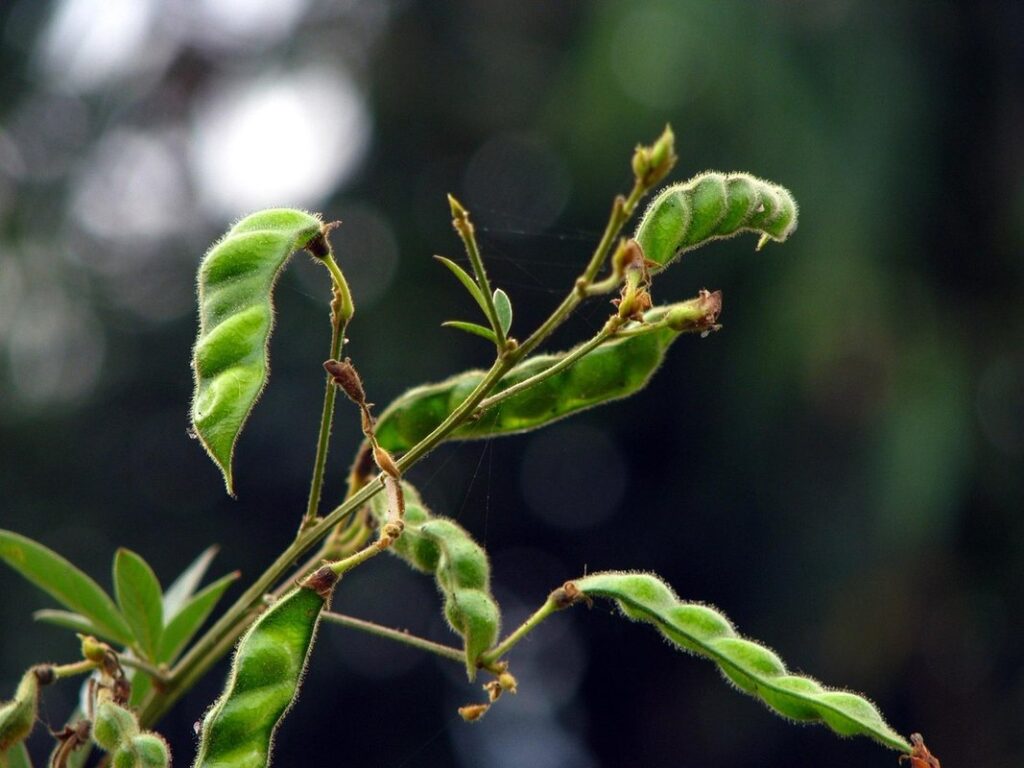
What Are Pigeon Peas?
So you want to know more about these tiny but mighty legumes, and where they come from: pigeon peas are a type of dried bean native to Africa.
Definition and Classification
Pigeon peas are a type of legume that belongs to the Fabaceae family, making them a part of the same plant family as beans and lentils. This classification group is known for its nutritional value and versatility, which is why pigeon peas have become widely cultivated in tropical and subtropical regions. Their adaptability to different climates has made them a staple crop in many parts of the world.
As a legume, pigeon peas are an excellent source of protein, fiber, and essential minerals such as iron and zinc. They contain all eight essential amino acids that our bodies need for growth and repair. Pigeon peas can be grown on small farms or even in backyard gardens, making them accessible to people from various backgrounds.
In terms of classification, pigeon peas are often divided into two main categories: green pigeon peas and split red pigeon peas. Green pigeon peas are typically harvested when they are still green and have a high moisture content, while split red pigeon peas are dried and processed for easier storage and consumption. Understanding the different types and characteristics of pigeon peas can help you choose the best variety for your specific needs and preferences.
Historical Significance and Cultural Importance
Pigeon peas have been an integral part of human history for centuries. Originating from South Asia, their cultivation dates back to around 2000 BCE. They were initially used as a food source and later became significant in traditional medicine due to their versatility. In Ayurvedic medicine, pigeon peas are believed to possess anti-inflammatory properties, which can help manage conditions such as arthritis.
Culturally, pigeon peas hold immense importance worldwide. In India, they’re considered a sacred legume, often used in various dishes during festivals and celebrations. The same significance is observed in other parts of the world, including Africa, where pigeon peas are an essential ingredient in traditional cuisine. Their cultural importance can also be attributed to their role as a symbol of unity and community.
Not only do pigeon peas hold historical and cultural significance but they’re also easy to incorporate into modern recipes. To experience their unique flavor, try substituting them with chickpeas or black beans in your favorite dishes. This will not only add variety but also provide you with essential nutrients like protein and fiber.
Nutritional Benefits of Pigeon Peas
Pigeon peas are packed with nutrients, providing essential vitamins and minerals that support a healthy diet, making them a great addition to your meal planning. Let’s explore their impressive nutritional benefits in more detail.
Protein Content and Amino Acid Profile
Pigeon peas are an excellent plant-based source of protein, making them an attractive option for vegetarians and vegans. A single cup of cooked pigeon peas contains approximately 14 grams of protein, which is roughly the same amount found in a cup of cooked chickpeas or black beans. What’s more impressive, however, is their essential amino acid profile.
Pigeon peas contain all nine essential amino acids that the human body cannot produce on its own, including the rare amino acid tryptophan. This makes them a complete protein source, providing all the necessary building blocks for muscle growth and repair. For example, to meet your daily protein needs, you could pair pigeon peas with brown rice or whole wheat bread, which would provide a balanced mix of essential amino acids.
When incorporating pigeon peas into your diet, aim to consume at least 100 grams per day to reap their full nutritional benefits. You can easily do this by adding them to soups, stews, curries, and salads, or by making a simple dish like pigeon pea dal. By doing so, you’ll not only boost your protein intake but also support overall health and well-being with their rich nutrient profile.
Fiber and Mineral Richness
Pigeon peas are a nutrient-dense legume that offers numerous health benefits due to their high fiber and mineral content. One of the most significant advantages of incorporating pigeon peas into your diet is their iron richness. A 100-gram serving of pigeon peas provides approximately 3.9 milligrams of iron, which can help alleviate iron deficiency anemia.
In addition to iron, pigeon peas are also a good source of potassium and zinc. Potassium plays a crucial role in maintaining healthy blood pressure levels, while zinc is essential for immune function and wound healing. A single serving of cooked pigeon peas contains about 560 milligrams of potassium and 1.2 milligrams of zinc.
The high fiber content in pigeon peas can also contribute to digestive health by promoting regular bowel movements and preventing constipation. Furthermore, the soluble fiber present in pigeon peas helps lower cholesterol levels and reduces the risk of heart disease.
Overall, incorporating pigeon peas into your diet can have a significant impact on your overall well-being due to their rich mineral and fiber content.
Cooking with Pigeon Peas
When it comes to cooking with pigeon peas, the possibilities are endless and delicious. Let’s dive into some tasty recipe ideas to get you started on experimenting with this versatile ingredient.
Traditional Recipes from Around the World
Pigeon peas are a staple ingredient in many traditional recipes around the world. In India, they’re used to make popular curries like pigeon pea curry with coconut milk and spices. To make this dish, simply sauté onions, ginger, and garlic, then add red chilies, turmeric, and cumin powder before adding cooked pigeon peas and simmering for 15-20 minutes.
In West Africa, pigeon peas are a key ingredient in stews like groundnut and pigeon pea stew. This hearty one-pot dish is made by combining pigeon peas with peanut paste, onions, garlic, ginger, and spices like cumin and coriander. Simply sauté the aromatics, add the peanut paste and spices, then stir in cooked pigeon peas and simmer for 20-25 minutes.
In the Caribbean, pigeon peas are used to make delicious salads like pigeon pea salad with coconut and lime juice. To make this refreshing side dish, combine cooked pigeon peas with chopped onions, bell peppers, and cilantro, then squeeze with fresh lime juice and serve over a bed of rice or as a topping for grilled meats.
Modern Twists on Classic Dishes
Pigeon peas are an incredibly versatile ingredient, and with a little creativity, you can transform them into modern twists on classic dishes. Take for instance, the vegan and gluten-free “Indian-Style Pigeon Pea Curry.” This recipe replaces traditional coconut milk with a mixture of almond milk and cashew cream, making it not only dairy-free but also creamy and rich.
For a more innovative take, try using pigeon peas in place of chickpeas in a “Mediterranean Chickpea Salad” style dish. Simply cook the pigeon peas until tender, then toss them with chopped veggies like cucumbers, bell peppers, and red onions, and top with a zesty lemon-tahini dressing.
You can also use pigeon peas to create a modern take on traditional African dishes, such as jollof rice. Try adding cooked pigeon peas to your favorite jollof rice recipe for added protein and texture. The possibilities are endless when it comes to using pigeon peas in innovative ways!
Growing Pigeon Peas: Tips and Tricks
Want to grow pigeon peas like a pro? In this next section, we’ll share expert tips on how to cultivate these nutritious legumes in your backyard.
Climate and Soil Requirements
When it comes to growing pigeon peas, understanding the ideal climate and soil conditions is crucial for a successful harvest. Pigeon peas are a warm-season crop that thrives in tropical and subtropical regions with mild winters.
Temperature-wise, pigeon peas require a minimum temperature of 64°F (18°C) to germinate and grow optimally. They can tolerate temperatures up to 90°F (32°C), but extreme heat above 100°F (38°C) can cause damage or reduce yields. Aim for a temperature range between 75°F (24°C) and 85°F (29°C) during the day, with a slight drop in temperature at night.
In terms of moisture, pigeon peas need consistent and well-distributed rainfall throughout their growth period. However, they are relatively drought-tolerant and can survive with minimal watering once established. Ensure that the soil has good drainage to prevent waterlogging, which can lead to root rot and other diseases.
As for pH requirements, pigeon peas prefer slightly acidic to neutral soils with a pH range of 6.0-7.5. Soil rich in organic matter and nutrients will promote healthy growth and increased yields. If your local climate and soil conditions don’t meet these requirements, consider using irrigation systems or adding amendments to create an optimal growing environment for your pigeon pea crop.
Sowing and Harvesting Techniques
When it comes to growing pigeon peas, proper sowing and harvesting techniques are crucial for ensuring a bountiful crop. To begin with, sow the seeds about 2-3 inches deep and 6-8 inches apart in well-draining soil that’s rich in organic matter. Make sure the soil temperature is above 60°F (15°C), as pigeon peas germinate slowly.
For optimal growth, sow the seeds during the spring or summer months when the weather is warm and there’s ample moisture. Water the soil gently but thoroughly after sowing to prevent washing away the seeds. As the plants grow, provide support using trellises or stakes to keep them upright.
To harvest pigeon peas, wait for the pods to turn a light brown color and start to dry out slightly. Avoid harvesting when the pods are still green, as they will not store well. Cut the entire stem near the base of the plant, leaving about an inch of stem attached to each pod. This will help prevent moisture from entering the pod and causing spoilage.
Regular harvesting is essential for encouraging continuous production throughout the season. With proper sowing and harvesting techniques, you can enjoy a bountiful crop of pigeon peas right in your own backyard!
Health Benefits and Therapeutic Uses
Pigeon peas offer a wealth of therapeutic uses, from soothing digestive issues to alleviating stress and anxiety. We’ll explore their numerous health benefits in detail here.
Anti-Inflammatory Properties
Pigeon pea extracts have been found to exhibit potent anti-inflammatory properties, making them a promising natural remedy for various health conditions. Research has shown that the flavonoids and phenolic acids present in pigeon peas possess strong antioxidant and anti-inflammatory activities, which can help mitigate inflammation-related diseases such as arthritis, gout, and even certain types of cancer.
The anti-inflammatory effects of pigeon pea extracts have been attributed to their ability to inhibit pro-inflammatory enzymes, reduce oxidative stress, and scavenge free radicals. Studies have demonstrated that pigeon pea extracts can effectively alleviate symptoms associated with inflammatory bowel disease (IBD) by reducing inflammation and improving gut health.
One of the potential applications of pigeon pea extracts in medicine is in the development of novel therapeutic agents for treating chronic inflammatory conditions. Moreover, their anti-inflammatory properties may also contribute to their potential benefits in cardiovascular diseases, such as hypertension and atherosclerosis. As research continues to uncover the full scope of pigeon pea’s medicinal properties, it’s likely that we’ll see more innovative uses for this versatile legume.
Traditional Medicine and Folk Remedies
In many parts of the world, pigeon pea extracts have been used for centuries to treat various health issues. In traditional medicine, these extracts are often employed to alleviate digestive problems such as bloating, gas, and diarrhea. For instance, a tea made from dried pigeon peas is consumed in some African countries to ease symptoms of irritable bowel syndrome (IBS). This remedy has also been shown to be effective in reducing inflammation in the gut.
Pigeon pea extracts have also been used topically to treat skin conditions like eczema and acne. In Ayurvedic medicine, a paste made from pigeon peas is applied directly to the affected area to reduce redness and soothe irritation. Some studies suggest that the high levels of antioxidants present in pigeon peas may contribute to their therapeutic effects on the skin.
If you’re interested in trying out these folk remedies, start by consulting with a healthcare professional before using pigeon pea extracts for medicinal purposes. You can also explore recipes online that incorporate dried or fresh pigeon peas into teas, salads, and other dishes to reap their potential health benefits.
Sustainable Farming Practices
To grow pigeon peas sustainably, consider implementing practices that minimize environmental impact, such as crop rotation and natural pest control methods. This approach will not only benefit your local ecosystem but also increase yields.
Organic Farming Methods
When it comes to cultivating pigeon peas using sustainable methods, organic farming is an ideal approach. This method not only promotes soil fertility and biodiversity but also minimizes environmental impact.
One key aspect of organic farming for pigeon peas is crop rotation. By rotating pigeon pea crops with other legumes or non-legume crops, you can improve soil health by replenishing nitrogen levels and reducing the need for synthetic fertilizers. For instance, rotating pigeon peas with maize or wheat has been shown to increase yields and reduce pests.
Companion planting is another organic method worth exploring. Planting marigolds or nasturtiums alongside pigeon peas can deter nematodes and other pests, while also attracting beneficial insects like bees and butterflies.
To further enhance biodiversity, consider incorporating cover crops into your pigeon pea farm. Cover crops like clover or rye can provide a habitat for beneficial insects, reduce erosion, and add nutrients to the soil.
By adopting these organic farming methods, you can create a thriving ecosystem that supports both your pigeon pea crop and the local environment.
Crop Rotation and Intercropping Strategies
Crop rotation is an essential technique for optimizing pigeon pea yields while minimizing pest pressure. By alternating crops, you can break disease and pest cycles, improving soil health and fertility. For example, planting pigeon peas after a legume crop like cowpeas will replenish the soil with nitrogen, reducing the need for synthetic fertilizers.
Intercropping strategies involve growing multiple crops together to enhance mutual benefits. Pigeon peas are an excellent choice for intercropping due to their ability to fix nitrogen and provide shade. Consider pairing pigeon peas with fast-growing crops like tomatoes or cucumbers. This technique can increase yields, reduce pest pressure, and improve soil structure.
Some effective crop rotation patterns include:
• Planting pigeon peas after a cereal crop like wheat or rice
• Rotating pigeon peas with other legumes like beans or lentils
• Incorporating cover crops to add organic matter and suppress weeds
Remember to monitor your soil health and adjust your crop rotation accordingly. This will help you maintain optimal yields, reduce chemical use, and promote biodiversity on your farm.
Conclusion: Unlocking the Potential of Pigeon Peas
Now that you’ve learned how to grow, harvest, and use pigeon peas in your cooking, it’s time to unlock their full potential. Let’s explore some exciting possibilities and ideas for using this superfood in creative ways.
Recap of Key Takeaways
In conclusion, we’ve covered the vast benefits of incorporating pigeon peas into our diets and daily lives. These tiny legumes offer a wealth of nutritional value, from high protein content to rich stores of essential vitamins and minerals. We also explored the versatility of pigeon peas in various cuisines, from traditional recipes like dal makhani to innovative uses in modern dishes.
Growing your own pigeon peas is not only cost-effective but also an eco-friendly way to access this sustainable food source. By implementing simple techniques like crop rotation and composting, you can reduce your carbon footprint while enjoying a bountiful harvest.
As we’ve seen throughout this guide, the potential of pigeon peas extends far beyond their culinary uses. They offer a viable solution for addressing global issues such as malnutrition, climate change, and food security. By embracing pigeon peas in our daily lives, we take a step towards creating a more sustainable and equitable future for all.
By incorporating these simple tips into your lifestyle, you’ll be well on your way to unlocking the full potential of this incredible ingredient.
Future Directions for Research and Development
As we conclude our exploration of pigeon peas, it’s clear that there is still much to be discovered about this versatile legume. To unlock its full potential, further research and development are needed in several areas.
One promising direction for future research is the optimization of pigeon pea cultivation practices. By studying the effects of different soil types, climate conditions, and irrigation methods on pigeon pea yields, farmers can improve crop productivity and resilience. For instance, scientists have identified a specific region in India where pigeon peas thrive due to the unique combination of soil nutrients and rainfall patterns. Understanding these factors can help small-scale farmers replicate successful cultivation techniques.
Additionally, exploring new applications for pigeon peas could lead to breakthroughs in food security and sustainability. Researchers might investigate how pigeon pea-based products can be used as nutritious animal feed or as a natural dye substitute for textiles. Furthermore, the development of novel processing methods could enhance the bioavailability of pigeon pea nutrients, making them more accessible to people worldwide.
To accelerate progress, scientists should collaborate with farmers, industry experts, and policymakers to share knowledge, resources, and best practices. This interdisciplinary approach can facilitate the development of efficient, cost-effective solutions for improving pigeon pea yields, nutritional value, and marketability. By working together, we can unlock the true potential of this remarkable legume and reap its benefits for generations to come.
There is also a need to investigate the potential health benefits of pigeon peas in more depth. For example, further research could explore how different preparations and cooking methods affect the bioavailability of essential nutrients like protein, fiber, and antioxidants. This information can help inform the development of nutritious recipes and meal ideas that showcase the versatility of pigeon peas.
In terms of nutrition, researchers might investigate new ways to enhance the nutritional profile of pigeon peas, such as developing novel strains with increased protein content or improved digestibility. They could also examine the potential health effects of consuming pigeon pea-based products, including their impact on blood sugar levels, cardiovascular disease risk, and gut health.
To achieve these goals, governments, international organizations, and private sector companies should provide funding for research initiatives that focus on pigeon pea cultivation, nutrition, and applications. Additionally, there is a need to establish standards and certification programs for high-quality pigeon pea products, ensuring consistency and transparency in the market.
As we move forward with our exploration of pigeon peas, let’s not forget the importance of engaging local communities and involving them in research and development efforts. By doing so, we can ensure that new innovations and discoveries are relevant, accessible, and beneficial to the people who need them most – small-scale farmers, consumers, and the environment.
The future of pigeon peas looks bright, but it will require continued investment, collaboration, and creativity. As we unlock its full potential, we’ll not only be improving food security, nutritional health, and environmental sustainability but also creating opportunities for economic growth and social empowerment.
Frequently Asked Questions
Can I grow pigeon peas in a container or do they require extensive space?
Yes, you can grow pigeon peas in containers, but ensure the pot is at least 6-8 inches deep to accommodate their taproot. Use well-draining soil and a sunny location with temperatures above 65°F (18°C). Pigeon peas are relatively low-maintenance and can thrive in smaller spaces.
How do I store pigeon peas to maintain their nutritional value?
Store dried pigeon peas in an airtight container, away from direct sunlight and moisture. Keep them in a cool, dry place like a pantry or cupboard. You can also store them in the refrigerator or freezer for longer periods to preserve their nutritional benefits.
Can I substitute pigeon peas with other legumes in recipes?
While pigeon peas have a unique flavor and texture, you can experiment with substituting them with other legumes like lentils or chickpeas in certain recipes. However, keep in mind that different legumes have varying cooking times and flavor profiles, so adjust accordingly to achieve the best results.
Are pigeon peas suitable for people with common allergies?
Yes, pigeon peas are generally safe for individuals with gluten intolerance, soy allergy, and most other food allergies. They’re also low on the glycemic index, making them a good choice for those managing blood sugar levels. However, always consult with a healthcare professional or registered dietitian before introducing new foods into your diet.
Can I use pigeon peas as a protein supplement in smoothies?
Yes, you can blend dried pigeon peas into your favorite smoothie recipes to boost the protein content. Simply soak the peas overnight and rinse them before adding them to your blender. Mix with other nutrient-dense ingredients like fruits, nuts, and seeds for a delicious and healthy treat.