
Pigeon peas are a nutritional powerhouse that deserves more attention in our modern diets. Not only do they offer an impressive array of essential vitamins and minerals, but their versatility also makes them a valuable ingredient for cooks and chefs around the world. As we continue to prioritize health and sustainability, it’s worth exploring this underrated legume further. In this ultimate guide to pigeon peas, we’ll delve into their incredible nutrition profile, highlight their numerous health benefits, and show you how to incorporate them into your cooking repertoire. We’ll also touch on growing tips for those interested in cultivating these superfoods at home, as well as potential applications in modern food products. Whether you’re looking to revamp your diet or explore innovative ways to reduce your environmental impact, pigeon peas are sure to be a surprising and welcome addition.
What Are Pigeon Peas?
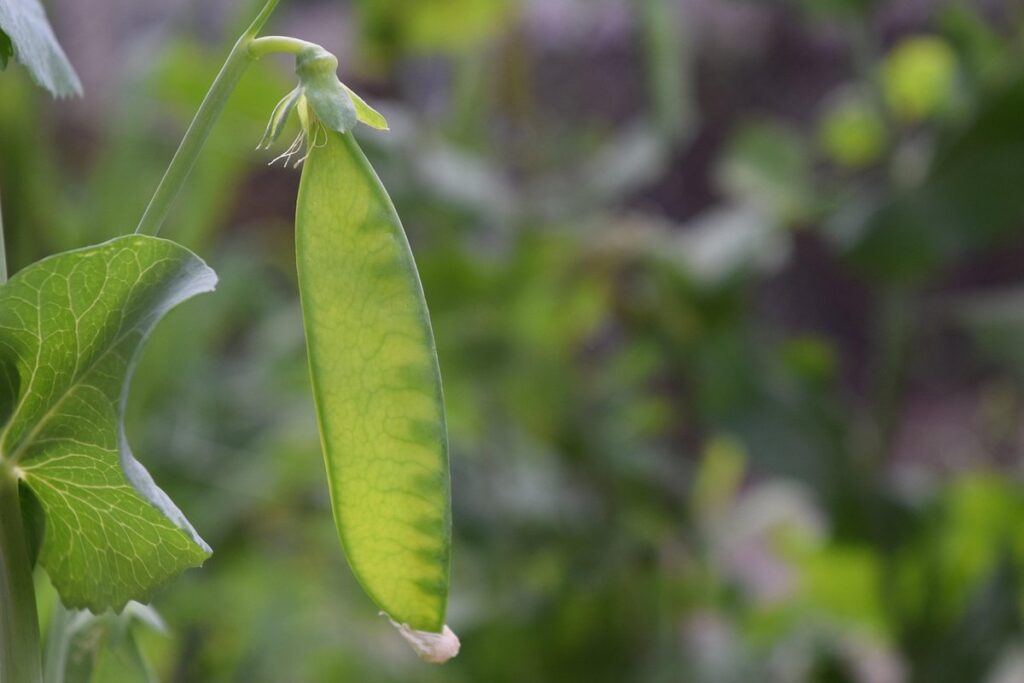
Let’s start from the beginning and explore what pigeon peas are. These tiny legumes might be new to you, but they’re packed with nutrients and have a rich history in many cultures around the world.
History and Origin of Pigeon Peas
Pigeon peas have a rich history that spans thousands of years, originating from the Indian subcontinent and Southeast Asia. The native regions of pigeon peas are believed to be India, Sri Lanka, and parts of Southeast Asia, where they were cultivated as early as 2000 BCE. These versatile legumes quickly spread throughout the world, becoming an integral part of various cultures.
In Indian cuisine, pigeon peas are a staple ingredient in many dishes, particularly in curries and stews. In fact, pigeon pea-based curries are a mainstay of Sri Lankan and South Indian cuisine. The peas are also used as a protein-rich complement to rice and other grains. In some regions, they’re even used as a coffee substitute due to their high starch content.
Today, pigeon peas continue to hold significant cultural importance in many parts of the world. They’re not only a nutritious food source but also play a vital role in local traditions and celebrations. For example, in some African countries, pigeon peas are a key ingredient in traditional dishes during special occasions like weddings and harvest festivals.
Nutritional Profile of Pigeon Peas
Pigeon peas are an excellent source of essential nutrients that provide numerous health benefits. One of their most notable advantages is their high protein content, making them a great option for vegetarians and vegans. In fact, 100 grams of pigeon peas contain about 21 grams of protein, which is roughly the same amount found in chicken or fish.
Pigeon peas are also rich in dietary fiber, containing approximately 9 grams per 100 grams serving. This high fiber content helps promote digestive health, supports healthy blood sugar levels, and even aids in weight management. Furthermore, they are an excellent source of essential vitamins and minerals like iron, zinc, potassium, and magnesium.
Incorporating pigeon peas into your diet can be as simple as adding them to your favorite soups, stews, or curries. You can also use them in place of beans or lentils in many recipes. To get the most nutritional benefits from pigeon peas, make sure to cook them thoroughly and consume them within a day or two of cooking. This will help retain their nutrient-rich properties and make them an even more valuable addition to your meal plan.
Health Benefits of Pigeon Peas
Pigeon peas are a nutritional powerhouse, and in this section, we’ll dive into their incredible health benefits, from reducing inflammation to supporting heart health. Let’s explore these amazing advantages together!
High-Fiber Content and Digestive Health
Pigeon peas are an excellent source of dietary fiber, containing up to 16% fiber by weight. Regular consumption can lead to improved gut health and reduced risk of constipation due to their high soluble fiber content. Soluble fiber dissolves in water and forms a gel-like substance that helps slow down digestion, allowing for better absorption of nutrients.
The prebiotic properties of pigeon peas also promote the growth of beneficial gut bacteria, enhancing overall digestive function. This is particularly relevant in today’s society where digestive issues are on the rise due to poor diet quality and reduced physical activity.
To incorporate more fiber-rich pigeon peas into your diet, try adding them to salads, stews, or making a hearty pea soup. You can also experiment with using pigeon peas as a protein substitute in veggie burgers or as a topping for oatmeal. Aim to consume at least 25 grams of dietary fiber per day from a variety of sources to support optimal digestive health.
Antioxidant Properties and Anti-Inflammatory Effects
Pigeon peas are rich in antioxidants, including flavonoids, phenolic acids, and saponins. These compounds help protect cells from damage caused by free radicals, which can contribute to chronic diseases like cancer and heart disease. The antioxidant properties of pigeon peas have been shown to reduce oxidative stress and inflammation, two key factors involved in the development of these conditions.
In particular, the flavonoids present in pigeon peas have been found to have anti-inflammatory effects, which may help alleviate symptoms associated with conditions such as arthritis and other inflammatory diseases. Studies have also demonstrated that consuming foods rich in antioxidants like pigeon peas can reduce the risk of certain types of cancer, including colon and breast cancer.
To reap the antioxidant benefits of pigeon peas, try incorporating them into your diet through a variety of dishes, such as stews, curries, or salads. You can also add dried pigeon pea powder to smoothies or energy balls for an extra boost of antioxidants. By making pigeon peas a regular part of your meals, you may be able to reduce your risk of chronic diseases and promote overall health and well-being.
Culinary Uses of Pigeon Peas
You’ll love learning how to cook with pigeon peas, as they’re incredibly versatile and can be used in a variety of dishes, from stews to curries. Let’s explore their culinary potential!
Traditional Recipes from Around the World
Pigeon peas are a staple ingredient in many traditional recipes around the world. In West Africa, they’re a main component of “Akara,” a popular breakfast dish made by grinding pigeon peas into a fine paste, mixing with onions and spices, and frying into crispy patties.
In India, pigeon peas are used to make “Dal Makhani,” a rich and creamy lentil-based curry that’s a staple in North Indian cuisine. To make this recipe, simply sauté onions, ginger, and garlic, then add pigeon peas, red kidney beans, tomatoes, and a blend of spices. Let the mixture simmer until the peas are tender and the sauce has thickened.
In Brazil, pigeon peas are used to make “Feijão Tropeiro,” a hearty stew that’s a favorite among locals. To make this recipe, simply sauté onions, garlic, and bacon, then add pigeon peas, beans, beef or pork, and a blend of spices. Let the mixture simmer until the peas are tender and the sauce has thickened.
These recipes showcase the versatility of pigeon peas in different cuisines, highlighting their potential as a main ingredient in a variety of dishes. With their mild flavor and high protein content, it’s no wonder why pigeon peas are a staple in many traditional recipes around the world.
Modern Twists on Classic Dishes
Pigeon peas are incredibly versatile, and their unique flavor and texture make them a great addition to modern recipes. One of the best ways to showcase pigeon peas is by incorporating them into classic dishes with a twist. For instance, try adding them to a modern take on traditional paella. Simply cook the pigeon peas with smoked paprika, garlic, and lemongrass for added depth of flavor. You can also use them in place of chickpeas in a vegan version of Indian-style chana masala.
In addition, pigeon peas pair perfectly with grilled meats, making them an excellent choice for modern salads. Try mixing cooked pigeon peas with roasted sweet potatoes, mixed greens, and a citrus vinaigrette for a refreshing summer salad. You can also use them as a topping for burgers or sandwiches, adding protein and fiber to your meal.
When experimenting with new recipes, don’t be afraid to think outside the box. Pigeon peas are a great source of plant-based protein, making them an excellent substitute in dishes like veggie burgers or meatballs.
Growing and Preparing Pigeon Peas
Growing and preparing pigeon peas requires attention to detail, but with the right techniques, you’ll be enjoying fresh harvests in no time. Let’s dive into the specifics of cultivating these nutrient-rich legumes.
How to Grow Pigeon Peas at Home
Growing pigeon peas at home can be a rewarding experience, especially when you get to enjoy the numerous benefits of this nutritious legume. To start growing pigeon peas, you’ll want to choose a spot that receives full sun and has well-draining soil with a pH between 6.0 and 7.0.
Pigeon peas thrive in warm and humid climates, typically above 65°F (18°C). If you live in an area with mild winters, you can grow pigeon peas year-round. However, if you’re in a cooler climate, it’s best to grow them as a summer crop.
In terms of soil requirements, pigeon peas prefer a mix that is rich in nitrogen and organic matter. You can create this by adding compost or well-rotted manure to your soil before planting. Make sure the soil is loose enough for the pea roots to grow deep into the ground.
When sowing, plant the seeds about 1 inch (2.5 cm) apart and 4-6 inches (10-15 cm) deep in the soil. Water regularly, but avoid overwatering, which can lead to fungal diseases. With proper care, you should be able to harvest your pigeon peas in about 90-120 days.
Keep in mind that pigeon peas are a drought-tolerant crop and can grow with minimal watering once established. This makes them an excellent choice for areas with limited water resources.
Cooking Methods and Preparations
When it comes to cooking pigeon peas, there are several methods you can use to bring out their natural flavors and retain their nutrients. One of the simplest ways is by boiling them. Simply add pigeon peas to a pot of water, bring to a boil, and then reduce the heat to simmer for about 15-20 minutes or until they’re tender. This method helps preserve their nutrient-rich content, including fiber, protein, and vitamins.
Steaming is another excellent option for cooking pigeon peas. Steam them for around 10-12 minutes, or until they’re slightly tender but still crisp. Steaming helps retain the peas’ delicate flavor and nutrients while minimizing the loss of water-soluble vitamins like vitamin C and B vitamins.
You can also sauté pigeon peas with some oil or butter to add extra flavor. Simply heat a pan with your preferred cooking oil, add minced garlic or ginger for added flavor, then toss in the pigeon peas and cook until they’re tender but still crisp. This method adds a rich, savory taste without sacrificing their nutrient content.
To retain the maximum amount of nutrients in your pigeon peas, remember to use minimal water while boiling and avoid overcooking them.
Potential Uses in Modern Applications
One of the most exciting aspects of pigeon peas is their versatility, and we’re excited to share some of the innovative ways they’re being used today. From health supplements to sustainable food sources, the possibilities are endless!
Food Industry Innovations
In recent years, the food industry has been rapidly innovating to meet the growing demand for sustainable and healthier options. Pigeon peas are at the forefront of this movement, with their versatile components offering endless possibilities for modern applications.
One exciting area of innovation is plant-based meat alternatives. Pigeon pea protein, in particular, is gaining attention due to its high digestibility, emulsifying properties, and ability to enhance texture and flavor. Imagine a vegan sausage or burger patty made with pigeon pea protein, providing a more sustainable alternative to traditional meat products.
Companies like Beyond Meat and Impossible Foods have already leveraged plant-based proteins to great success, but pigeon peas offer a unique advantage due to their lower environmental impact and higher nutritional value. By incorporating pigeon pea protein into plant-based meat alternatives, manufacturers can not only reduce their carbon footprint but also create more nutritious options for consumers.
This trend is poised to disrupt the traditional meat industry and cater to the growing demand for plant-based products. As consumers become increasingly conscious of their dietary choices and environmental impact, companies that pioneer innovative uses of pigeon pea protein will likely see significant market growth.
Sustainable and Eco-Friendly Benefits
Cultivating pigeon peas has been shown to have numerous environmental benefits. For instance, this legume requires significantly less water than many other crops, making it an attractive option for areas experiencing droughts. In fact, studies have demonstrated that pigeon peas can survive with as little as 400mm of rainfall per annum – a remarkable feat considering the average annual rainfall in some regions is merely half that amount.
Moreover, these versatile beans are capable of fixing atmospheric nitrogen through their symbiotic relationship with Rhizobia bacteria, thereby reducing the need for synthetic fertilizers. This not only conserves water but also lessens greenhouse gas emissions associated with fertilizer production and transportation.
Incorporating pigeon peas into your diet is another step towards a more eco-friendly lifestyle. With its high protein content, this legume can help reduce meat consumption, which accounts for approximately 14.5% of global greenhouse gas emissions. By exploring the various ways to prepare pigeon peas – from salads to curries and stews – you’ll not only be reaping their nutritional benefits but also contributing to a more sustainable food system.
Conclusion
Now that we’ve explored the incredible world of pigeon peas, let’s summarize the key takeaways and final thoughts on their nutritional benefits and uses.
Recap of Key Takeaways
Incorporating pigeon peas into your diet can have a significant impact on your overall health and well-being. Let’s recap the key takeaways from this comprehensive guide:
As we’ve explored throughout this article, pigeon peas are a nutrient-dense food that offers an impressive range of benefits. They’re an excellent source of plant-based protein, fiber, and various essential vitamins and minerals like iron, zinc, and potassium.
To make the most of these tiny legumes, try incorporating them into your meals in creative ways – add them to soups, stews, salads, or even use them as a topping for your favorite dishes. You can also cook them from scratch or purchase pre-cooked pigeon peas to save time.
Some key highlights from this guide include the potential benefits of pigeon peas on heart health, their role in reducing inflammation and improving digestion, and their versatility as an ingredient in both sweet and savory recipes.
Incorporating pigeon peas into your diet can be simple and delicious – experiment with new recipes and find ways to make them a staple in your meal planning.
Final Thoughts and Future Directions
As we conclude our exploration of pigeon peas, it’s clear that these versatile legumes hold immense potential for widespread cultivation and utilization. The numerous benefits they offer – from their high protein content to their adaptability in various cuisines – make them an attractive crop for farmers and food enthusiasts alike.
However, there are still opportunities for further research and development in the realm of pigeon pea cultivation. For instance, scientists could delve deeper into understanding the optimal growing conditions and pest management strategies for these legumes. By doing so, they may uncover new ways to increase yields and reduce environmental impact.
Ultimately, as we look to the future of pigeon pea production, it’s essential that farmers, researchers, and consumers collaborate to ensure a sustainable and equitable supply chain. By embracing innovative technologies and best practices, we can unlock the full potential of these incredible legumes and reap their numerous rewards.
Frequently Asked Questions
Can I grow pigeon peas at home if I don’t have a large garden or yard space?
Yes, you can grow pigeon peas in containers or even indoors with the right conditions. They require minimal maintenance and can thrive in small spaces, making them an ideal choice for urban gardening.
How do I store pigeon peas to maintain their nutritional value and freshness?
To preserve pigeon peas, store them in a cool, dry place away from direct sunlight. You can also freeze or dehydrate them to extend shelf life. Proper storage will help retain the nutrient-dense properties of these superfoods.
Can I use pigeon peas as a substitute for other legumes in recipes, such as kidney beans or chickpeas?
Pigeon peas have a slightly sweeter flavor and softer texture than some other legumes, making them suitable for certain dishes. However, their unique characteristics might affect the taste and consistency of your final product. Experiment with different recipes to find the best applications.
What are some potential health concerns associated with consuming pigeon peas?
While generally safe, pigeon peas can cause digestive issues in some individuals due to their high fiber content. People with sensitive stomachs or those taking certain medications should consume them in moderation and monitor their body’s response.
Are pigeon peas suitable for a low-FODMAP diet, and how do I incorporate them into my meal planning?
Pigeon peas are considered low FODMAP but may be problematic for individuals who also have gluten intolerance. When incorporating pigeon peas into your diet, focus on moderate portion sizes and balance with other nutrient-dense foods to ensure a well-rounded meal plan.