
As the seasons change, your green tomato plants are still producing delicious fruits, but the chill of autumn is approaching. Before the first hard frost sets in, you’ll want to harvest those last few green tomatoes and preserve them for future meals. But how do you know when they’re ripe? And what’s the best way to freeze or store them so that their flavor and texture aren’t lost? In this article, we’ll show you expert tips on identifying ripe green tomatoes, harvesting them at the right time, and freezing them with minimal loss of quality. We’ll also share some top picks for tools and storage methods, as well as tasty recipes to help you make the most of your harvest before it’s too late.
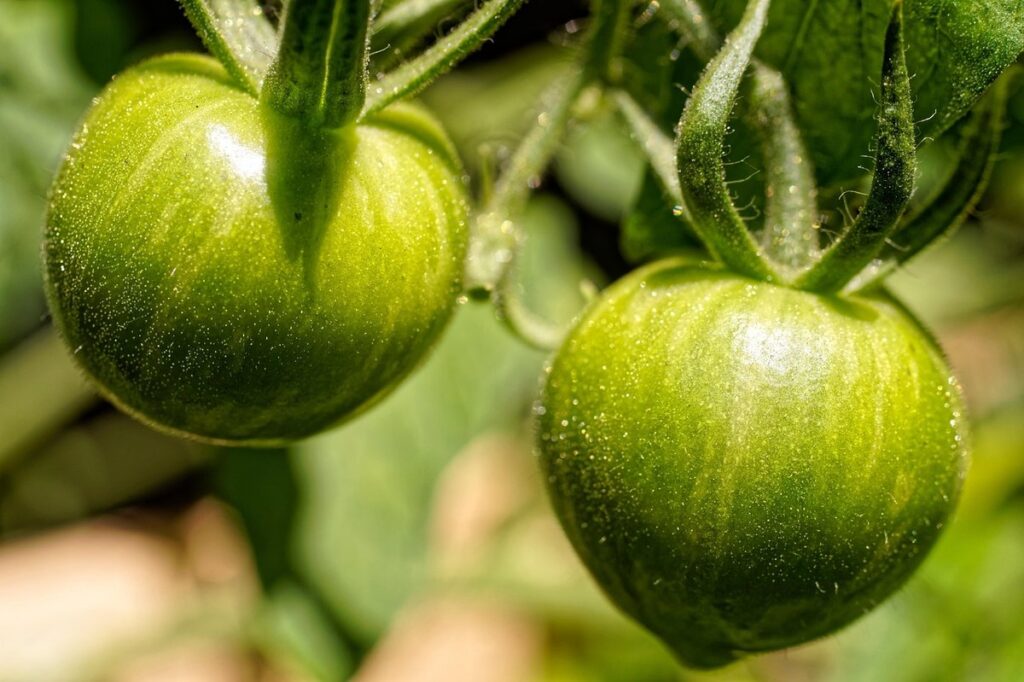
Understanding Green Tomato Ripeness and Freezing
When it comes to preserving your green tomatoes, understanding their ripeness is crucial for optimal flavor and texture. Next, we’ll cover how to freeze them at the perfect stage.
What Are Green Tomatoes, Anyway?
When you hear “green tomatoes,” it’s easy to assume they’re simply unripe tomatoes that never made it to full red ripeness. But the truth is, there’s a difference between green tomatoes and unripe tomatoes. While both may appear similar at first glance, their development paths are distinct.
Unripe tomatoes are those that were not given enough time or the right conditions to reach full maturity on the vine. Factors such as poor soil quality, insufficient sunlight, or inadequate watering can all contribute to stunted growth and delayed ripening. In contrast, green tomatoes are actually a specific stage in a tomato’s life cycle, where they’ve reached optimal sugar content but haven’t yet undergone the color change that typically signals full ripeness.
Think of it like this: an unripe tomato is like a young plant that hasn’t been given room to grow, while a green tomato is like a mature plant that’s simply chosen not to produce fruit in its typical red hue. It’s essential to distinguish between these two states when deciding whether or not to harvest your tomatoes before the first hard frost.
Determining Optimal Pick Time
When checking for ripeness, gentle squeezing is one of the most effective methods. This involves gently pressing the skin around the stem end to assess its firmness and tenderness. If it yields slightly but still feels somewhat hard, it’s likely ready to be picked. Avoid applying too much pressure, as this can bruise the fruit and affect its quality.
Another way to determine optimal pick time is by observing the skin color and stem color. Green tomatoes typically turn yellow or light green around the stem when they’re mature. The skin may also develop slight cracks or blisters. Be cautious not to mistake these signs for over-ripeness, as they can be indicative of ripening rather than spoilage.
Pick green tomatoes during favorable weather conditions, such as clear skies and temperatures between 60°F to 70°F (15°C to 21°C). Avoid harvesting during heavy rain or extreme heat waves, as this can damage the fruit. Additionally, monitor your local weather forecast for any impending frosts, allowing you to plan accordingly and prevent loss of crops.
How Freezing Affects Green Tomato Flavor and Texture
When you freeze green tomatoes, several changes occur that can impact their flavor, texture, and nutritional content. The freezing process causes water inside the cells to form ice crystals, leading to cell damage and a softer texture after thawing. This affects the tomato’s natural sweetness and acidity balance, resulting in a blander taste.
Additionally, freezing can lead to a slight loss of nutrients like vitamin C, which is sensitive to temperature fluctuations. However, this loss is minimal if you freeze the tomatoes correctly. To minimize losses in quality, it’s essential to follow proper freezing techniques: blanching the green tomatoes before freezing helps preserve their texture and flavor.
When done correctly, frozen green tomatoes retain most of their nutritional content and can be used in a variety of recipes, from soups to sauces. They’re also great for adding a burst of fresh tomato flavor to dishes during winter months when fresh tomatoes are scarce. To get the best results, freeze your green tomatoes as soon as possible after harvesting, ideally within 24 hours of picking.
Preparing Green Tomatoes for Winter Stash
When it’s time to harvest your green tomatoes before the first hard frost, you’ll want to make sure they’re prepared properly for storage. Start by selecting the ripest, most tender fruits from the plant. These will be the ones that are best suited for cooking and preserving. Gently wash them in cool water to remove any dirt or debris, then pat them dry with a clean towel.
Next, you’ll want to sort your green tomatoes into different categories based on their intended use. Some may be destined for sauces, while others will be used in salsas or salads. Store each group separately in airtight containers or bags to maintain freshness and prevent spoilage. Be sure to label everything clearly so you can easily keep track of what’s inside.
Now it’s time to find the perfect spot for your winter stash. Choose a cool, dark place with consistent humidity levels, such as a pantry or root cellar. This will help prolong the life of your green tomatoes and allow them to stay fresh throughout the winter months.
Section 2: Harvesting Methods
Now that we’ve covered when and how to pick your green tomatoes, it’s time to explore different harvesting methods that will ensure you get the best results. Let’s dive into the various techniques you can use.
Hand-picking vs. Machine-harvested Green Tomatoes
When it comes to harvesting green tomatoes before the first hard frost, farmers often face a crucial decision: hand-picking versus machine-harvesting. Both methods have their pros and cons, which we’ll explore below.
Hand-picking is a labor-intensive process that requires careful selection of ripe and unripe tomatoes. On one hand, it allows for greater precision and ensures only the best fruits are picked, reducing waste and increasing quality. Additionally, hand-picked green tomatoes tend to be less bruised and damaged compared to machine-harvested ones. However, this method can be time-consuming and costly, especially if labor costs are high.
Machine-harvesting, on the other hand, is a faster and more efficient process that can handle large quantities in a short period. This approach also reduces labor costs and allows for more consistent yields. Nevertheless, machine-harvested green tomatoes may suffer from bruising and damage due to their higher speed and rigidity.
It’s essential to consider your specific farm’s needs, equipment wear, and yield requirements when deciding between hand-picking and machine-harvesting. For small-scale farmers with limited resources, hand-picking might be the better choice. In contrast, large commercial farms may benefit from investing in efficient machinery to streamline their harvesting process.
In terms of equipment wear, machines designed for green tomato harvesting are typically more durable than those used for other crops. However, frequent use can still cause wear and tear on blades, belts, and other components, increasing maintenance costs over time. To mitigate this, regular cleaning and lubrication of the machine is crucial to extend its lifespan.
Ultimately, the decision between hand-picking and machine-harvesting depends on your farm’s unique situation and priorities. By weighing the pros and cons, you can make an informed choice that suits your needs and ensures a successful green tomato harvest.
Best Tools for Harvesting Green Tomatoes
When it comes to harvesting green tomatoes, having the right tools can make all the difference. You’ll want to invest in a sturdy pair of gloves to protect those delicate tomato stems from bruising and tearing. Look for gloves with grip patterns on the palms to prevent accidental drops.
A good quality basket or container is also essential for collecting your harvest. Opt for one with handles that are comfortable to carry, especially if you’re harvesting from a large patch. A small ladder can be helpful for accessing those hard-to-reach plants without stretching or straining.
When using these tools, it’s crucial to handle the tomatoes gently to avoid damaging them. To do this efficiently, try working in sections, like rows or blocks, rather than zigzagging back and forth. This will help you maintain a steady pace and reduce the likelihood of accidents. Regularly cleaning your basket and gloves will also prevent any damage from sap or debris. By using these tools wisely, you’ll be able to collect your green tomatoes with ease and enjoy them at their peak flavor and texture.
Section 3: Storage and Handling Techniques
To keep your green tomatoes fresh for as long as possible, we’ll cover essential storage and handling techniques to maintain their quality. This includes proper cleaning, drying, and storing methods.
Cooling Down Before Freezing
When you’ve picked those green tomatoes, it’s essential to cool them down quickly to slow down ripening and reduce spoilage risk. This process is called “cooling down before freezing” or pre-cooling, and it can be done using various methods.
One effective way to pre-cool green tomatoes is by placing them in a shaded area with good air circulation. Avoid storing them near direct sunlight or heat sources, as this can accelerate ripening. You can also cover the tomatoes with a breathable cloth or mesh to protect them from dust and debris while they cool down.
Pre-cooling green tomatoes helps slow down respiration rates, which reduces the production of ethylene gas – a natural process that promotes ripening. By slowing down this process, you’ll give yourself more time to store or freeze the tomatoes without compromising their quality.
To speed up pre-cooling, you can also use fans to increase air circulation around the tomatoes. This method is particularly useful if you’re dealing with a large quantity of green tomatoes.
Cleaning and Packaging for Freeze
When it’s time to put away your harvested green tomatoes for long-term storage, proper cleaning and packaging are crucial to maintaining their quality. Start by gently washing the tomatoes in a mixture of water and vinegar to remove any dirt or debris that may have accumulated during harvesting. This step helps prevent mold growth and keeps the fruit fresh.
Once cleaned, dry the tomatoes thoroughly with a clean towel to prevent moisture from seeping into storage containers and promoting decay. For long-term storage, it’s essential to pack green tomatoes in an airtight container or bag filled with breathable material like paper towels or cloth to absorb excess moisture.
Freeze the packed tomatoes by placing them in a single layer on a baking sheet and putting the sheet in the freezer until they reach 0°F (-18°C). Transfer the frozen tomatoes to airtight containers or freezer bags, making sure to press out as much air as possible before sealing. This technique helps preserve the texture and flavor of your green tomatoes for future use in sauces, soups, and other recipes.
Section 4: Recipes and Uses for Green Tomatoes
Now that you’ve harvested your green tomatoes, it’s time to get creative in the kitchen! The possibilities are endless, and I’m excited to share some of my favorite recipes with you. One classic use for green tomatoes is frying them up into crispy little slices, perfect as a side dish or appetizer. Simply slice them thin, dust with flour, and fry in hot oil until golden brown. You can also use green tomatoes in soups and stews, adding a burst of flavor and texture to your favorite recipes.
Another idea is to make a green tomato salsa by dicing the tomatoes and mixing with onions, jalapenos, cilantro, and lime juice. This makes a great topping for tacos or grilled meats. If you’re looking for something a bit more substantial, try making a green tomato tart by layering sliced tomatoes in a flaky pastry crust and baking until golden brown. Whatever recipe you choose, I’m sure you’ll find that green tomatoes add a delicious twist to your meals.
Section 5: Troubleshooting Common Issues with Harvested Green Tomatoes
When you harvest green tomatoes before the first hard frost, you may encounter some common issues. One issue is the fruit falling off the vine due to over-ripeness or moisture content. To prevent this, gently lift and inspect each tomato daily for signs of ripeness, such as yellowing skin or slight softening at the stem end. If you notice any tomatoes showing these symptoms, pick them immediately.
Another problem that may arise is bruising or damage during handling. Be careful when harvesting to avoid touching or brushing against other plants, which can cause scratches and bruises. Handle each tomato by its leafy top, not by its delicate skin, and place them in a ventilated basket or container to prevent further damage.
If you encounter any tomatoes with fungal diseases like blossom end rot or yellowing leaves, discard them immediately to prevent the spread of disease to other plants.
Section 6: Tips for Preserving the Quality of Frozen Green Tomatoes
When it comes to preserving the quality of frozen green tomatoes, it’s essential to follow some key tips. First, make sure to blanch your green tomatoes in boiling water for 10-15 seconds before freezing. This step is crucial in inactivating the enzymes that can cause spoilage and preserve the texture and flavor of the tomatoes.
Next, use airtight containers or freezer bags to store your frozen green tomatoes, removing as much air as possible from the container before sealing. You should also label and date the containers so you can easily keep track of how long they’ve been in the freezer.
Freezing is an excellent way to enjoy your green tomatoes year-round, but be sure to use them within a year for optimal flavor and texture.
Frequently Asked Questions
Can I freeze green tomatoes at any stage of ripeness, or is there an optimal pick time?
While you can still enjoy frozen green tomatoes even if they’re not perfectly ripe, it’s best to harvest them when the skin starts to soften and the color deepens. This will help preserve their natural sweetness and texture.
How do I prevent freezer burn when storing green tomatoes in bulk?
To minimize the risk of freezer burn, make sure to clean and dry the green tomatoes thoroughly before freezing. You can also use airtight containers or freezer bags with as much air removed as possible. It’s essential to store them at 0°F (-18°C) or below for optimal preservation.
Can I use machine-harvested green tomatoes for freezing, or do I need to hand-pick them?
Both machine-harvested and hand-picked green tomatoes can be suitable for freezing, depending on the quality of the fruit. However, it’s crucial to inspect each tomato carefully before freezing to ensure there are no visible bruises or damage that might affect their texture.
How long do frozen green tomatoes typically last in storage?
When stored properly at 0°F (-18°C) or below, frozen green tomatoes can last for up to a year without significant degradation. However, it’s best to use them within six months for the best flavor and texture.
Can I freeze green tomato seeds, or are they only suitable for planting?
You can indeed preserve green tomato seeds by freezing them. Simply dry the seeds thoroughly on a paper towel, then store them in an airtight container or freezer bag at 0°F (-18°C) or below. This will help maintain their viability and make them easier to plant next season.