
As a plant parent, there’s nothing more frustrating than watching your precious greens struggle to thrive. One common issue that can stump even the most seasoned gardeners is phosphorus deficiency in plants. This crucial nutrient plays a vital role in root development, flower production, and overall plant health. But what causes it, and how can you diagnose and treat it? In this article, we’ll take a closer look at the causes, symptoms, and remedies for phosphorus deficiency in plants. We’ll also explore expert advice on fertilization, soil health, and more to help you give your plants the best possible chance of success. Whether you’re a beginner or a seasoned pro, understanding phosphorus deficiency is key to growing strong, healthy plants that bring joy to your indoor or outdoor space.
Understanding Phosphorus Deficiency
Let’s dive into the root of the issue and explore what causes phosphorus deficiency, as well as how to identify it. We’ll cover key indicators to look out for.
What is Phosphorus and Its Importance for Plants
Phosphorus is a vital nutrient for plant growth and development. It plays a crucial role in various physiological processes, including photosynthesis, root development, and cell division. Phosphorus is the third most essential nutrient required by plants after nitrogen and potassium.
Photosynthesis is the process by which plants convert sunlight into energy, and phosphorus is an integral part of this process. During photosynthesis, phosphorus helps to transfer energy from one molecule to another, ultimately producing glucose and oxygen. A phosphorus deficiency can impair photosynthesis, leading to reduced plant growth and productivity.
Phosphorus also promotes root development, helping plants to absorb essential nutrients and water more efficiently. This is especially important for crops that require a strong root system to thrive. For example, potatoes are a crop that benefits significantly from adequate phosphorus levels, as it helps them develop a robust network of roots.
To ensure your plants receive sufficient phosphorus, consider incorporating phosphorus-rich fertilizers into your soil or using compost tea to supplement their nutrient intake.
Common Causes of Phosphorus Deficiency
Phosphorus deficiency in plants is often caused by poor soil quality, inadequate fertilization, and pests/diseases. When it comes to phosphorus availability in the soil, the issue often lies in its solubility. Phosphorus exists in multiple forms, but only some are readily available for plant uptake. In many cases, phosphorus is bound to other minerals in the soil, making it inaccessible to plants.
Another major contributor to phosphorus deficiency is inadequate fertilization. Failing to provide sufficient phosphorus during critical growth stages can lead to reduced yields and stunted growth. The ideal ratio of nitrogen-phosphorus-potassium (N-P-K) varies depending on the crop type, but as a general rule, phosphorus should account for around 10-20% of the total fertilizer.
Additionally, pests and diseases can also impact phosphorus availability in plants. For example, certain nematodes can feed on phosphorus-rich compounds, reducing its availability to the plant. Similarly, fungal infections can break down phosphorus-containing molecules, further exacerbating the deficiency.
Symptoms of Phosphorus Deficiency
When you notice symptoms of phosphorus deficiency, it’s essential to know what signs to look out for, and we’ll cover those key indicators in this section. Common problems will be highlighted for easy identification.
Visual Signs of Phosphorus Deficiency
As you inspect your plants, it’s essential to recognize visual signs of phosphorus deficiency. One of the most common symptoms is stunted growth. Phosphorus plays a crucial role in root development and cell elongation, which enables plants to grow normally. Without sufficient phosphorus, roots become underdeveloped, resulting in weak and leggy stems that struggle to reach their full height.
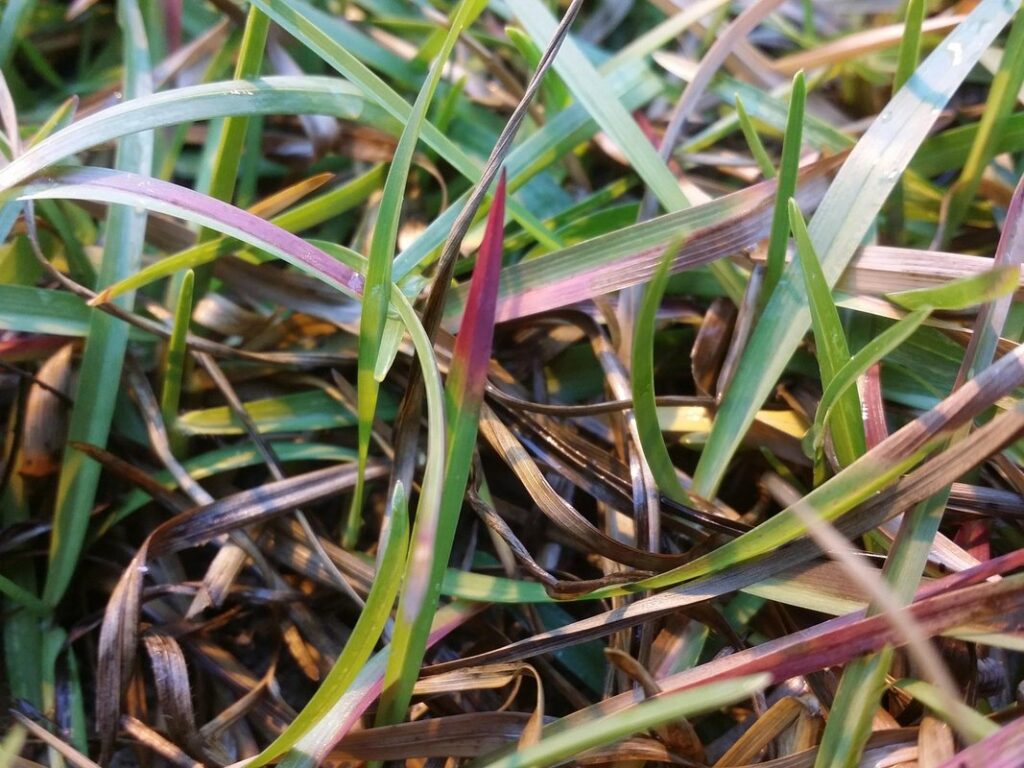
Discolored leaves are another telltale sign of phosphorus deficiency. Leaves may turn yellow or reddish-purple due to the reduced ability to absorb and transport essential nutrients. In severe cases, older leaves may wilt and drop off, while younger ones remain pale and undersized.
Reduced yield is also a common consequence of phosphorus deficiency. Phosphorus helps plants develop fruiting structures, flowers, and seeds, so inadequate supply can lead to lower yields and poor fruit quality. Inspect your plants regularly for these visual signs, as early detection enables timely intervention and prevents further damage. By identifying the symptoms promptly, you can take corrective action and prevent phosphorus deficiency from wreaking havoc on your crops.
Effects on Plant Growth and Development
A phosphorus deficiency can significantly impact plant growth and development, leading to reduced root development, decreased flower/fruit production, and overall stunted growth. Phosphorus plays a crucial role in the formation of cell membranes and the synthesis of DNA, RNA, and ATP. Without adequate phosphorus, plants struggle to absorb essential nutrients from the soil.
One of the most noticeable effects of phosphorus deficiency is reduced root development. Healthy roots are necessary for plant stability and nutrient uptake, but without phosphorus, root growth slows or halts altogether. This can lead to weakened plants that are more susceptible to disease and pests. Additionally, phosphorus is essential for flower and fruit production, as it promotes cell division and differentiation.
In severe cases of phosphorus deficiency, plants may exhibit symptoms such as delayed flowering, reduced seed production, and discolored or deformed flowers. To combat this issue, gardeners can implement soil testing to determine phosphorus levels and consider applying a balanced fertilizer rich in phosphorus.
Diagnosis of Phosphorus Deficiency
So, you’ve identified phosphorus deficiency in your plants and now it’s time to figure out what’s going on. This section will guide you through the steps to accurately diagnose the issue.
How to Test for Phosphorus Deficiency
Testing for phosphorus deficiency is crucial to determine the extent of nutrient scarcity. You can start by testing soil and plant tissue samples to understand the phosphorus levels. Soil sampling involves collecting a representative sample from different areas of your garden or field, usually 6-8 inches deep. This sample should be analyzed using techniques like the Olsen method, which measures available phosphorus levels.
Plant analysis is another way to test for phosphorus deficiency. Take tissue samples from leaves, stems, or roots and send them to a laboratory for testing. The most common methods include dry ashing and nitric acid digestion. These processes break down plant material, allowing laboratories to measure phosphorus content using techniques like atomic absorption spectroscopy.
To accurately interpret results, consider the soil type, pH level, and nutrient management practices on your land. Phosphorus levels can be affected by various factors, making it essential to consult with a certified agronomist or laboratory technician for proper analysis and interpretation of test results.
Understanding Soil pH and Its Impact on Phosphorus Availability
Soil pH plays a significant role in phosphorus availability for plants. When soil pH is too high (above 7) or too low (below 6), phosphorus becomes less accessible to roots, leading to deficiency symptoms like stunted growth and poor flowering. This is because phosphorus forms complexes with iron and aluminum oxides at extreme pH levels, making it unavailable for plant uptake.
Most plants prefer a slightly acidic to neutral soil pH between 6.0 and 7.0. For example, tomatoes thrive in a pH range of 6.2 to 6.8. If your soil pH is off the mark, adjusting it can significantly improve phosphorus availability. To lower high-pH soils, add elemental sulfur or aluminum sulfate. Conversely, to raise low-pH soils, incorporate lime (calcium carbonate). Be cautious when making adjustments, as excessive application can harm plants.
Monitoring and maintaining optimal soil pH through regular testing is essential for preventing phosphorus deficiency.
Remedies for Phosphorus Deficiency
Don’t worry, we’ve got you covered! This next section will provide actionable tips on how to address phosphorus deficiency in your plants, including natural remedies and adjustments to their care.
Organic Fertilizers and Amendments
When it comes to correcting phosphorus deficiency in plants, using organic fertilizers and amendments is a great approach. One of the most effective options is bone meal, which is made from animal bones that have been steamed to release their phosphorus content. This slow-release fertilizer provides plants with a steady supply of phosphorus over several weeks, helping to promote healthy root development and fruiting.
Another excellent choice is fish emulsion, a liquid fertilizer derived from the remains of small fish such as sardines or anchovies. Rich in phosphorus, nitrogen, and other micronutrients, fish emulsion can be applied directly to soil or used as a foliar spray to give plants an immediate boost. For gardeners looking for a more natural alternative, rock dust is also worth considering – this type of amendment adds essential minerals and trace elements back into the soil, helping to create a balanced ecosystem that supports healthy plant growth.
When choosing organic fertilizers and amendments, it’s essential to follow the recommended application rates to avoid over-fertilizing your plants. Start with small amounts and gradually increase as needed, monitoring your plants’ response to ensure you’re not causing more harm than good.
Synthetic Fertilizers and Other Options
When it comes to correcting phosphorus deficiency in plants, synthetic fertilizers can be an effective option. Phosphatic fertilizers, such as diammonium phosphate (DAP) and monoammonium phosphate (MAP), are commonly used to address this issue. These fertilizers contain high concentrations of phosphorus and can provide a quick boost to the plant’s nutrient levels.
However, it’s essential to note that relying solely on synthetic fertilizers can have long-term consequences for soil health. Overuse or misapplication can lead to nutrient imbalances, environmental pollution, and even further deplete soil fertility. For these reasons, some gardeners and farmers are turning to more sustainable alternatives.
Lime application is another option for correcting phosphorus deficiency. By increasing the soil pH, lime can make phosphorus more available to plants. However, this approach requires careful consideration of soil type and pH levels, as excessive lime can cause more harm than good.
Ultimately, it’s crucial to choose the most suitable remedy based on your specific situation and long-term goals. A balanced approach that incorporates both organic and inorganic methods can provide a more sustainable solution for correcting phosphorus deficiency in plants.
Preventing Phosphorus Deficiency
Preventing phosphorus deficiency requires identifying its warning signs and taking proactive steps to correct soil pH, nutrient balance, and root health. This is crucial for healthy plant growth.
Long-Term Solutions for Soil Health
Maintaining healthy soil is crucial for preventing phosphorus deficiency in plants. One long-term solution is crop rotation, which involves alternating between different types of crops to avoid depleting the soil of specific nutrients. For example, planting legumes like beans or peas can fix nitrogen in the soil, reducing the need for synthetic fertilizers that contain phosphorus. Cover cropping is another effective strategy, where plants like winter rye or clover are grown during off-seasons to add organic matter and protect the soil from erosion.
You can also implement conservation tillage, which reduces soil disturbance and promotes soil aggregation, thereby improving water infiltration and aeration. Consider incorporating compost into your soil management routine, as it can increase microbial activity and nutrient availability. Regular soil testing is essential to monitor phosphorus levels and make informed decisions about fertilization. By adopting these long-term solutions, you can create a balanced and thriving ecosystem that supports healthy plant growth and minimizes the risk of phosphorus deficiency.
Best Practices for Fertilization and Irrigation
To prevent phosphorus deficiency in plants, it’s essential to adopt best practices for fertilization and irrigation. When it comes to fertilizing your plants, remember that more is not always better. Over-fertilization can lead to an overabundance of phosphorus in the soil, causing more harm than good.
Start by conducting a soil test to determine the existing nutrient levels and pH balance. This will help you avoid applying excessive amounts of phosphorus-based fertilizers. Instead, opt for balanced fertilizers that contain equal parts nitrogen, phosphorus, and potassium (NPK). These formulas provide a steady release of nutrients and promote healthy plant growth.
Regular irrigation is also crucial to prevent phosphorus deficiency. Water your plants when the top 2-3 inches of soil feel dry to the touch, but avoid overwatering, which can leach essential minerals from the soil. Mulching around plants can help retain moisture and reduce the need for frequent watering. By adopting these best practices, you’ll maintain optimal nutrient levels and give your plants a fighting chance against phosphorus deficiency. Aim for one or two fertilization applications per growing season to avoid over-saturation of phosphorus in the soil.
Frequently Asked Questions
Can I test for phosphorus deficiency with a DIY kit, or do I need professional help?
While DIY kits can be helpful in detecting nutrient deficiencies, they may not specifically identify phosphorus deficiency. For an accurate diagnosis, consider consulting a local nursery, gardening expert, or taking a soil sample to a lab for analysis.
How long does it take to see improvement after treating phosphorus deficiency?
The time it takes to notice improvements varies depending on the severity of the deficiency and the treatment method used. Generally, you can expect to see some recovery within 1-3 weeks of adjusting your fertilization schedule or using organic amendments. However, full recovery may take several months.
Are there any specific plant species that are more prone to phosphorus deficiency?
Yes, plants with high demands for phosphorus, such as fruiting and flowering varieties (e.g., tomatoes, strawberries), are more susceptible to deficiency. These plants require regular fertilization, especially during periods of active growth or production.
Can I use compost tea as a fertilizer to address phosphorus deficiency?
Compost tea can be beneficial in providing essential nutrients, but it’s not a direct solution for phosphorus deficiency. For severe deficiencies, consider using organic phosphorus-rich fertilizers like bone meal or rock phosphate, and supplement with compost tea for additional nutrient benefits.
How often should I retest my soil pH to ensure optimal phosphorus availability?
Retest your soil pH every 6-12 months to account for seasonal changes in pH levels. This will help you adjust your fertilization schedule and ensure the right balance of nutrients is available for your plants.